Acting
Os Trapalhões was a Brazilian comedy group and also a Brazilian television series created by Wilton Franco. Its members were Dedé Santana, Zacarias, Mussum and their leader Didi Mocó, that was played by Renato Aragão. The name Trapalhões is derived from the Portuguese verb atrapalhar, which means the opposite of helping, to do something the wrong way or to Those that confuse. The name is translated "Tramps" in English DVD subtitles. It was aired by Rede Globo from 1977 to 1999. On March 18, 1990, Zacarias died due to respiratory failure, but the group and the series didn't come to an end until July 29, 1994, when Mussum died due to an unsuccessful heart transplant.
The fight for freedom and against oppression is the central theme of this soap opera that tells the story of the Coragem brothers: João, Jerônimo and Duda, in the city of Coroado.
No description available.
Twin sisters with contrasting personalities, Ruth and Raquel, rival in the fictional Pontal D'Areia, on the coast of Rio de Janeiro.
Carlão is a taxi driver who experiences a drama of conscience after fleeing bank robbers leave a suitcase with stolen money in his car: he doesn't know whether to hand it over to the police, running the risk of being accused of being an accomplice in the robbery, or whether to use the money to solve his problems.
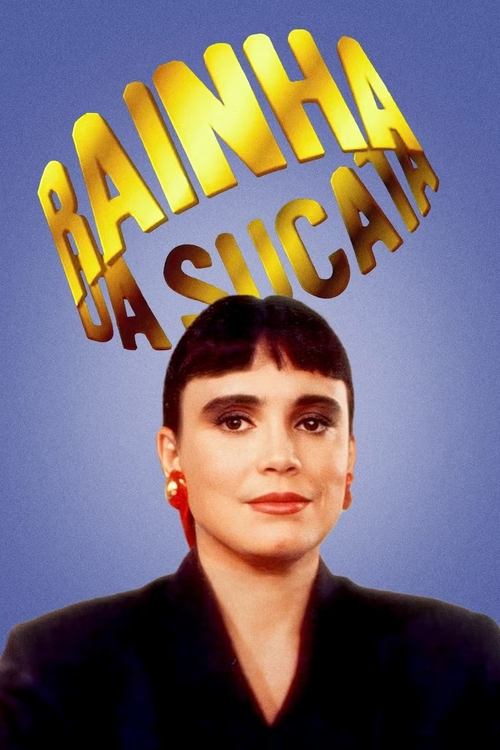
Maria do Carmo becomes wealthy through her father's business dealings and becomes a successful businesswoman, but she retains the habits of her humble past.
The story follows the lives of Naná and Gegê, a pair of con artists. Gegê is the uncle of Tina Pepper, a Tina Turner fan who dreams of becoming a famous singer.
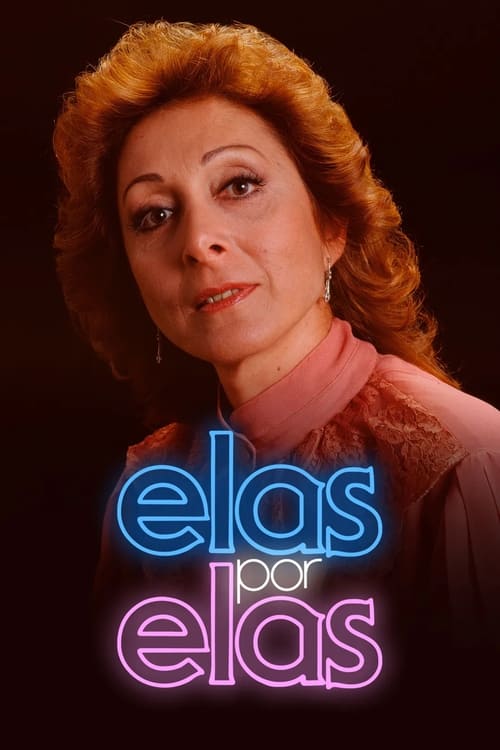
Seven high school friends reunite after 20 years. Memories of the past and coincidences of the present reveal the secrets and affections that bind the women and their families.
The soap opera follows the story of young Aurélia Camargo (Norma Blum), a girl who falls in love with the ambitious young journalist Fernando Seixas (Cláudio Marzo), who also falls in love with her, but rejects her when he receives an invitation to marry Adelaide (Fátima Freire), the daughter of Tavares do Amaral (Felipe Wagner), a wealthy banker. Feeling abandoned by her great love, Aurélia dreams of one day having him back. Until, when she turns 18, she is surprised with an inheritance from her grandfather, and becomes a very rich woman, allowing her to create her own rules for her life. However, for the society of the time, it was not good form for a woman to enjoy such independence. For this reason, Aurélia begins to rely on a distant relative, Dona Firmina Mascarenhas (Zilka Sallaberry), to act as her mother, and on the administrator Mr. Lemos (Alberto Perez), to guide her in business. So, she sees a great opportunity to have Fernando in her life again.
Maria Augusta, Maria José, and Maria da Glória reunite in Rio after studying together in Switzerland and prove their friendship despite many twists and turns, crimes, and romances.
The famous psychologist Teca falls in love with the widower Renato, father of one of her patients. The romance awakens the jealousy of Stela, who harbors an unhealthy passion for Renato, her brother-in-law.
Diana is woman who lost her child for her Husband. A evil man behind a series of crime operations. Searching for her son, Diana is hired for a underground organization to fight crimes all over Brazil. Now, Diana has the meanings to locate her former husband and search for her son.
Gina attracts attention and envy. Years later, her life is shaken by the return of an old love and she discovers some schemes orchestrated by her best friend.
On a farm in the interior of Mato Grosso, the impetuous hillbilly Juba grows up free and without instruction, in contact with nature. His parents are killed by cattle rustlers, and he takes over the farm. With the help of the Indian and tutor Iru, who teaches him the secrets of the forest, Juba plans to take revenge on the murderers. His life changes when he falls in love with Ruth, a young woman from the big city who introduces him to a world with new possibilities.
Mini series about the 1960s in Rio de Janeiro, when a politically engaged student falls in love with a left wing journalist's daughter who doesn't care for politics. The romance follows 15 years of Brazilian history, since President João Goulart deposition by military reactionary forces, until the first signs of restoration of democracy, in the 1980s.