Regis Cordic
Acting
Biography
Cordic was born in the Hazelwood neighborhood of Pittsburgh and attended Central Catholic High School. He started in radio as a staff announcer and substitute sportscaster at WWSW-AM.[1] When morning host Davey Tyson left the station in 1948, Cordic was one of a number of staffers given the opportunity to replace him. At first a straightforward announcer, Cordic began introducing comedy to his program—first in subtle ways, such as reading a sports score for "East Overshoe University" along with the real scores, and later by adding a repertory company of supporting comic characters. The morning show, renamed Cordic & Company, became the most popular in Pittsburgh. In 1954, Cordic & Company moved to KDKA (AM) on Labor Day, one of the first times that an American radio station had hired a major personality directly from a local competitor. Popular Bette Smiley had decided to retire from her full-time KDKA wake-up show Radio Gift Shoppe of the Air and move to a Sunday-only condensed version on WCAE in August 1954 in order to raise her young son Robbie. Cordic's immediate predecessor in the morning slot was the Ed and Rainbow show, featuring Ed Schaughency with Elmer Waltman cast in the role of Rainbow, the janitor. Waltman was dropped, and Schaughency was moved to the afternoon with a show called Schaughency's Record Cabinet. Schaughency lasted less than two years in that role before he was replaced by Art Pallan, who also came over from WWSW. Schaughency took on a new role as a news reader and moved back to mornings, delivering the newscasts during Cordic & Company. The show's ratings continued to grow until, at some points, it had an 85 share—meaning that 85% of all radios in Pittsburgh were tuned to Cordic & Company while it was on. By the end of his tenure in Pittsburgh, Cordic was reportedly earning $100,000 a year, a huge sum for a radio host at the time.
Known For

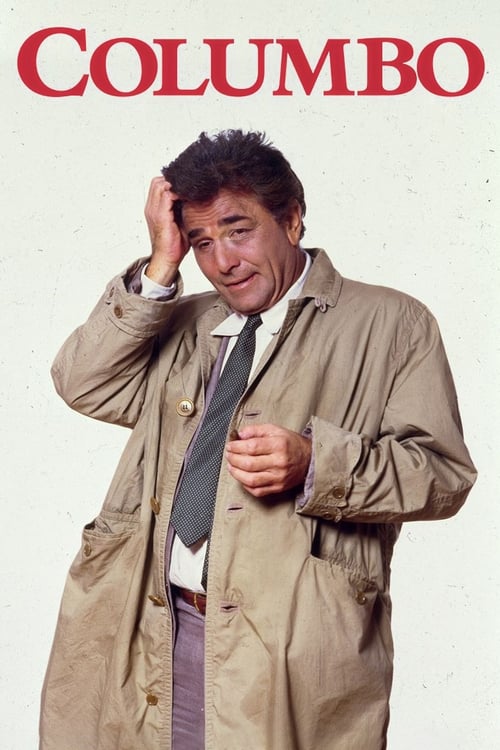
Columbo is a friendly, verbose, disheveled-looking police detective who is consistently underestimated by his suspects. Despite his unprepossessing appearance and apparent absentmindedness, he shrewdly solves all of his cases and secures all evidence needed for indictment. His formidable eye for detail and meticulously dedicated approach often become clear to the killer only late in the storyline.
Columbo

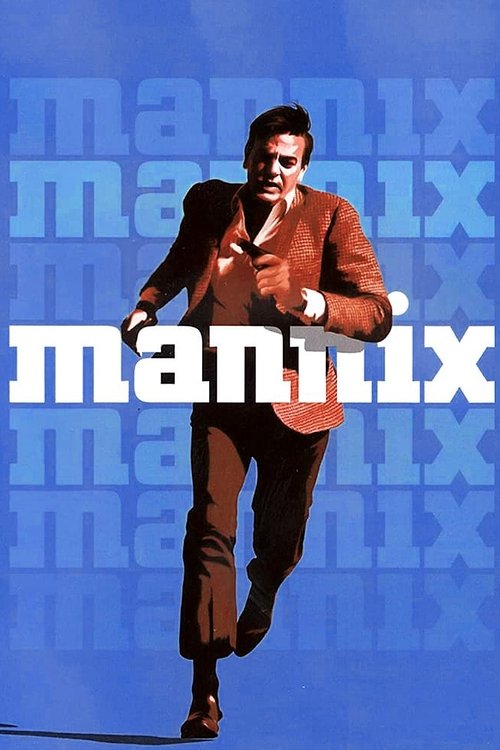
Mannix is an American television detective series that ran from 1967 through 1975 on CBS. Created by Richard Levinson and William Link and developed by executive producer Bruce Geller, the title character, Joe Mannix, is a private investigator. He is played by Mike Connors. Mannix was the last series produced by Desilu Productions.
Mannix

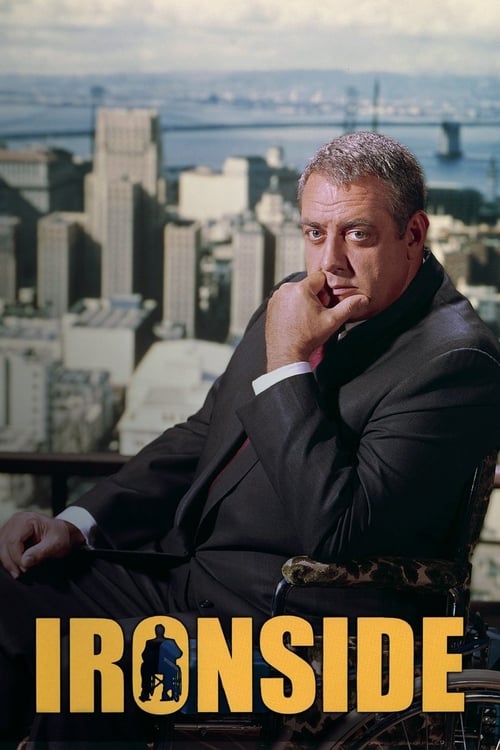
When an assassin's bullet confines him to a wheelchair for life ending his career as Chief of Detectives, Robert T. Ironside becomes a consultant to the police department. Detective Sergeant Ed Brown and policewoman Eve Whitfield join with him to crack varied and fascinating cases. Ex-con Mark Sanger is employed by the chief as home help but eventually becomes a fully fledged member of the team also. Officer Whitfield leaves after 4 years service, and is replaced by Officer Fran Belding.
Ironside

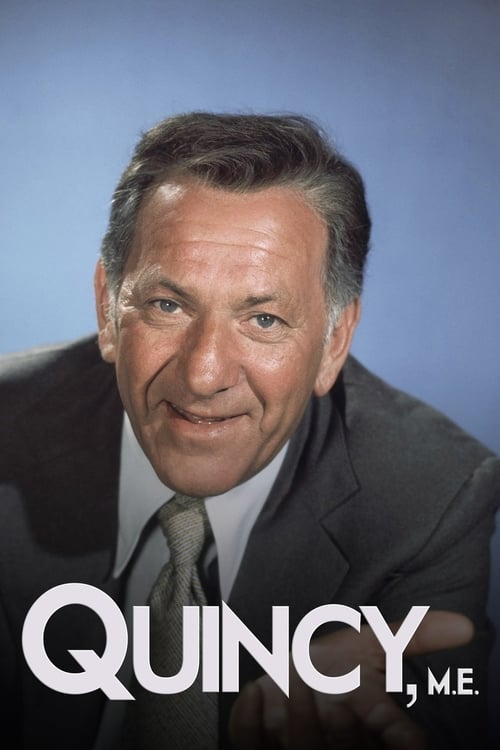
Los Angeles County medical examiner Quincy routinely engages in police investigations.
Quincy, M.E.

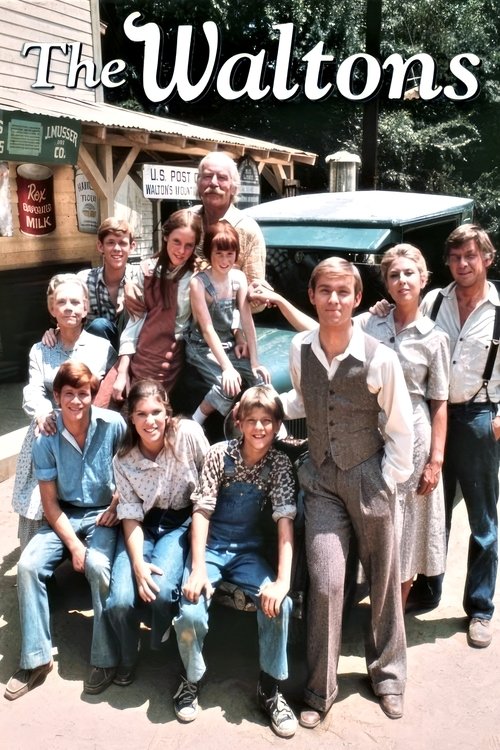
The Waltons live their life in a rural Virginia community during the Great Depression and World War II.
The Waltons

Get Smart is an American comedy television series that satirizes the secret agent genre. Created by Mel Brooks with Buck Henry, the show stars Don Adams, Barbara Feldon, and Edward Platt. Henry said they created the show by request of Daniel Melnick, who was a partner, along with Leonard Stern and David Susskind, of the show's production company, Talent Associates, to capitalize on "the two biggest things in the entertainment world today"—James Bond and Inspector Clouseau. Brooks said: "It's an insane combination of James Bond and Mel Brooks comedy." This is the only Mel Brooks production to feature a laugh track. The success of the show eventually spawned the follow-up films The Nude Bomb and Get Smart, Again!, as well as a 1995 revival series and a 2008 film remake. In 2010, TV Guide ranked Get Smart's opening title sequence at No. 2 on its list of TV's Top 10 Credits Sequences, as selected by readers.
Get Smart

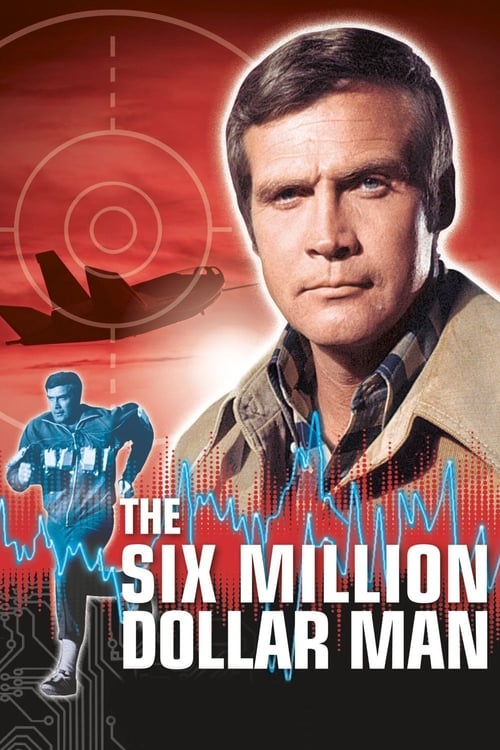
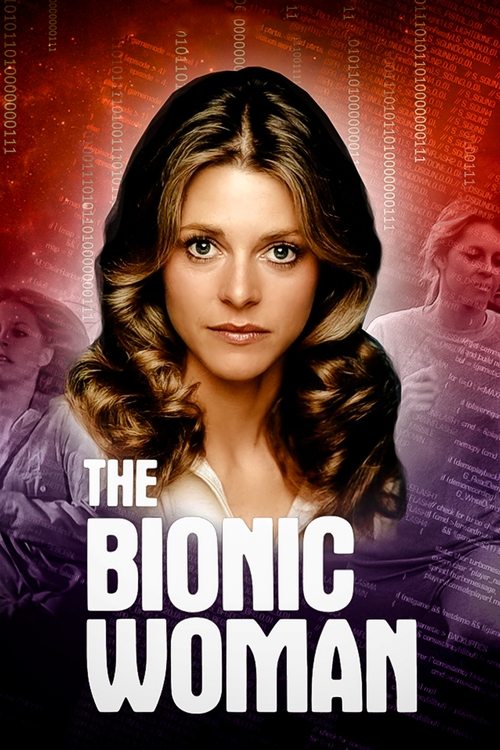
Follow the adventures of Steve Austin, cybernetically enhanced astronaut turned secret agent, employed by the OSI, under the command of Oscar Goldman and supervised by the scientist who created his cybernetics, Rudy Wells. Steve uses the superior strength and speed provided by his bionic arm and legs, and the enhanced vision provided by his artificial eye, to fight enemy agents, aliens, mad scientists, and a wide variety of other villains.
The Six Million Dollar Man

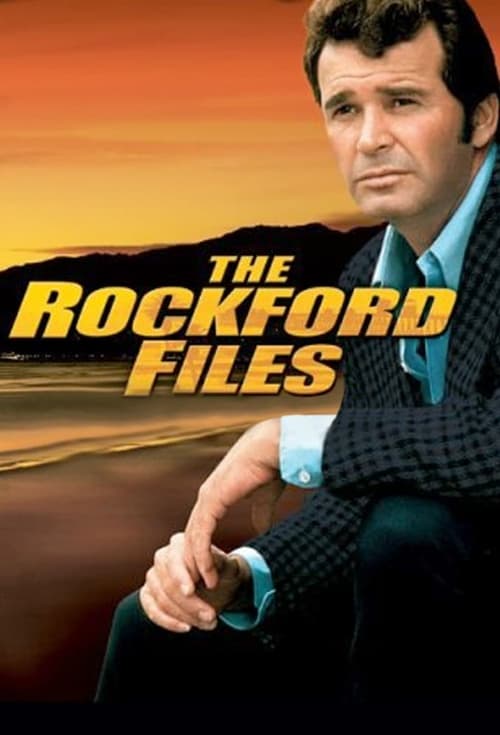
Cranky but likable L.A. PI Jim Rockford pulls no punches (but takes plenty of them). An ex-con sent to the slammer for a crime he didn't commit, Rockford takes on cases others don't want, aided by his tough old man, his lawyer girlfriend and some shady associates from his past.
The Rockford Files

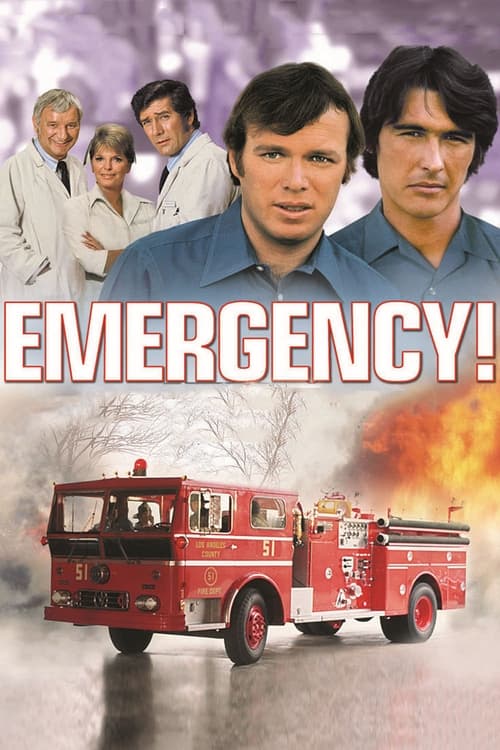
The crew of Los Angeles County Fire Department Station 51, particularly the paramedic team, and Rampart Hospital respond to emergencies in their operating area.
Emergency!

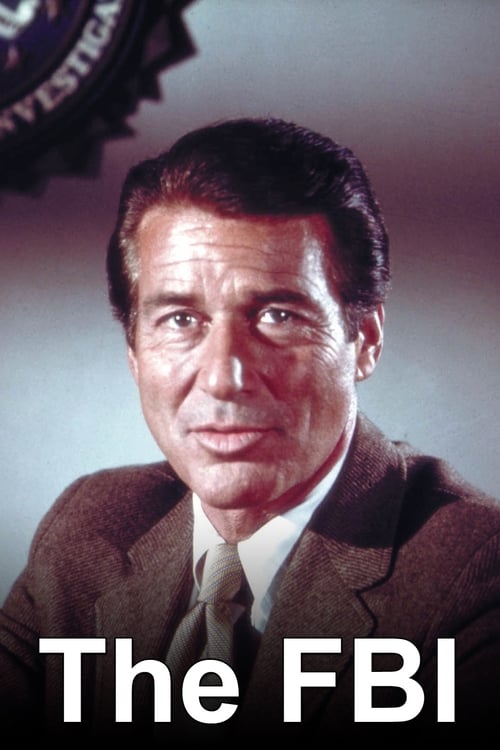
The F.B.I. is an American television series that was broadcast on ABC from 1965 to 1974. It was sponsored by the Ford Motor Company, and the characters almost always drove Ford vehicles in the series. Alcoa was co-sponsor of Season One only.
The F.B.I.

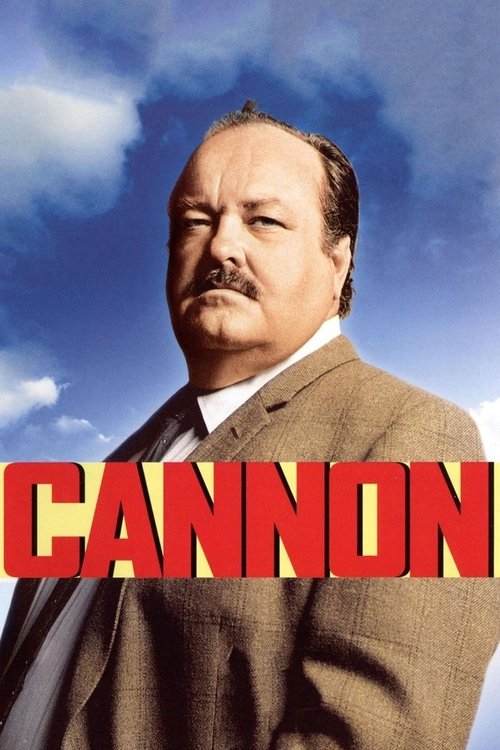
Cannon is a CBS detective television series produced by Quinn Martin which aired from March 26, 1971 to March 3, 1976. The primary protagonist is the title character, private detective Frank Cannon, played by William Conrad. He also appeared on two episodes of Barnaby Jones. Cannon is the first Quinn Martin-produced series to be aired on a network other than ABC. A "revival" television film, The Return of Frank Cannon, was aired on November 1, 1980. In total, there were 124 episodes.
Cannon

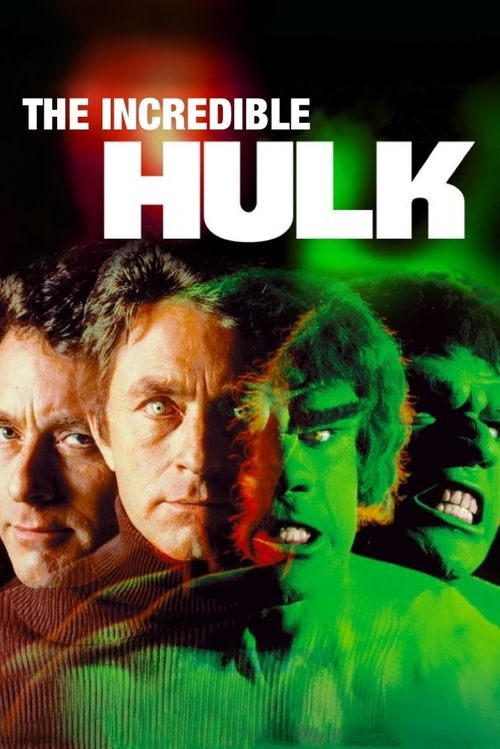
During an experiment gone bad, radiation turns a scientist into a raging green behemoth whenever he becomes agitated. Unable to control his transformations, David Banner searches for a cure as he crosses the country, fugitive-style, with a dogged tabloid reporter on his trail.
The Incredible Hulk

Medical Center is a medical drama series which aired on CBS from 1969 to 1976. It was produced by MGM Television.
Medical Center

The Transformers is the first animated television series in the Transformers franchise. The series depicts a war among giant robots that can transform into vehicles and other objects.
The Transformers

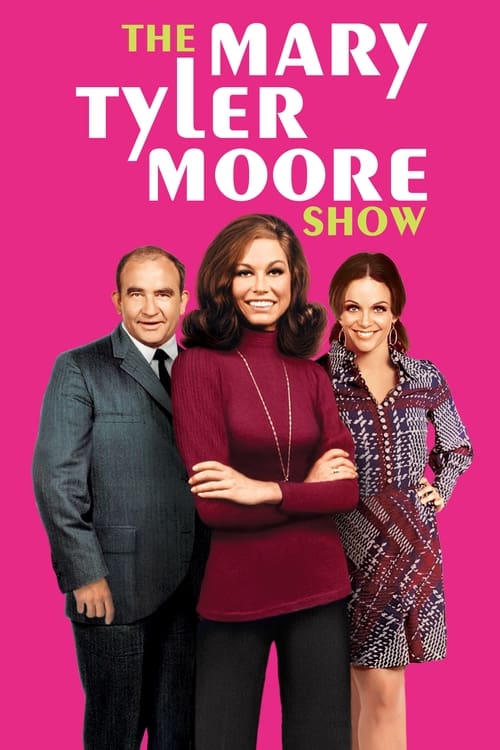
30-year-old single Mary Richards moves to Minneapolis to start a new life after a romantic break-up. There she reacquaints with Phyllis who rents her a room, and meets her upstairs neighbor and new best friend Rhoda. Mary unexpectedly lands a job as associate producer at the TV station WJM, where she works alongside her bristly boss, Lou; the comical newswriter, Murray; and the newscast's often-incompetent anchor, Ted.
The Mary Tyler Moore Show

The Name of the Game is an American television series starring Tony Franciosa, Gene Barry, and Robert Stack that ran from 1968 to 1971 on NBC, totaling 76 episodes of 90 minutes. It was a pioneering wheel series, setting the stage for The Bold Ones and the NBC Mystery Movie in the 1970s. The show had an extremely large budget for a television series.
The Name of the Game

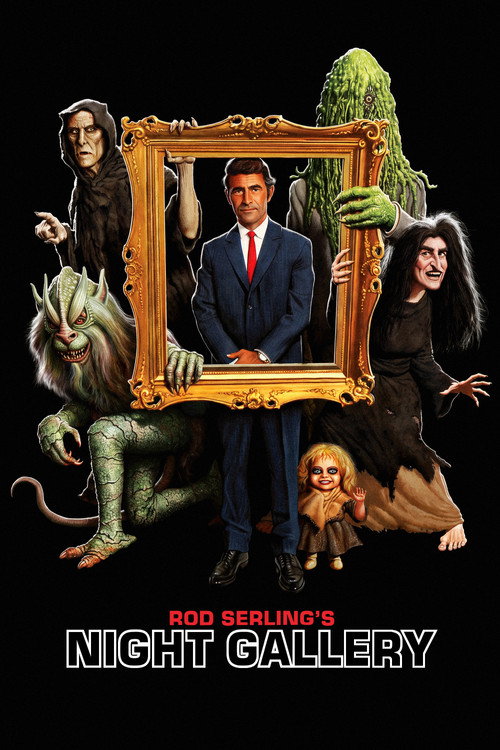
Rod Serling narrates an anthology of fantasy, horror and sci-fi stories from a set resembling a macabre museum. A chilling work of art serves as the connective link between the stories.
Night Gallery

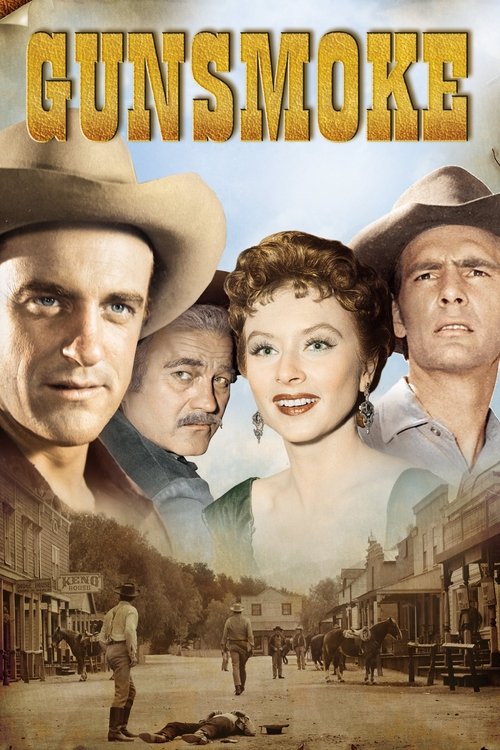
Gunsmoke is an American radio and television Western drama series created by director Norman MacDonnell and writer John Meston. The stories take place in and around Dodge City, Kansas, during the settlement of the American West. The central character is lawman Marshal Matt Dillon, played by William Conrad on radio and James Arness on television.
Gunsmoke

Micky, Mike, Peter, and Davy are four young men in mid-1960s LA, members of a struggling country-folk-rock band looking for their big break amid madcap encounters with a variety of people straight out of TV and movie central casting, with full knowledge that their existence is part of a weekly television series.
The Monkees

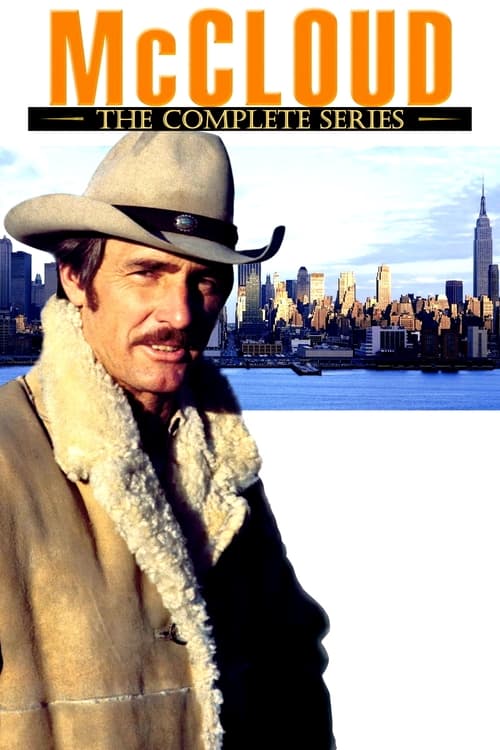
Deputy Marshal Sam McCloud of the small western town of Taos, New Mexico is assigned to the metropolitan New York City Police Department (NYPD) as a special investigator.