Acting
No description available.
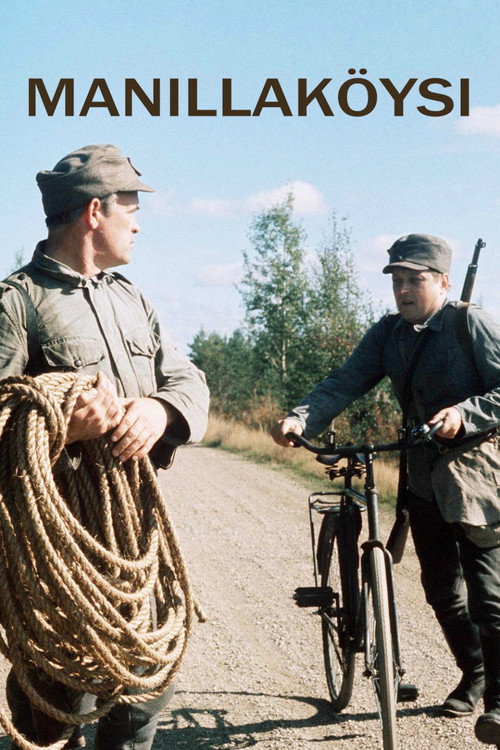
Manillaköysi is a cult status holding TV-movie adaptation of the satirical war novel by Veijo Meri. Manillaköysi has an endless list of classic one-liners, but it is still not based on cheap laughs or anything like that. The whole humouristic aspect of it comes from describing the absurdity of war, and the whole military system, by looking it with the eyes of a simple man, who's thrown into it, and who simply does not give a rats ass of it all. The tone of it is not overly preachy or moralizing. If I would have to describe it with one word, it would be: unglamourizing. The main point of Manillaköysi is pretty much compressed in one of the most famous quotes of it: There is nothing supernatural about war, it is just work like anything else.
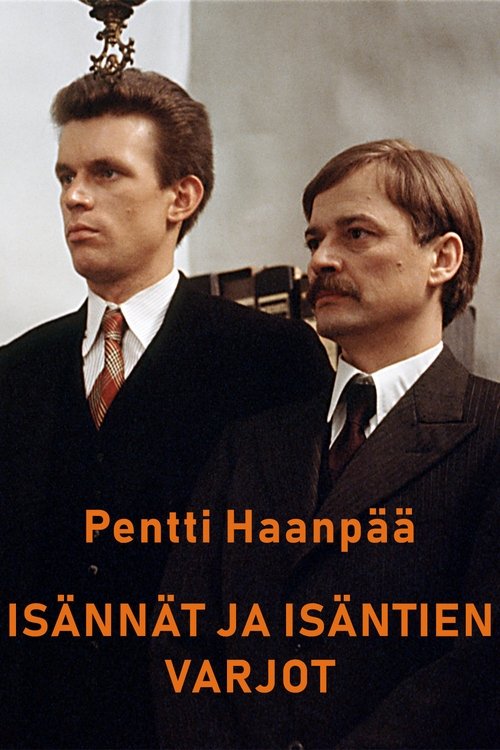
Time of depression in the 1930s. "Poverty and abundant wealth have simultaneously filled the earth's circle. The peasant's cornerstones are moving." Iso Herneinen's mistress is dead and grief lives in Jopi's heart. Jopi's grown-up boys are hardly happy. The eldest boy fell in love with the house maid. The middle one is, according to Jopi, a strange modern product. The youngest does not enjoy working or working at home. The three-part TV series tells about the peasant's collapse in years of depression.
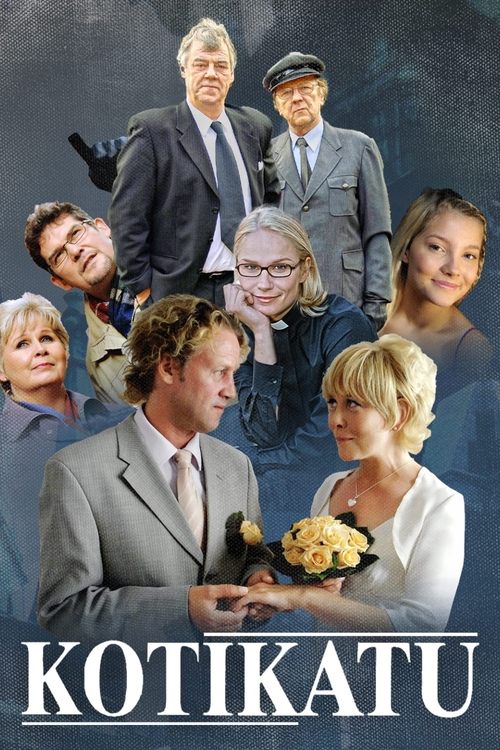
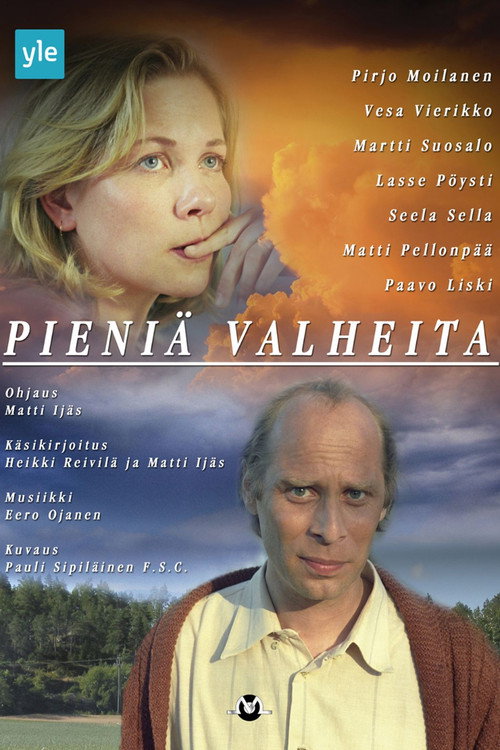
The relationship between a priest's wife and the renovator crackles with passion. While the rectory terrace is being restored, there is a triangular drama at the fore: a priest, a priest’s wife and a renovator.
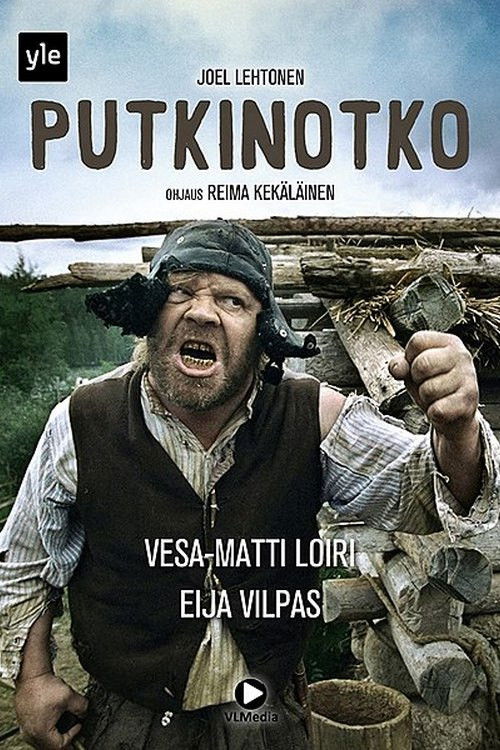
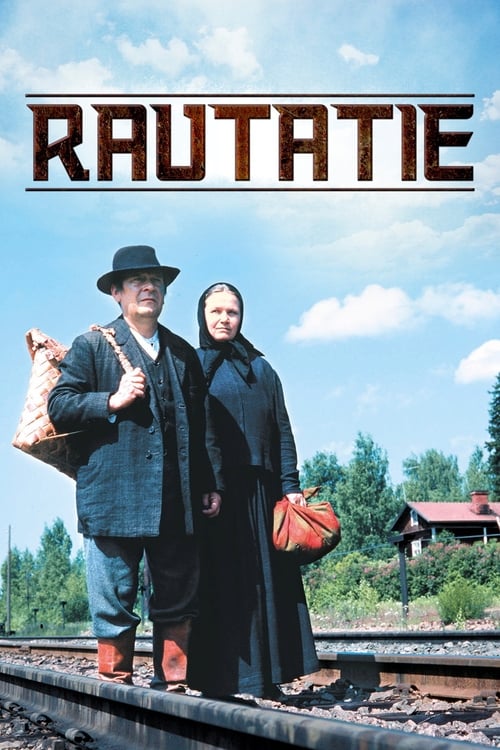
Matti and Liisa are two farmers who become curious to see the first railroads in Lapinlahti, Finland.
Spanish poet Federico GarcĂa Lorca is condemned to death by Captain Nestares after an absurd interrogation that serves to make it clear to the people that the Spanish Civil War is a war of ideas, and that there is no place for individuals like Lorca in Spain.
Tiina, who works at a hamburger bar, responds to a newspaper ad placed by a middle-aged man. She agrees to become the object of the florist's passions in exchange for money. When Pera, a man of the same age, enters Tiina's life, the situation becomes complicated.
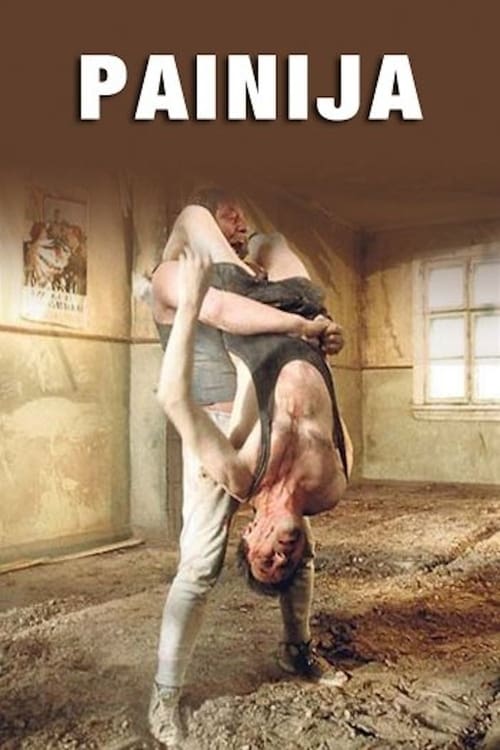
An ageing wrestler and circus strongman is put in an institution located somewhere in a world of its own.
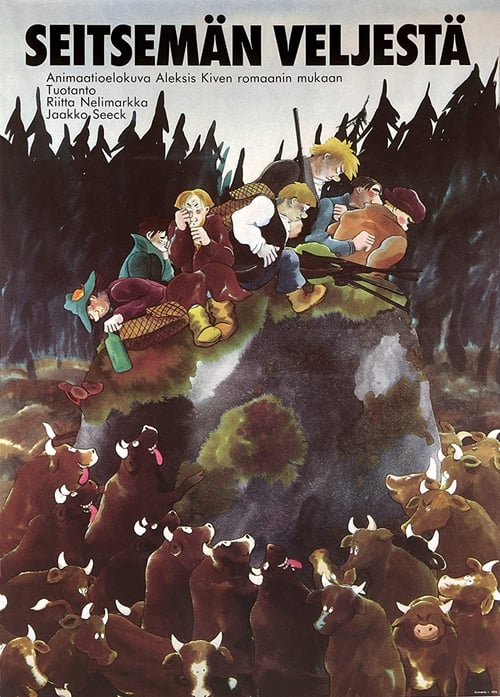
The story of the seven Jukola brothers in 19th century Finland.
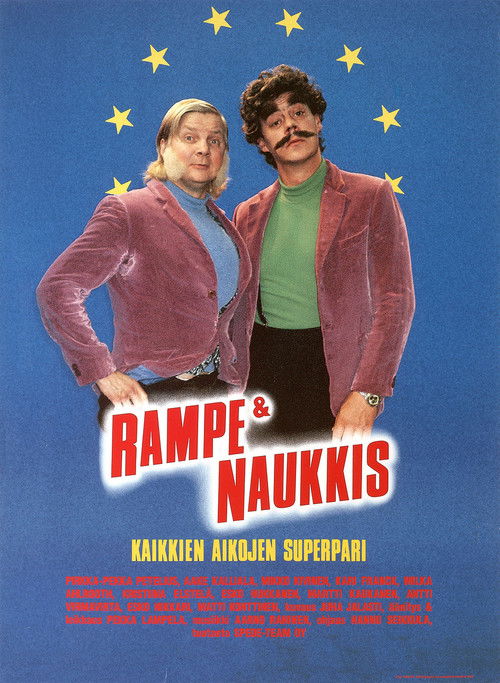
The musical characters Rampe and Naukkis became popular from the TV series Hymyhuulet and Pulttibois, where they told jokes to each other in the cleaning closet during breaks. In reality, the characters only appeared in the Pulttibois series.
Lapinlahden linnut
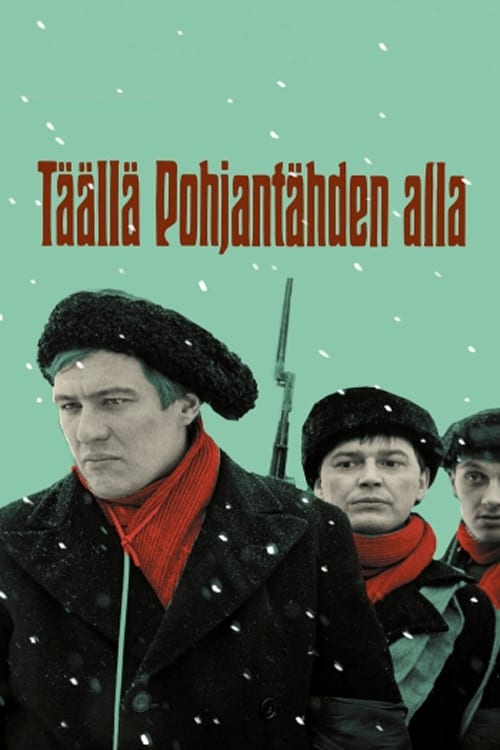
Täällä Pohjantähden alla is based on the book with the same title. It is a story of the little village. The movie starts in the 1890's and it ends to the Finnish civil war in 1918. Story concentrates around a tenant farmer family, although it gives us a good look at the society at whole. While the class struggle depends, people of the village are driven to bloody civil war.
TV play about the legend of Lalli.
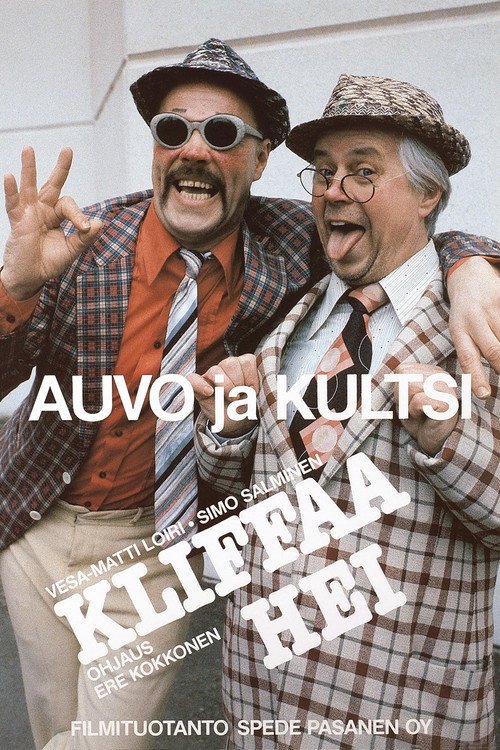
The film is based on characters from the Mänttien TV-asema sketches featured on the Spede Show.
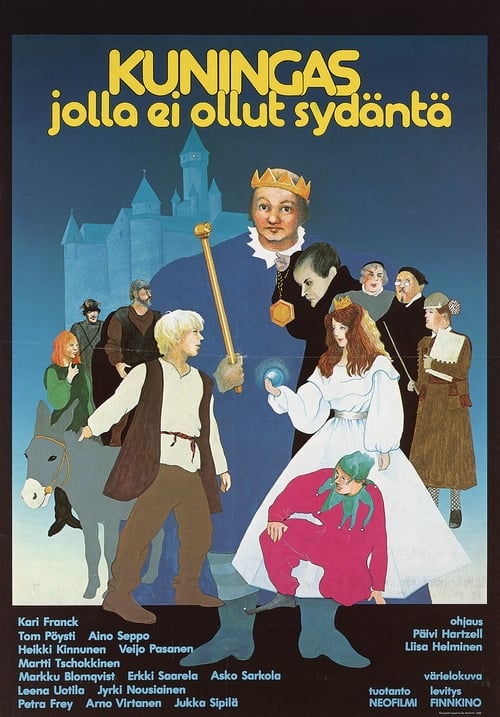
The King Without a Heart is a fairytale about of a happy king who has a young daughter and a lovely wife. After the sudden death of his wife, the king becomes so sad that he wants his heart taken out of his chest. The kingdom is turned into an effective society based on reason, and there is no longer place for emotions. When she grows up, the princess tries to make her father see the importance of play and emotions.
A movie about summer, youth, the difficulty of love, and a camping trip to the countryside by four young people from Helsinki.