
Rogério Sganzerla
Directing
Biography
Rogério Sganzerla (1946 — 2004) was a Brazilian filmmaker and one of the main names of the Cinema de Invenção (or Cinema Marginal) underground movement. Influenced by Orson Welles, Jean-Luc Godard, and José Mojica Marins, Sganzerla often used clichés from film noir and pornochanchadas. Irony, narrative subversion and collage were trademarks of his film aesthetics. Sganzerla was born in Joaçaba, in the state of Santa Catarina, but moved with his family to São Paulo at a very young age, living there for most of his life. During the 1960s he wrote for the newspaper "O Estado de S. Paulo" ("The State of S. Paulo") as film critic, quickly being recognised as a young talent. In 1967, Sganzerla directed his first short film, "Documentário" ("Documentary"), winning an award at the JB-Mesbla 16mm Festival. "Documentário" was quickly followed up by his first feature-length film in 1968, "O Bandido da Luz Vermelha" ("The Red Light Bandit"), which became a landmark for the movement known as Cinema de Invenção or Cinema Marginal and is still Sganzerla's most well-known film. In 1970, he founded the "Bel-Air Filmes" production company along with fellow Cinema de Invenção filmmaker Júlio Bressane. Headed by Sganzerla, the company produced his films "Copacabana Mon Amour", "Carnaval na Lama" and "Sem Essa, Aranha" and Bressane's "A Família do Barulho", "Barão Olavo, o Horrível" and "Cuidado, Madame", all shot in Brazil during four months of 1970 and edited abroad, in England, when both Sganzerla and Bressane were banished from their home country by the then rulling military dictatorship. While in exile, both Sganzerla and Bressane continued to shoot new films. Sganzerla's personal obsessions, such as director Orson Welles (and his infamous visit to Brazil) and musicians Noel Rosa and Jimi Hendrix, appear in many of his films, going as far as being the main subject in some of them. In 1985, Sganzerla directed the docufiction "Nem Tudo É Verdade" ("It's Not All True") about Orson Welles' arrival in Brazil to film his unfinished documentary "It's All True". Sganzerla died in 2004, of a brain tumor, shortly after finishing his last film "O Signo do Caos" ("The Sign of Chaos"). Description above from the Wikipedia article Rogério Sganzerla licensed under CC-BY-SA, full list of contributors on Wikipedia.
Known For
No description available.
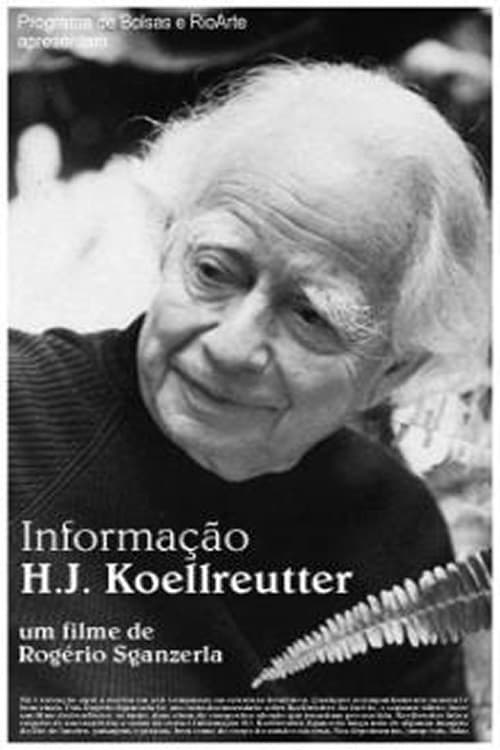
Informação H. J. Koellreutter
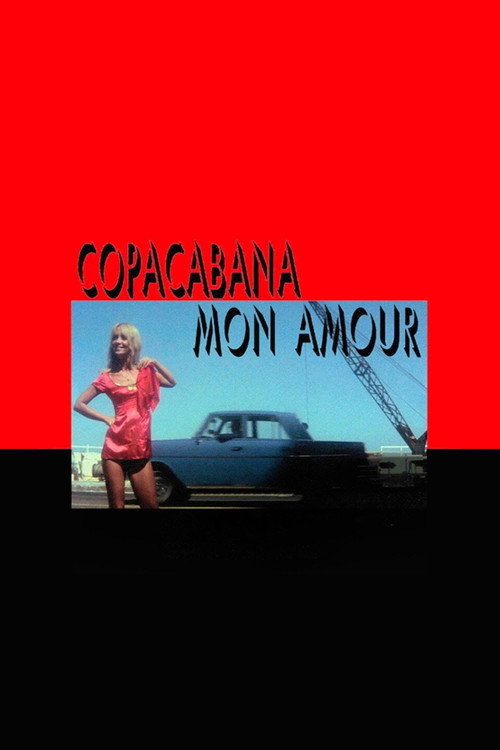
Sônia and her homosexual brother are both believed by their mother to be possessed by the devil. She works as a prostitute in the streets of Copacabana and he’s a servant who falls madly in love with his employer.
Copacabana Mon Amour

Collective film with five segments around the works and life of brazilian writer Oswald de Andrade.
Oswaldianas
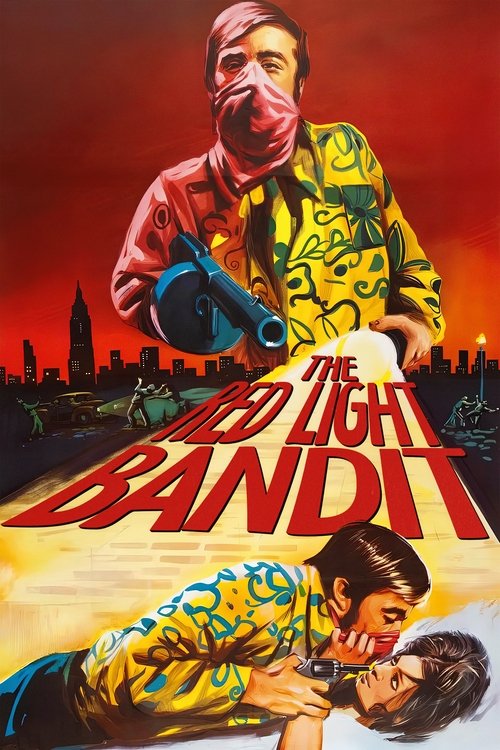
Born and raised in the misery of Brazilian slums, Jorge becomes a luxury house burglar in São Paulo and gets nicknamed "The Red Light Bandit" by the sensationalist press. In addition to wearing a red flashlight, he talks to his hostages in an irreverent tone and makes bold breakthroughs to later spend the money extravagantly. His world is the decadent neighbourhood of Boca do Lixo.
The Red Light Bandit
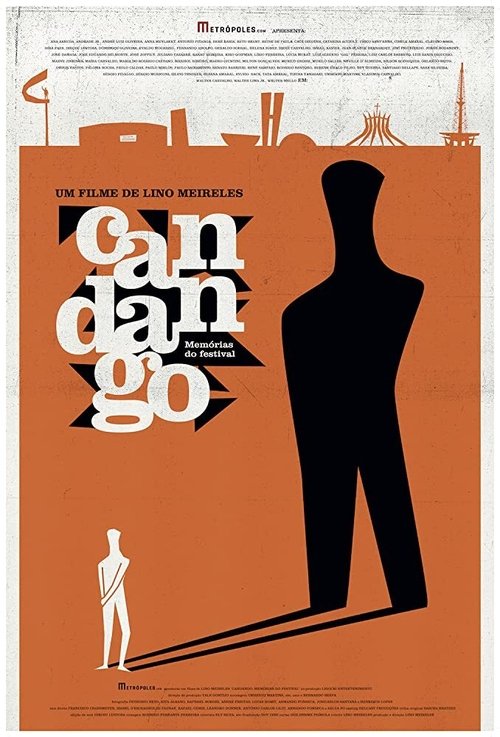
In 1965, a year after the military coup in Brazil, an oasis of freedom opened in the country's capital. The Brasília Film Festival: a landmark of cultural and political resistance. Its story is that of Brazilian cinema itself.
Candango: Memoirs from a Festival
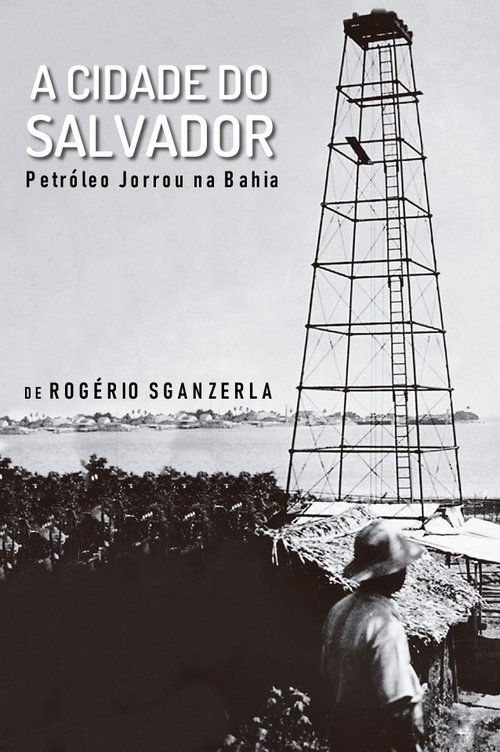
Documentary about power and class relations in the sociocultural context of Bahia, considering the history of oil extraction in the state.
A Cidade do Salvador (Petróleo Jorrou na Bahia)

Two years of research and visits to collections, cinematheques and museums; almost seventy interviews that generated 30 hours of recorded material; more than two hundred scanned photos and more than one hundred films watched. In total, more than a thousand hours of work were needed to prepare Brazilian Cinema in the 20th Century. The work is a fascinating journey through all the cinematic cycles that Brazil lived, from the pioneering Belle Époque, through the great studios like Atlântica and Cinédia, Cinema Novo, the urban comedies of the 70's, until the resumption in the late 90's. The documentary is unique, it gives the floor to who really wrote and lived this story intensely.
Brazilian Cinema in the 20th Century
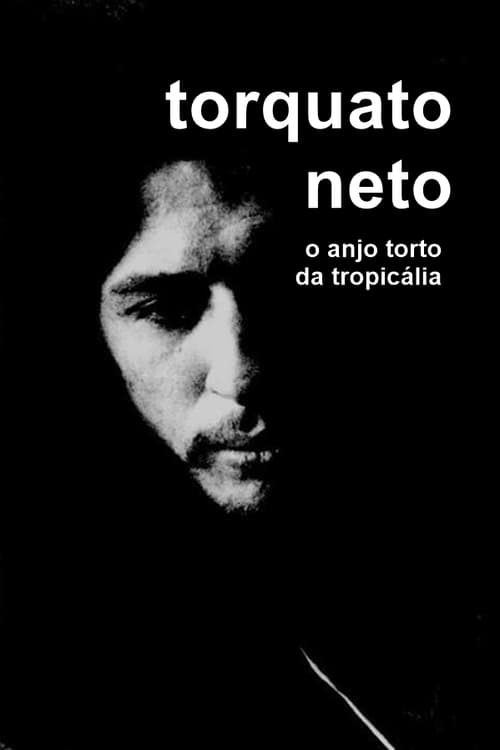
A documentary chronicling the life and works of Brazilian poet, songwriter, journalist and avant-garde filmmaker Torquato Neto, from his beginnings to his suicide at the age of 28.
Torquato Neto, O Anjo Torto da Tropicália
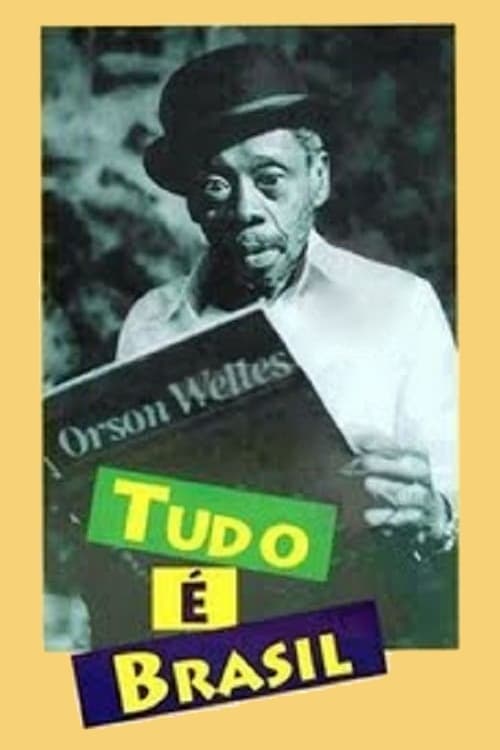
A film essay about Brazil discovered through Orson Welles' eyes during the shooting of It's All True.
It's All Brazil

Spider, a banker, lives with three women. This tycoon is a caricature of Brazil's bourgeoisie, his trajectory is the starting point for an essay on the mental underdevelopment of Brazilian elites, in which black humor sets the tone for sharp criticism.
No Way, Spider
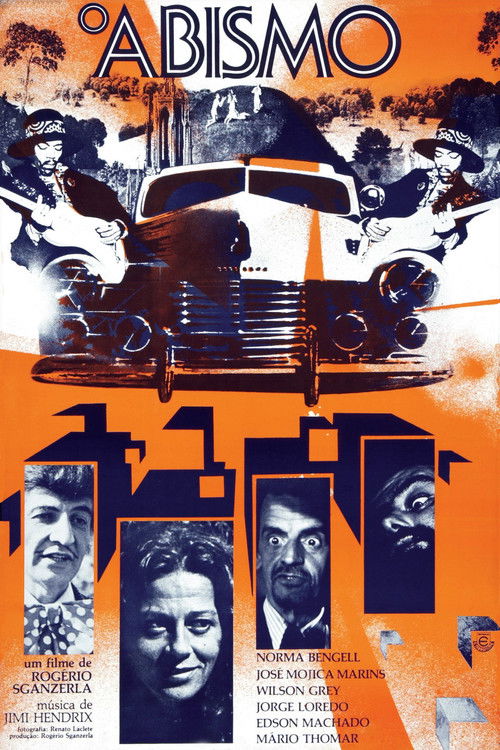
Man tries to decipher a manuscript about an ancient civilization and gets involved in strange situations. In fact, the plot is just an excuse to tackle the subjects of mysticism and human condition.
The Abyss

A dysfunctional family, composed of a prostitute and two gay men, one strong and the other fragile and stupid, lives a routine life in Rio de Janeiro. When the slut threatens the other two to stop supporting them, they decide to find an odalisque as an alternative to keep their easy life.
The Hullabaloo Family
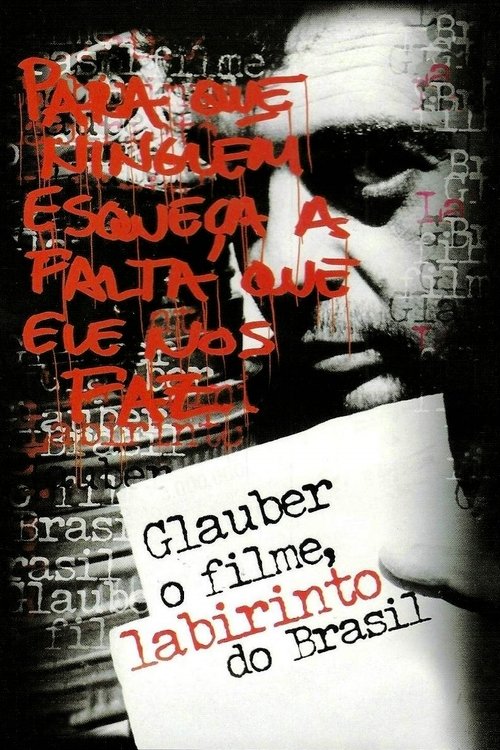
Documentary about Brazilian filmmaker Glauber Rocha, one of the most important names in the Cinema Novo, with interviews with some of his friends and colleagues.
Glauber Rocha - The Movie, Brazil's Labyrinth

For this behemoth, Bressane took his opera omnia and edited it in an order that first adheres to historical chronology but soon starts to move backwards and forward. The various pasts – the 60s, the 80s, the 2000s – comment on each other in a way that sheds light on Bressane’s themes and obsessions, which become increasingly apparent and finally, a whole idea of cinema reveals itself to the curious and patient viewer. Will Bressane, from now on, rework The Long Voyage of the Yellow Bus when he makes another film? Is this his latest beginning? Why not, for the eternally young master maverick seems to embark on a maiden voyage with each and every new film!
The Long Voyage of the Yellow Bus
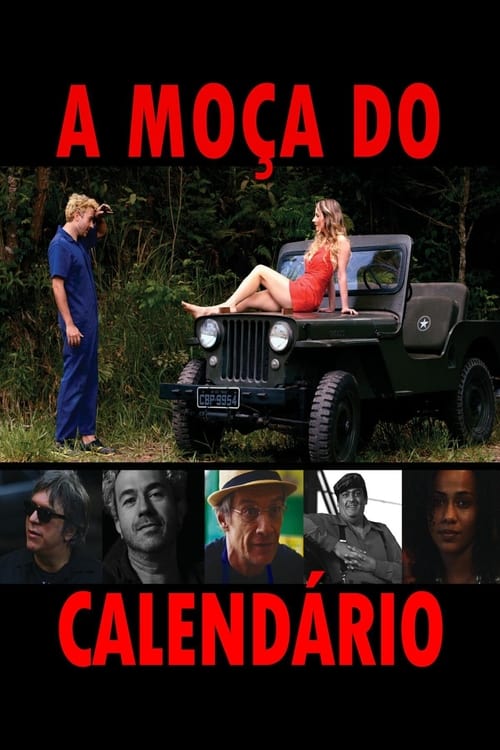
A film in which dream and reality intertwine, A Moça do Calendário tells the story of inácio, 40, married, without a permanent job. Ex-street sweeper, he works as a mechanic at Barato da Pesada, where he dreams of the calendar girl.
My Calendar Girl

Two maids decide to rebel against the society that oppresses them and start murdering their own mistresses.
Watch Out, Madame
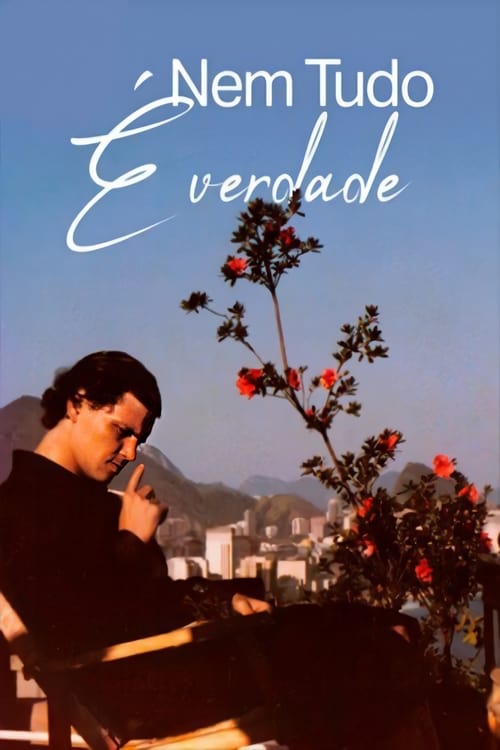
Orson Welles goes to Brazil to shoot his documentary It's All True.
It's Not All True
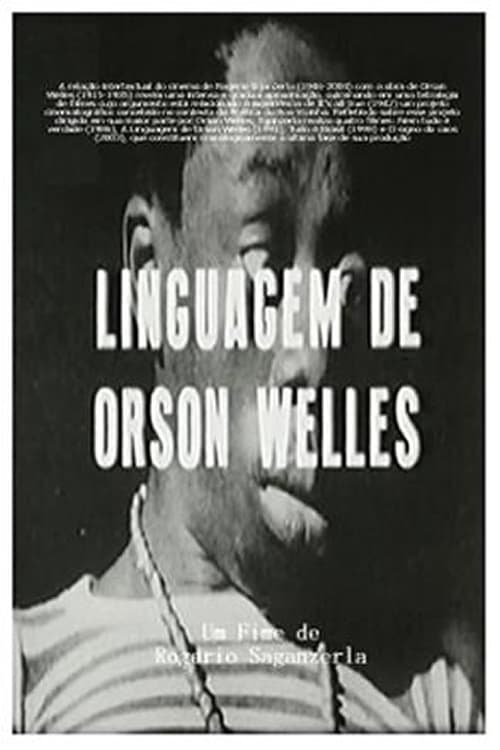
Orson Welles acted in Brazilian culture and music by deeply researching Brazil's historical geology, consciously completing a legendary cultural mission. Although being turned down by Hollywood producers, he developed a triumphantly accomplished mission in the language domain - three friends of Welles' testified his love for cinema, his passion for Brazilian music and people and his obstinate endurance against formidable pressures coming from inside and outside Hollywood regarding his unfinished "It's All True".
Welles' Language
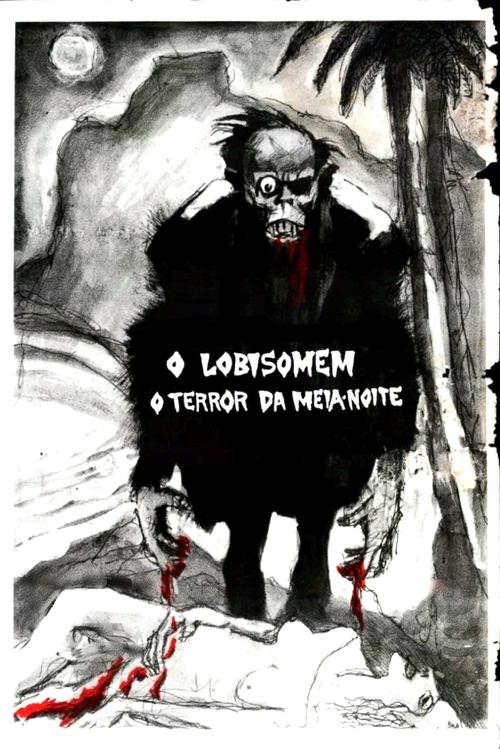
A millionaire lives in a sinister cottage where strange events unfold. A damned creature, he transforms himself in a werewolf and leads a following whose adepts spread horror and despair in the neighboring city, becoming themselves a clan of assassins. One day, the werewolf confronts Branca Justiça (White Justice), who summons benign forces to scathe them and frees him of his own wickedness.
The Werewolf: A Midnight Terror
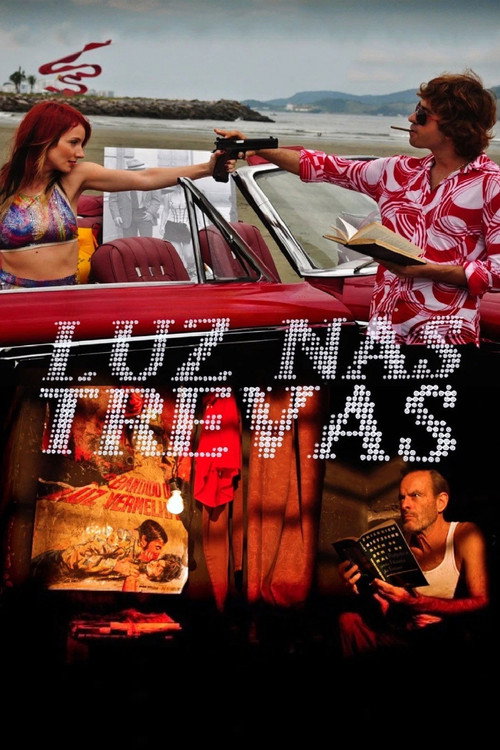
Jorge, bastard child of the infamous Red Light Bandit, decides himself to pursuit a life of crime after meeting with his father, who has been incarcerated for the last 30 years.