
Jean-Claude Rousseau
Directing
Biography
Jean-Claude Rousseau is one of the most unconventional lone fighters in French cinema. His predominantly short films deal with no less than cinema per se: space, time and movement. As abstract as each of these concepts might seem taken alone, Rousseau assigns their ultimate designation as an integral whole: A person (or no-one, for that matter) moves (or does not move) within a room (or looks into another room) for a certain amount of time.
Known For

No description available.
Une vue sur l'autre rive

As the orchestra choir settles into the church choir, the trombonist blows into his instrument as a warm-up. Mozart's name appears at the top of the score to be performed, whose title is also that of the film: Requiem.
Requiem
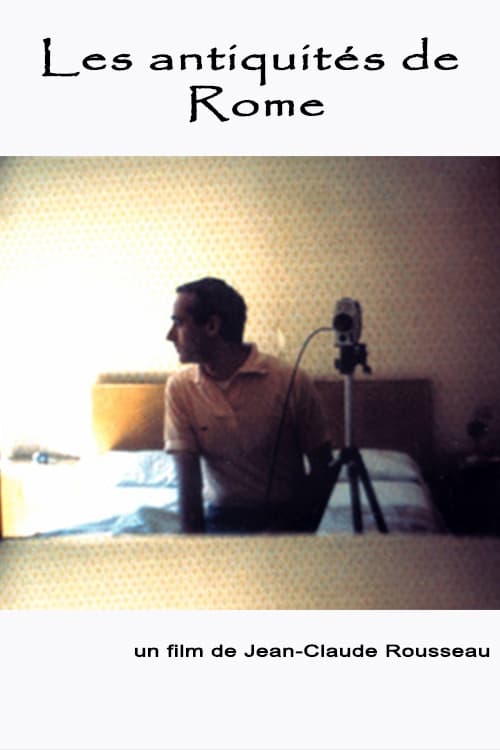
A structuralist work composed of static, long-duration shots of Roman ruins and architectural details, all filmed on Super 8. The film operates without a traditional narrative or dialogue, relying on fixed compositions to document the interplay of light and shadow across ancient stone. By framing monuments through windows and doorways, Jean-Claude Rousseau explores the relationship between historical space and the act of observation.
The Antiquities of Rome
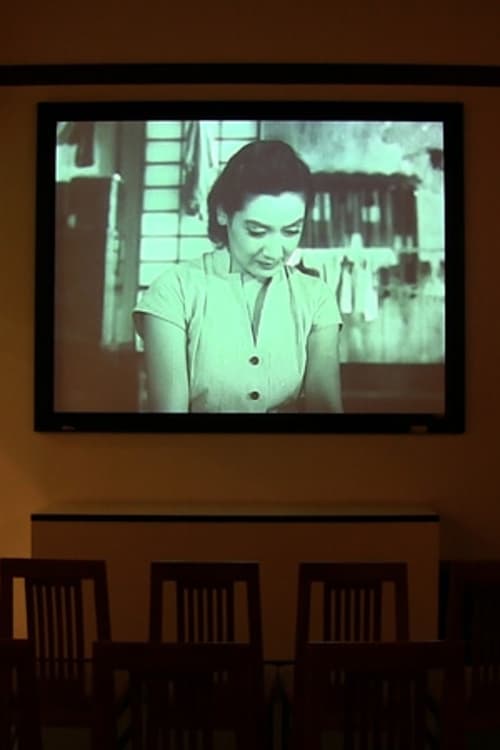
A journey to Kyoto. From the temple’s highest terrace visitors have a view of the city in the distance, under the changing sky.
So Far, So Close
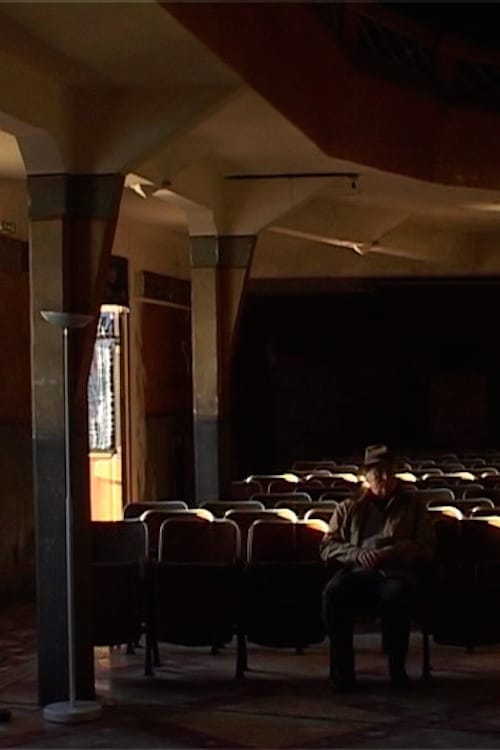
Jean-Claude Rousseau is a filmmaker who believes in the natural power of images. The rigid compositions create something like a pure state, which constantly changes during the period of its viewing – like an empty and simultaneously detail-packed field. During this period the viewer is challenged to find and occupy his own position, to find his perspective in a similar way the filmmaker has found his in several places. Festival combines places the artist has visited during the last few years. Jean-Claude Rousseau’s films not only make beautiful discoveries, they are beautiful discoveries.
Festival
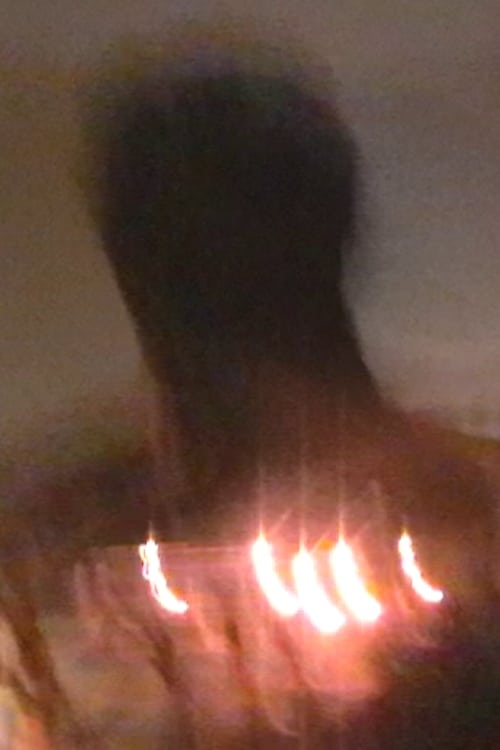
In a darkened room a dark figure holding numerous flickering candles walks towards the camera. The single frame, however, keeps the secret of the scene to itself.
Pas cette nuit
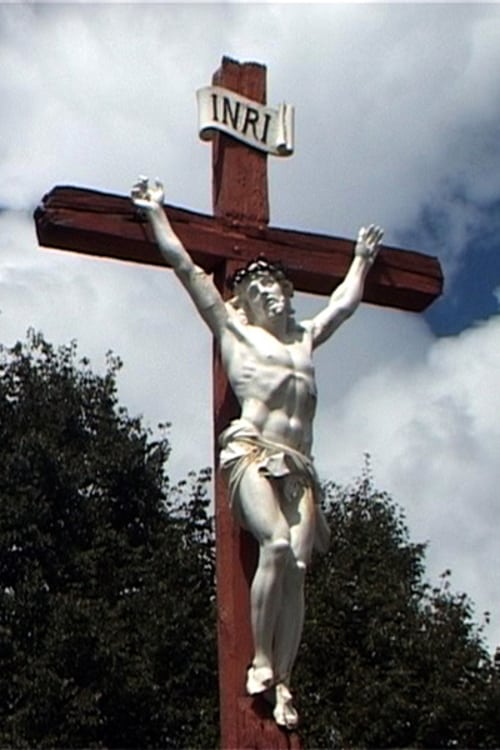
At first glance, Jean-Claude Rousseau’s films seem like quickly outlined sketches. They are snapshots of various situations and locations, as in this program of nine miniatures, shot in hotel rooms and parks, at the shore of a lake, and – in the longest contribution – on a restaurant terrace. Rousseau’s observations of everyday life, however, are about precision rather than contemplation. With each minute that passes, they sharpen the view of the observant and expectant outsider for a moment of surprise – be it a jump into the water or a huge crucifix.
Passion
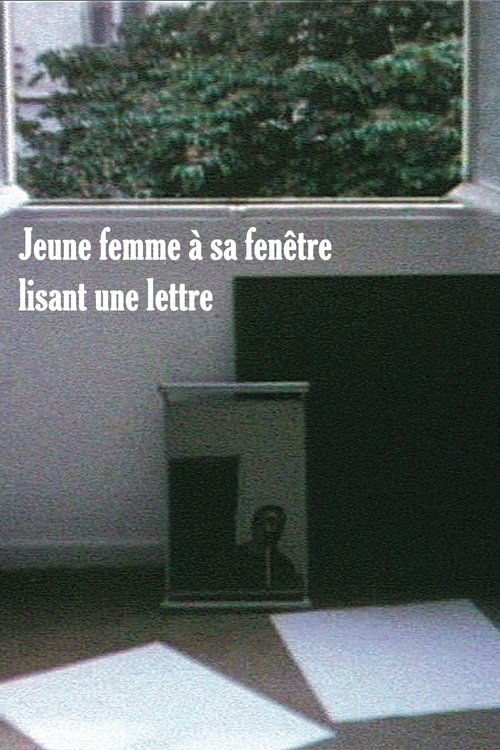
Jean-Claude Rousseau's Jeune femme à sa fenêtre lisant une lettre is not only his first medium-length film, but a chance to discover this filmmaker whom Jean-Marie Straub has called, along with Frans Van de Staak and Peter Nestler, the greatest working in Europe. With this newly restored print there is also a possibility to discover the relationship between Rousseau's art of filming and Jan Vermeer's famous painting. As Prosper Hillairet wrote in 1988, four years after Rousseau had finished Jeune femme ... (for the first time as we know today): «Without adopting the usual systematic spirit and form of cinéma structurel, Rousseau presents us with simple images and leaves it at that. Keeps the image in hand. A minimalist and ascetic expression of cinema: a shot that lasts.»
Jeune femme à sa fenêtre lisant une lettre
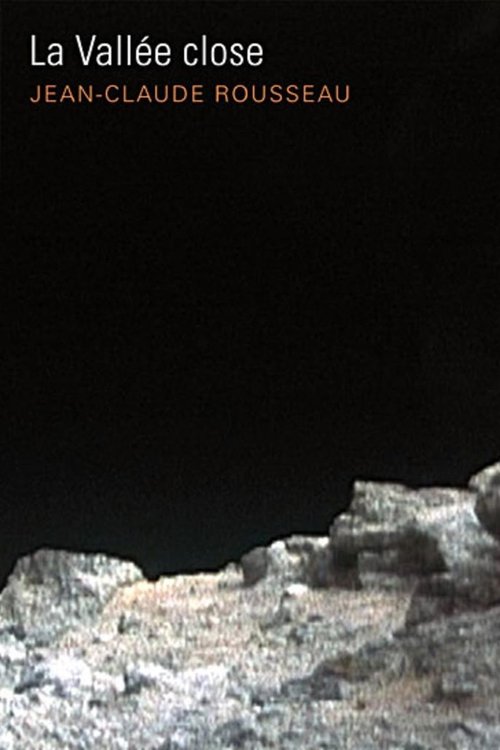
My films are like that: in a room, but looking out onto an open sky. [...] I can’t really say it except to repeat that Bresson note, ‘that without a thing changing, everything is different.’ The film exists. The fiction is set up, and we believe in it. The justness of the agreement leads us to believe it, because everything plays equally at being a sign. That’s the arrangement of the elements. It’s an act of faith. La vallée close is just this: elements treated above all as if in a documentary that, without being changed, portray the story and reveal between them the elements of fiction. But above all seen as they are, insignificant. And then in the relations they set up, they can satisfy our desire for a story. -- Rousseau
The Enclosed Valley
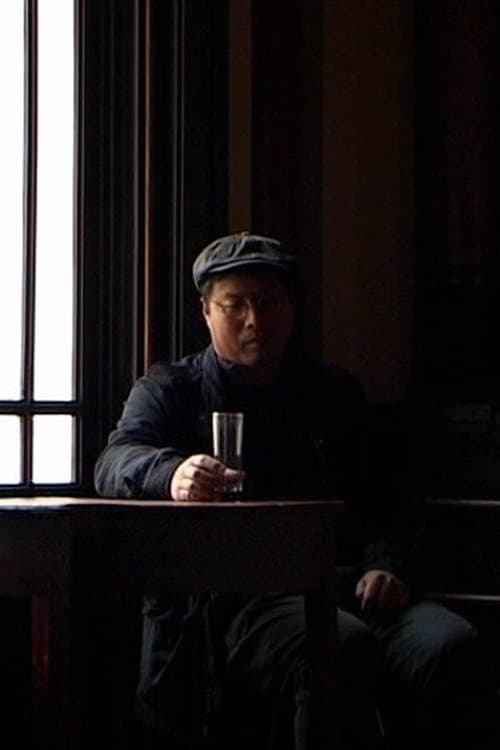
“My eyes are imprisoned/ Weeping with great longing”. Soèdade (saudade) — “longing” or “yearning” — is a Portuguese word that does not have a precise translation in English. It has been described as a “…vague and constant desire for something that does not and probably cannot exist…”
Saudade
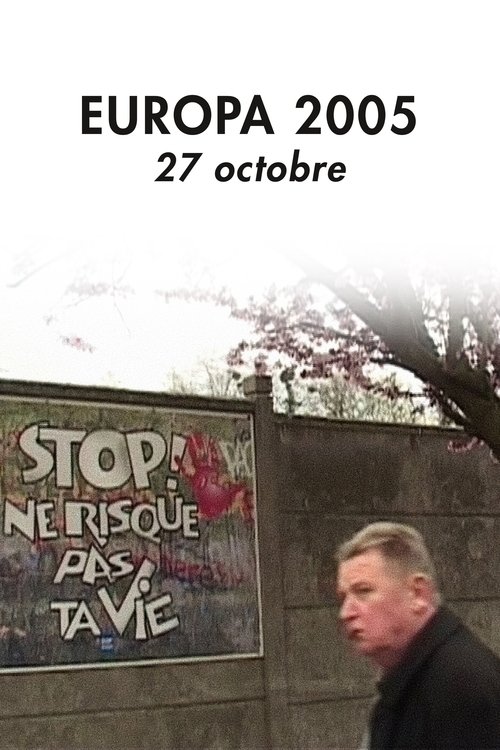
Inspired by Rossellini's Europa '51 Straub-Huillet made a film consisting of two pans of a street corner in Paris.
Europa 2005 – 27 octobre
No description available.
Twice Around the World
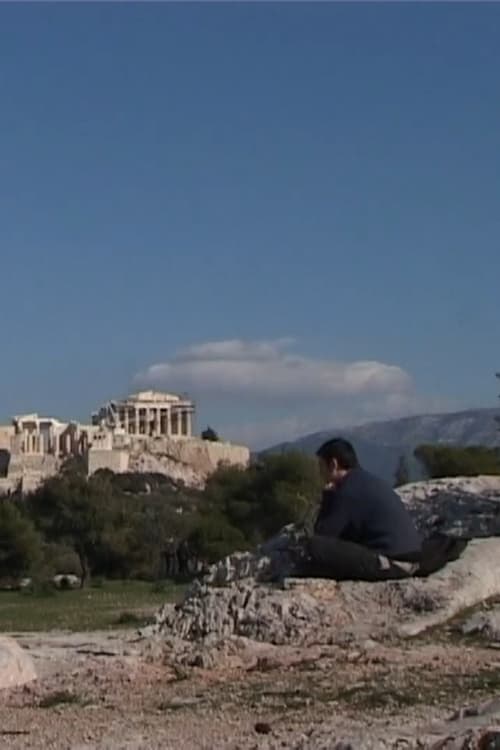
"He came to read. He opened two or three books; historians and poets. But he barely read for ten minutes before giving it up." C. Cavafy
Souvenir d'Athènes
No description available.
Attic
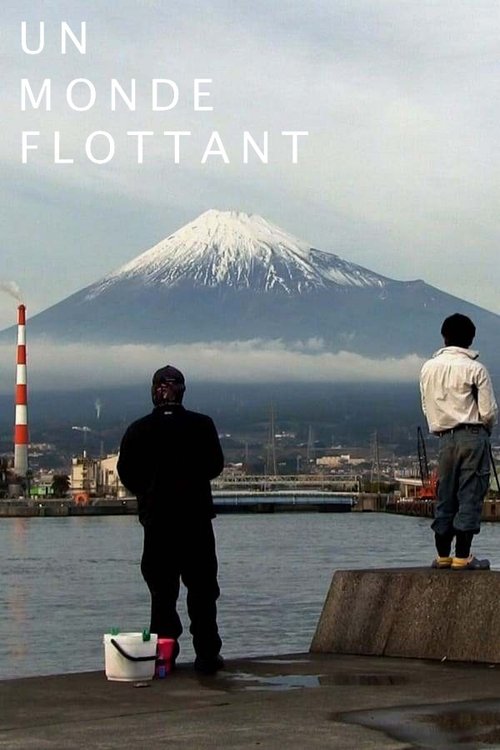
Between rain and clearer spells, in the footsteps of Ozu in today’s Japan, people met, wordless encounters… Also some seismic events, a trembling of the ground which does not interrupt the course of the film. And just for the sake of a story: a forgotten umbrella in a hotel room.
A Floating World

A double bed with untouched sheets. A man is sitting in the room, hat and coat placed next to him. He is waiting. He gets up and walks into an adjoining room. Background sounds turn into voices emerging from the next room, with the places steadily getting closer to each other. The man's waiting is directly communicated to the viewers. It's a waiting for the next discovery, which needs no looking for, because it can be made anywhere.
Non rendu

At first glance, Jean-Claude Rousseau’s films seem like quickly outlined sketches. They are snapshots of various situations and locations, as in this program of nine miniatures, shot in hotel rooms and parks, at the shore of a lake, and – in the longest contribution – on a restaurant terrace. Rousseau’s observations of everyday life, however, are about precision rather than contemplation. With each minute that passes, they sharpen the view of the observant and expectant outsider for a moment of surprise – be it a jump into the water or a huge crucifix.
Partage des Eaux
A man is waiting in a hotel.
False Start
No description available.
Last Breath
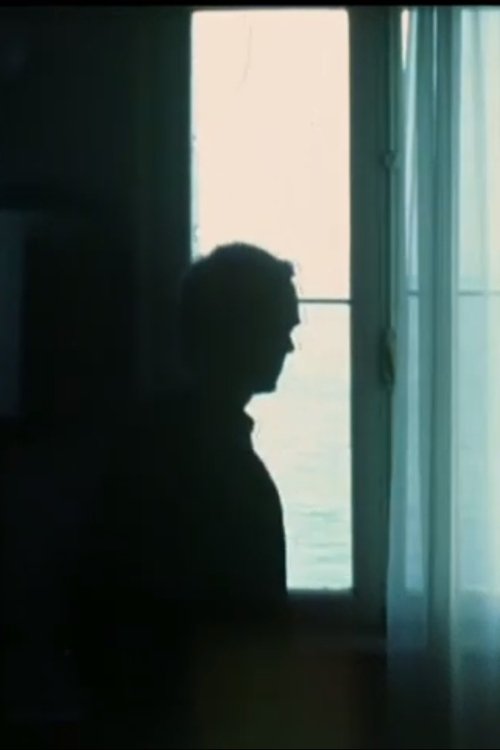
"if he leaned out the window, if he did that movement, if he risked to fall or to drop the camera, if he leaned to fall, then he would see and it would be seen, through the doorway, inhabited islands, churches and palaces where the boats dock. "