Misao Seki
Acting
Known For

A man takes a job at an asylum with hopes of freeing his imprisoned wife.
A Page of Madness
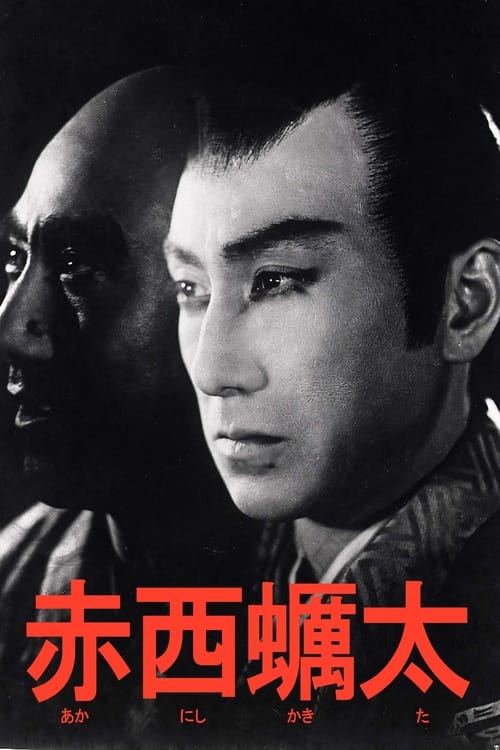
A samurai is ordered by his lord to go to Edo and investigate the truth behind the rumor of a rebellion against him.
The Letter
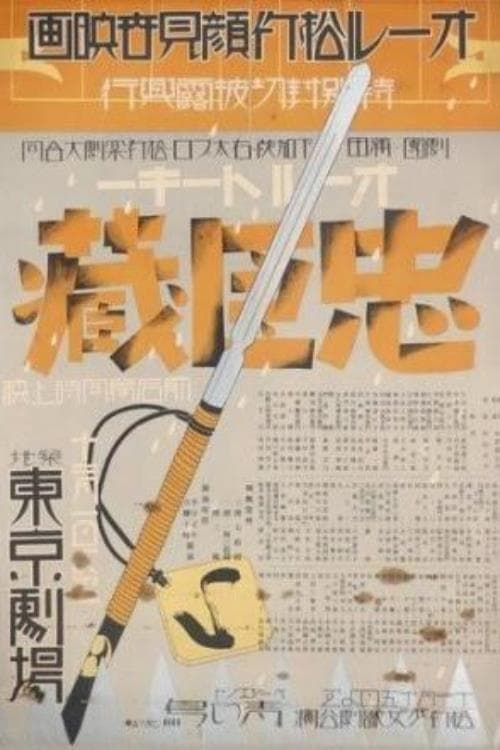
This 1932 adaptation is the earliest sound version of the ever-popular and much-filmed Chushingura story of the loyal 47 retainers who avenged their feudal lord after he was obliged to commit hara-kiri due to the machinations of a villainous courtier. As the first sound version of the classic narrative, the film was something of an event, and employed a stellar cast, who give a roster of memorable performances. Director Teinosuke Kinugasa was primarily a specialist in jidai-geki (period films), such as the internationally celebrated Gate of Hell (Jigokumon, 1953), and although he is now most famous as the maker of the avant-garde silent films A Page of Madness (Kurutta ichipeji, 1926) and Crossroads (Jujiro, 1928), Chushingura is in fact more typical of his output than those experimental works. The film ranked third in that year’s Kinema Junpo critics’ poll, and Joseph Anderson and Donald Richie noted that 'not only the sound but the quick cutting was admired by many critics.
The Loyal 47 Ronin
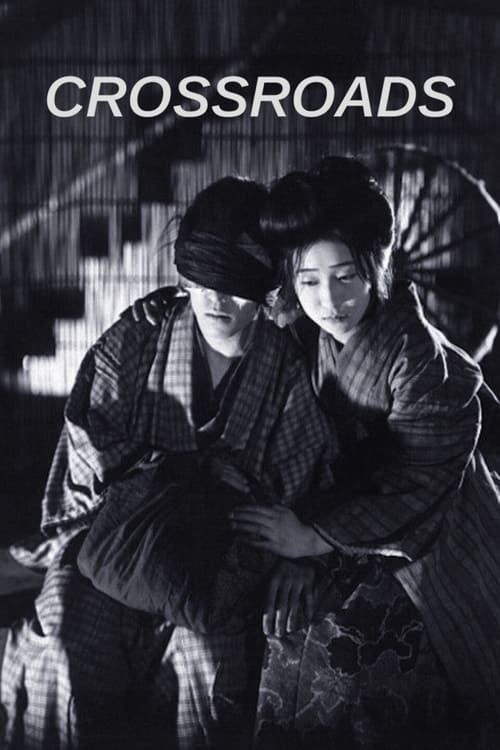
After falling in love with a courtesan, Rikiya is blinded by ash during a fight in a brothel. Believing the blindness permanent and his opponent dead, Rikiya goes back home to his sister. Okiku, desperate to protect her brother who thinks himself a murderer, wants to sacrifice herself for him and become a prostitute to pay for Rikiya's treatment.
Crossroads
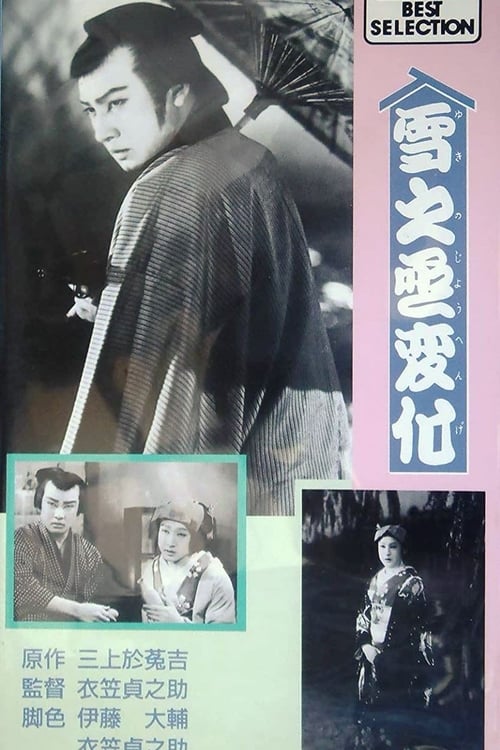
An onnagata (female impersonator) of a Kabuki troupe avenges his parents' deaths. Remade in 1963 as Yukinojô Henge.
An Actor's Revenge
No description available.
Yukinojō henge, Kanketsu-hen
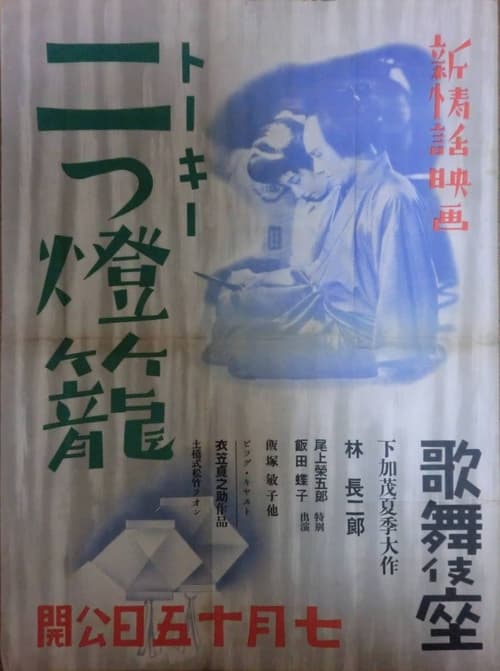
A mournful masterpiece by Kinugasa Teinosuke
Two Lanterns
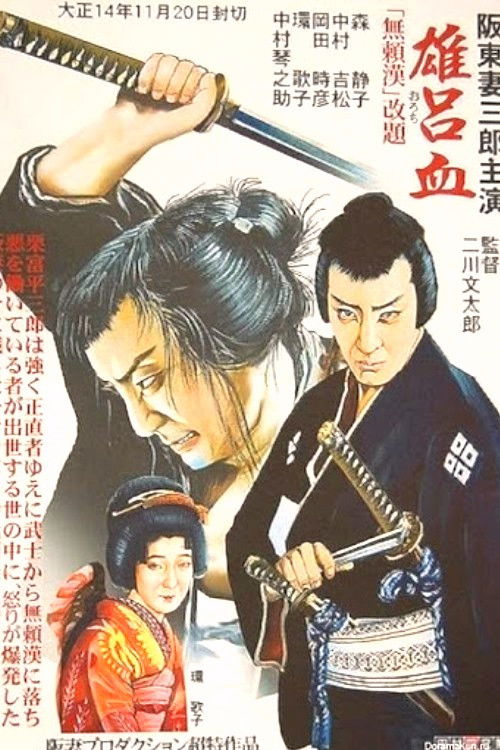
This is the story of a samurai who falls on hard times due to misunderstandings and follows the plots of his enemies.
Serpent
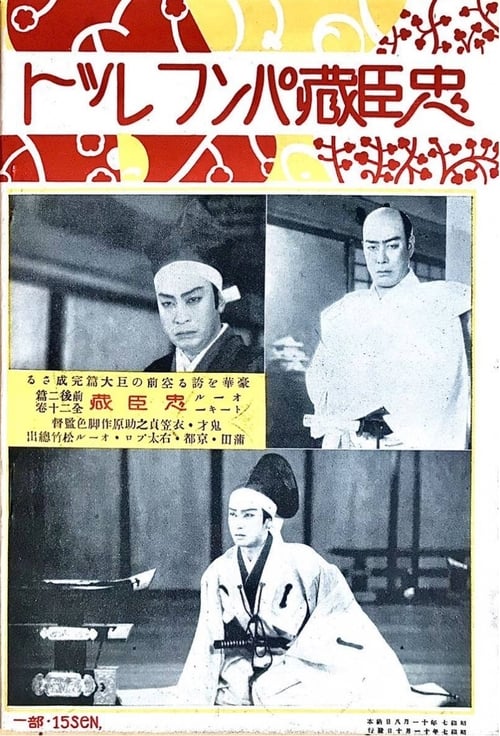
No description available.
Chûshingura - Zempen: Akahokyô no maki
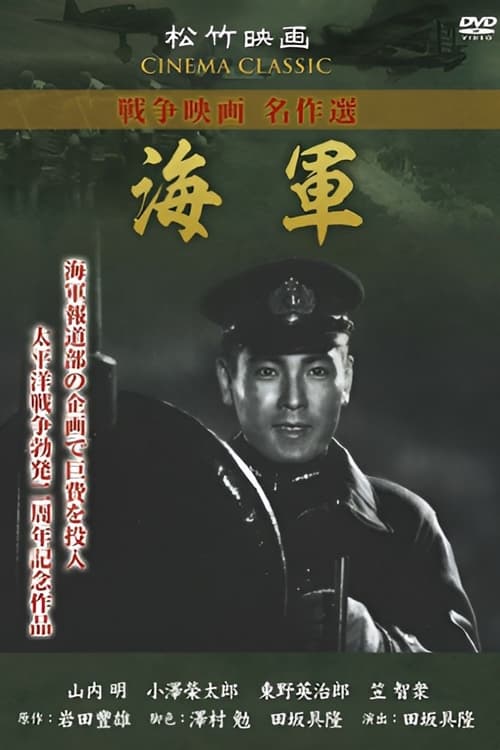
Japanese war film.
Navy
Bored Hatamoto film #6
Bored Hatamoto on the Nakasendo
A 1930 silent film from director Eichi Koishi, following the adventures of Edo firefighter Sanji.
Nogitsune Sanji
Japanese horror movie from 1929.
Yôma kitan
First film adaptation of the kabuki play Benten Kozo, about a thief who steals from the rich and gives to the poor...
Benten kozo
Bored Hatamoto film #7
Bored Hatamoto Judges 100,000-koku
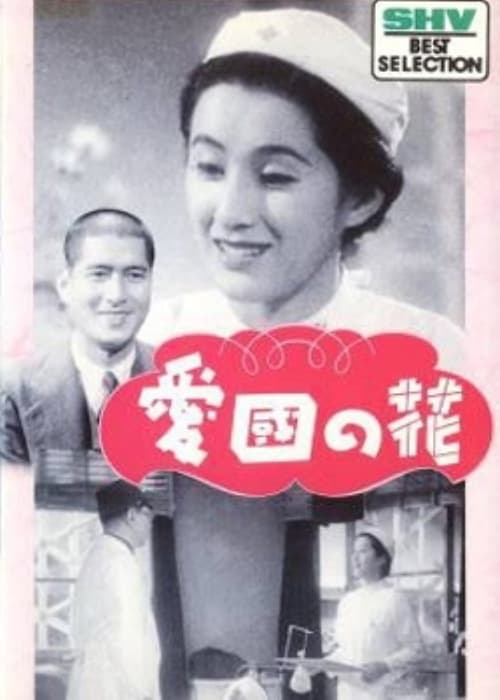
A nurse's tale of self-sacrifice during wartime. The title is borrowed from a patriotic song made popular by singer Hamako Watanabe during the Second Sino-Japanese War.
Flowers of Patriotism

Thinking it is a worthless trinket, Dorothy trades her husband’s prized Aztec idol to a street peddler in exchange for a beautiful silk shawl. She soon discovers the idol is actually an extremely valuable artifact. Desperate to retrieve it before her husband notices, she learns that it has already been purchased by their neighbor, an artist named Cambridge. Dorothy enters Cambridge’s apartment to recover the idol secretly. Her efforts lead to a series of comedic misunderstandings and frantic situations as she tries to protect her marriage and her husband's property.
The Outside Woman
No description available.
Daikatsugeki Sôtô
The doomed love story between a young courtesan and a samurai, in Kyoto.
Tôribêyama shinjû
Period film from 1934.