Carlos Alberto de Nóbrega
Acting
Biography
Carlos Alberto de Nóbrega (Niterói, March 12, 1936) is a Brazilian comedian, television presenter, screenwriter, producer, executive director, actor, writer and lawyer, son of the also comedian Manuel de Nóbrega. He was a screenwriter for comedy programs on TV Paulista, TV Rio and RecordTV. He wrote dozens of programs, including Família Trapo and A Praça da Alegria, in addition to being a writer for Os Trapalhões. Since 1987, he has presented the comedy program A Praça é Nossa, on SBT.
Known For

Os Trapalhões was a Brazilian comedy group and also a Brazilian television series created by Wilton Franco. Its members were Dedé Santana, Zacarias, Mussum and their leader Didi Mocó, that was played by Renato Aragão. The name Trapalhões is derived from the Portuguese verb atrapalhar, which means the opposite of helping, to do something the wrong way or to Those that confuse. The name is translated "Tramps" in English DVD subtitles. It was aired by Rede Globo from 1977 to 1999. On March 18, 1990, Zacarias died due to respiratory failure, but the group and the series didn't come to an end until July 29, 1994, when Mussum died due to an unsuccessful heart transplant.
The Trapalhões

No description available.
Que História é Essa, Porchat?

Lady Night

No description available.
Hebe

No description available.
Programa da Maisa

A Praça é Nossa is a Brazilian comedy show broadcast by SBT. It was created in 1956 by Manuel de Nóbrega, with the name of A Praça da Alegria. It is based using a simple and practical scenario: a bench in a square garden, where several characters pass through. It debuted on television in 1957 on channel TV Paulista, being led by its creator until the beginning of 1970s. Until then the attraction already shifted by TV Record and TV Rio. After a while off the air it was broadcast again at 1977-78 by Rede Globo, this time by Luís Carlos Miele. In 1987 the program was revived at Rede Bandeirantes with the title Praça Brasil, presented by Manuel's son Carlos Alberto de Nóbrega. After four episodes, Carlos Alberto moved to SBT, where he set up a new program with the same format: A Praça é Nossa. The comedy debuted in 7 May 1987. The show has remained on the air since its debut. Actor Clayton Silva was a series regular from 1987 until 2013.
A Praça é Nossa

The Press Awards, also known as the Troféu Imprensa, are presented annually by SBT, to honor the best Brazilian television productions, including telenovelas.
Press Awards

No description available.
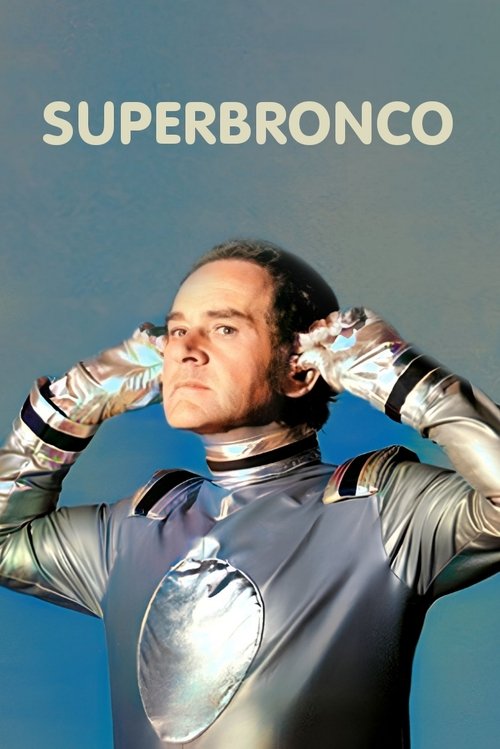
Super Bronco

No description available.
Chico Anysio: Um Homem à Procura de Um Personagem

A Escolinha do Golias was a Brazilian television program presented and produced by SBT between 1990 and 1997. Returned to be displayed by SBT in 2007, in the schedule of the El Chavo.
A Escolinha do Golias

After a notorious crook pressures four pals to organize a memorable wedding party for this daughter, they decide to go all in and open an agency.
Os Parças

Even with all the brutality in the Brazilian dictatorial period, many artists presented themselves as a resistance, using their talent and creativity as a way to trick the censorship.
What are you Laughing At? Humour and Dictatorship
No description available.
Mãos ao Ar

Paulinho Gogó narrates his stories on a park bench for different listeners, while waiting for the arrival of his beloved Nega Juju.
StoryJester

Two teenagers fall in love, but their feuding families and fate itself cause the relationship to end in tragedy.
A Verdadeira História de Romeu e Julieta

All was going well in Paulinho Gogó's life, until Nêga Juju, his beloved, leaves him. As the saying goes: bad luck in love, good luck in the game. Paulinho and his friends make fortunes through betting, yet he is not satisfied. Many twists and turns, Paulinho realizes that to be happy, he just needs to pursue his dream: play samba with his friends at his favorite bar, where he finds his new love.
Top Love

No description available.
Câmera, Close!

After the coup of 1964, the media conglomerate Diários Associados organized a campaign called "Gold for Brazil," exhorting the people to donate wealth to the military government. The symbol of the campaign was the wedding ring, sealing the union between the people and the State. The film picks up the trail of the millions collected, but never channeled back into society.
Golpe de Ouro

Two teenagers fall in love, but their feuding families and fate itself cause the relationship to end in tragedy.
Romeu e Julieta

No description available.