FEEL IT.STREAM
?

Kåre Bergstrøm

Directing

Biography

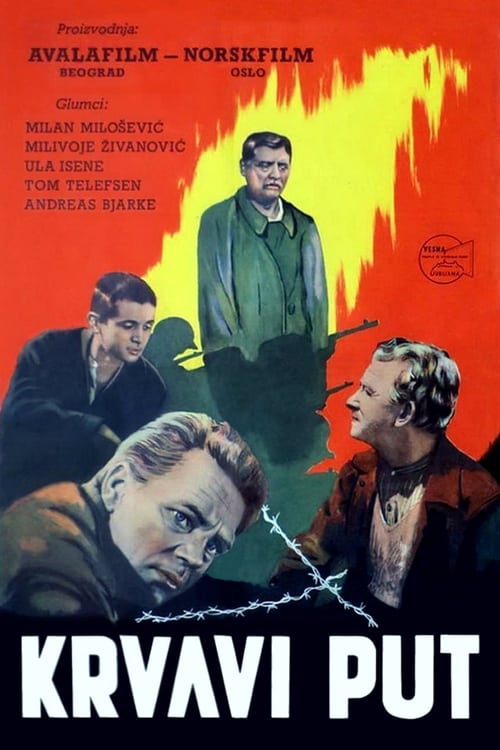
Kåre Bergstrøm (3 February 1911 – 24 June 1976) was a Swedish-born cinematographer and film director who settled in Norway. Bergstrøm was born in Värmland. He was assigned with the film production company Norsk Film from 1933, and eventually became took up cinematography. He was the cinematographer for Toralf Sandø's film Den forsvundne pølsemaker from 1941, Tancred Ibsen's film Den farlige leken from 1942, Rasmus Breistein's Trysil-Knut from 1942, and Alfred Maurstad's comedy En herre med bart from 1942. After World War II he was the cinematographer for Edith Carlmar's film debut Døden er et kjærtegn, and Ibsen's To mistenkelige personer, which was eventually denied a public showing after a judgement by the Supreme Court of Norway. His first film as director was the love story Andrine og Kjell from 1952. He further directed the comedy Det kunne vært deg (1952), the war documentary Blodveien (1955), about Yugoslav slave workers in Norway during World War II, the thriller Lake of the Dead (1958), based on a crime novel by André Bjerke, a biographical film about Hans Nielsen Hauge (1961), Klokker i måneskinn (1964), and the children's film Bjurra (1970).

Known For

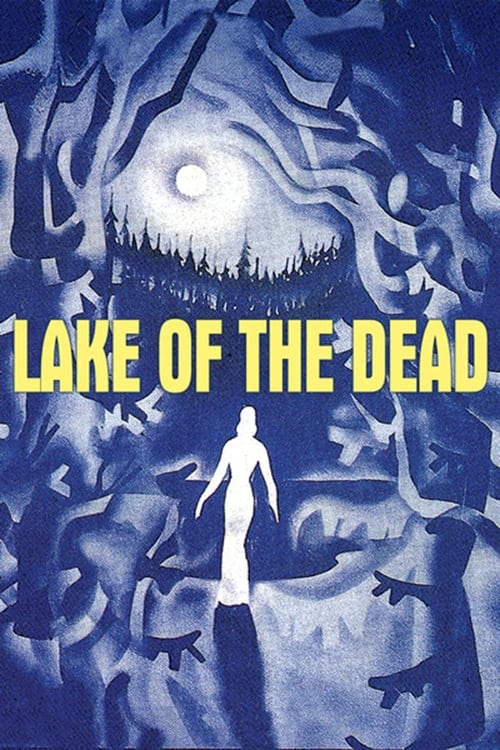
Lake of the Dead
6.6

A group of friends travel to a cabin in the Norwegian forest. It's a rumour that at night a crazy man can be heard screaming at a lake nearby the cabin.

Lake of the Dead

1958
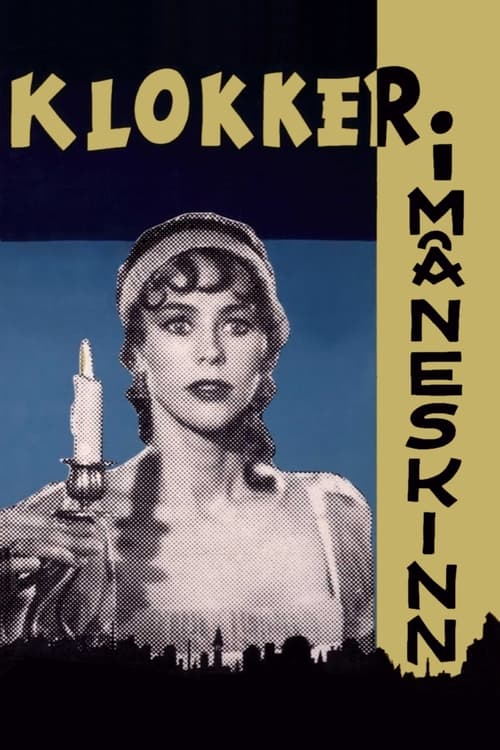
Clocks in the Moonlight
6.2

Four men are gathered to play a game of bridge, when the conversation turns to unnatural and occult events.

Clocks in the Moonlight

1964
Det kunne vært deg
5.8

Maisen is newly married to the architect Harald, but on the way home he loses the key to their flat. They have to ask their neighbor for help, a man with a new girl every night. But when their marriage falters, the neighbor steps up.

Det kunne vært deg

1952
The Blood Road
5.9

Yugoslav Partizans, captured by Nazis, are sent to concentration camps in distant Norway. The local population help some Partizans survive or flee to neutral Sweden.

The Blood Road

1955
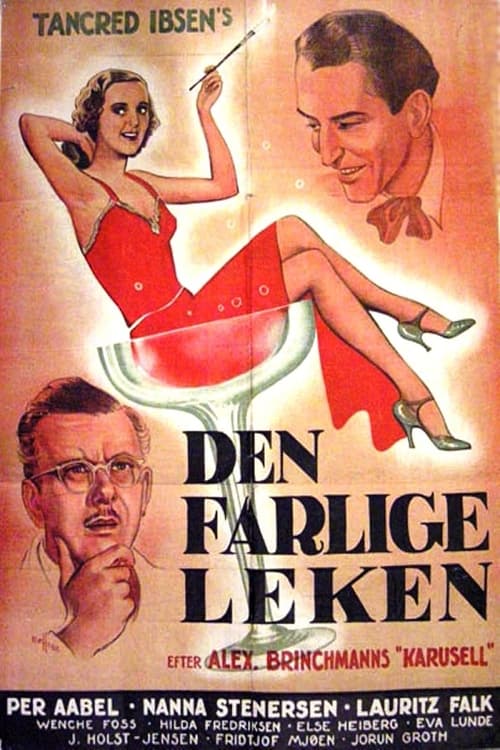
The Dangerous Game
7.0

Known architect Jean Blomis married with two kids, living in a modern condo, though being very outgoing, his wife isn't. After learning about scientist Holm's new hormone, he hopes to feed his wife with it to get her pepped up.

The Dangerous Game

1942
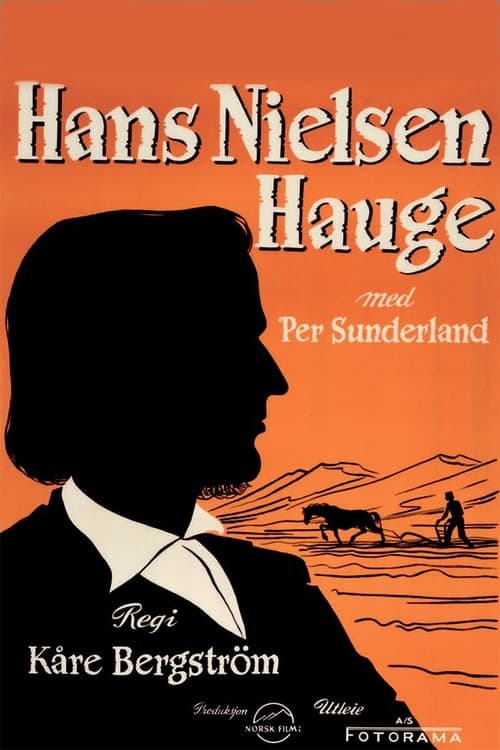
Hans Nielsen Hauge
6.7

Hans Nielsen Hauge was a Norwegian reformer in the early 1800's both financially and spiritually.

Hans Nielsen Hauge

1961
No image
9.0

Trysil-Knut is a Norwegian film from 1942. Directed by veteran Rasmus Breistein and is a ski themed melodrama about the legendary skier Trysil-Knut from Trysil. He is a powerful patriot, who in the early 1800s prevent that a war breaks out between Norway and Sweden using his skiing skills. While that goes on Knut is also preparing a court case of fraud to determine the ownership of his fathers old farm.

Trysil-Knut

1942
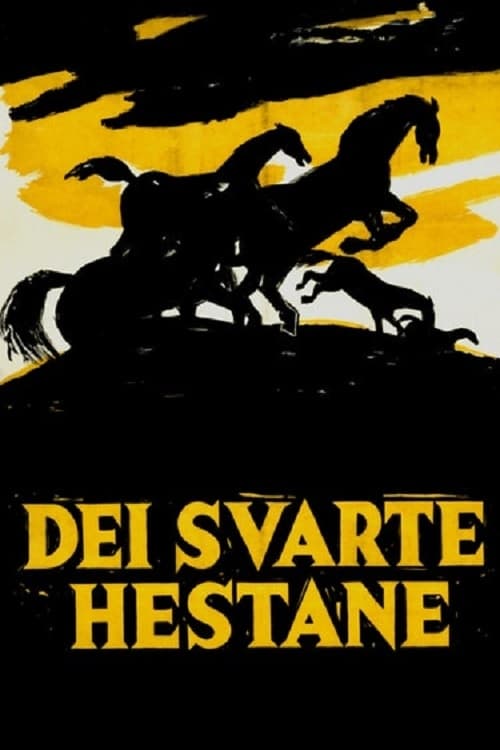
Dei svarte hestane
7.0

Ambros Fornes owns two large farms and stunning four horses. These horses comes to fill his life because his young beautiful wife, Lisle, does not manage to love him as he loves her.

Dei svarte hestane

1951
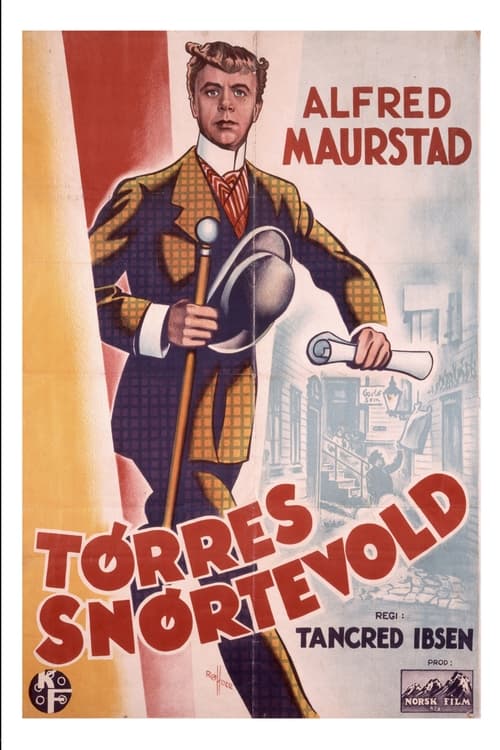
Tørres Snørtevold
7.4

The young fisherman Tørres wants to become rich, so he can get revenge over Krøger, who has taken his family home. He gets a job in Mrs. Knudsen's shop to establish himself, and after a short time he has the upper hand on Krøger...

Tørres Snørtevold

1940
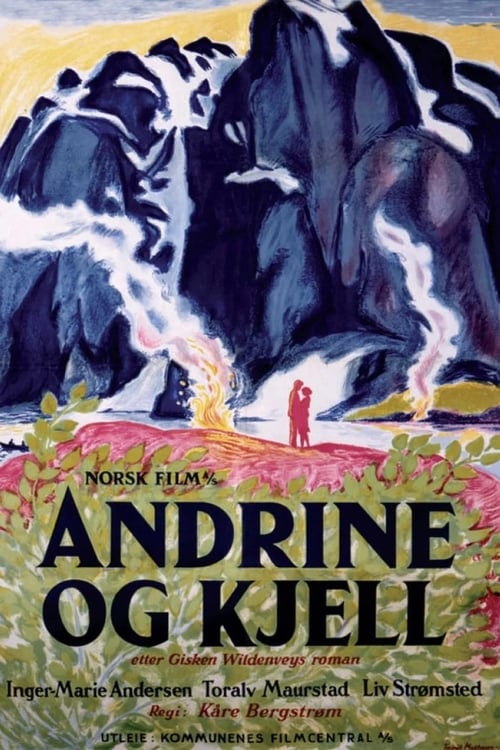
Andrine and Kjell
5.7

Andrine and Kjell are both 17, and attends a private high school. Many things disturb their way to the spring exams, and fall in love. The come from different backgrounds, but gets common problems when she rents a room at Kjells parents.

Andrine and Kjell

1952
Death Is a Caress
6.0

An engaged mechanic begins a tempestuous affair with a rich married woman.

Death Is a Caress

1949
The Mysterious Apartment
6.3

A conservative old bachelor buys an apartment previously owned by an artist who died suddenly. He has a weird feeling about the place from the start, and gets more and more obsessed by the previous owner's possessions and way of living. Finding some loveletters written by the deceased's mistress, Dott, gives him an irressistible urge to get to know her better.

The Mysterious Apartment

1948
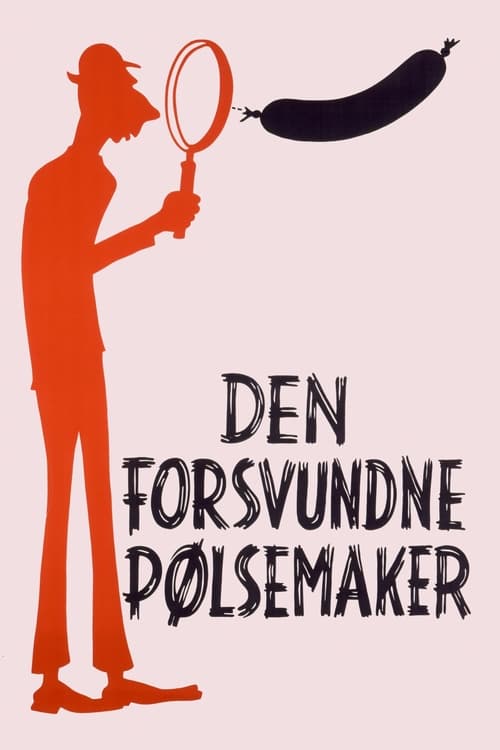
The Lost Sausage Maker
6.4

Private investigators Gløgg and Rask have been hired to trace a butcher (sausage-maker) who has disappeared. This leads the two into a number of adventures.

The Lost Sausage Maker

1941
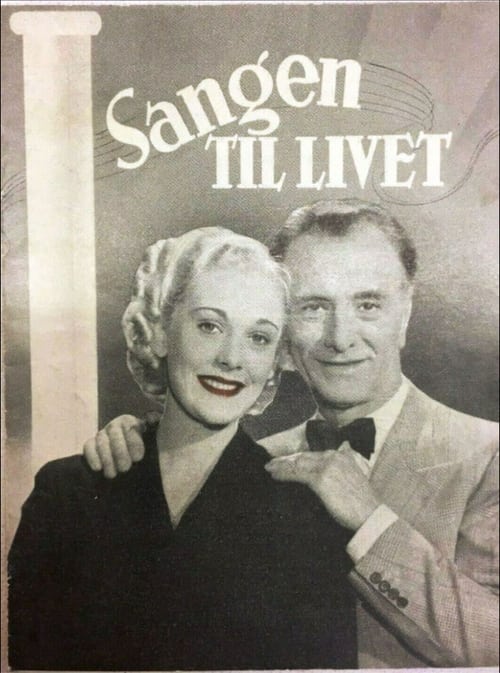
Sangen til livet
10.0

Businessman Braa has many enemies and is put in prison after a scam. While in prison his wife dies of a serious illness, while Roll takes over the business. But he is not popular with the workers. When Braa gets out, it's time for revenge.

Sangen til livet

1943
Gullfjellet
5.7

The city boy Rolf gets a job on a big farm, and soon lies about finding gold. We see the rise of gold fever while the corn rots away.

Gullfjellet

1941
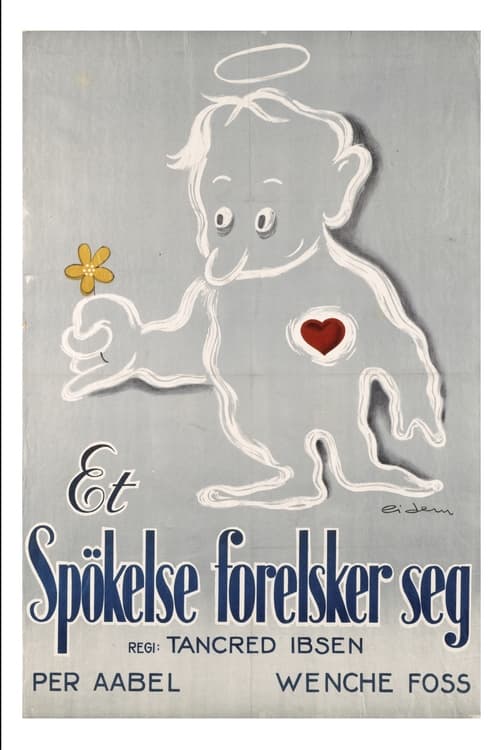
Et spøkelse forelsker seg
8.0

A Norwegian mistaken identity comedy. At Krogheby Manor, owned by the Vinkelkrogh family, four ghosts reside. Per Aabel plays Johnny Vinkelkrogh, who visits his aunt Clementine. He happens to look exactly like one of the ghosts, and confusion ensues when the two are mistaken for each other.

Et spøkelse forelsker seg

1946
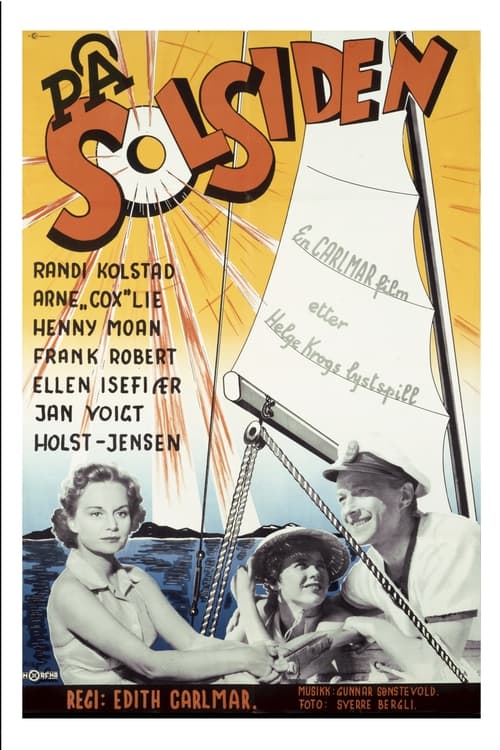
On the Sunny Side
6.0

Main character Esther feels like she doesn't fit into the 'elite' and takes the big showdown with those who always have.

On the Sunny Side

1956
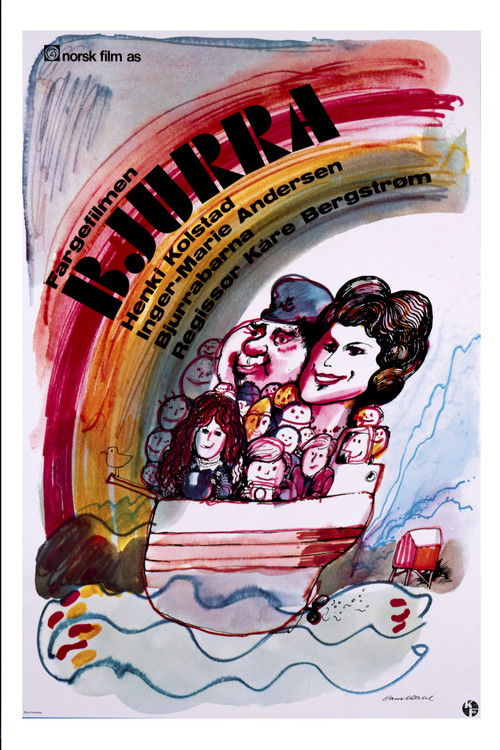
Bjurra
5.3

A couple of leaders and thirteen kids arrive on the island Bjurra, and when the woman breaks her leg the kids are told to go back home. Instead they take over the island.

Bjurra

1970
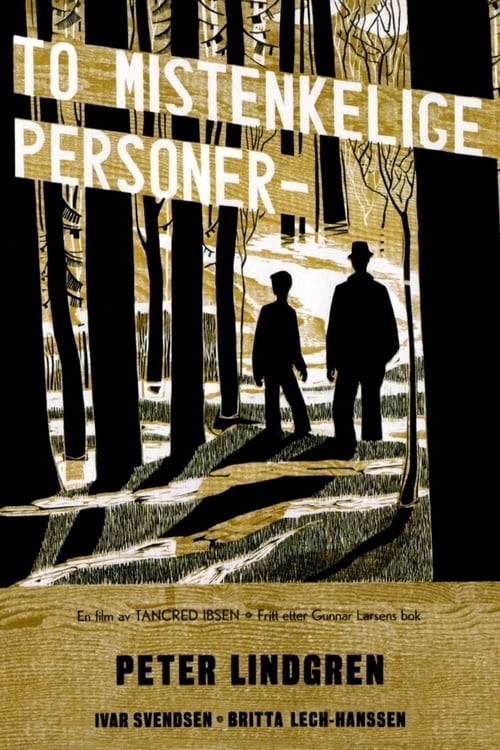
Two Suspicious People
6.1

Two police officers lie dead. The swede Ekstrøm and the youngster Gustav flees the scene of the crime. Based on a real double murder in 1926, this movie remained almost unseen for 57 years. When the film was set to premiere in 1950 one of the murderers, having served a full sentence, went to court to have the film stopped.

Two Suspicious People

1950
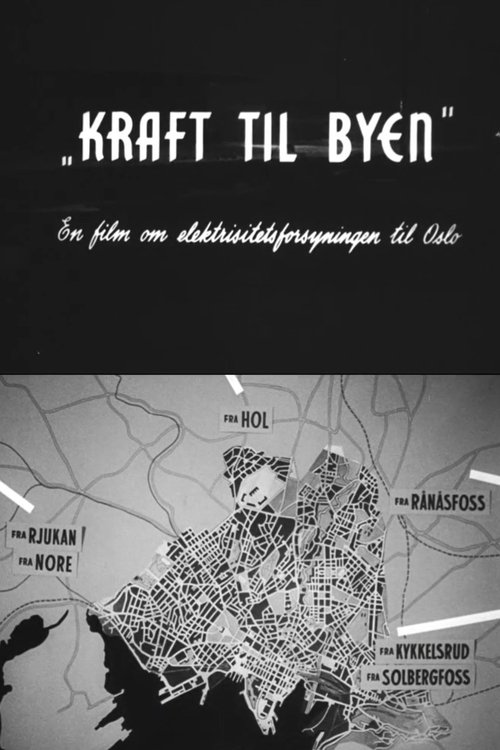
Oslofilm: Kraft til byen
N/A

A docudrama about Oslo’s electricity supply. The film depicts a power outage, provides some historical background on Oslo Lysverker, and examines a modern electricity supply network. ***** Oslofilm was a series of public information films about life in and around Oslo, produced between 1940 and 1980. Funded by the state, the films offer valuable insight into postwar Norwegian society. A wide range of Norwegian filmmakers contributed to the productions, resulting in a rich variety of styles and expressions. Several of the films also possess notable cinematic qualities, standing out as more than just informational material. The Oslofilms represent a unique and important chapter in Norwegian film history.

Oslofilm: Kraft til byen

1951