Italo Moscati
Writing
Biography
Italo Moscati (born, August 22, 1937) is an Italian writer, film director, and screenwriter. He was born in Milan and, since 1967, has lived and worked in Rome. Moscati has collaborated with many notable figures in Italian cinema and television, including Liliana Cavani, Luigi Comencini, and Giuliano Montaldo. He is also active as a theater and film critic for numerous newspapers and magazines and is a contributor to the Italian entertainment website Cineblog.it. He was also Deputy Director of RAI Educational and, for four years, worked as president of the Center of Contemporary Art in Prato. He has written many plays staged by Ugo Gregoretti, Piero Maccarinelli and Augusto Zucchi. Among his recent books are: Pasolini e il teorema del sesso; Il cattivo Eduardo; 2001– Un’altra Odissea; and Le scarpe di Jack Kerouac. Description above from the Wikipedia article Italo Moscati, licensed under CC-BY-SA, full list of contributors on Wikipedia.
Known For

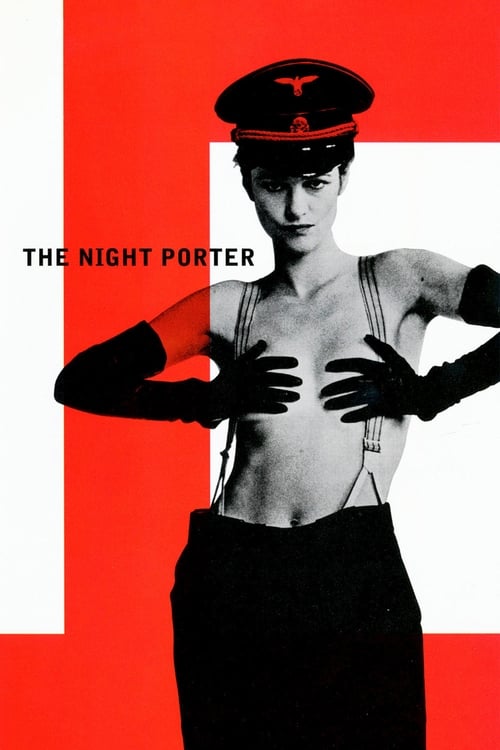
A concentration camp survivor discovers her former torturer and lover working as a porter at a hotel in postwar Vienna. When the couple attempt to re-create their sadomasochistic relationship, his former SS comrades begin to stalk them.
The Night Porter

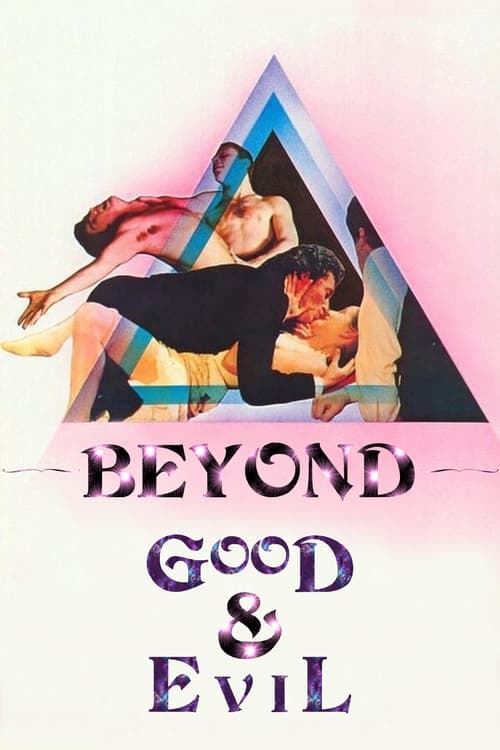
The German philosopher Friedrich Nietzsche and his Jewish companion Paul Ree meet a beautiful young Russian intellectual and draw her into a ménage-à-trois.
Beyond Good and Evil

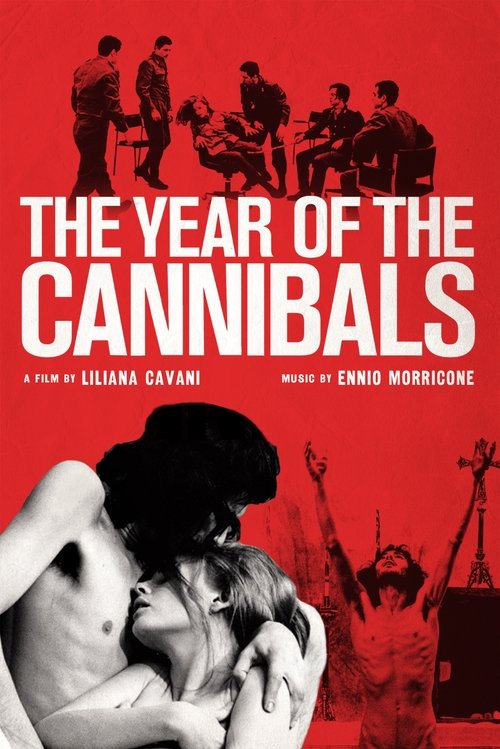
On the streets of a damp metropolis lie the corpses of hundreds and hundreds of boys and girls. No one can give them a resting place because of a law enacted by a repressive State. But the young Antigone, with the help of a foreigner, Tiresias, violates this rule in the name of pietas, undermining the established order.
The Year of the Cannibals

No description available.
L'amore in Italia

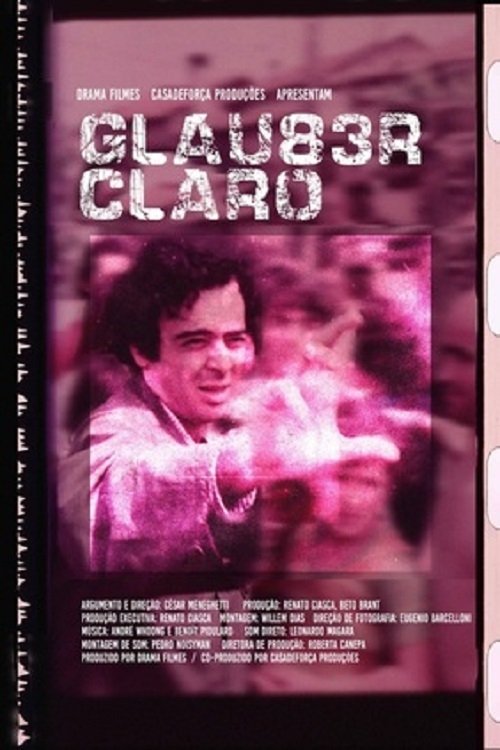
A deep dive into Glauber Rocha's years exiled in Italy in the 70s. Through a collection of interviews and archives, the movie shows the making of his film Claro (1975) and his relation with European auteurs in their filmic and political views.
Glauber, Claro

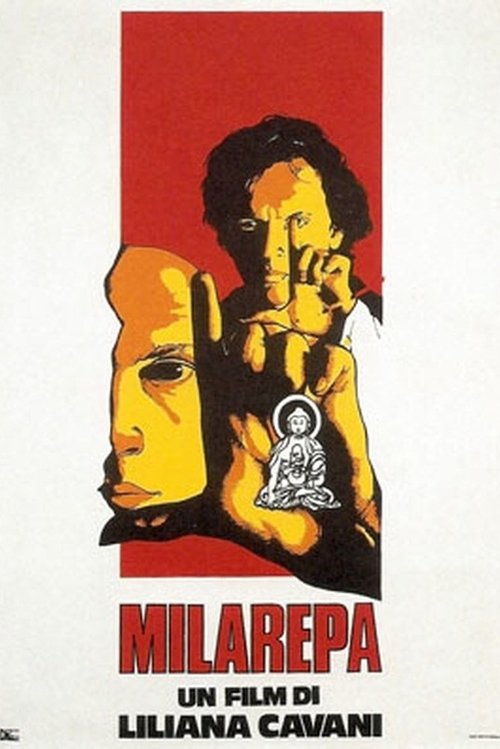
After a car accident, a professor, trapped and awaiting help, hears a student recount the life of Milarepa. The tale unfolds in three parts: dark vengeance, spiritual discipline, and ultimate transcendence, reflecting a journey of inner transformation.
Milarepa

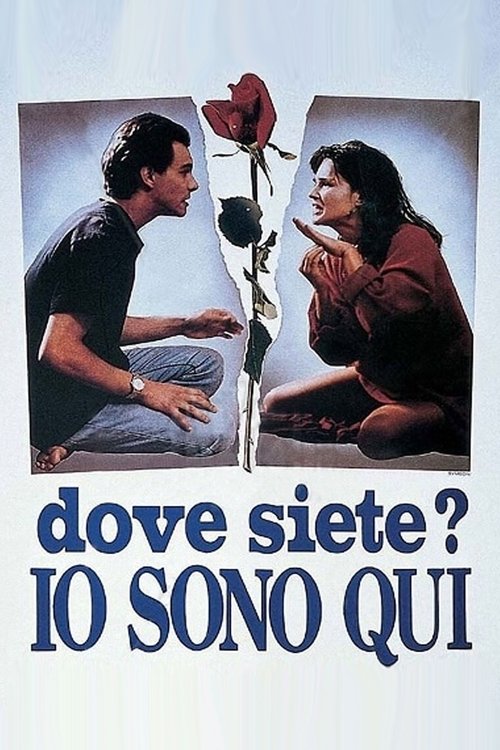
Fausto and Elena, two deaf teenagers from different backgrounds, meet and fall in love. As they push back against prejudice and silence – both societal and familial – their bond becomes a source of strength. Together, they navigate a world that misunderstands them and find the will to dream beyond imposed limits.
Where Are You? I’m Here

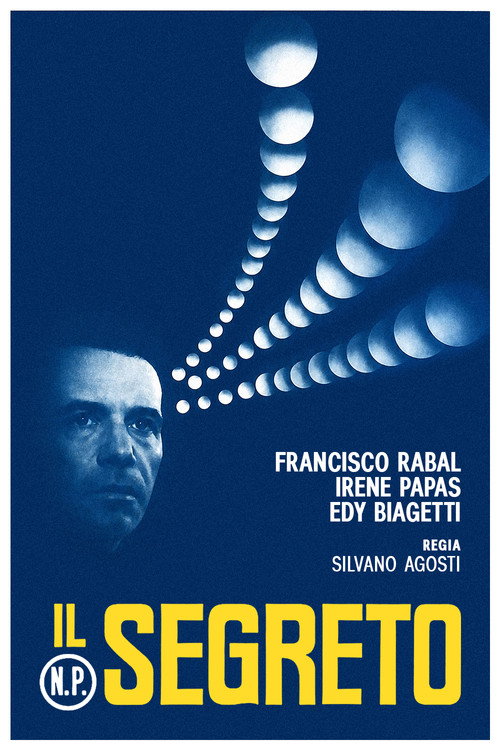
An engineer invents a revolutionary machine capable of automating all industrial production, thereby eliminating the need for human labor. His groundbreaking innovation, intended to free humanity from work, instead leads to his abduction and brainwashing by unknown forces. He is then left to wander the city, stripped of his memories and identity.
N.P. - The Secret

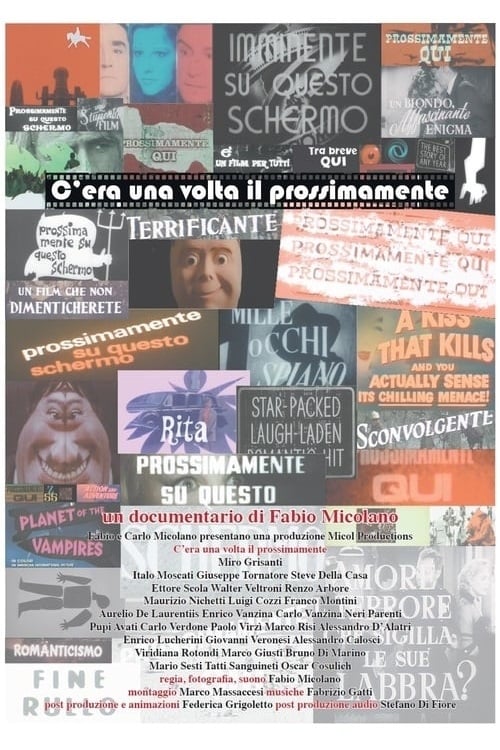
A passionate cavalcade through decades of "coming attractions"
C'era una volta il prossimamente

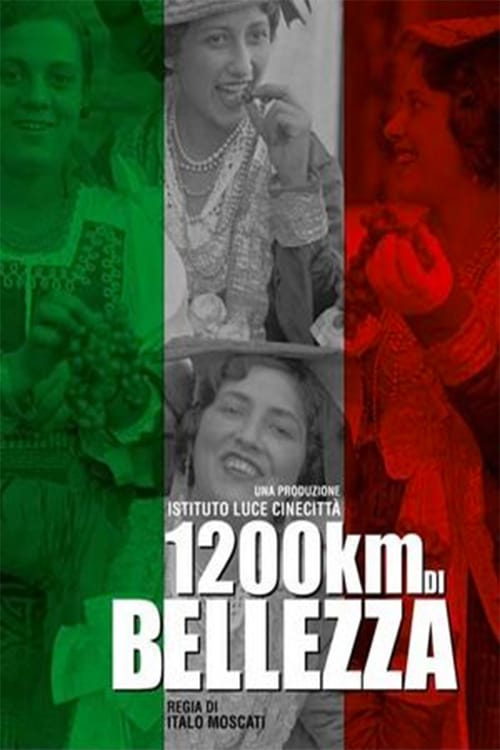
Twelve hundred kilometers is length of Italy, from the mountains of the North to the South Sea; from the white of the snow to the blue of the sea. The film is a trip to the peninsula made especially with the documents of the Istituto Luce, in whose archives appears an Italy from the early twentieth century, a long journey up to years close to ours. An articulated Italy, made up of different forms of Beauty, in a territory that has particular characteristics for each region, from Valle d'Aosta and Friuli Venezia Giulia, from Tuscany to Lazio, from Lombardy to Liguria, from Campania to Sicily and its islands; and so on. Twenty regions. The history of the territory, of the its landscape, life of its people and art have always been mixed. The spectacle of nature intertwines with the spectacle of Italian work and creativity, open to the world, loved and visited by the world. The film tells this Italy. Scenarios, art, work, landscapes, culture, shows, great people.
1200 km of Beauty
Looks back at the Sciuscià, its success abroad, its influence on later filmmakers, its Oscar win, and the social conditions at the time of its production.
Through Children's Eyes - De Sica & Shoeshine

No description available.