Directing
No description available.
Barrandov Studios, once one of Europe’s most modern film factories, became both a cultural refuge and a propaganda tool under Nazi occupation, churning out Czech comedies and romances to keep the public distracted while its actors mingled with German authorities. After the war, many of those same stars faced accusations of collaboration, their meteoric Protectorate-era fame tainted by the compromises they made to keep the cameras rolling under shifting regimes.
An absurd comedy about terrorism in the Czech Republic.
A quarter century after the release of the original film, this sequel brings us a drama about platonic love, life retrospective and memories. Former schoolmates meet again in the mountains and it turns out they have not changed much. Even though so many years have passed, we can still see the souls of boys and girls we know from the teenage comedy Snowdrops and Aces; kids who participated in that legendary skiing course. Its nostalgic humour gives the film a bitter-sweet touch. Thawing Out follows the lives of the main heroes during a period of great changes. How did they manage to escape the traps and what scars have they suffered? Where did they want to go, how far have they got and what is still in front of them?
Film about racial problems in the society, love, family, people and their relations.
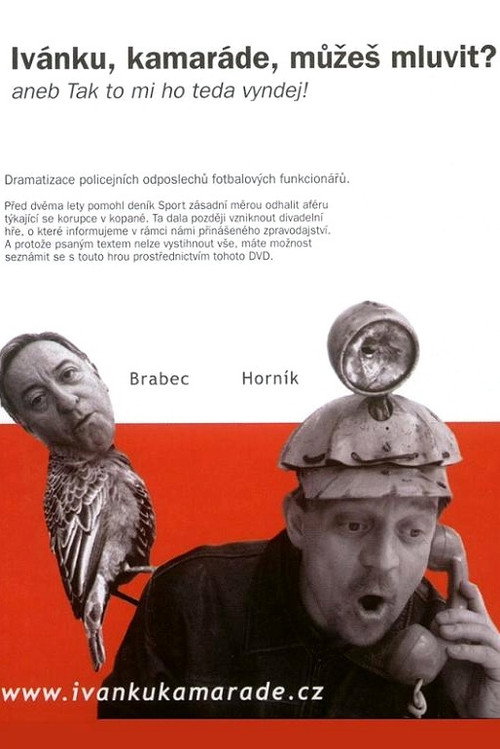
This title is record of authentic theatre play. The subject is composition of series of real secret records of phone calls between soccer bosses in Czech soccer underground brought to investigation in 2004. The most absurd parts used Petr Ctvrtnicek to compose this performance given in form of text recitation as it were the phone calls while the actors are sitting in chairs in front of audience having the screenplay by hand.
A father and son have nothing in common except a first name, Richard, and an apartment on a housing estate. The burly, good-natured, 30-something factory worker listens to heavy metal and occasionally lets his girlfriend into his life. The frail, retired teacher, who raised the boy after his mother’s departure, is the embodiment of care and understanding. However, their tranquil, shared reality, which embraces both the hardcore band Našrot and Bergman’s “Cries and Whispers,” is disrupted by the sudden death of the mother. Young Richard sets out on a peculiar initiation journey with bizarre encounters and moments of unexpected enlightenment.
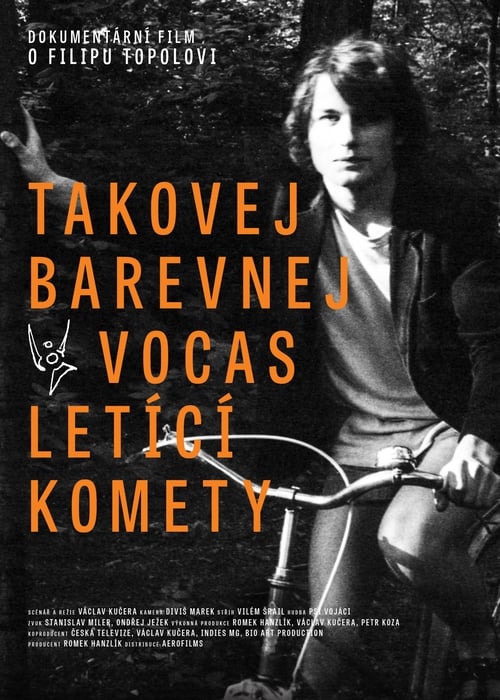
A feature-length distribution documentary about Filip Topol, composer, lyricist, pianist, singer and fighter of the group Psí vojáci, whose work has struck three generations.
A doctor is shocked when his beloved colleague Mima signs a contract with foreign car manufacturer Ferat, in order to work for them as a rally-driver. A scientist convinces him that human blood is being used as fuel for Mima's ever winning car, but does that really work?
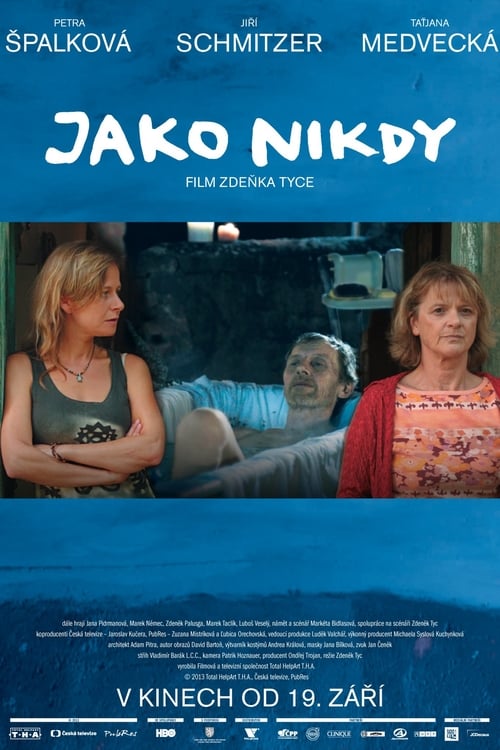
The end of summer in the film also means the end of life. Vladimír Holas dies. Who is Vladimír Holas? Painter, sculptor and teacher of district importance. He painted many beautiful pictures - but not as great as he wished. He wasn't in the party, he wasn't in the Union of Artists, he didn't sell out to the past regime. The house in the beautiful countryside is his last refuge, death is inevitable and he doesn't want to die in an estranged hospital. He wants to crouch standing up, the way he lived.
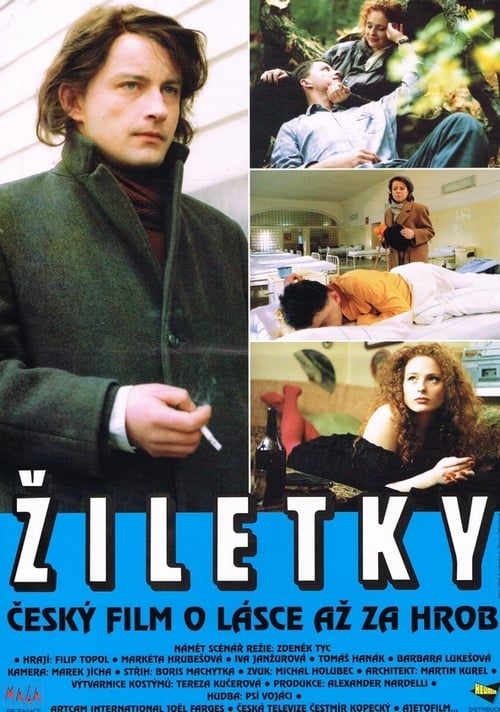
A Czech-French existential tragicomedy. Its (anti)hero is a young man named Andrej (played by Filip Topol, leader of the Czech underground band Psí vojáci). The story turns on his fateful love for the powerfully attractive though superficial Kristyna (Markéta Hrubesová).
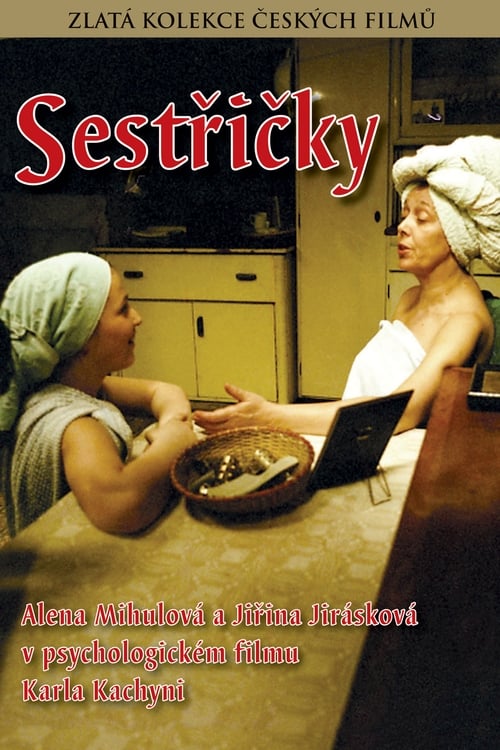
A Czech psychological film about the school of life, its sorrows and beauties. The main character is a young aspiring nurse Marie Sahulová, who, after a trouble in the hospital - she secretly brought a boy to her boarding school - is transferred to a rural health centre, where together with an old doctor and a peculiar nurse she has to travel around twenty-five villages and a number of solitudes in the harsh environment of the neglected villages of the 1950s. The nurse, a wise and experienced woman whom no one calls anything other than "babi", becomes her guide, who introduces her to the practice and the pitfalls of private life in a distinctive way. In the mosaic of everyday worries and more or less serious medical interventions, Marie matures and finds the meaning of her work and life.
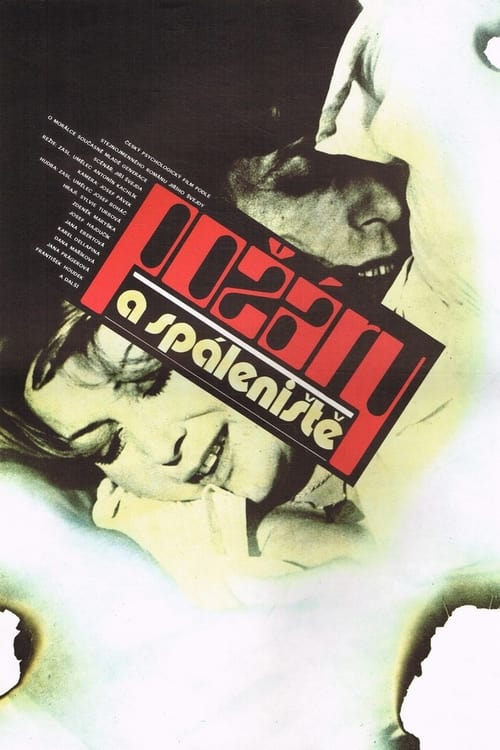
Antonín Kachlík wanted to make committed films about the moral dilemmas of the working class, but in the era of normalisation, he could only proclaim how faltering individuals would eventually come to the desired thinking. This is also true of the adaptation of Jiří Švejda's book about the wavering career of a young brickmaking technologist - the simplistic drawing of characters and plots, the posterishly lifeless language and the textbook discussion of social ills are all objectionable; the ideal becomes the code of the socialist builder.
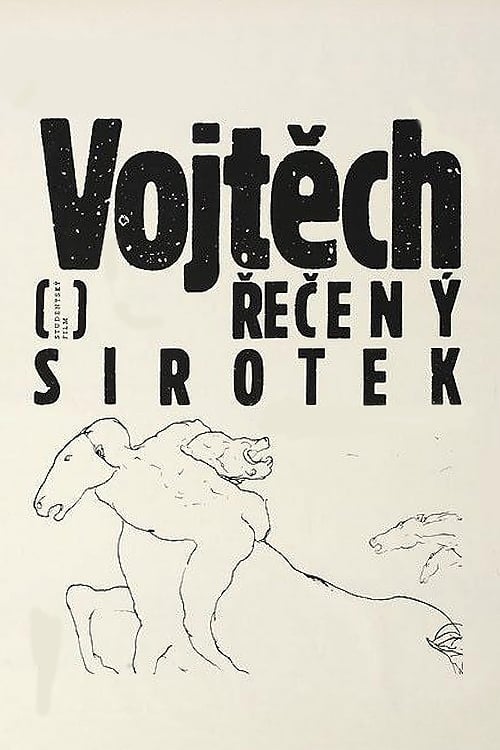
Symbols and political analogies abound in this dramatically frustrating first work by a recent film-school graduate. In the story, Vojtech has survived World War II in a Czech prison following an unjust sentence. Now he is free, and the world is full of possibilities.
The Horváth family is a Romani family with seven children, and the story begins with the tragic death of the father. His wife, Vera, is suddenly in a fight with the authorities, determined to keep her large family together at all costs, but she is hopelessly ill-prepared for the task. They are evicted from their home and her case-Vera versus the city-finds its way to a young, ambitious lawyer. She doesn't know the world of the Romani, nor is she particularly interested in it. Initially she takes the case as a springboard for her career. Despite her prejudices, incomprehension and sometimes Vera herself, she doesn't abandon the case. Luckily she is not the only one who sides with the family. There is a social worker whose attempts to help the Horváths are also motivated by his entirely private interest in the attractive lawyer.
On the eve of May Day, a Prague actor’s insistence on “doing the maypole right” sparks a drunken village bet and regretful hangovers as tradition and hometown pride collide.
In the film, the creative forces of personalities from three spheres of art collide. The subtitle "The Game of Love and Hate" refers to the motivation of an old Czech medieval satire, the theme belongs to Antonín Přidal, an expert on this subject. His collaboration with Juraj Herz created a collage of past and present, an updated, sharp satire and a parable about the clash of human qualities that could not but end up in the vault. The music of the Prague Selection - Michael Kocáb and Michal Pavlíček - also contributed to the film's offensive provocativeness - the film was one of the reasons for their complete move to the underground. The dancing chorus of medieval citizens resembles more of a jumble of long-haired maniacs, the edge of a contemporary dump intrudes into the space of a medieval marketplace, and the characters oscillate between the past and the present, whether in their appearance, symbolism or behaviour.