Acting
No description available.
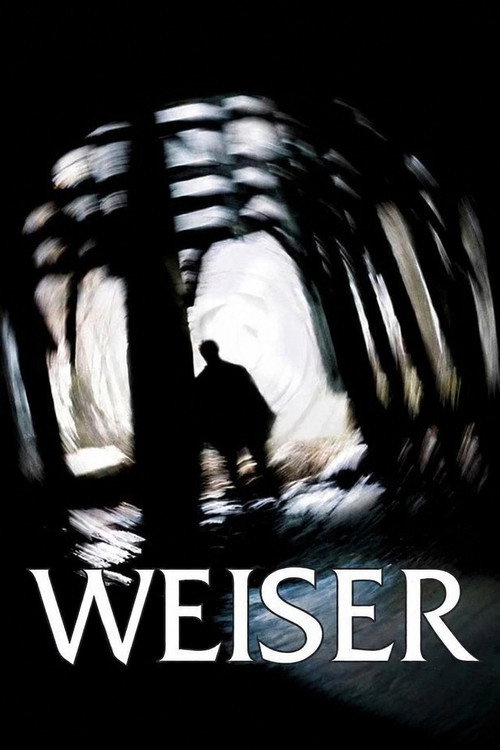
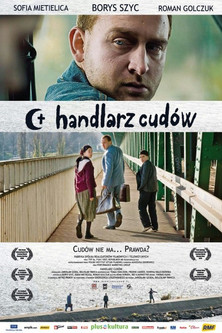
The film is based on the well-known, translated into many languages novel of writer Pawel Huelle. It is imbued with nostalgia and the atmosphere of mystery story of a group of children, fascinated by the figure of a man named David Weiser.
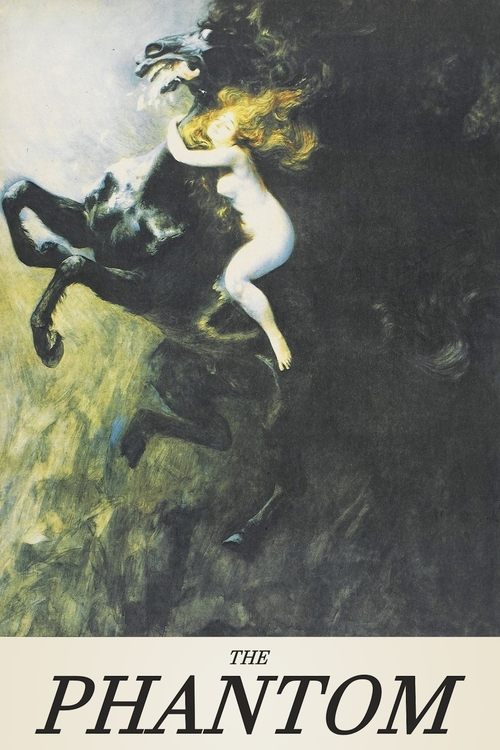
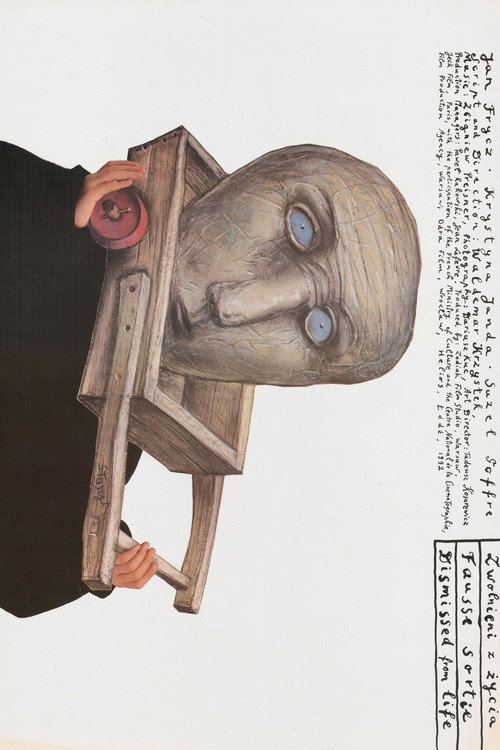
Set in the early years of the century. A story of a country gentleman haunted by the memory of his first wife. His current wife, had enough of his obsession and has taken a lover, who is mysteriously paralyzed. Meanwhile, main character's son gets his first taste of sensual experience with a mute peasant girl.
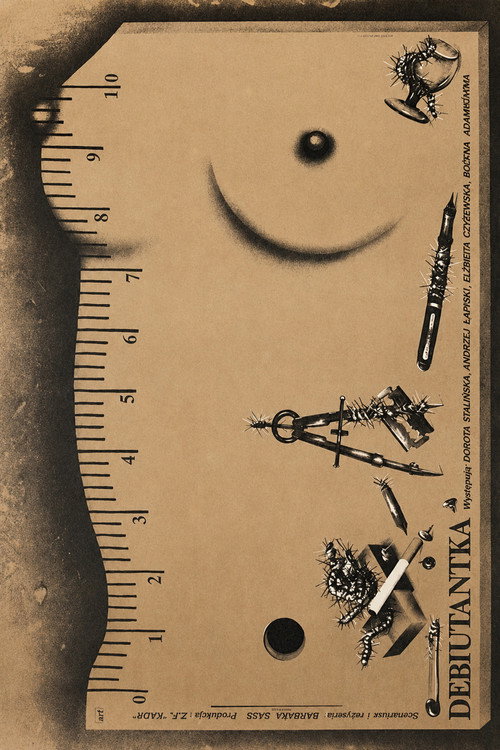
Ewa is a young ambitious engineer who starts to work for the team of an acclaimed architect Jerzy. Gradually she becomes aware of the bizarre relations he has with his wife and lovers.
After the defeat of Napoleon, in whom the Poles had placed so much hope for the restoration of their country, a dark night of slavery descended. Poland was wiped off the map of Europe, but it lived on in the hearts and minds of the Polish people. The struggle for Poland continued in various ways and by various means, depending on which partition the former territories of the country found themselves under. In literature, drama, and later in film, the struggle of Polish patriots with weapons in their hands, e.g., in the November and January uprisings against the tsarist regime, found greater reflection and resonance. Relatively little is known and little was known to the general public about the struggle for the liberation of the people of Greater Poland, which was under Prussian rule. And yet it was the "longest war in modern Europe."
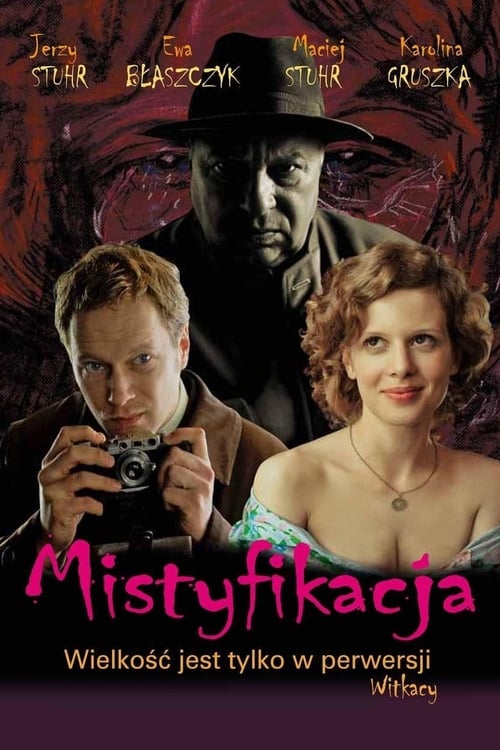
Lazowski, an expelled university student, investigates the supposed suicide of the famous artist Witkacy and tries to prove that the artist is in fact still alive.
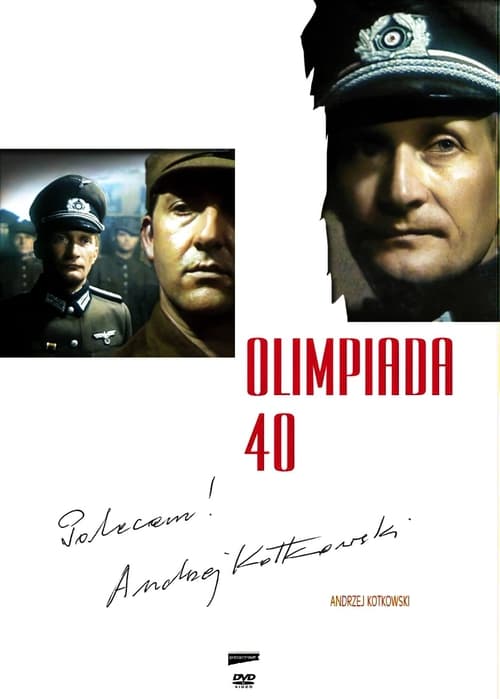
The film deals with the a clandestine Olympiade held in a German POW camp during WW II, housing many Poles, but also French and Brits. A spit and a Polish German lieutenant is added to the staff of a prison camp. He sees a Pole, the acknowledged leader of the Polish prisoners, against whom he had competed during the Berlin Olympics in 1936. He asks the Pole to train with him but is refused; the Pole points out out that he is a prisoner and nothing more. But that plants the seed and the Pole proposes and Olympics 40 to be held among the prisoners. They ingeniously make a flag and medals, set up a number of races; a croaching hop race is unwittingly organized by a German prison guard who uses it as a torture. The German lieutenant knows that something is going on but cannot find out. Finally the Germans realize the idea and the Polish chief is sent to concentration camp but the others disobey the orders.
Scope is a prisoner on a behemoth space station and is chosen, like all his fellow prisoners, to 'volunteer' for the exploration of far-away planets. Landing on planet Australia 458, he is given a hero's welcome with all the sex, booze, and violence that any one man can stomach. But as his new caretakers push him towards even more heinous and deplorable acts, Scope finds that his freedom comes with a high price; his own violent demise, broadcast live for the viewing pleasure of Australia 458's inhabitants.
A recovering alcoholic on a pilgrimage meets two young refugees who are trying to find their father. Their struggles during the trip from Poland to France will forever change their lives.
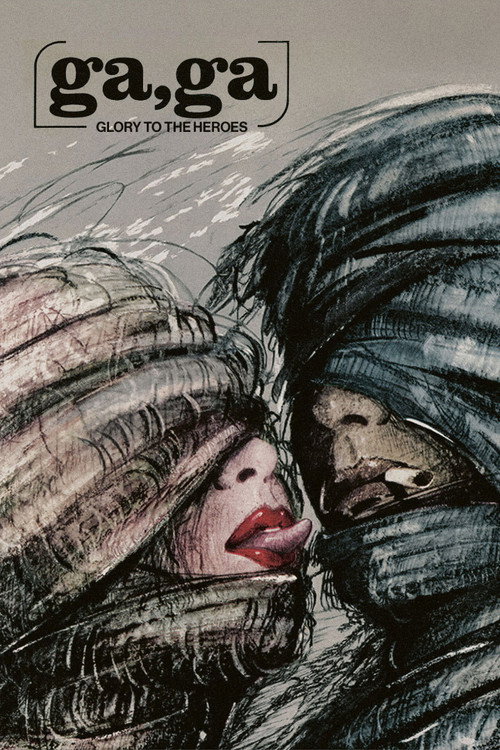
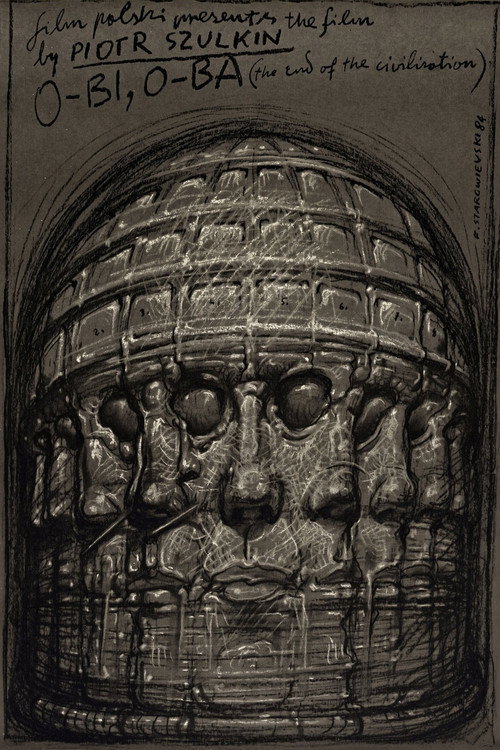
The world has been ravaged by nuclear war. The planet is frozen and radiation kills anyone or anything that ventures outside of 'The Dome'. Soft is a shepherd for the last remnants of humanity who have gathered together as they await rescue from a mysterious craft known only as 'The Ark.' He wanders among the masses, performing his regular daily tasks; keeping morale from plummeting, wooing prostitutes, squashing rebellions, and sometimes feeding the hungry. But as the true and sinister nature of 'The Dome' comes to light, Soft must ask himself if humanity is worth saving...
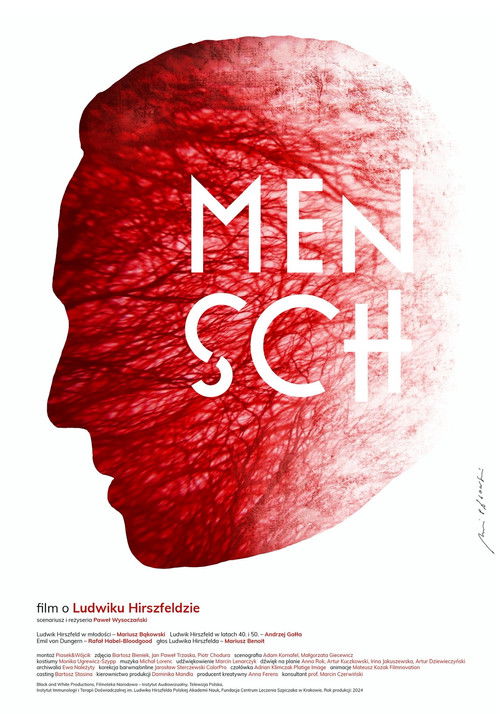
Ludwik Hirszfeld could share his life story with several heroes. In his fate is reflected the history of the first half of the 20th century. The hero of the film was reborn despite the fact that the events in which he lived destroyed his life and achievements. Doctor, scientist, idealist. A forgotten hero. Known in the world more widely than in Poland. A scientist "from blood", which the world divided into "better" and "worse". He made difficult choices, went against the grain, believed that the world could be better. A cosmopolitan who could have continued his scientific career in Switzerland, but chose Poland. He could have lectured in America right after the war, but returned to Poland. His fate in the Warsaw ghetto is heartbreaking. Ludwik Hirszfeld's marriage to his wife Hanna is perhaps the most important choice he made in his life.
The pupil of the orphanage is entering adulthood.
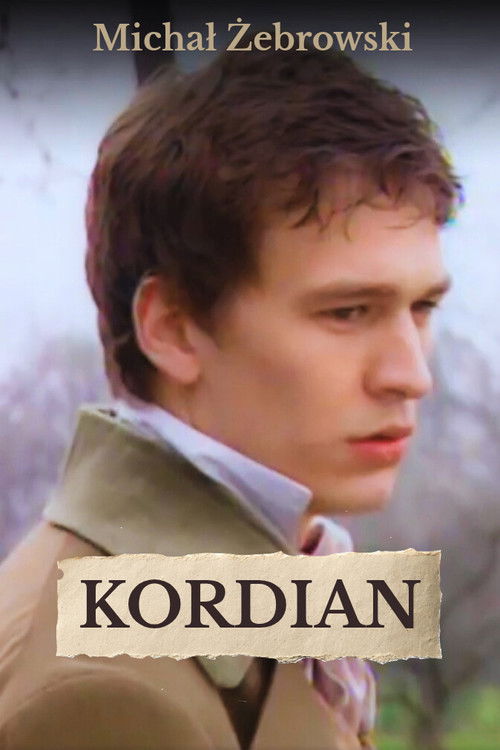
The staging of "Kordian" by Juliusz Słowacki, refers to the November Uprising and attempts to understand the reasons for its defeat. It tells the story of a young boy who attempts to liberate the Polish nation, while struggling with internal dilemmas and moral difficulties.
Katowice, the night of December 12-13, 1981. Military units occupy strategic points in the city. A group of Zomovniks, smashing union security, drags the chairman of the Company Commission of the NSZZ Solidarity in the Wujek mine out of his apartment. The news quickly spreads to the miners. Initially surprised, they soon react with spontaneous protest. On December 14, a strike breaks out at the plant. The miners demand the lifting of martial law and the release of the chairman. When negotiations fail, the army, ZOMO and militia storm the mine.
Set in 1989, story of a man beat up by two ex-policemen and left to die in a dump. Marek survives after the brain surgery that leaves him amnesiac. He wanders through the city, sought by his assilant, who fear he will testify against them. Marek finds shelter with a girlfriend/bagwoman who supposedly was once queen of Paris boulevards. Marek regains his memory just as the villains are to get him. He eventually returns to his house only to find out that his mother died and his brother left for Australia.
A young teacher and a conservative mayor fight over influence in a village in Western Poland, all while falling in love with each other.
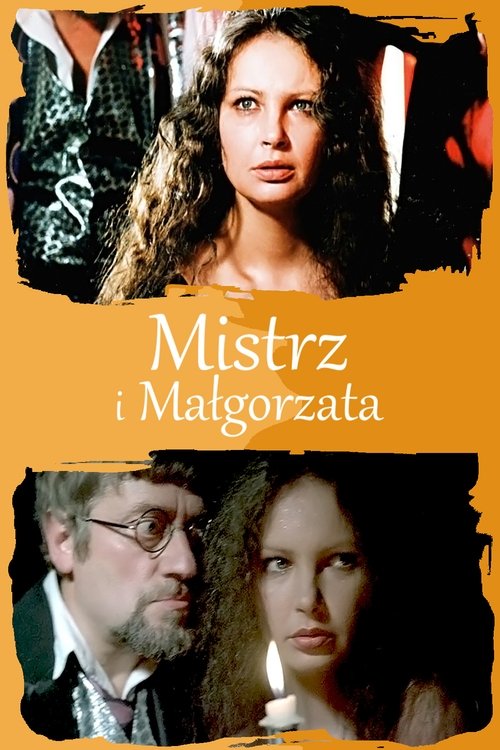
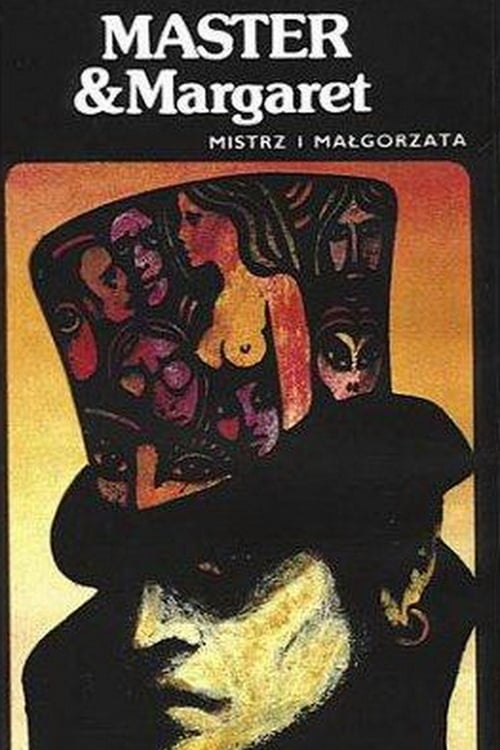
The Master and Margarita (Mistrz i Małgorzata) is a four-part Polish television production based on the novel by Mikhail Bulgakov.