Directing
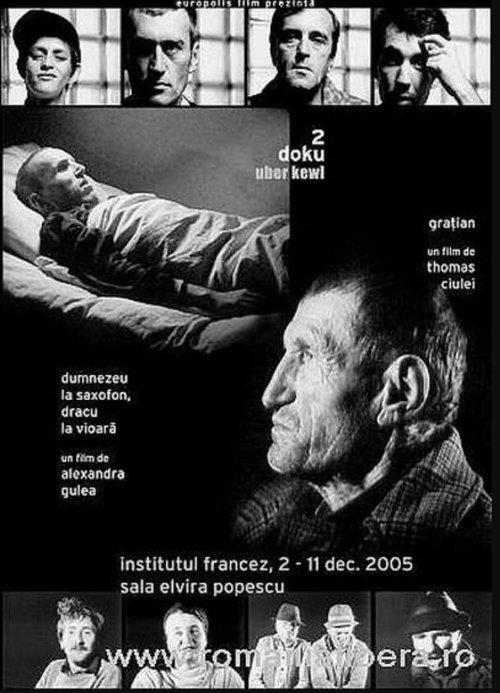
They are patients in a psychiatric hospital in Romania and marginalized persons whose social status has been removed. You think they will only say crazy things, but you don't want them to be like ordinary people, be good, love, and even create often... It's just that all this is confined to the hospital wall. The title is a gimmick, just one sentence from a song sung by the patient in the film.
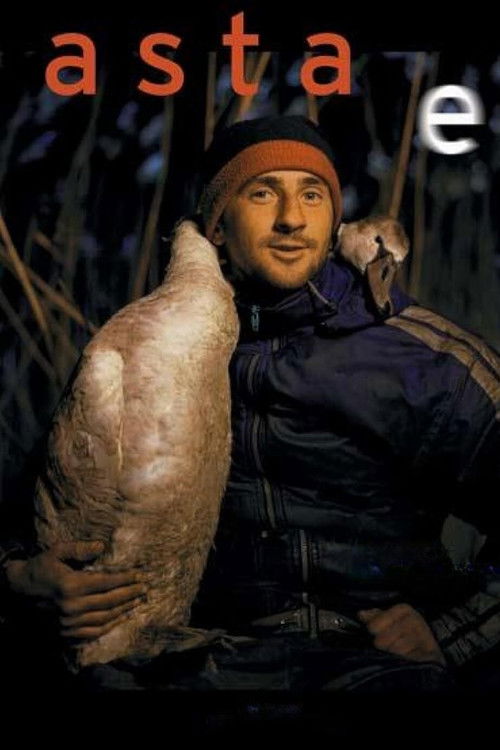
Once a major wealthy town, Sulina is a victim of post-communist decline and disarray. Ten years after the fall of Ceausescu inhabitants still live in poverty. Despite their despair, there is room for dreams and humor. The Romanian town Sulina lies right in the no-man's-land of the Danube-delta, cut off from the rest of the world. Ten years after the fall of the communist regime the people here are worse off than ever. Sulina used to be a wealthy trade town. But with the decline of communism the economic connections petered out. The film portrays four of the region's inhabitants from three generations who just manage to get by.
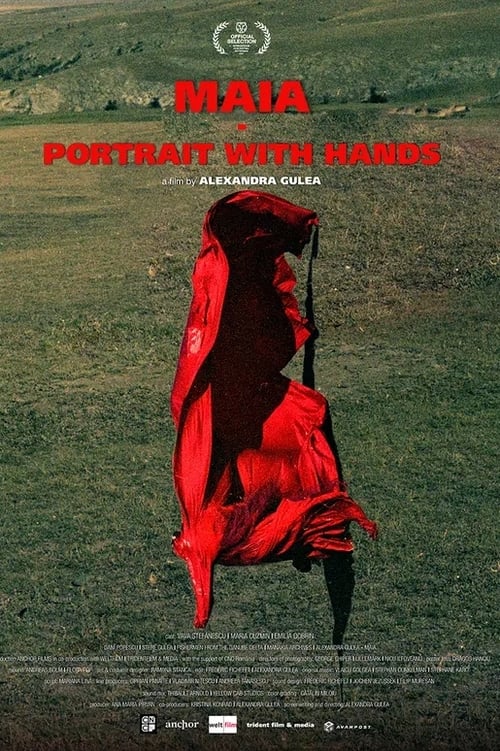
The author's grandparents were Aromanians, a Balkan minority of nomadic shepherds, without territory and written language, wandering between mountains and seas. Their story is told from the subjective point of view of the artist, who passionately reproduces in staged scenes this perpetual tragic wandering, also full of hope and courage to live.
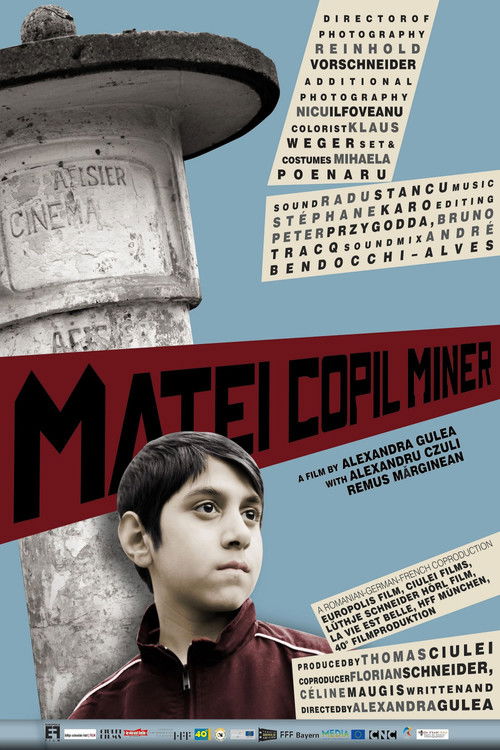
Matei lives with his grandfather in Romania. His parents have gone to work in Italy. After arguing with his grandfather, he leaves. A poignant, beautifully shot film on the illusions and disillusionments of childhood.
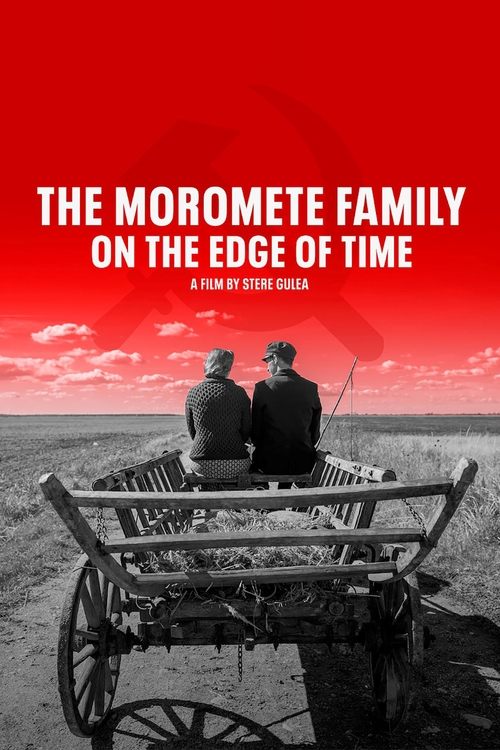
A sequel to one of Romanian cinema’s most lauded adaptations, The Moromete Family, film tells the tale of Ilie Moromete and his family and focuses on his youngest son, Niculae. The entire order of the world of the village, where the most important thing is to own land and work it, changes upon the arrival of the Communist regime and collectivization.
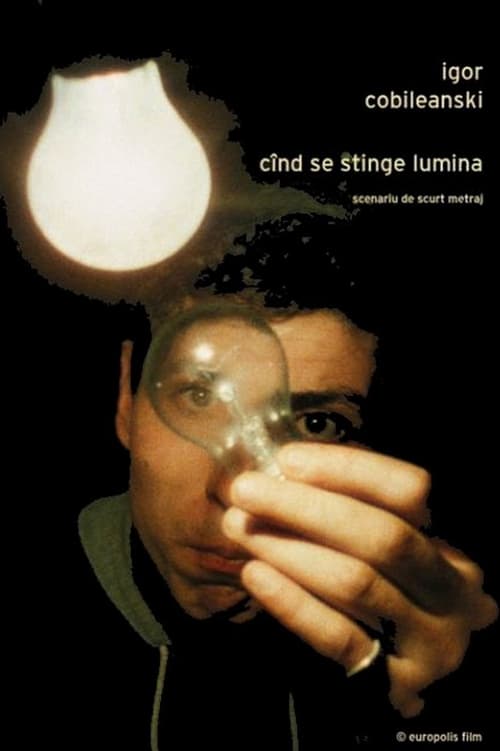
In a poor country obsessed with making easy money, 100 bucks are enough to lose your mind for a couple of minutes. The members of a rock band come up with a bet: if you stick a light bulb in your mouth you can’t pull it out anymore. However absurd the idea may seem, it soon proves to be contagious…
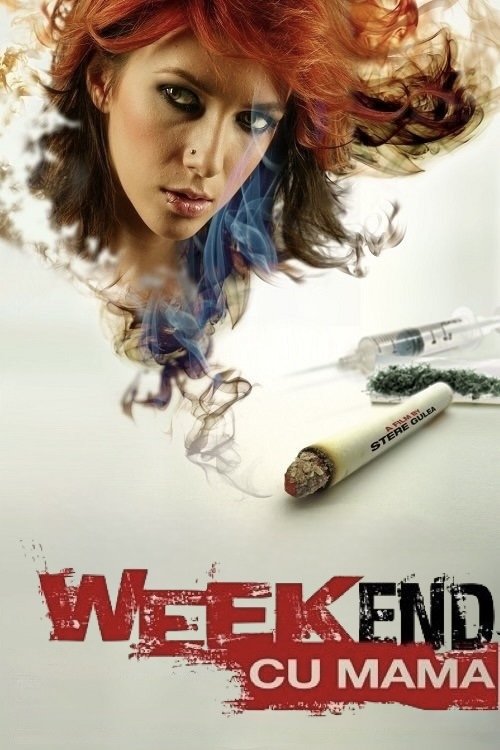
15 years ago, Luiza decided to make a fresh start in Spain. She left her 3-year-old daughter Cristina in the care of her relatives and took off. When she returns to Romania, the woman learns some shocking truths that were kept hidden from her: Cristina ran away from home, is a drug addict and has a 2-year-old girl who lives in an orphanage. Overwhelmed by guilt, Luiza attempts to save her daughter
Most of the Gypsy population of Clejani, a village located some 50 km away from Bucharest, traditionally consists of musicians going back for many generations. The film shows how the musicians relate to daily life and the way their perception of reality influences their music. Firm belief in superstitions, the unavoidable blows of fate, communication with the dead, become the sources of inspiration and expression, of joy and sorrow. Alexandra Gulea’s unconventional documentary takes us on a musical journey to the origins of romanian gypsy music.
The Aromanians (Rrãmãnji) are an ethnic group found mainly in today’s Albania, Greece, Bulgaria and Romania. For filmmaker Alexandra Gulea, this question of heritage is connected to the name she shares with her grandmother, who was born into a traditional Aromanian life, and is fluent only in an Aromanian language. The older Alexandra's father suffered a violent death in an uprising for his people's rights, which forced the family out of Greece and into a politically treacherous Balkan landscape deep in the throes of nationalist upheavals, until finally, they found a home in Romania.
This video essay deepens loneliness, poverty and depression by developing the tragic story of a boy from the Jiu Valley who commits suicide because of his mother’s absence.