Bette Bourne
Acting
Biography
Bette Bourne born Peter Bourne was a British actor, drag queen, and activist. His theatrical career spanned six decades. He came to prominence in the mid-1970s when he adopted the name "Bette" and a radical posture on gay liberation. He joined the New York-based alternative gay cabaret troupe Hot Peaches on a tour of Europe and then founded his own alternative London-based gay theatrical company, Bloolips, which lasted until 1994. Beginning in the 1990s, Bourne took on more traditional acting assignments in both male and female roles, sometimes in fringe theatres and campy new dramas, but also in classics by Shakespeare, Oscar Wilde, and Noel Coward. He toured widely in one-man biographical shows playing Quentin Crisp and as himself. He generally eschewed such labels as drag queen or female impersonator, preferring to describe himself as "a gay man in a frock". Rather than "mimic a male stereotypical conception of womanhood", wrote one theatre journalist, Bourne sought "to find a different way of being a man". Asked in 2010 if he had left his radical politics behind he said: "One doesn't just stop being what one is. I'm still out there, still full of fury and rage, but on the whole I do try to keep up a very pleasant façade." Peter Bourne was born in Hackney, East London, into a working-class family. He had two sisters and a brother (actor and singer Mike Berry). His mother was an amateur actress.
Known For

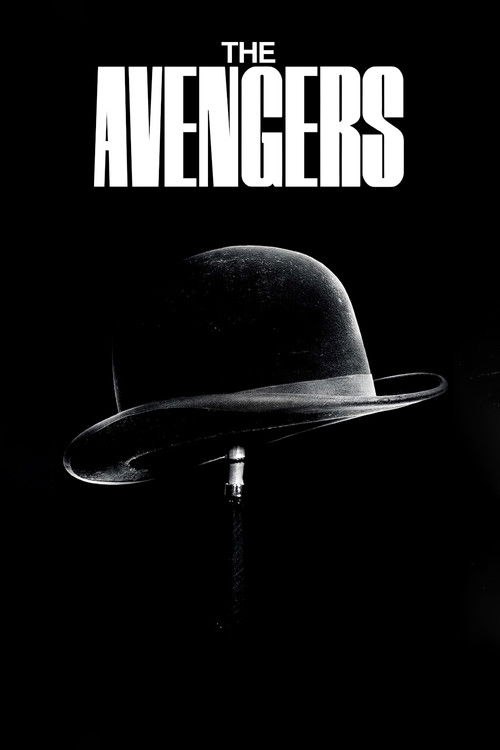
A quirky spy show of the adventures of eccentrically suave British Agent John Steed and his predominantly female partners. Jonathan Steed - an urbane, proper gentleman spy - teams with various assistants throughout the series' run, including Dr. David Keel, Cathy Gale, Emma Peel and Tara King, to repeatedly save the world from diabolical schemes plotted by equally diabolical evil-doers (among them robots and man-eating monsters).
The Avengers

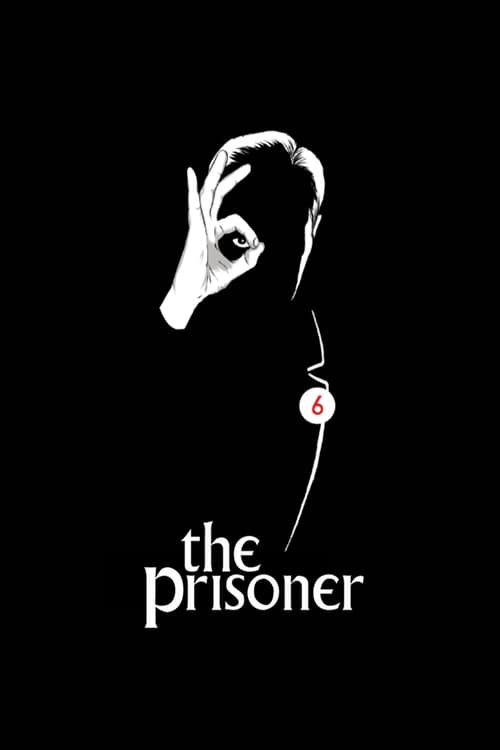
After resigning, a secret agent is abducted and taken to what looks like an idyllic village, but is really a bizarre Kafkaesque prison. His warders demand information. He gives them nothing, but only tries to escape.
The Prisoner

Churchill's People is a British anthology series based on A History of the English-Speaking Peoples, Winston Churchill's four-volume history of Britain and its former colonies. 26 episodes were produced by the BBC and initially broadcast from 30 December 1974 to 23 June 1975.
Churchill's People

Screenplay was a drama anthology television series, broadcast on BBC between 1986 and 1993. Numerous episodes were produced including one named "Boswell and Johnson's Tour of the Western Islands" starring Robbie Coltrane as English writer Samuel Johnson who in the autumn of 1773, visits the Hebrides off the north-west coast of Scotland. That episode was directed by John Byrne and co-starred John Sessions and Celia Imrie.
ScreenPlay

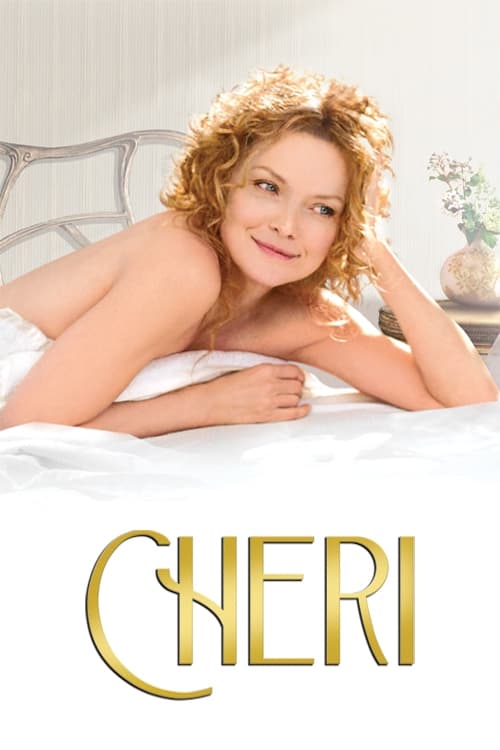
The son of a courtesan retreats into a fantasy world after being forced to end his relationship with the older woman who educated him in the ways of love.
Chéri

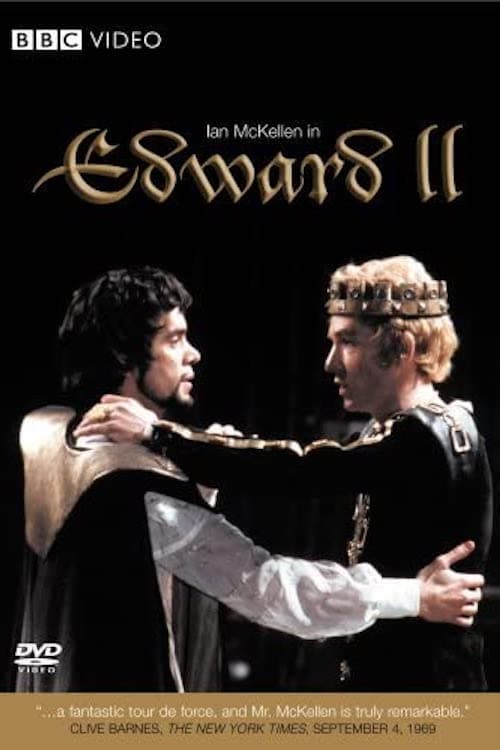
England, 14th century. King Edward II falls in love with Piers Gaveston, a young man of humble origins, whom he honors with favors and titles of nobility. The cold and jealous Queen Isabella conspires with the evil Mortimer to get rid of Gaveston, overthrow her husband and take power...
Edward II

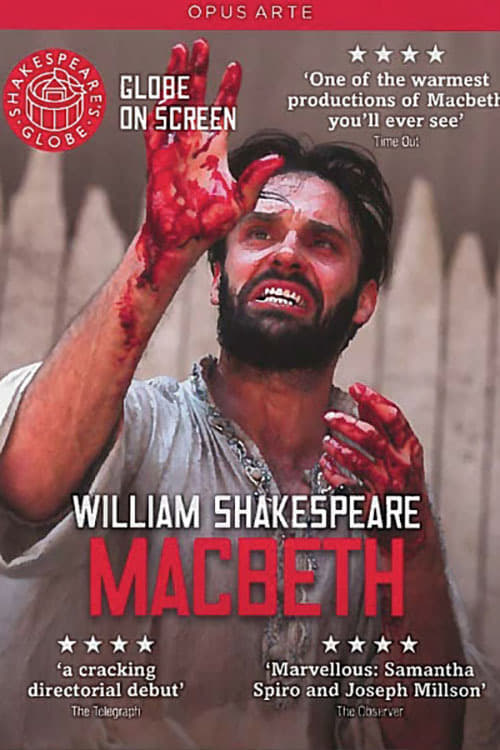
When three witches tell Macbeth that he is destined to occupy the throne of Scotland, he and his wife choose to become the instruments of their fate and to kill the first man standing in their path, the virtuous King Duncan. But to maintain his position, Macbeth must keep on killing – first Banquo, his old comrade-in-arms; then, as the atmosphere of guilt and paranoia thickens, anyone who seems to threaten his tyrant’s crown.
Macbeth - Live at Shakespeare's Globe

Quentin Crisp was a writer, raconteur, social rebel, and "professional being". He was nearly 91 when he died of heart failure in 1999, and his death powerfully affected those who loved him. In this portrait, Tim Fountain (Crisp's biographer, and author of the play RESIDENT ALIEN) interviews friends and family of Crisp, to learn something of the significance of his death, and the "enigma of his life".
The Significant Death of Quentin Crisp

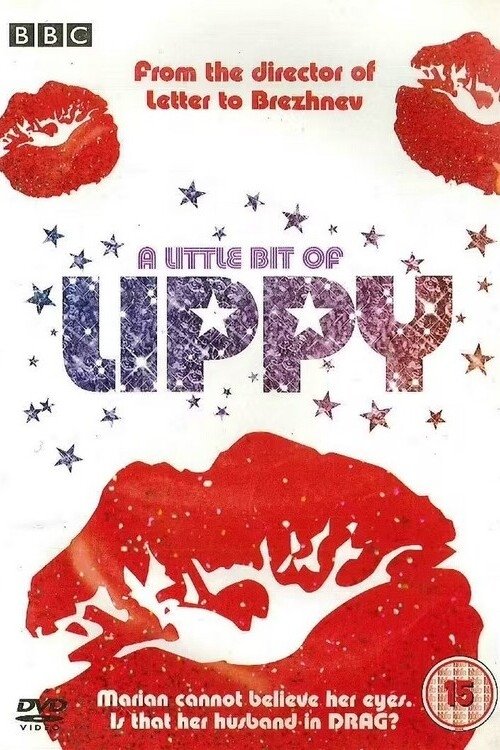
When working-class Liverpudlian Rick Fairley reveals his long-standing interest in cross-dressing to his wife, Marian, she is understandably surprised -- as are her parents, Reggie and Alma Titherington. But, as Rick's eye-opening interest leads the long-stagnant Fairleys into titillating new romantic territory, the couple find that a little bit of lipstick goes a long way when it comes to reinvigorating their marriage.
A Little Bit of Lippy

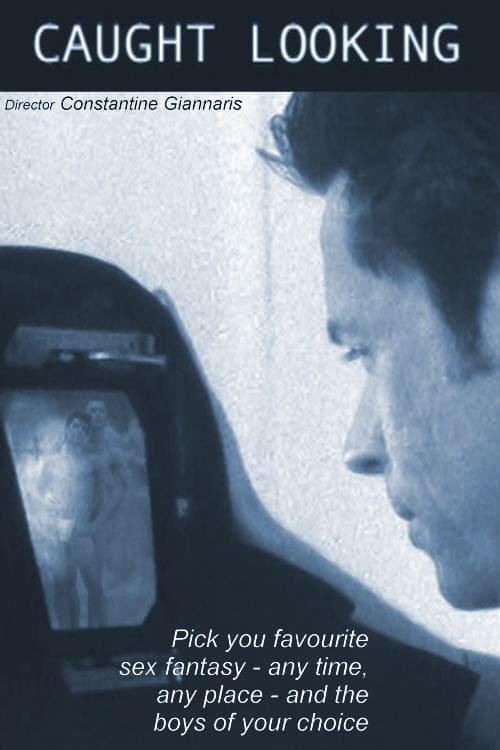
Caught Looking sees a lonely gay man attempt to explore his sexual fantasies with the help of an interactive computer game, guiding his virtual reality persona through a series of potential encounters (naval rough trade, a moustachioed 'clone', a 50s muscle man) while offering wry commentary on the shifting landscape of queer cruising. But is it love he’s really looking for?
Caught Looking
March 1999. Tim Fountain and Bette Bourne meet Quentin Crisp in his famously filthy New York apartment for one of his very last interviews before his sudden death in England a few months later during Tim and Bette's production of Resident Alien, a play based on Quentin's life and writing at the Bush Theatre, London.
Meeting Mr. Crisp

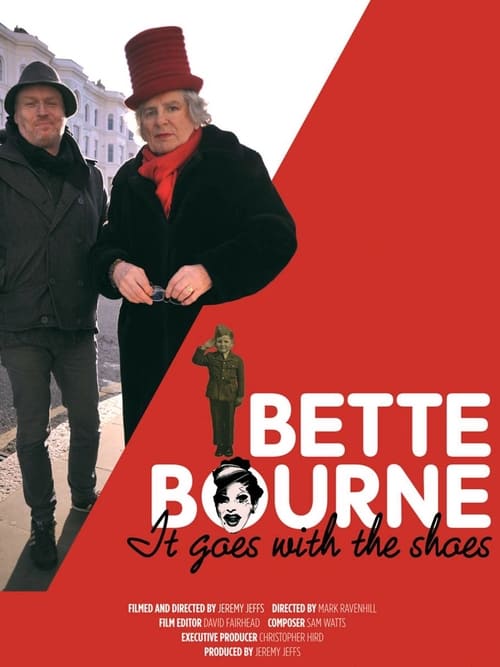
An encounter with an unforgettable legend: Bette Bourne, reveals his varied life through a series of interviews, partly based on a theatre collaboration between Bourne and Ravenhill. This is a richly enjoyable exploration of the life of a born performer with some great archive footage and rare photographs. A highly successful career on the London stage was put on hold when Bette discovered gay liberation. But out of a gay drag commune in Notting Hill, Bette fashioned a glorious theatre troupe Bloolips, bringing together a unique blend of costume, camp and musical theatre leavened with sexual politics. The film offers an insight into a passionate and gifted actor who has made a great contribution to gay life, art and politics.