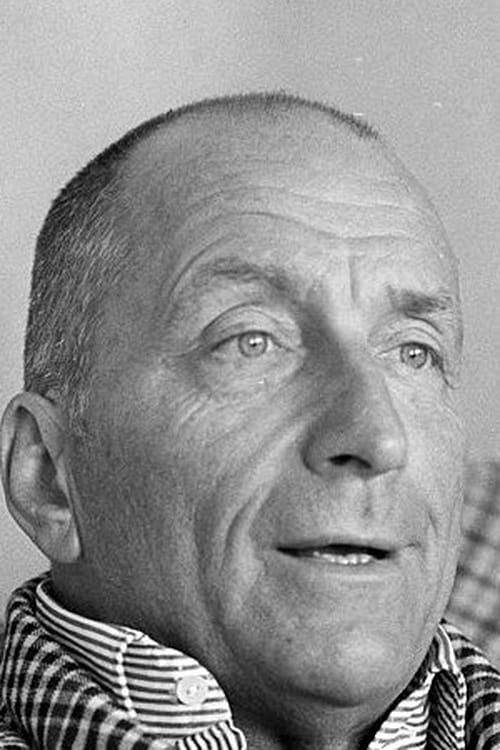
Bernard Lefort
Acting
Biography
Bernard Lefort (29 July 1922 – 19 January 1999), was a French lyric baritone, and later an opera director. Born in Paris, Lefort was a pupil of the Institution Notre-Dame de Sainte-Croix and then sang in the college choir of the Schola (the Petits chanteurs de Sainte-Croix de Neuilly). He then began a career as a baritone, mainly in French mélodies (Germaine Tailleferre composed for him her Concerto des vaines paroles, for baritone and orchestra in 1956), but also in operetta and opera (he performed in the mid-1950s au Théâtre du Châtelet and at the Paris Opera). He stopped singing for health reasons in the late 1950s. He then became Artistic Director of the Lausanne Festival, then directed the Opéra de Marseille from 1965 to 1968. He will then lead the Festival d'automne à Paris, le Festival de Royaumont, then the Paris Opera, and finally the Aix-en-Provence Festival from 1974 to 1982 (where he succeeded Gabriel Dussurget). Source: Article "Bernard Lefort" from Wikipedia in english, licensed under CC-BY-SA 3.0.
Known For

Midi Première is a French variety show presented by Danièle Gilbert, directed by Jacques Pierre and broadcast from January 6, 1975 until January 1, 1982 on TF1. The program was generally broadcast between 12:15 p.m. and 12:55 p.m., then giving way to the 1:00 p.m. TV news. However, the broadcast schedule could change, depending on the guests, and the setting where the recording of the program was shot. Certain performances by artists who have become cult like the one where Ringo jostles with a demonstrator in interpretation (1977), that of Dalida with the title There is always a song with the soundtrack that does not start, twice, at the right speed (1978), Claude François and his Clodettes, who, in the provinces, are unable to join "the set" in order to interpret his song, the latter being taken by the crowd of delirious fans (summer 1977) . The group Supertramp performed there with the title "Dreamer" on March 8, 1975.
Midi Première

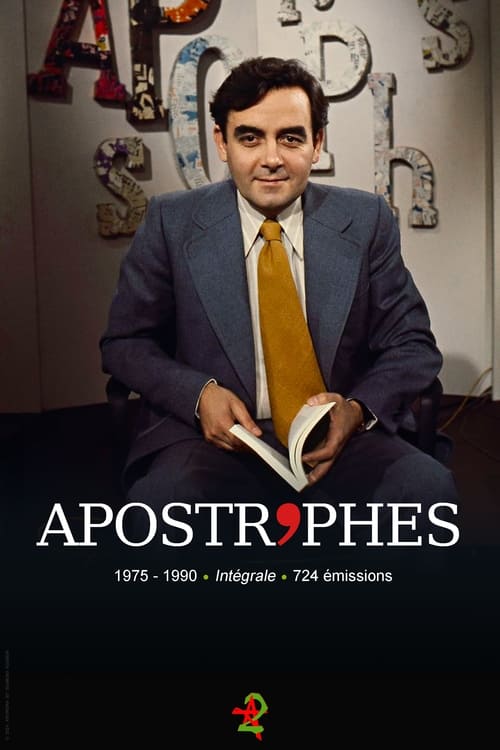
Apostrophes was a live, weekly, literary, prime-time, talk show on French television created and hosted by Bernard Pivot. It ran for fifteen years (724 episodes) from January 10, 1975, to June 22, 1990, and was one of the most watched shows on French television (around 6 million regular viewers). It was broadcast on Friday nights on the channel France 2 (which was called "Antenne 2" from 1975 to 1992). The hourlong show was devoted to books, authors and literature. The format varied between one-on-one interviews with a single author and open discussions between four or five authors.
Apostrophes

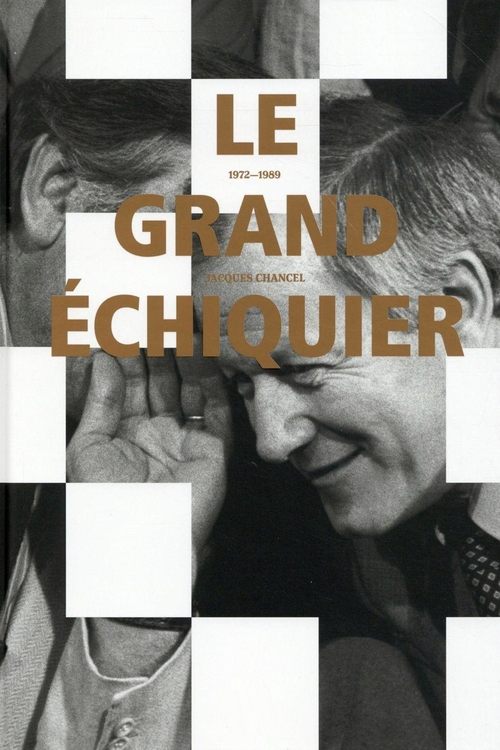
Le Grand Échiquier is a French variety television program created and presented by Jacques Chancel. It aired at 8:30 pm on the first channel of the ORTF from January 12, 1972 to July 12, 1972, then on the second color channel of the ORTF from September 1972 to December 1974, and finally on Antenne 2 from January 1975 to December 21, 1989. The program returned to France 2 on December 20, 2018 and is hosted by Anne-Sophie Lapix.
Le Grand Échiquier

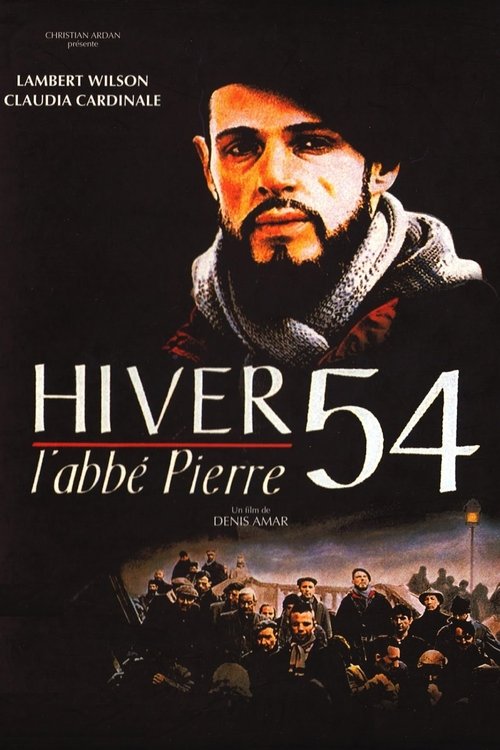
Postwar France was slow to recover from the after-effects of the World War Two. The economy was doing poorly, and many people were poor and homeless, sleeping under bridges, etc. The winter of 1953-54 proved particularly difficult for these people, as it was one of the coldest on record. Father Pierre (Lambert Wilson), a parish priest, on seeing the suffering of these people (and their frequent death from the cold), was moved to write the French government seeking help for them. When his letter, which was published in the newspapers, succeeded in rousing overwhelming popular support for helping the homeless, he was able to form a charitable group (still active today) titled "Les Chiffoniers d'Emmaus," or "The Ragpickers of Emmaus" to channel help to them. This biographical film tells the true story of Abbe Pierre's successful efforts in those years.
Hiver 54, l'abbé Pierre

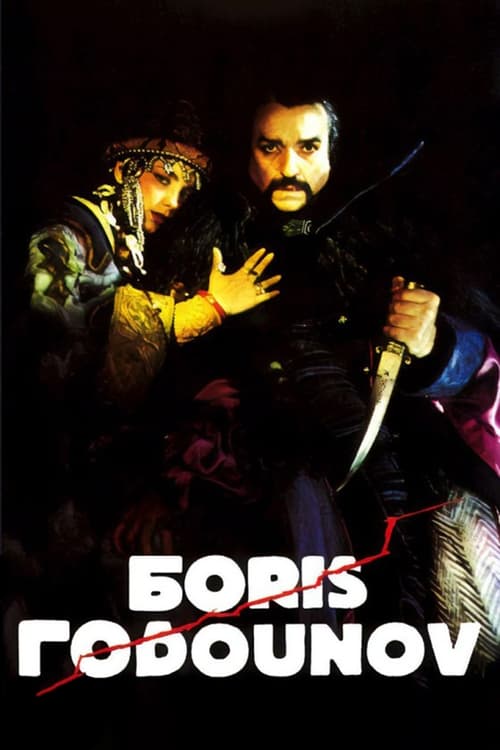
A possible impostor torments a newly crowned medieval czar who may have ordered the real successor's death.
Boris Godounov

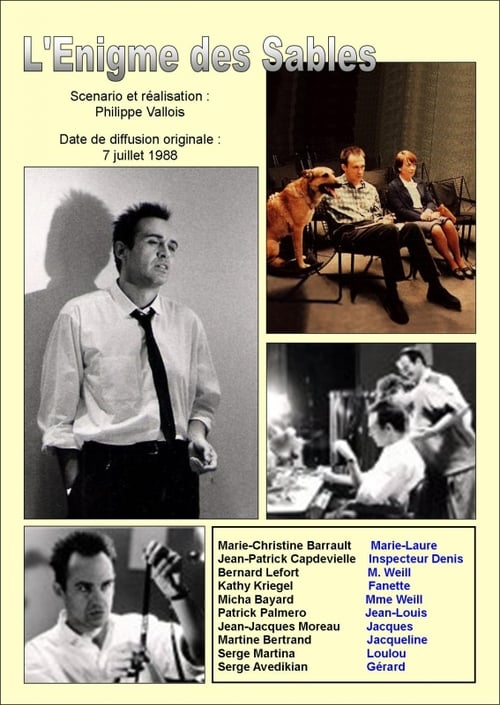
A team of amateur filmmakers sets off, camera in hand, to the south of Morocco. During their stay, one of the members of the group, Fanette, a vulgar vampire, is murdered. The Moroccan police do not find the culprit, and Paris takes over the case. The inspector in charge of the investigation decides to view all the "works" made on site, in the presence of their author.