Writing
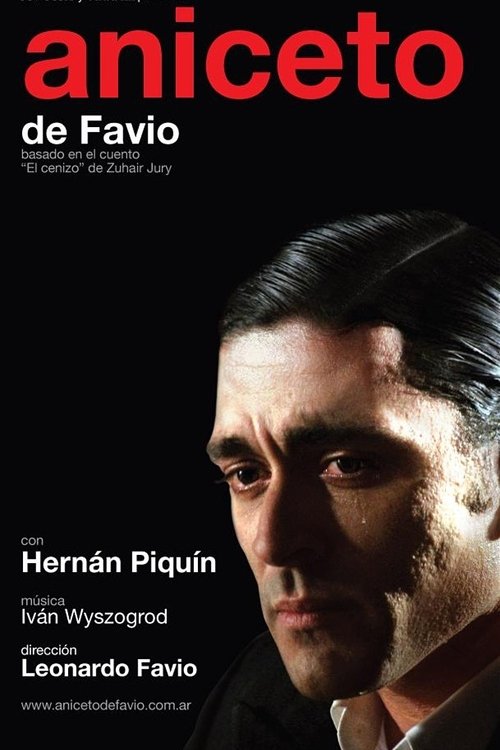
A simple woman, with a routine life, who meets a cardboard collector, younger than her, with whom she begins to have amorous fantasies.
Love, passion, disappointment, pain and sadness shape this love triangle between Aniceto, Francisca and Lucía, played by dancers Hernán Piquín, Natalia Pelayo and Alejandra Baldón.
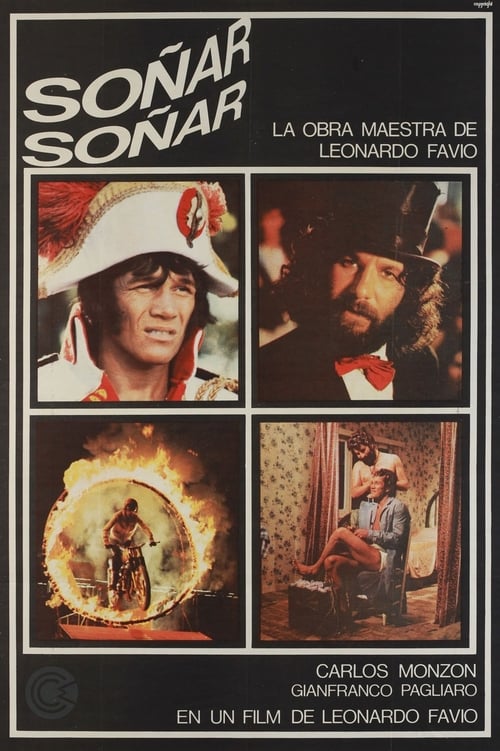
Mario, “el Rulo,” is a wanderer who travels the country giving artistic performances. One day he passes through the town of Carlos, a municipal employee who dreams of being an artist. A friendship is born between the two of them, and Carlos leaves it all behind to follow Mario.
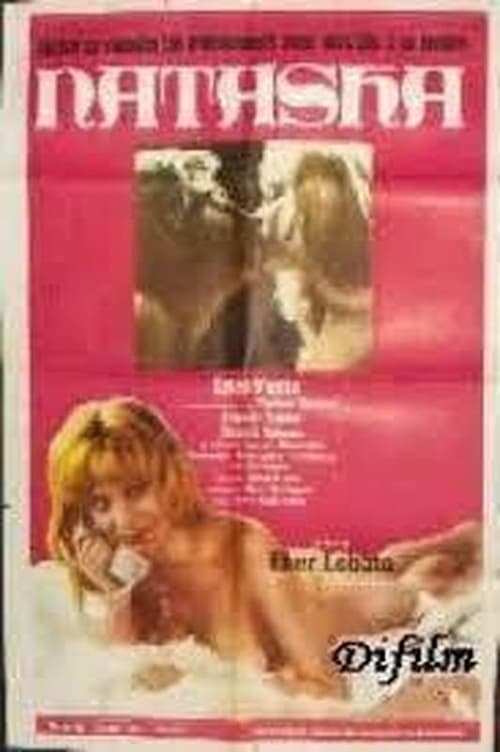
Fernandez is a lonely man leading a lonely life. All he does is work for an old man in a hardware store. But all that changes, when he meets the girl of his dreams... and her family.
Adaptation to animated film for children of the classic poem of manners from Argentine literature that shows the life and hardships of the gaucho¸ character who inhabits the Argentine fields known as pampas.
No description available.
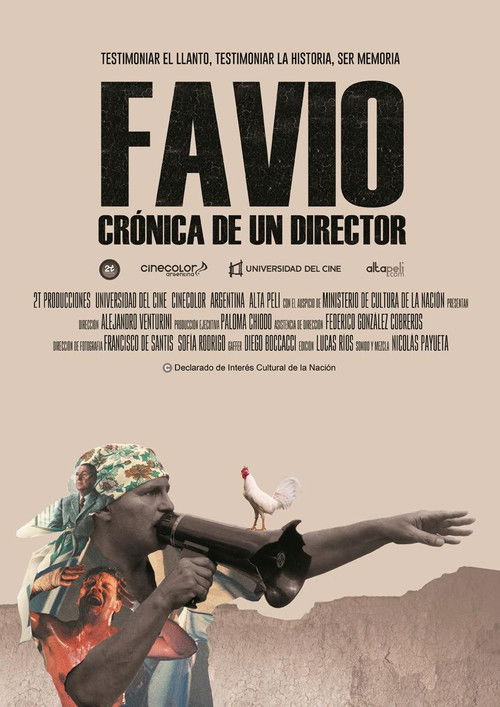
Going through Leonardo Favio's film career means reuniting with images and sounds that built a sensibility that keeps expanding generation after generation. This documentary follows the path of a unique filmmaker by means of a scheme of voices, including that of Favio himself, with the lucidity and brutal honesty so typical of him.
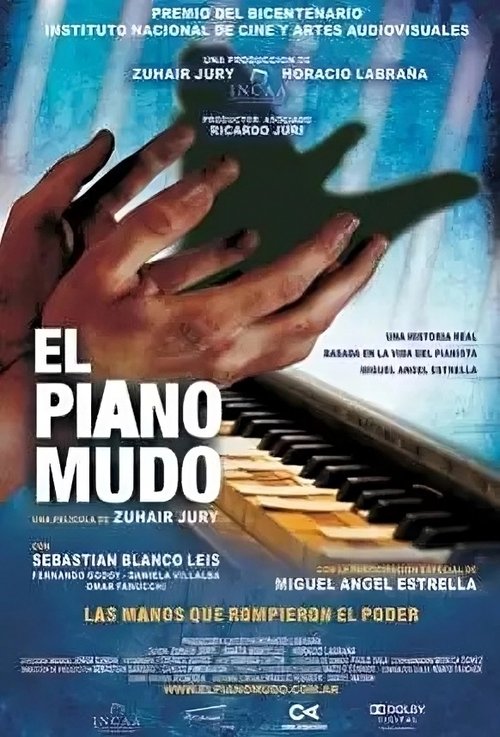
A biographical film about the Tucumán pianist Miguel Ángel Estrella, which focuses on his imprisonment in a Uruguayan prison during the last military dictatorship.
In the late nineteenth century, the mule driver Juan Moreira is a good gaucho and worker who, like many others, is subjected to abuse and humiliation by the powerful, either the police or landowners.
A boy who lives and works with his grandfather whom he helps put together cardboard finds a magical book that tells stories and turns them into reality. With the characters in his stories, he will share adventures that bring him closer to fulfilling his greatest desire, which is to have a mother.
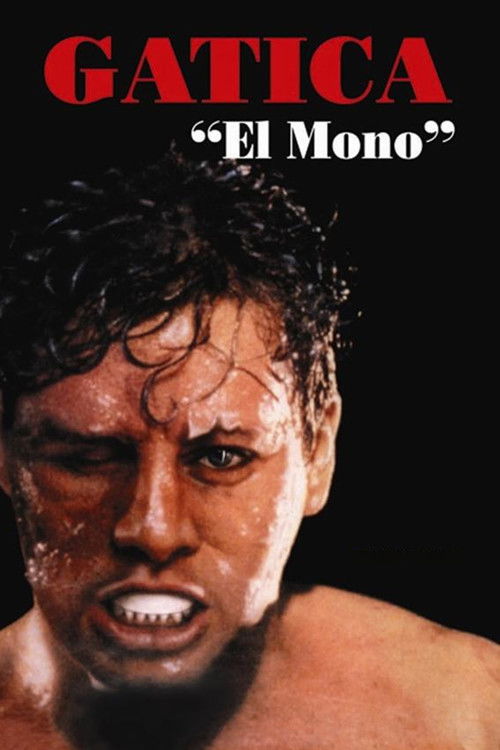
The story of José María Gatica, better known as Gatica el Mono, Argentina's main boxing star during the 1940s and 50s. The film follows his ascent, his relation with peronism and their downfall.
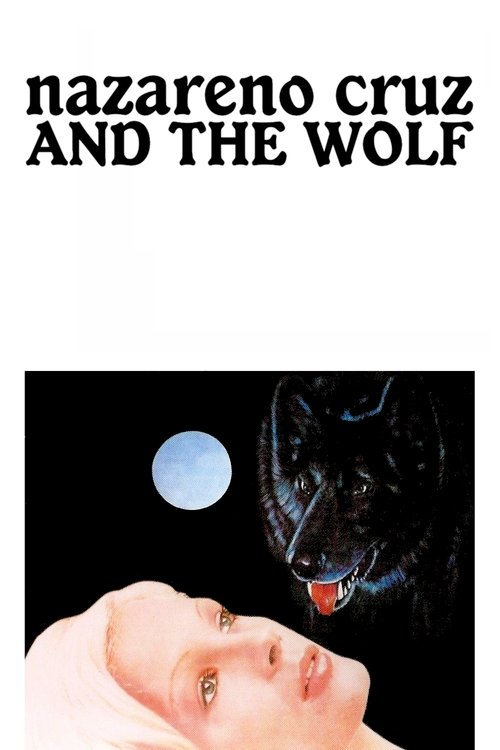
The Mighty One offers Nazareno Cruz all the wealth in the world if he agrees to abandon his beloved; otherwise, the curse that supposedly weighs on him will be fulfilled.
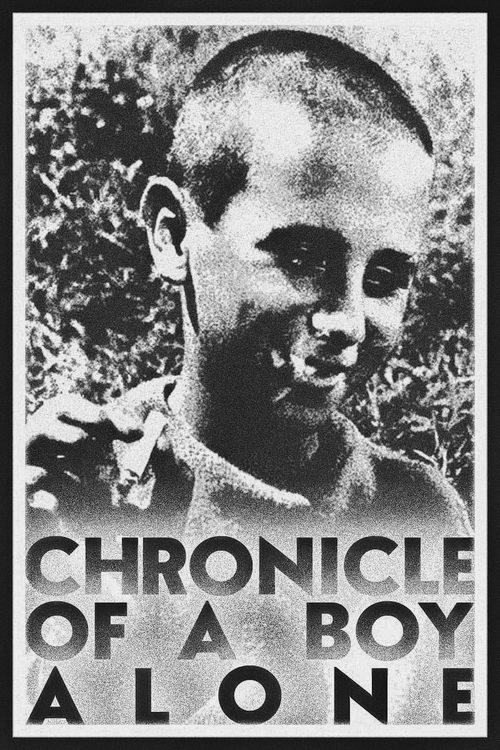
The story of a delinquent eleven-year-old orphan in authoritarian Argentina.
Aniceto is used to being lonely. When Francisca offers him her love, his personal limitations and little miseries arise.
When a Mapuche community is displaced from their land by authorities, one of their members, Nahuel Pan (Fabián Gianola), decides to confront the president of Argentina and tell him about his people's problems. On the bus to Buenos Aires he meets Fernando (Alberto Segado), a gay businessman, who invites Nahuel to his home. Fernando's dissolute lifestyle of costume parties and heavy drinking begins to seem more and more empty and frivolous as he identifies with Nahuel's quest to overcome beaurocracy and indifference. Occasionally funny and ultimately heartbreaking.
A girl and her fantasy universe in the brick ovens.
There are very few icons in Argentine culture capable of appealing to both popular and elitist tastes. Leonardo Favio was undoubtedly one of them. An unseasonable Peronist attached to the liturgy of his land, the director, born in the province of Mendoza, was and artist at every craft. a Renassaince man, but above all, a filmmaker. This is how "Favio: Chronicle of a Director" recaptures him, as a man of film who fed from radio, acting, music and painting in order to build up the handful of rhapsodies with which he adorned argentinean cinematography