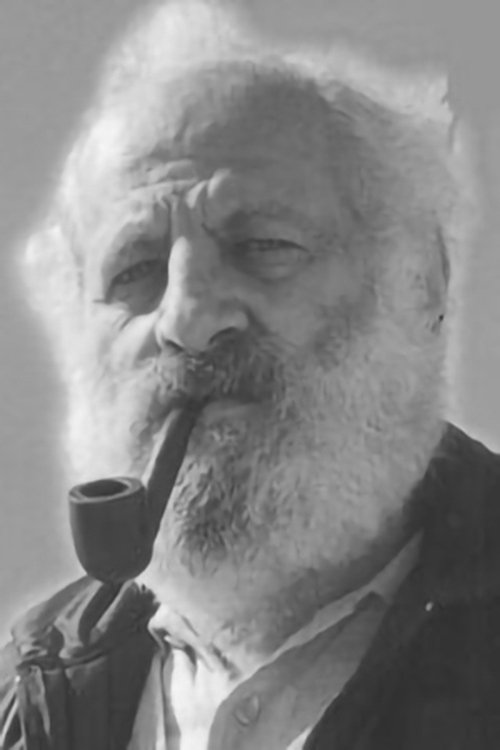
Mircea Săucan
Directing
Biography
Mircea Săucan (1928–2003) was a visionary Romanian filmmaker and writer whose short yet fiercely poetic filmography challenged the boundaries of cinematic language under the shadow of political censorship. Born in Paris to Romanian Jewish parents and raised in Romania, he studied film at VGIK in Moscow, where he absorbed the language of montage and expressionist realism. Throughout the 1960s and '70s, Săucan directed a handful of bold, unconventional films—"The Endless Shore" (1962), "Meanders" (1966), "Alert!" (1967), and "100 Lei" (1973)—each of them strikingly visual, introspective, and structurally daring. His lyrical style and refusal to conform to socialist realism earned him both admiration from peers and suppression from the state. Most of his work was either shelved, censored, or mutilated by authorities. Exiled from filmmaking, he eventually emigrated to Israel, where he lived the rest of his life in quiet obscurity, working outside the film industry. In later years, his work was rediscovered and celebrated by cinephiles and critics alike for its human depth, visual poetry, and quiet rebellion. Mircea Săucan remains one of Romanian cinema's most tragic and beautiful voices—an artist ahead of his time, silenced too soon, but whose films still whisper, ripple, and burn.
Known For
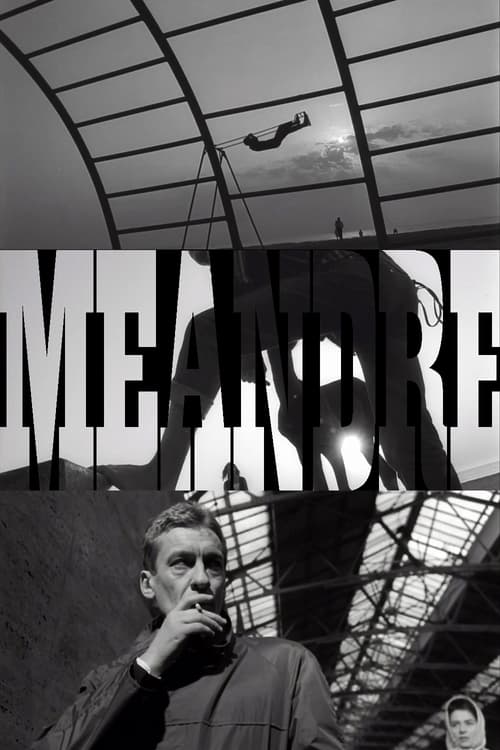
Petru and Constantin, former faculty mates, have different views concerning their lives and professions; while the former has a bright imagination, is very creative and daring, the latter is looking only for personal comfort and material satisfaction. They contend for the same woman – but even if she loves Petru, she marries Constantin for his material condition. Though he finds in Constantin an adversary who does not hesitate to remove him, Petru will surpass him professionally.
Meanders
A more experimental aproach to labor protection films. In the line of Săucan's style, the soundtrack is as important as the image, the threatening music, full of shrillness, composed by Ion Dumitrescu potentiating the visual construction that mixes - in a montage reminiscent of the Soviet avant-garde school of the 1920s - all kinds of shooting techniques and frame combinations.
Open files
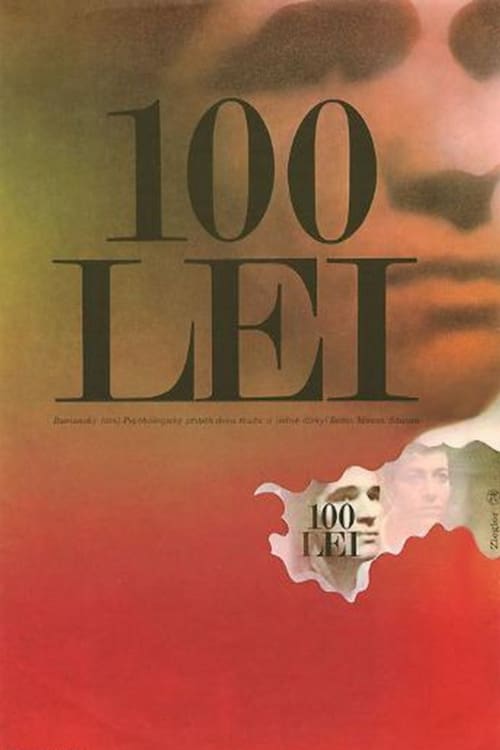
Arguing with his parents, Petre, a teenager, moves at his bigger brother, Andrei, a successful actor. There he meets Dora, one of his brother's young fans. When Andrei gives the girl his attention, Petre feels abandoned and runs away without even taking the hundred lei bill his brother had given him. A car runs Petre down. When he learns about this tragic accident, Andrei realizes - while watching his own smiling face in a musical on TV - that underneath his glittering success, he lives an empty life.
The Hundred Lei Bill
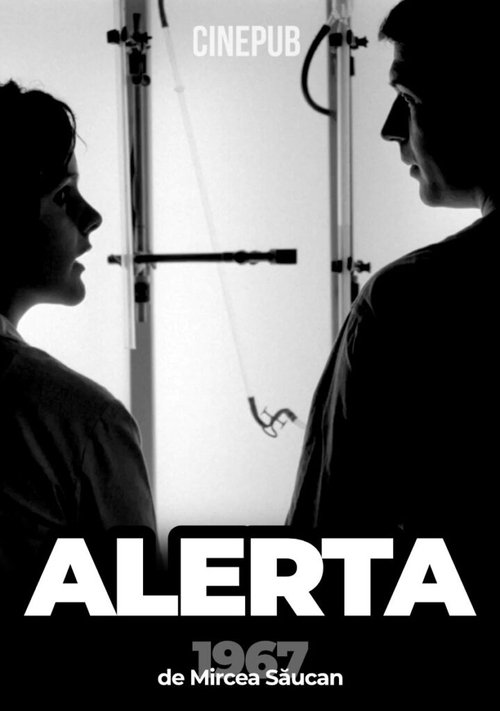
A series of four films presented as educational clips about work safety in a chemical factory presents a multi-layered reflection on the ambiguity of life and death, waking and dreaming, seen through oppressive black and white images and episodic narrative. The enigmatic story of a young couple employed in a socialist factory is characterized by the constant repetition and variation of motifs that ironically violate safety rules. „Inhale as much air as possible, to have what to offer.“
The Alert!
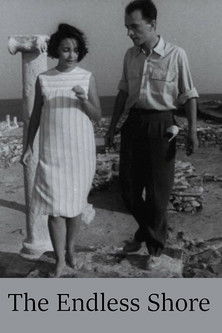
In the summer of 1962, a soldier on leave and a girl from Moscow enjoy a brief but intense love affair on the shores of the Black Sea. Their love games mesh with the games of children on the beach; their dialogues are a mixture of Romanian and Russian, humorous and lyrical at the same time. But the soldier has to return to duty, and all that's left for the girl is the hope that the two will meet again some day. The movie was banned and never released in theaters in Romania, the premiere was in Israel, 1992.
The Endless Shore
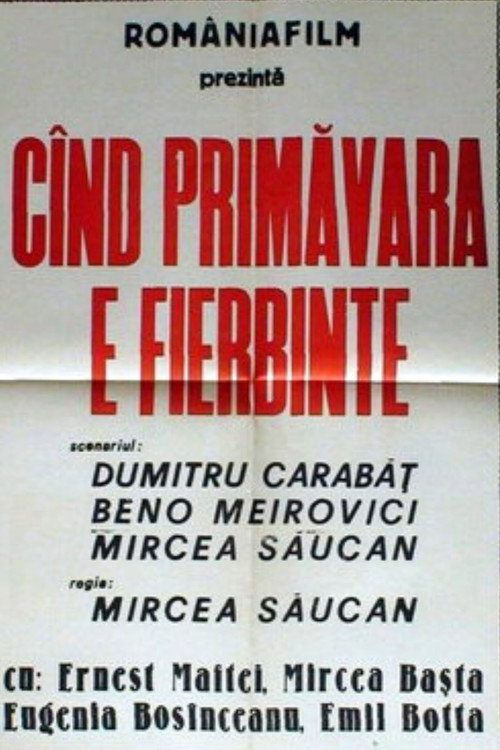
Two soldiers, Tică and Grigore, return from the front on a two-day leave to their home village. The action begins in the spring of 1945. Grigore is unpleasantly surprised to find his name on the monument to fallen soldiers and his girlfriend Ana married to another man.
When Spring Is Hot

A poem about the memory of objects in which the things that furnish a house are described.
The House on Our Street
Short film by Mircea Săucan.