Birt Acres
Directing
Biography
Birt Acres (23 July 1854 – 27 December 1918) was an American and British photographer and film pioneer. Among his contributions to the early film industry are the first working 35 mm camera in Britain (Wales), and Birtac, the first daylight loading home movie camera and projector. He also directed a number of early silent films.
Known For

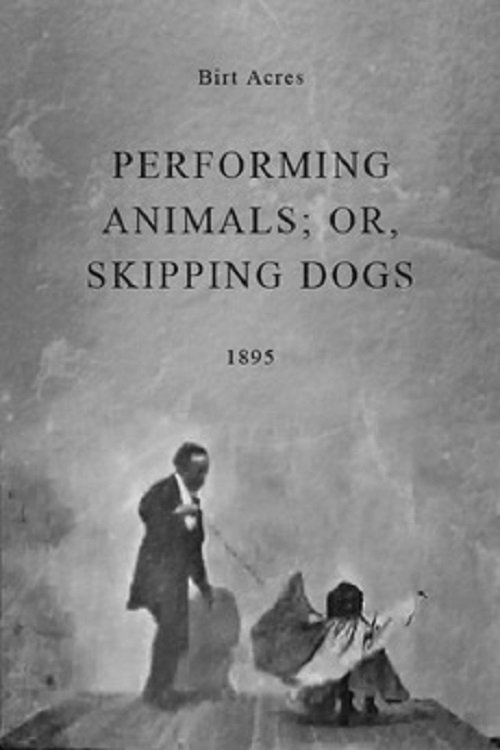
A short black-and-white silent documentary film featuring one dog jumping through hoops and another dancing in a costume, which was considered lost until footage from an 1896 Fairground Programme was identified as being from this film.
Performing Animals; or, Skipping Dogs

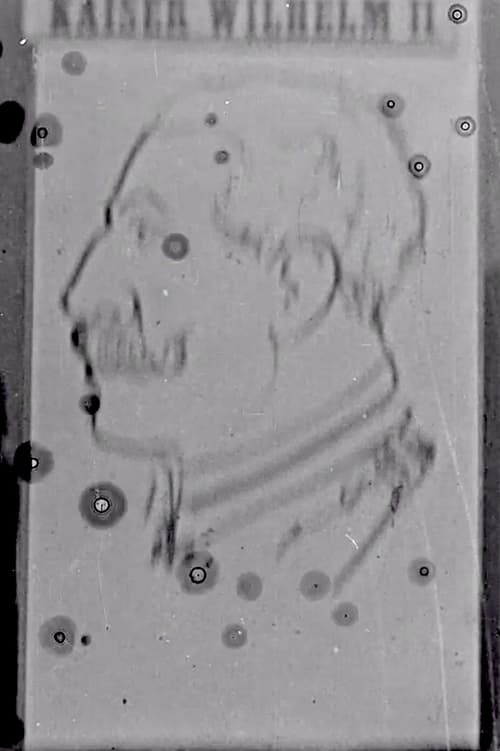
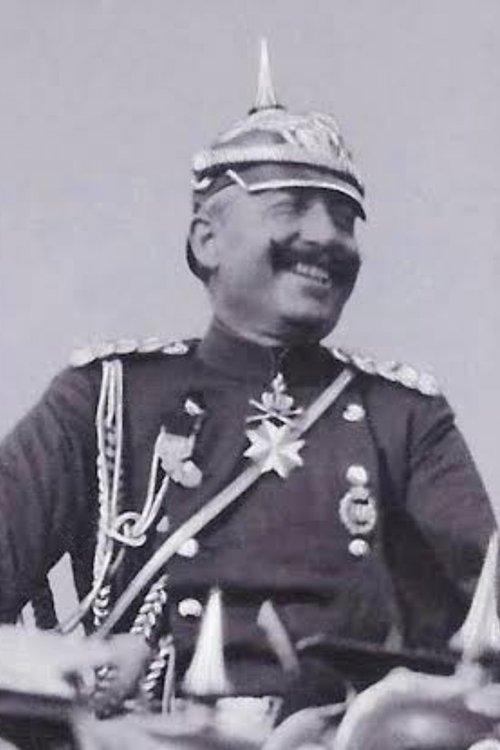
A tiny fragment of an actuality film of Tom Merry (William Mechem), a 'lightning sketch' caricaturist performing his act for the camera and producing a large profile caricature of Kaiser Wilhelm II. The loss of the rest of the film has bequeathed us 6 seconds that are of Mechem standing next to the completed portrait and sadly, that is all there is. An early film made by Birt Acres for R.W. Paul. (see release information for further detail).
Tom Merry, Lightning Cartoonist, Sketching Kaiser Wilhelm II

A stationary camera, looking diagonally across a racetrack toward the infield, records the horses as they race past. Once they are out of view and the race is over, police officers run onto the infield. The crowd moves around.
The Derby 1895
The Boxing Kangaroo is an 1896 British short black-and-white silent documentary film, produced and directed by Birt Acres for exhibition on Robert W. Paul’s peep show Kinetoscopes, featuring a young boy boxing with a kangaroo. The film was considered lost until footage from an 1896 Fairground Programme, originally shown in a portable booth at Hull Fair by Midlands photographer George Williams, donated to the National Fairground Archive was identified as being from this film.
The Boxing Kangaroo

Newsreel coverage of the Prince and Princess of Wales' visit of the 1896 Cardiff Exhibition. Now a lost film, it's considered the first time the British Royal Family was filmed.
Royal Visit of the Cardiff Industrial and Fine Art Exhibition

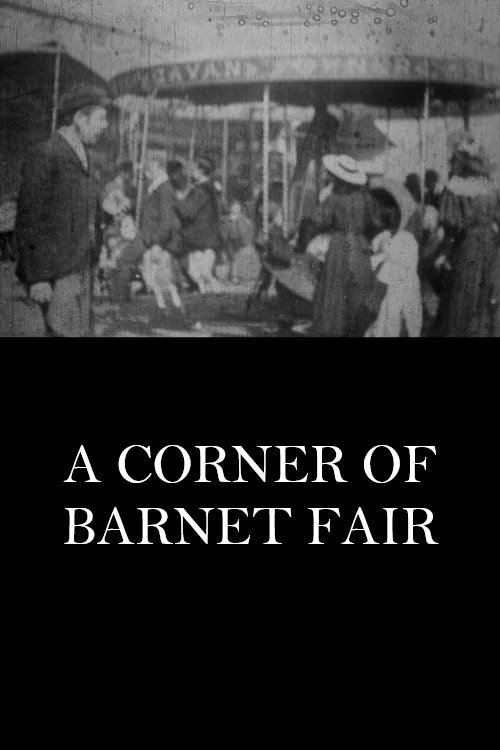
From the BFI Collection, this film is actually two films spliced together into one. The first is Birt Acres' work 'A Corner of Barnet Fair' which is the first film seen . This shows a merry-go-round and some people sitting in a doorway while street traffic goes by. The second film is a fragment of unknown origin of a street outside a very large building of what looks like a possible theatre, with a large Victorian awning. the shop next door appears to be selling wines and spirits. A horse drawn charabanc goes past, followed by a male bicyclist. This is closely followed by a male and female couple in an open carriage and two carts with workmen staring at the camera as they pass. Both films are believed to be from Barnet, given they have been spliced together. The film is in a deteriorated state with some rippling.
A Corner of Barnet Fair

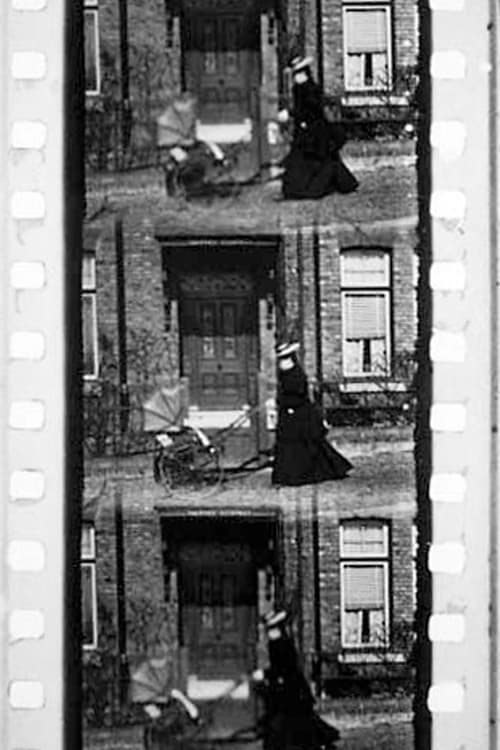
Incident at Clovelly Cottage, also known as Incident Outside Clovelly Cottage, Barnet, shot by Birt Acres and produced by Acres and his collaborator Robert W. Paul in March 1895, was the "first successful motion picture film made in Britain" Considered lost since only a few frames have survived.
Incident at Clovelly Cottage

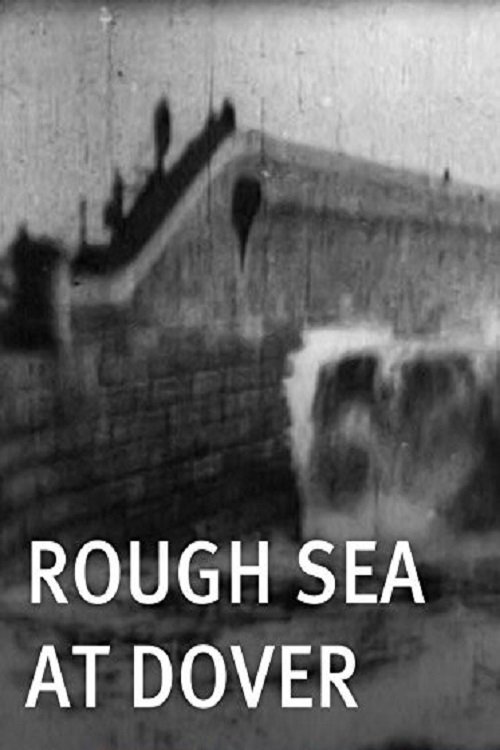
The surf pounds against a breakwater on which are visible several people standing. The wall looks to be about 20 feet above sea level and extend at least 100 feet into the water. A large wave rolls picturesquely along the wall toward the shore. Smaller waves follow. Then the scene changes to river water flowing. We see both shores: in the foreground a log and tree branch are visible; on the far shore, there appears to be a low wall with trees beyond it. The camera is stationary in both shots.
Rough Sea at Dover

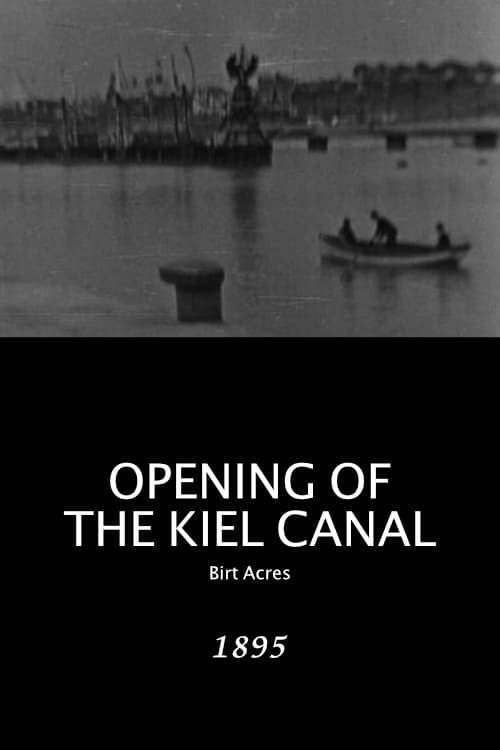
The opening of the Kiel Canal in Germany by Kaiser Wilhelm II on 20 June 1895.
Opening of the Kiel Canal
An 1895 British short black and white silent comedy film featuring two drunken men and a boy squabbling in a small bar.
Untitled Kinetoscope Comedy

Directed by Birt Acres.
The German Emperor Reviewing His Troops
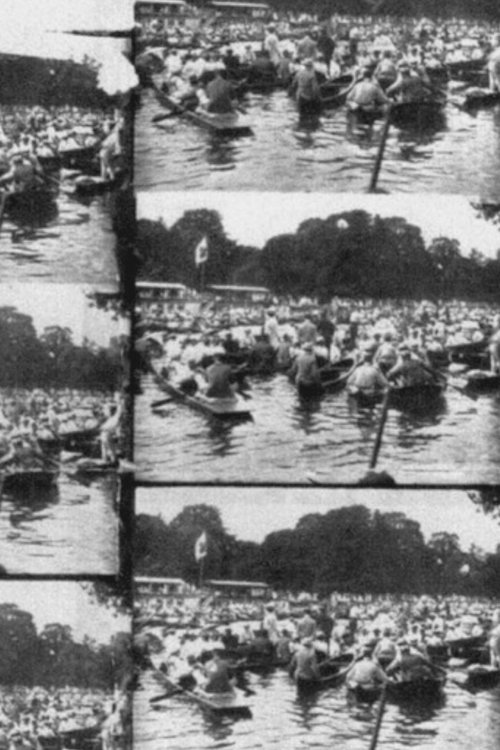
The short film is just a shot of the Oxford versus Cambridge University Boat Race. However, it is extremely important because, filmed on March 30 1895, it is the earliest film from Great Britain.
The Oxford and Cambridge University Boat Race
Brighton. Landing of party from small boat with comic incidents.
Landing at Low Tide

Yarmouth Fishing Boats Leaving Harbour is an 1896 British short black-and-white silent documentary film, directed by Birt Acres, featuring a fleet of fishing smacks leaving the harbour at Great Yarmouth, Norfolk, UK. The "attractive Victorian film," was according to Christian Hayes of BFI Screenonline, "one of the twenty-one subjects presented by Birt Acres to the royal family on 21st July 1896, the day before the marriage of Princess Maud to Prince Charles of Denmark, at one of the very first royal film performances."
Yarmouth Fishing Boats Leaving Harbour

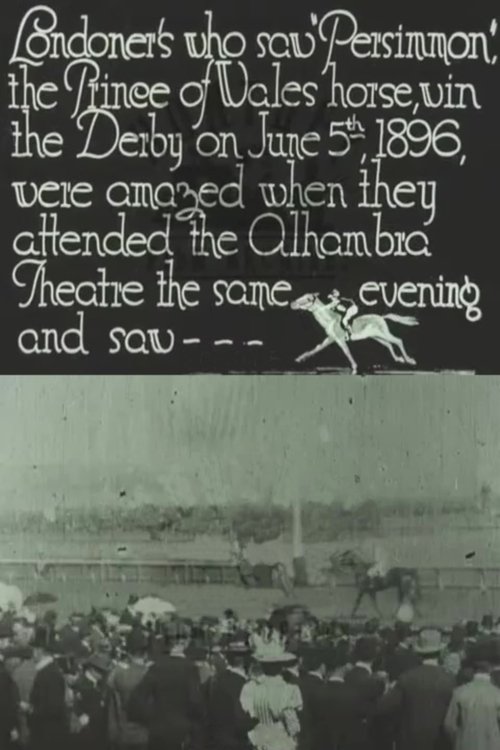
Persimmon winning the 1896 Epsom Derby. Not to be confused with 'The Derby 1985' from the same director.
Persimmons Winning the Derby
Staged boxing match between Sergeant-Instructor Barrett and Sergeant Pope, with a round, interval, and knockout.
Boxing Match; or, Glove Contest

A policeman catches a pickpocket with the assistance of a passing a sailor.
The Arrest of a Pickpocket

Early film of annual Henley race, c. 1896-1897