Acting
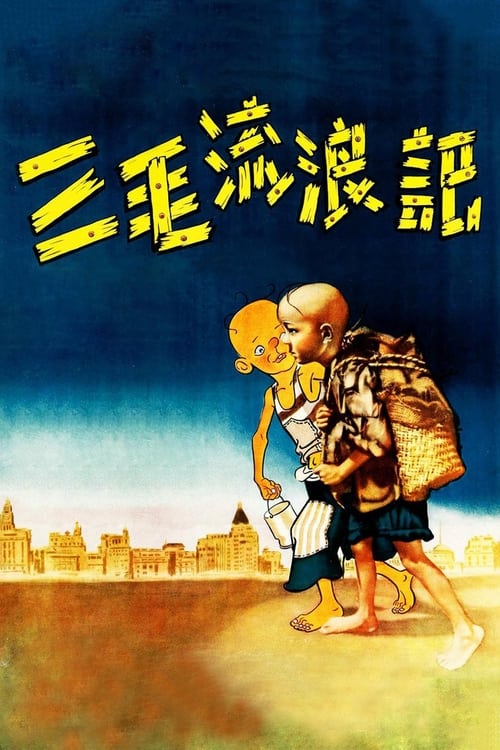
San mao (3 hairs) was a very popular Chinese comic strip first published in 1935-37, continued from 1948 into the 1990s, about a young orphan boy struggling with life in Shanghai.
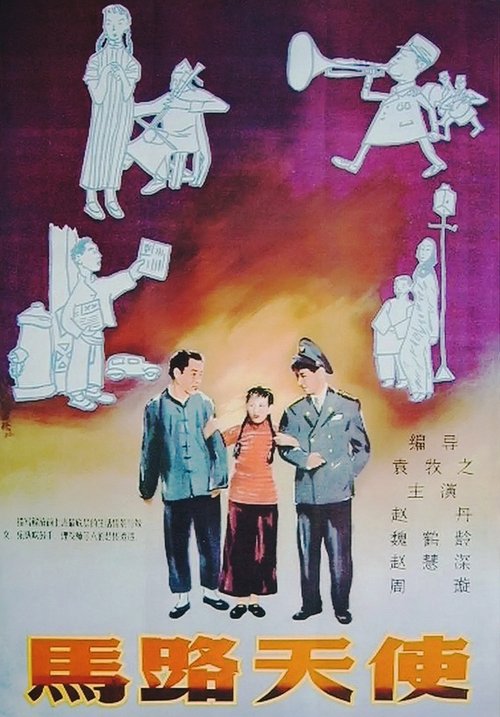
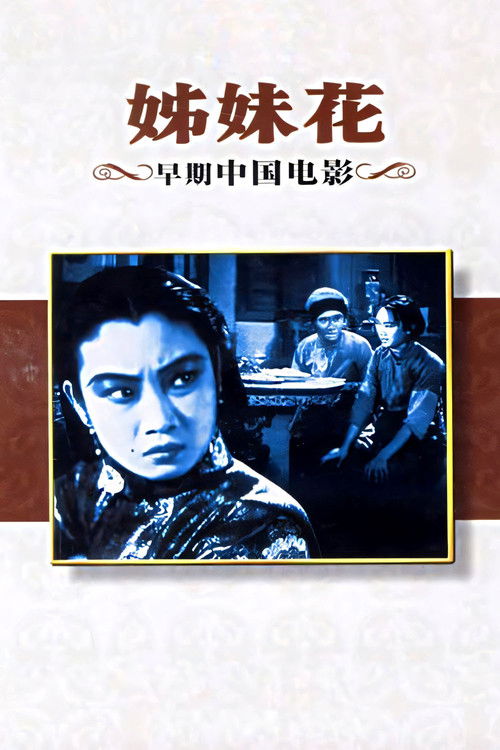
In old Shanghai, two sisters, a prostitute and a singer, try to escape from the local scoundrels with the help of a trumpet player and a newspaper seller.
Twin girls separated at birth are reunited when the one raised in poverty becomes a servant in the household of her sister, now the pampered wife of a warlord general.
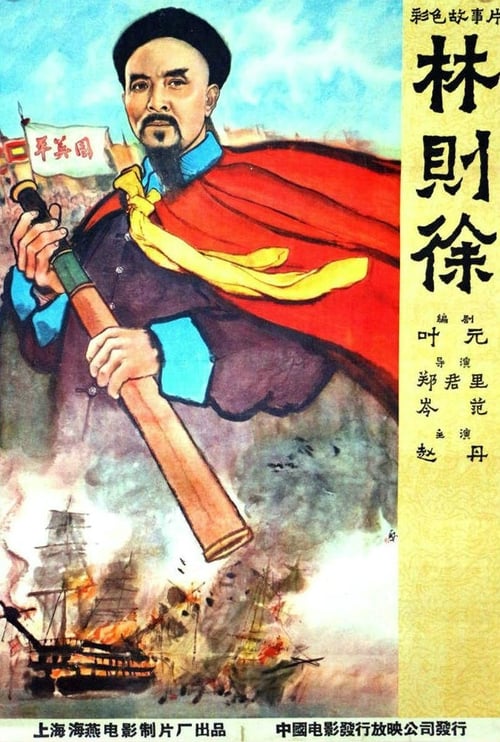
China 1839. Because the British imports of opium into Southern China are creating such widespread medical and economic problems, the weak Manchu emperor Tao Kuang is forced to take action that precipitates the 'Opium War'.
A story of a corrupt party official who attempts to sell an apartment building he has appropriated from the original owner and the struggles of the tenants to prevent themselves being thrown onto the street.
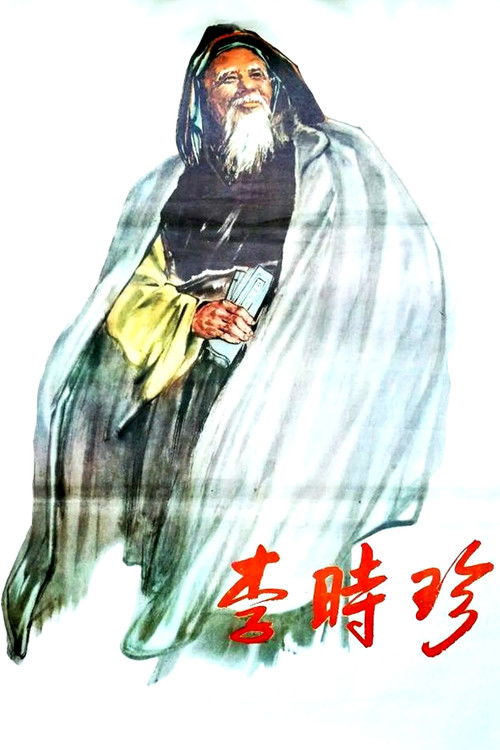
This biography film is based on the life of the real historical figure Li Shizhen.The story focuses on the social injustices suffered by Li as well as the difficulties he overcame in writing the famous Encyclopedia of Herbs.
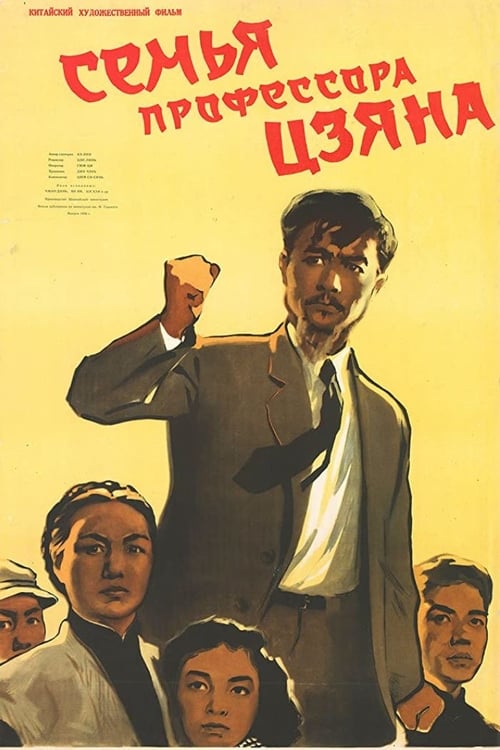
A professor of East China University and his family become supporters of the Communists after America supports the Nationalists.
No description available.
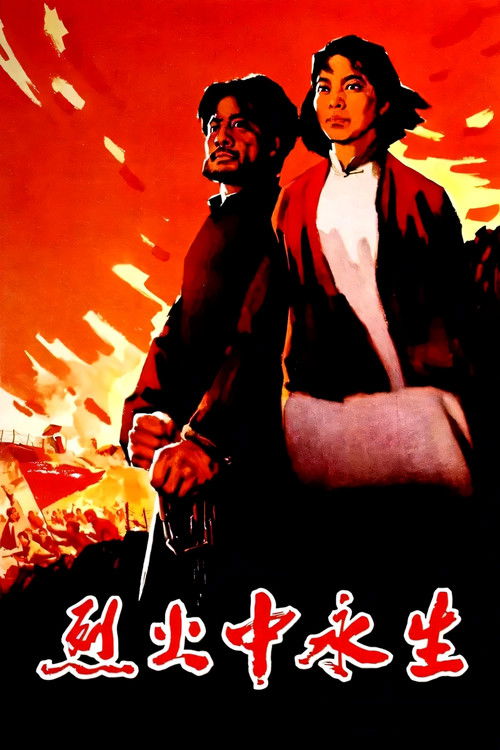
A taut wartime thriller, Red Crag: Life in Eternal Flame anticipates the paranoia and violence of the imminent Cultural Revolution while harking back to the aesthetic splendour of the Golden Age Shanghai cinema of the late 1940s. (This opulence is largely due to the work of cinematographer Zhu Jinming, the master visual stylist of Shangrao Concentration Camp and other key "Seventeen Years" films.) The film concerns a hard-boiled woman working in the Chongqing Communist underground during World War II, whose commitment to the guerrilla cause is only intensified after she witnesses her husband's head mounted on the city walls by the Nationalist forces.
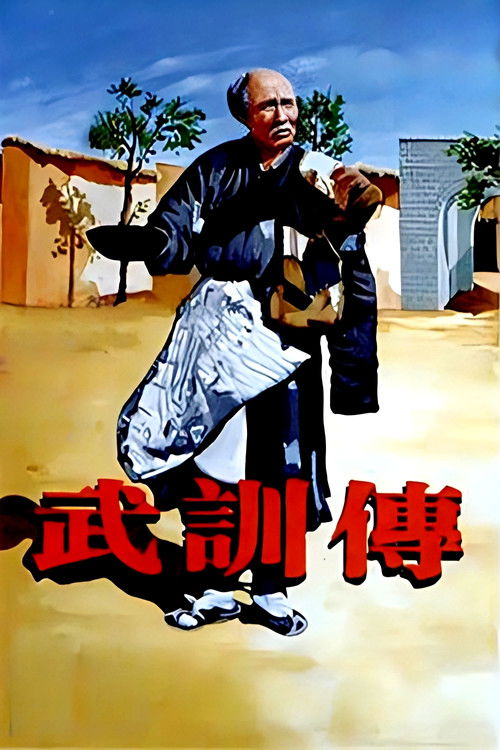
The life-story of Wu Xun, a beggar in the Qing dynasty who set up free schools for poor children.
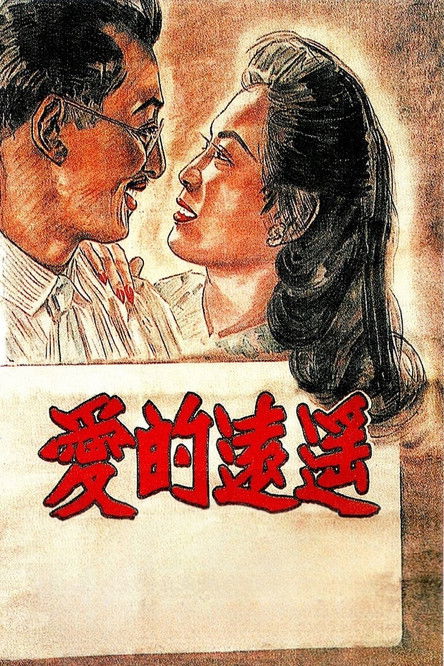
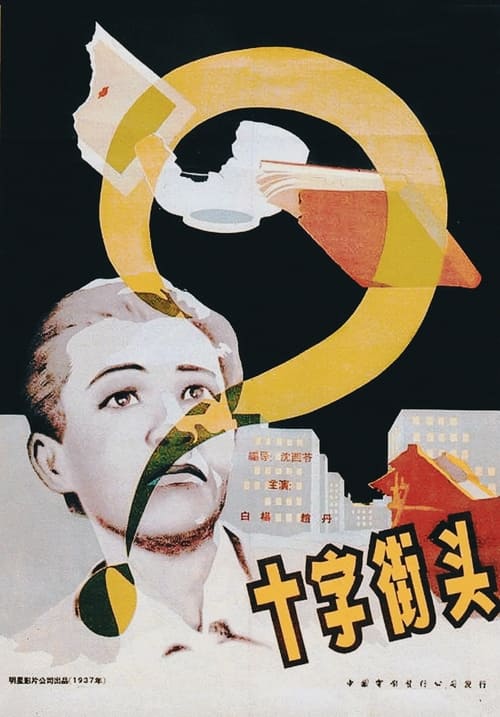
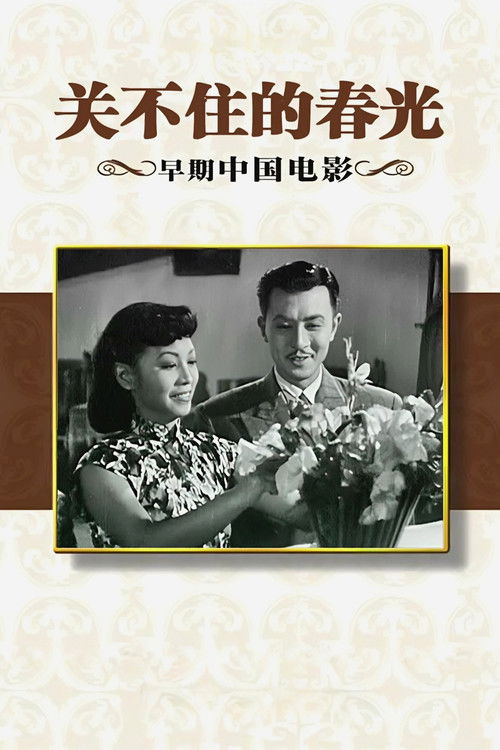
Four students in Shanghai have recently finished university. All are unemployed. Xu contemplates suicide but his friend Zhao talks him out of it. Zhao lives in a shabby room with just a flimsy wall of planks separating him from the room behind. Miss Yang, in town to take a factory job, moves in behind. Her nails into the wall knock Zhao's photos down. The unseen neighbours start playing tit for tat... Zhao gets a job as proofreader at a newspaper. He sees that pretty girl on the tram to work every day. He doesn't know her, but it's Miss Yang... Zhao is assigned to cover labour conditions for the paper. He is sent to a factory, the one where Miss Yang works...
Wang, a bankrupt farmer joins his cousin, Wu, in Shanghai, but finds that he is poor too. One day, Wu stops a woman - Zhang, a drug runner - from being run down by a car, and is hospitalized. During his recovery, Wu slims down due to the amount of drugs he is prescribed, which inspires him to create and sell a weight loss medicine.
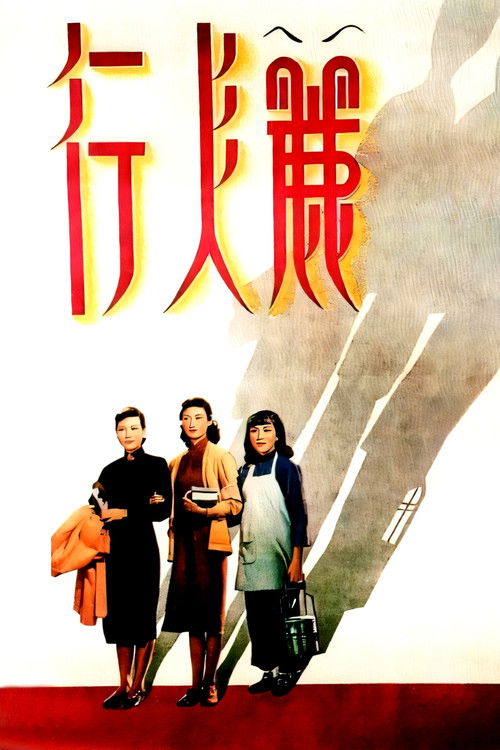
After a break-up, a college professor, Xiao, molds his maidservant, Yu, into an independent, modern woman, then marries her. However, their relationship is interrupted by the war - Yu insists on volunteering her help, while Xiao longs for a stable family life.
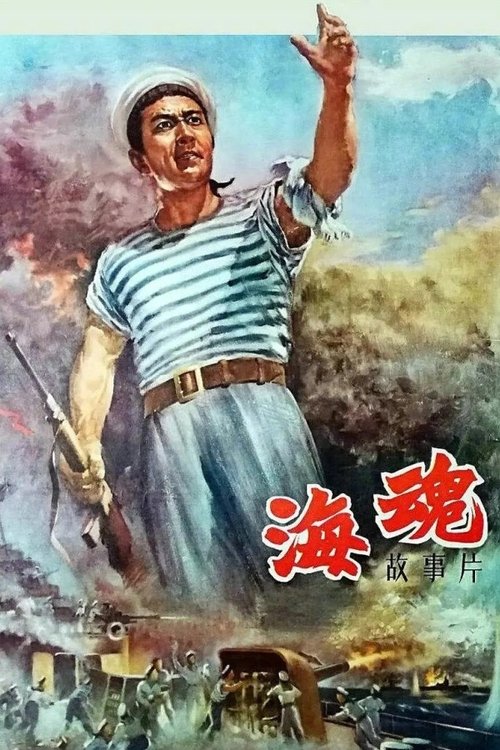
The sailors on a Kuomintang warship revolt, arrest their officers and defect to the Chinese People's Liberation Army.
An absorbing example of genre filmmaking in the People’s Republic of China, Husband and Wife could at first glance be mistaken for any other romantic melodrama chronicling the rise and decline of a married couple’s love; here, though, that love takes place in (and is entirely defined by) a realm of political upheaval and Maoist ideology. A Shanghai intellectual marries an illiterate peasant woman–turned–collectivist hero, with outcomes both universal (differences emerge) and specific (revolutionary self-critiques). At first a popular hit, the film (and Zheng himself) was soon critically attacked for counterrevolutionary, pro-bourgeois thought. Zheng even penned a confessional autocritique, but the damage to his career was done. (BAMPFA)