FEEL IT.STREAM
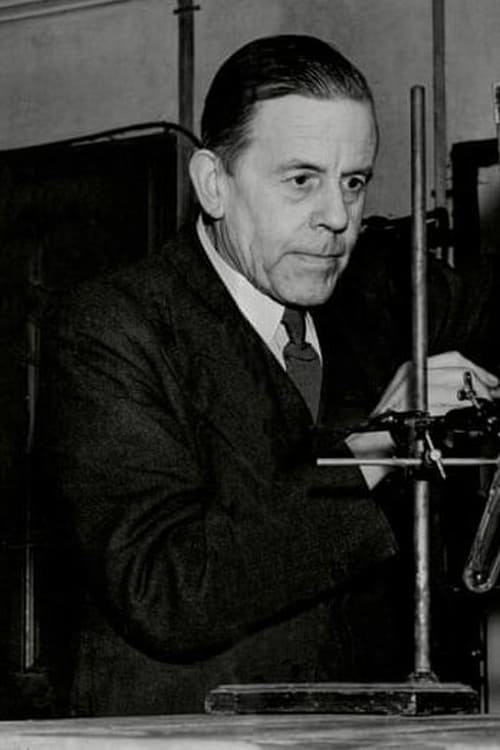
F. Percy Smith

F. Percy Smith

Directing

Biography

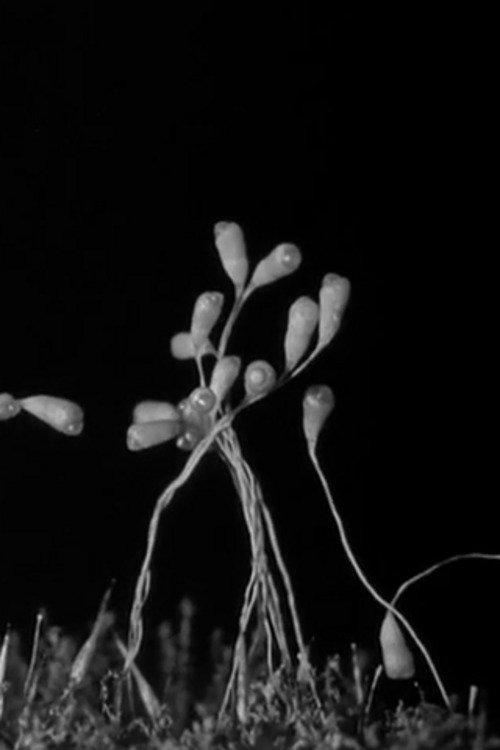
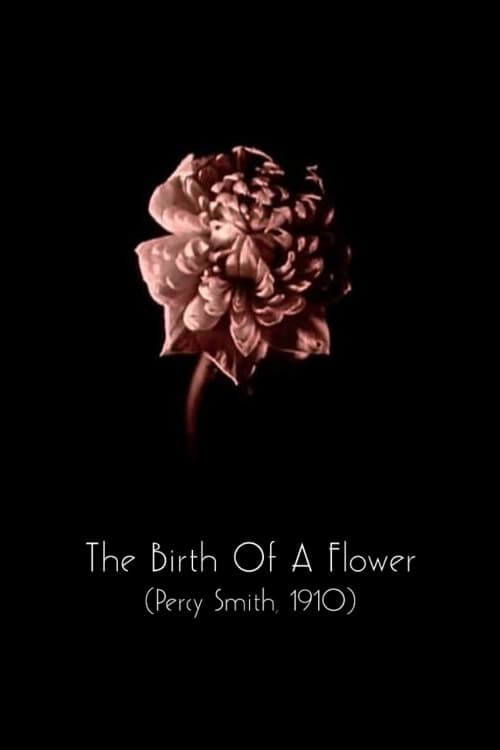
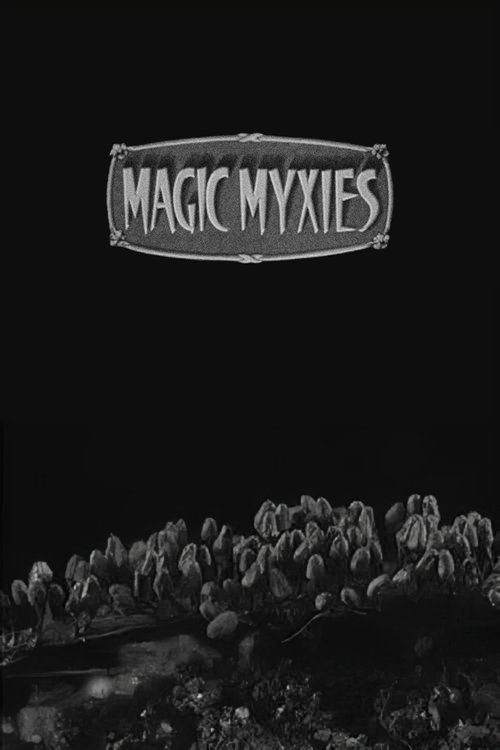
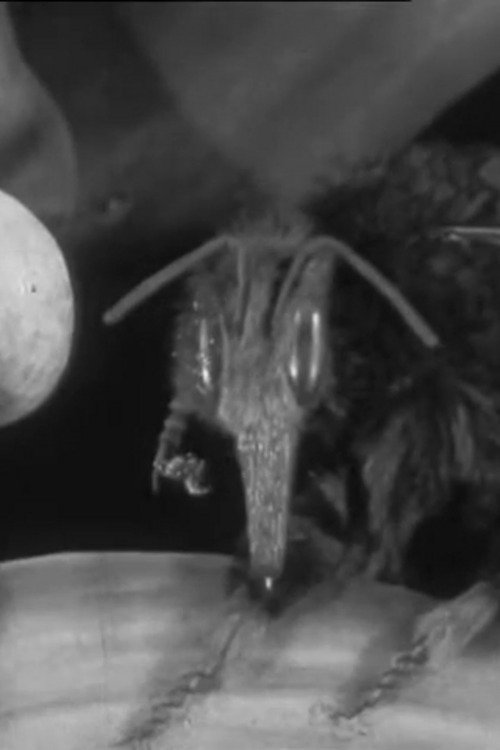
A distinguished pioneer of scientific filmmaking, Percy Smith was born in London in 1880. Working as a clerk at the Board of Education, Percy began to photograph the natural world around him, nursing a lifelong fascination with all manner of plant and animal life.  His close-up photograph of a bluebottle's tongue caught the attention of film entrepreneur Charles Urban, who quickly began to exhibit Percy's work in London theatres. After the considerable success of sequences such as The Balancing Bluebottle, where he recorded flies juggling, Percy finally joined Urban as a full-time filmmaker in 1910.  Before the outbreak of the First World War, Percy completed over fifty nature films for the Urban Sciences series including, in 1910, the famous piece,  The Birth of a Flower. An early example of stop-motion photography, the film was hugely popular. Meticulously researching his subjects, Percy devised ingenious ways to film slow-growing plant life - modifying his equipment with gramophone needles, candle wicks and other assorted objects, allowing him to continue filming plant movement even as he slept.  In 1911 his study,  The Strength and Agility of Insects sparked a huge press debate - detailing a range of insects as they lift tiny dumbbells, twirl matchsticks and juggle objects much heavier than themselves he had to dispel rumours of trickery and cruelty by revealing his innovative filming techniques.  Percy went on to serve as a naval photographer during the War and, upon his return, began work for British Instructional Films (BIF). Contributing to the company's widely acclaimed  Secrets of Nature series he worked on numerous films, including An Aquarium in a Wineglass (1926), The Home Wrecker (1929) and Magic Myxies (1931). He continued to work on the project in the 1930s when it became known as Secrets of Life and in 1939 published Secrets of Nature, a review of the filming techniques used throughout the series.  (via wildfilmhistory.org)

Known For

No image

A Secrets of Life short to which the BFI gave this description: "The film falls into two related sections: the first part shows, by fast motion... the germination, growth-characteristic and fertilisation of the wild cabbage; the second part shows how the varied forms of cultivated cabbage - Savoys, Brussels sprouts, cauliflowers, sprouting broccoli - are related to the wild form, by illustrating the particular feature of the wild form that is present to an exaggerated degree in the cultivated variety... A very good example of how to deal with familiar gardening knowledge in an interesting manner, while at the same time using everyday facts to bring home the scientific lessons that can be drawn therefrom... Perhaps the most striking portions of the whole film are the sections showing which parts of the wild form have been greatly developed to produce the Brussels sprouts, cauliflower, or the Savoy cabbage."

Cabbage

1935Movie
Memories

History - and natural history - filmed on location in Selborne, East Hampshire. This unusual edition of the long-running series Secrets of Life tells the story of the village's famous son, Rev Gilbert White, whose 1789 book The Natural History and Antiquities of Selborne is a classic of natural history. The film follows in his footsteps, with camera rather than quill in hand, focusing on nature but also taking in views of the village and its human inhabitants. The ingenious close coverage of bird, reptile and other wildlife was the stock-in-trade of the filmmakers at Gaumont-British Instructional, producers of the series. Under the direction of the redoubtable Mary Field, the behind-screen talent here includes legendary 'cine-biologists' Percy Smith and Oliver Pike. A tribute by one generation of pioneering naturalists to another, it's a quietly moving film in spite of its clipped English reserve - or perhaps partly because of it.

Memories

1944Movie