Acting
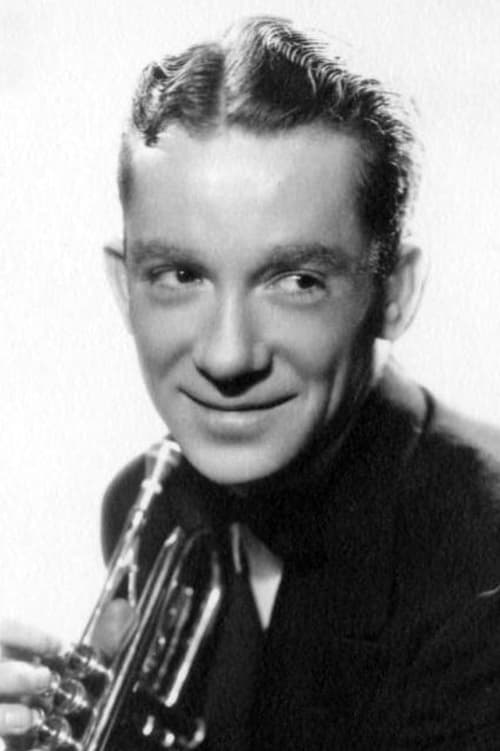
Ernest Loring 'Red' Nichols was an American jazz cornetist, composer, and jazz bandleader.
“The Bell Telephone Hour” was a musical variety show that aired on “NBC” TV from 12 January 1959 to 14 June 1968 that showcased the best in Broadway, Classical, Concert, Jazz and Popular music each week. The series had its’ own house band appropriately named the “Bell Telephone Orchestra”. The show also had its’ own theme song being the “Bell Waltz” composed by “Donald Voorhees” who was also the show's Orchestra conductor. Some of the greatest violinists of the 1960’s performed on this show that aired in the old “Black & White” format. Some of these great violinists included “Erica Mornin”, “Isaac Stern", "Michael Rabin", "Ruggiero Ricci", "Yehudi Menuhin" and "Zino Francesacatti". From time to time some of the great singers and bandleaders of the 1960’s would perform on the show as well. Some of these were “Bing Crosby”, “Gordon MacRae”, “John Gary”, “Leslie Uggams”, “Mary Martin”, “Nelson Eddy”, “Patti Page” and “Roy Rogers”. The TV show followed on the heels of its’ predecessor with the same name on “NBC” radio that aired from 29 April 1940 to 1958 on Monday nights at 8 PM. The name of the show was derived from its’ Major sponsor “Bell Telephone Laboratories”. The TV version began airing on Friday nights at 8:30 PM once a month. It later was given it’s same time slot now airing every other week alternating with another show on the other weeks such as News shows and specials. The show time slot changed quite often over the years. In September 1960 it aired at 9 PM and in September 1961 it moved to 9:30 PM. In October 1963 it moved to Tuesday nights at 10 PM, September 1965 it moved to Sunday night at 6:30 PM and in September 1967 it made its' final move back to Friday night at 10 PM.
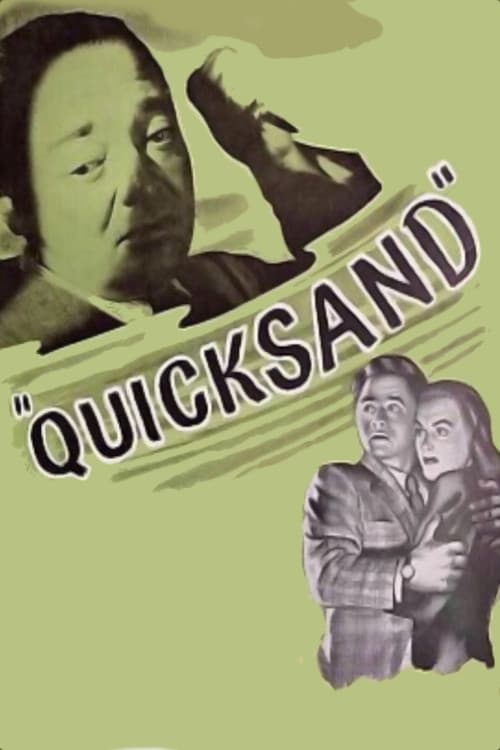
Young auto mechanic Dan Brady takes $20 from a cash register at work to go on a date with blonde femme fatale Vera Novak. Brady intends to put the money back before it is missed, but the garage's bookkeeper shows up earlier than scheduled. As Brady scrambles to cover evidence of his petty theft, he fast finds himself drawn into an ever worsening "quicksand" of crime.
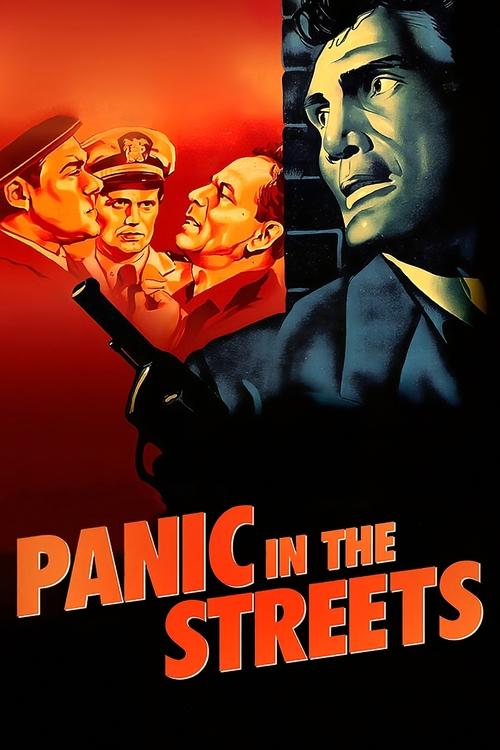
A medical examiner discovers that an innocent shooting victim in a robbery died of bubonic plague. With only 48 hours to find the killer, who is now a ticking time bomb threatening the entire city, a grisly manhunt through the seamy underworld of the New Orleans Waterfront is underway.
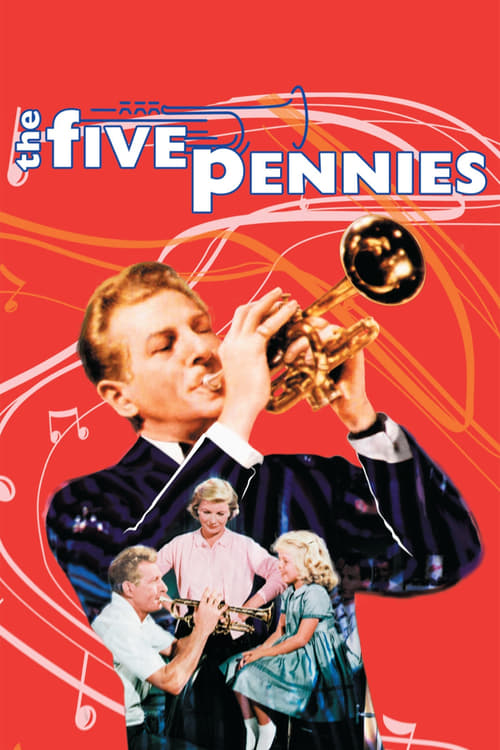
Dixieland cornetist Red Nichols runs into opposition to his sound, but breaks through to success. He marries a warm, patient woman and even finds time to raise a family. Then tragedy strikes when their daughter contracts polio.
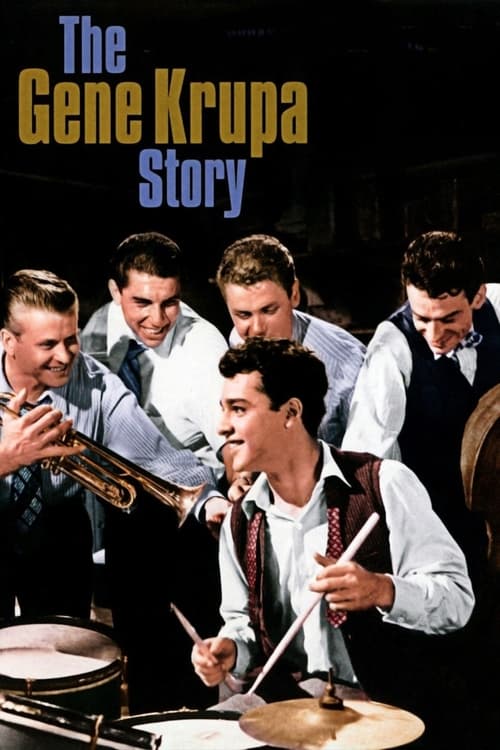
The story of legendary jazz drummer, Gene Krupa. Since his youth, all Gene ever wanted to do is play the drums and make music. This is something his parents would not approve of- they want him to be a priest. When Gene's father dies he promises to enter the priesthood. He soon realizes that he doesn't belong there and leaves to join his friend, Eddie's band. Ethel, Eddie's girlfriend, convinces Gene to go to New York and make it big. The 3 of them head to New York. Here Ethel and Gene soon fall in love and Gene makes a name for himself. Gene starts to live in the fast lane, with drugs, alcohol, women and parties. Ethel, unhappy with Gene's lifestyle, leaves him. Gene soon "hits rock bottom" where he has to face reality and choose where to take his life.
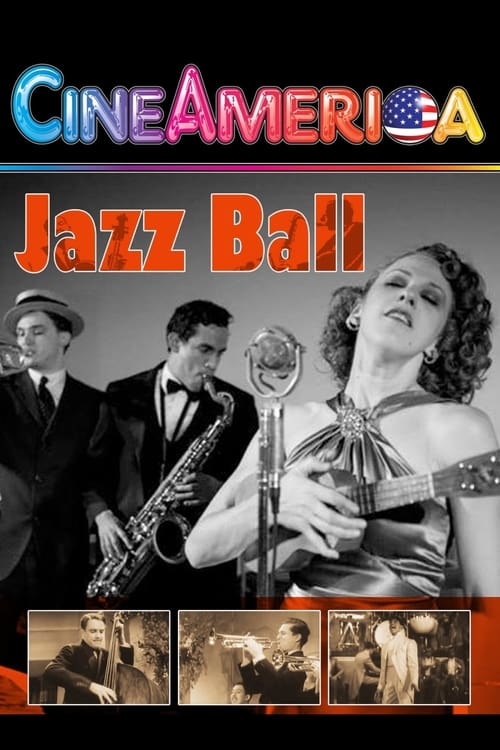
A made-for-TV musical revue, compiled from soundies and film and TV performances by jazz greats from the 1930s to the 1950s.
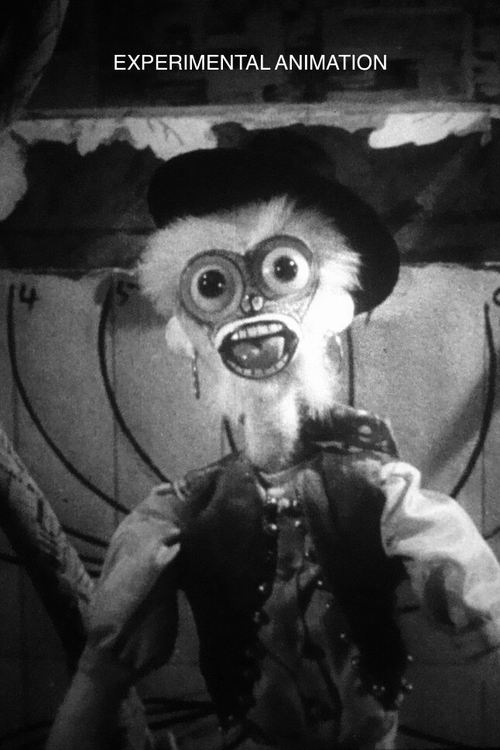
Len Lye scraped together enough funding and borrowed equipment to produce a two-minute short featuring his self-made monkey, singing and dancing to 'Peanut Vendor', a 1931 jazz hit for Red Nichols. The two foot high monkey had bolted, moveable joints and some 50 interchangeable mouths to convey the singing. To get the movements right, Lye filmed his new wife, Jane, a prize-winning rumba dancer.
This Vitaphone short features Red Nichols and His Five Pennies performing songs, including China Boy, Nobody's Sweetheart, Ida Sweet as Apple Cider, and Who Cares?.
An itinerant medicine salesman sells joy in bottles with the aid of his band.
In this Vitaphone Melody Masters short, Red Nichols and his band entertain the viewer with a selection of pop songs.