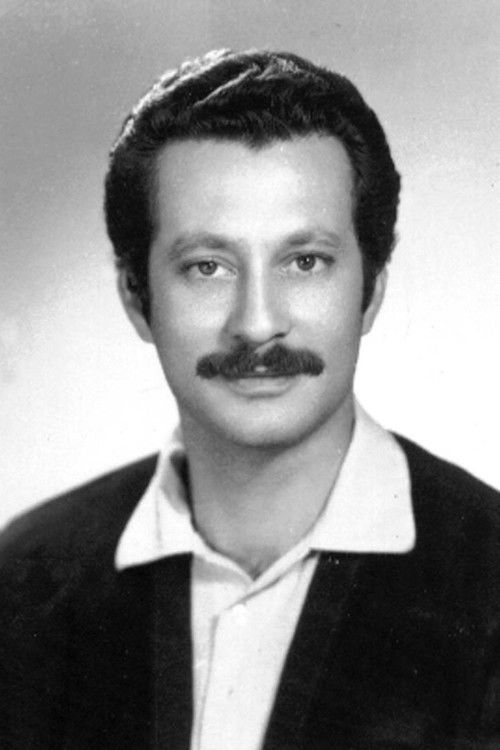
Ghassan Kanafani
Writing
Known For
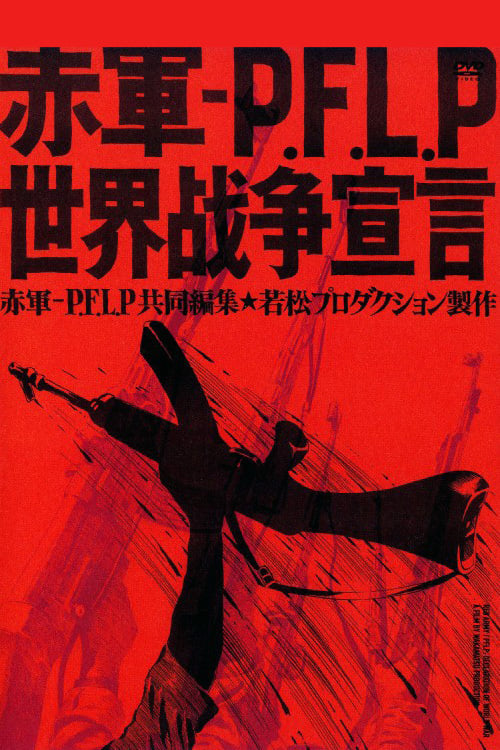
On their way back from the Cannes Film Festival in 1971, filmmakers Wakamatsu Koji and Adachi Masao visited Lebanon to meet Japan's Red Army faction and the Popular Front for the Liberation of Palestine to shoot a newsreel film promoting the Palestinian resistance. Conceived as a ‘declaration of world war’ that implicates us all, the directors capture the everyday banality of military training and preparation exercises for imminent battle.
Red Army/PFLP: Declaration of World War
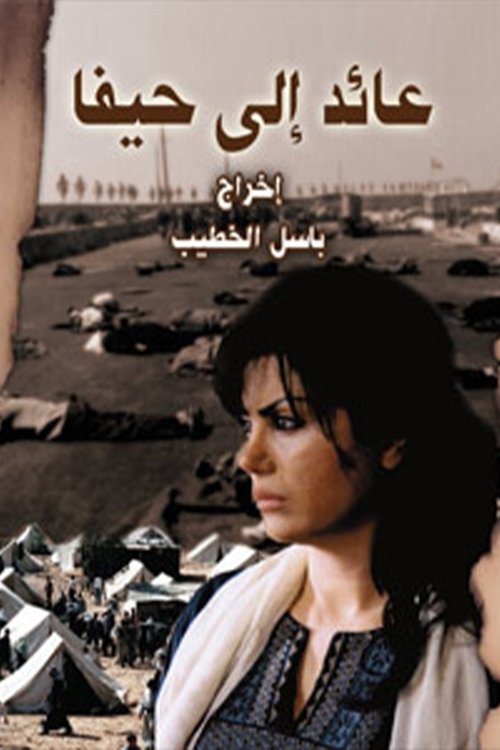
A national epic that starts with the peak of Nakba Day and shows the displacement and homelessness of hundreds of thousands of Palestinians, through the fall of Haifa in 1948. It follows a Palestinian family's journey after they are displaced and forcibly expatriated to Israeli camps.
Returning to Haifa
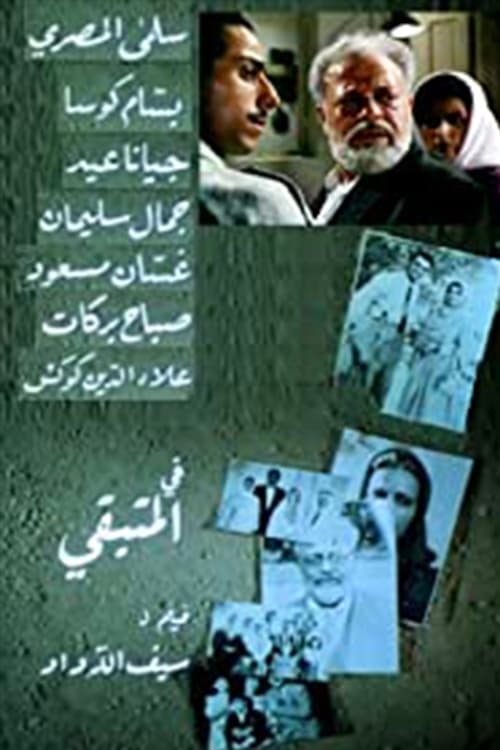
Based on Ghassan Kanafani's novel, 'Returning to Haifa,' this film, set in 1967, centres on a Palestinian couple who return to the war-torn city to search for their young son Farhan, whom they were forced to abandon when fleeing Zionist acts of terrorism in 1948. Saeed and Atefeh's own house has even been taken over by a Polish Jewish family, who, it transpires, are holding Farhan hostage. It is up to the couple, with the assistance of Farhan's steely grandmother, to find a way to reclaim their lost son. One of the few Iranian films to tackle the Palestinian issue from a historical perspective, this stunning piece of work from Seifollah Daad features meticulous attention to period detail and moving performances.
That Which Remains
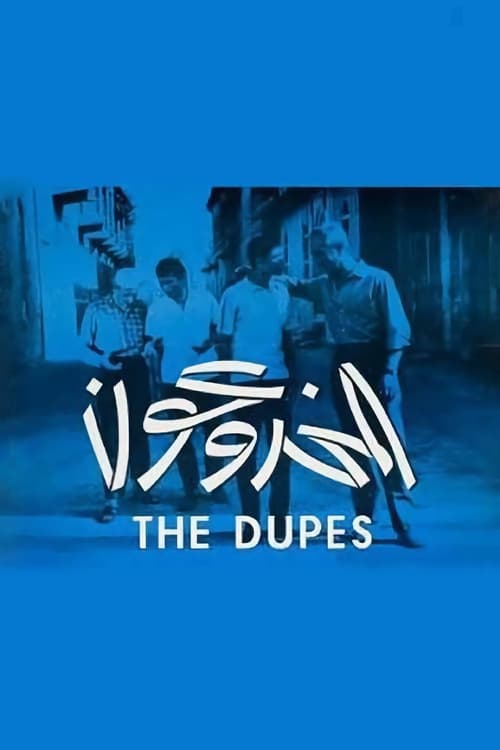
The film follows three Palestinian refugees brought together by dispossession and hope for a better future. Hiding in the tank of a truck, the men attempt to make their way across the border into Kuwait, the "promised land."
The Dupes
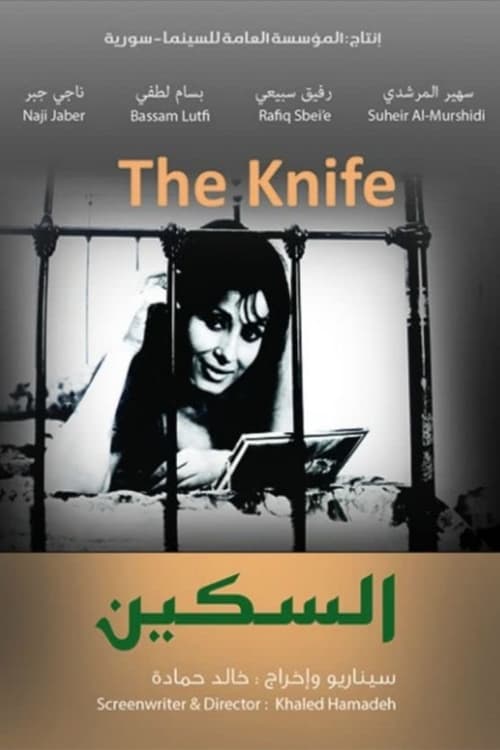
Syrian-Palestinian film The Knife (1971), based on Palestinian revolutionary Ghassan Kanafani‘s novella All That’s Left To You; an allegorical story of Palestinian attachment to land and family, and the sorrow over their loss.
The Knife
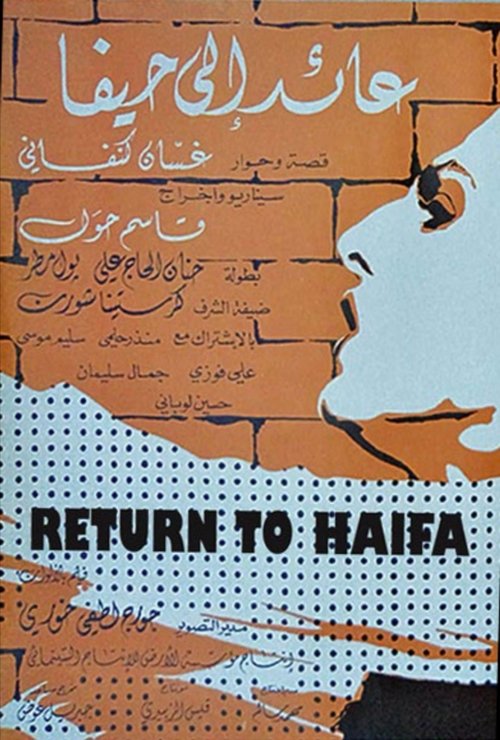
Return to Haifa is based on Kanafani’s novel the plot of which takes place in 1967, when Palestinian refugees living in the newly occupied territories had an opportunity to visit the places from which they had been expelled in 1948.
Return to Haifa

In the summer of 1982, the Israeli army invaded Beirut. During this time, it raided the Palestinian Research Center and looted its entire archive. The archive contained historical documents of Palestine, including a collection of still and moving images. Taking this as a premise, 'A Fidai Film' aims to create a counter-narrative to this loss, presenting a form of cinematic sabotage that seeks to reclaim and restore the looted memories of Palestinian history. It’s a poignant exploration of identity, memory, and resistance, told through a unique blend of documentary and experimental filmmaking techniques.
A Fidai Film
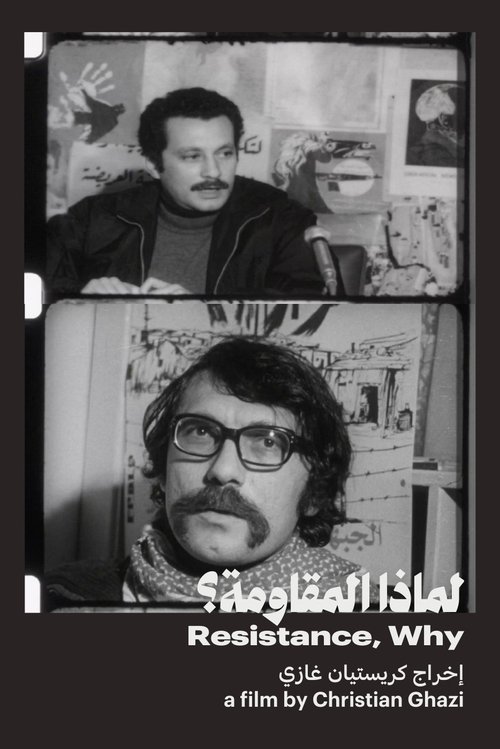
In 1970, Christian Ghazi and Noureddine Chatti met with a number of Arab political figures, especially Palestinians residing in Lebanon, resulting in this piece of armed (alternative or third) cinema that captures a crucial cross-section of the Palestinian resistance in Lebanon in 1970. The film features footage of Ghassan Kanafani, Sadiq Jalal El-Azm, Nabil Shaath and other personalities who share their vision of the Palestinian revolution, tracing its history back to the early 20th century. These testimonies describe the numerous strikes and popular protests that took place in Palestine under the Ottoman occupation, followed by the British colonization and the settlement of the Jewish state in 1948. They enumerate the objectives of the struggle, emphasising the necessity for a free and democratic Palestine, defended through armed or non-armed struggle by all its citizens, men and women of various affiliations.
Resistance, Why?
Address to the inaugural Palestine Festival of Literature
Letter from Gaza
No description available.
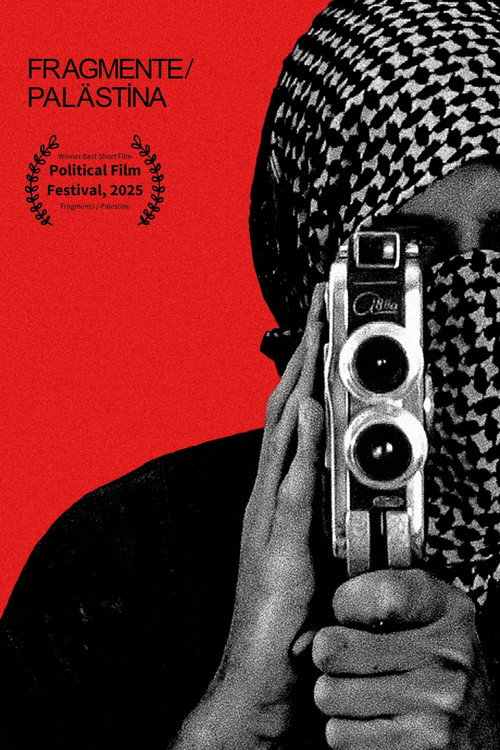
Fragmente/Palästina
Popular Front for the Liberation of Palestine spokesman Ghassan Kanafani interviewed by Richard Carleton, Beirut 1970.