Shinji Takano
Acting
Known For
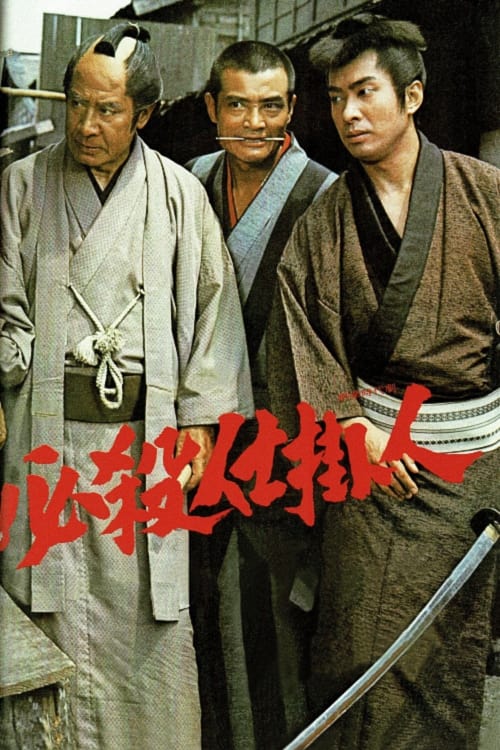
A shikakenin was an under-the-cover trade that undertook killing in Edo. Hanemon of Otowa, an agency that introduced laborers and maids, was also one of these. Katsugoro Iseya was a timber dealer who had come in as a client. His target was the constructions magistrate Hanno, and the Tatsumiya who sipped on the benefits. Hanemon who had a stong code towards killing, where he would only kill those who do no good to be in the world, accepts this request. Baian Fujieda, a needle doctor would carry out the killing. However, the professional killer Baian fails to bring down Tatsumiya. Hanemon then looks to another shikakenin, the ronin Sanai Nishimura for the role. Although Sanai's ability with the sword is good, he lives poorly in a tenement, and accepts this commission on the condition that it is kept a secret from his wife and child. Here, they close in on Hanno and Tatsumiya again...
Professional Killers
No description available.
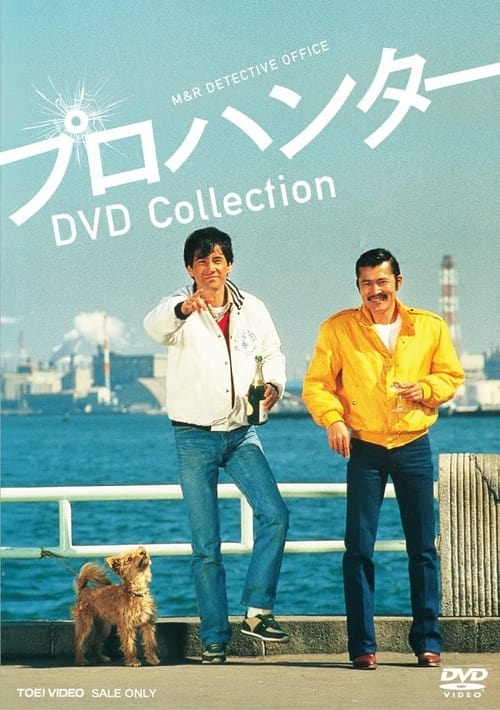
Pro Hunter

Cyborg warriors were created by the Special Science Investigation Squad to bear nuclear, gravitational, magnetic, and electrical forces. They fight the crime empire known as "Crime".
J.A.K.Q. Dengekitai
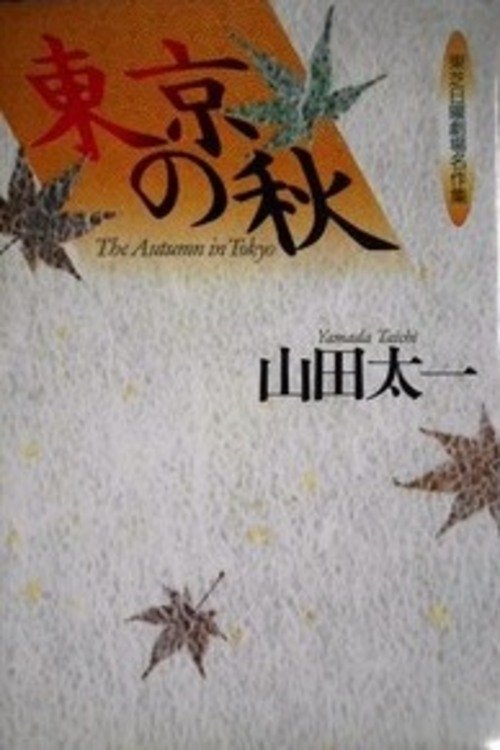
A unique drama that contrasts the lives of a family of elite salarymen in Tokyo and a family of landowners in Tokorozawa, Saitama, while exploring the timeless themes of drama such as human happiness, love and marriage in their everyday lives, told in a straightforward narrative style.
The Autumn in Tokyo
No description available.
School Wars

In the teeming black markets of postwar Japan, Shozo Hirono and his buddies find themselves in a new war between factious and ambitious yakuza.
Battles Without Honor and Humanity

Following her successful prison break, Scorpion begins this third episode in the series hiding out in a brothel. Her prostitute friend tries to keep her identity secret, but the brothel's madam discovers that Scorpion is the ex-girlfriend of the vice officer who killed her lover.
Female Prisoner Scorpion: Beast Stable
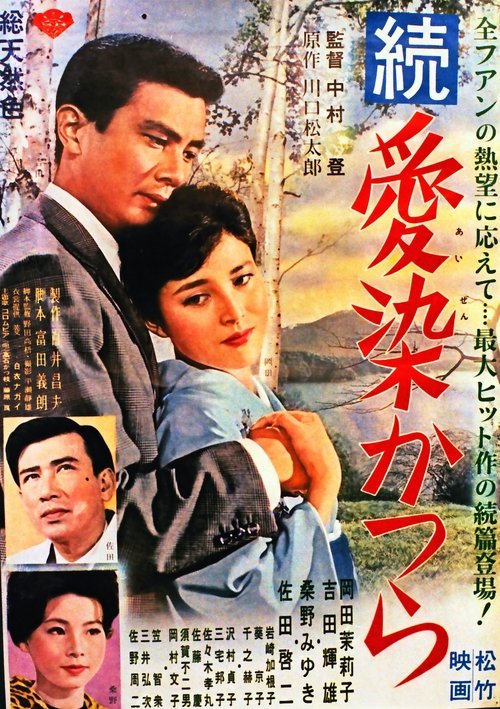
1962 Japanese movie
Zoku aizen katsura
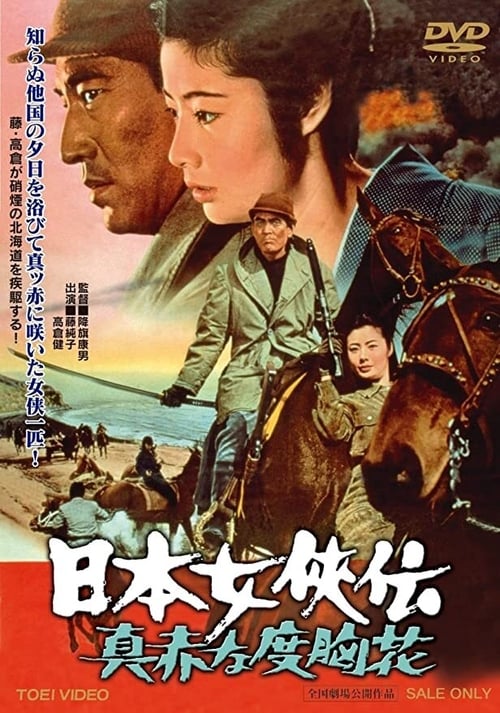
An exciting tale of action on the distant northern island of Hokkaido around the beginning of the 20th Century starring two of the biggest names in Yakuza film history, Fuji Junko and Takakura Ken. Since the death of death of her father, Yuki who has traveled from her home in the southernmost part of Japan must fight corrupt local officials seeking to fill her late father's post. As her life is in danger a mysterious rifleman, played by Takakura Ken watches from the shadows. Can she finish the work her dear departed father started in an untamed land?
Brave Red Flower of the North
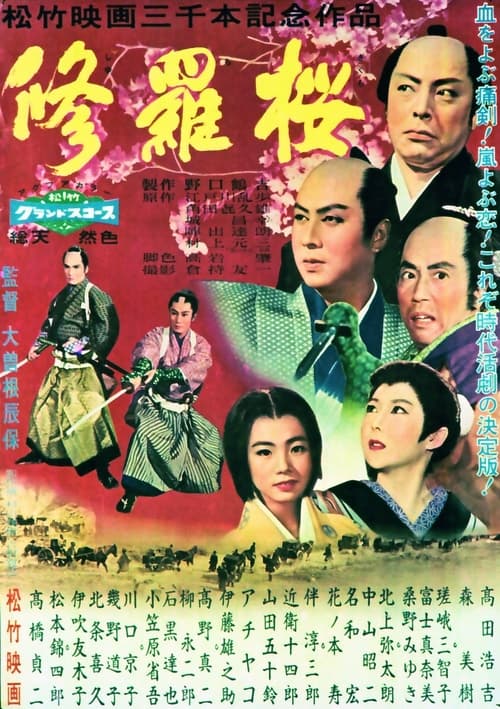
Shochiku's commemorative 3000th film production; a suspenseful period drama.
The Hidden Treasure
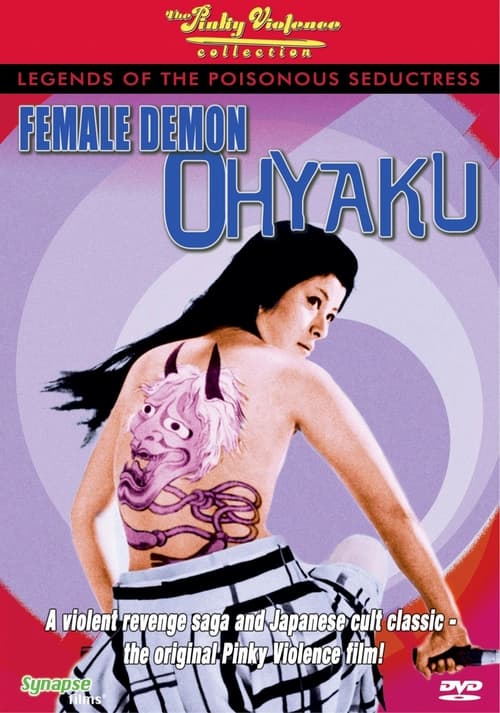
Ohyaku is a grifter who falls in love with a thief, who recruits her for his plan to rob a shipment of government gold. When this plan goes wrong and Ohyaku ends up in prison, she resolves to do anything to escape and claim revenge on the ones who betrayed her and her lover.
Ohyaku: The Female Demon
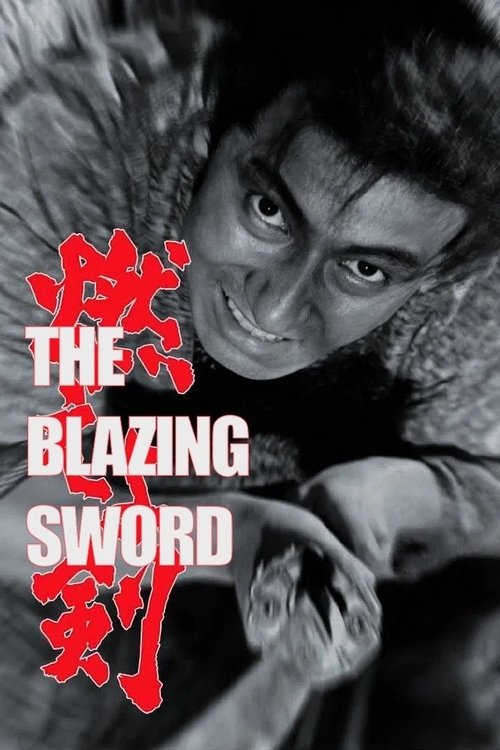
Set during the last days of the Tokugawa (Edo) Period, Moeyo-ken tells the story of Hijikata Toshizo and the Shinsengumi. Hijikata Toshizo is a samurai eager to test his skills and sword and make his first kill. The dojo he belongs to practices the Tennen Rishin style and teaches this to farmers. Not considered real samurai by other dojo's, they receive a request for a duel by a rival dojo practicing the Kogen Itto style. Sohaku Rokusha, a teacher there, challenges them and fights with Hijikata Toshizo. The outcome of the fight creates a deadly animosity between them that lasts through the ages.
The Blazing Sword

Police detectives investigate the link between a serial killer's machinations and a teenage boy who committed suicide.
I, the Executioner

Daisuke is supposed to be out looking for a respectable job and equally respectable wife. He is 30 years old and devotes his attention to music and literature; his family is wealthy and can support his interests. When his friend Hiraoka returns with his wife Michiyo, problems arise.
And Then
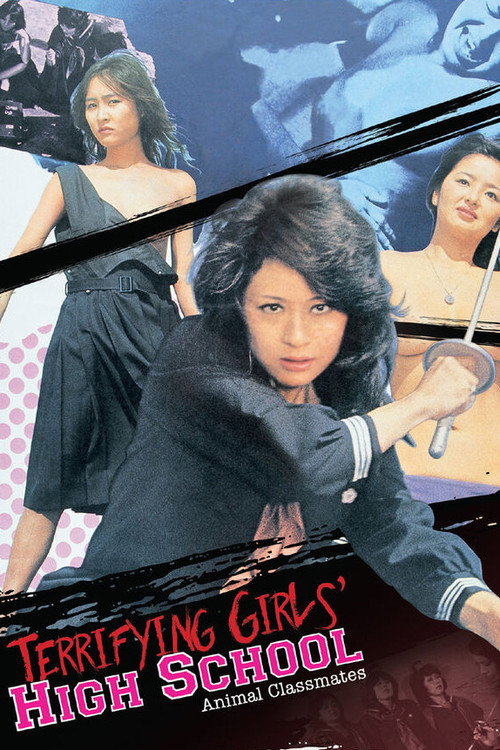
We find Reiko Ike once again cast as a tough schoolgirl who has to band together with her enemies to upset the reign of their private Catholic high school administration where institutionalized sexual abuse is endemic. The tables are turned on the principal and sanctimonious teachers as well as an American priest when the adult evildoers are publicly humiliated and exposed before the entire student body.
Terrifying Girls' High School: Animal Classmates
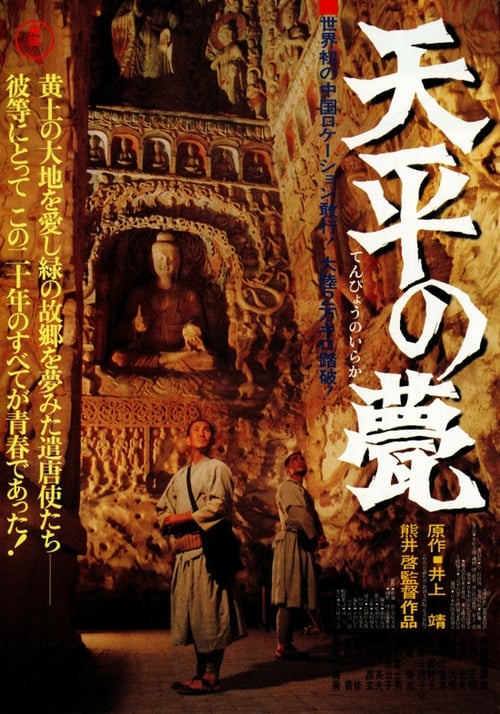
Set in Japan's Tenpyou era (729-749 CE), four young monks are sent to China to study Buddhism and bring a high priest back to Japan with them. The film tells the tale of the four monks' youth and the life and times of the high priest Ganjin.
An Ocean to Cross
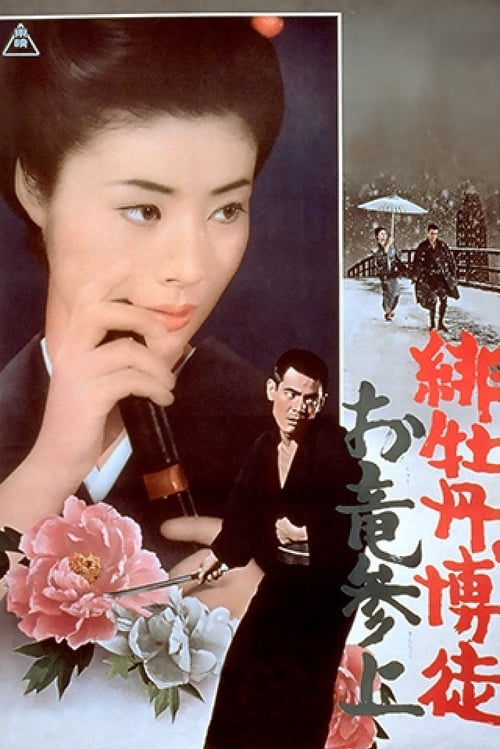
Oryu searches for blind child she left behind and get involved in a Yakuza turf war that takes place in the Tokyo Theater.
Red Peony Gambler: Oryu's Return
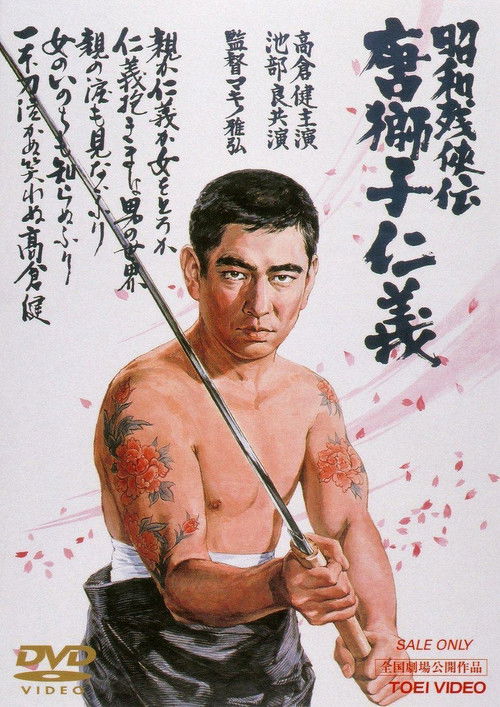
Hidejirō is sent to prison after killing the boss of a rival family. After being released, he discovers that his family has scattered and he is taken in by a company of quarry workers, whose boss has a strict code of non-violence. When the rival family tries to take over the company and kills their boss, Hidejirō must choose between his promise of non-violence and his yakuza code of revenge...
Brutal Tales of Chivalry 5: Man With The Karajishi Tattoo
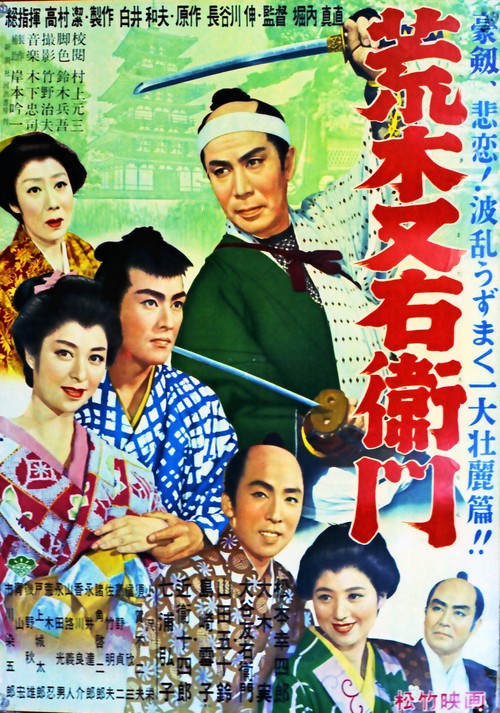
Watanabe Kazuma and Kawai Matagorō from the Bizen Okayama Ikeda clan were close friends, but they inevitably became enemies after Matagorō killed Kazuma's younger brother, Gentayū, and fled. Seeking assistance, Kazuma asked his brother-in-law, Araki Mataemon, for help, but Mataemon refused, saying that it was against the code for a brother to avenge another brother's death. On the other hand, the lord of the clan, Ikeda Tadao, ordered a search for Matagorō, who was found to be sheltered by the Hatamoto, including Andō Jiemon, in Edo. Tadao was furious but unable to act. Matagorō, in Edo, came to regret his birth as a samurai. He met and fell in love with Okō, a bathhouse maid. As the discord between the Hatamoto and the Ikeda clan deepened, Tadao died of illness. Seizing the opportunity to ease the conflict, the shogunate ordered the Ikeda clan to be succeeded by the young lord Katsugorō and to relocate to the Ikeda clan of Inshū Tottori. Meanwhile, Matagorō was exiled from Edo.
荒木又右衛門
A mysterious swordsman called Hatokuro Yawata (Ken Matsudaira) who appeared from somewhere with white pigeons is actually Naotada Ii, the lord of Hikone Han. He was told that he had an older brother of twin by his mother on her deathbed. Hatokuro pretended to be a citizen in Edo and searched for his brother. However, in Edo, Murasaki Gumi, led by the mysterious Murasaki had power and used it as they like. One day, Hatokuro saved Okyu whose office-worker father was killed from Sanjuro Akaseki of Murasakigumi. It brought about a fierce fight between Murasaki and Hatokuro. What is the identity of Murasaki!?