Acting
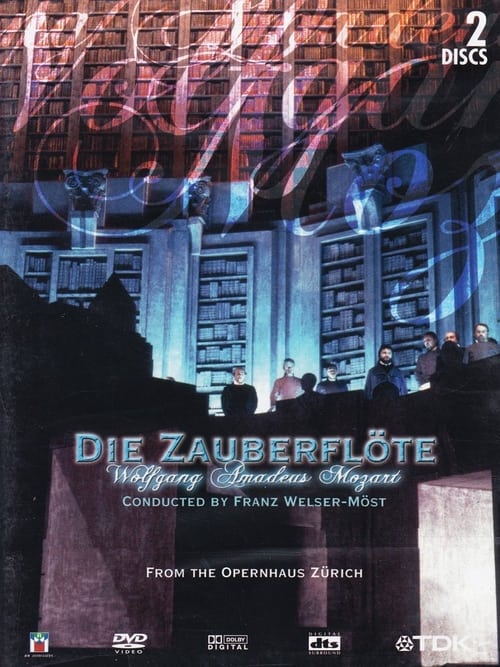
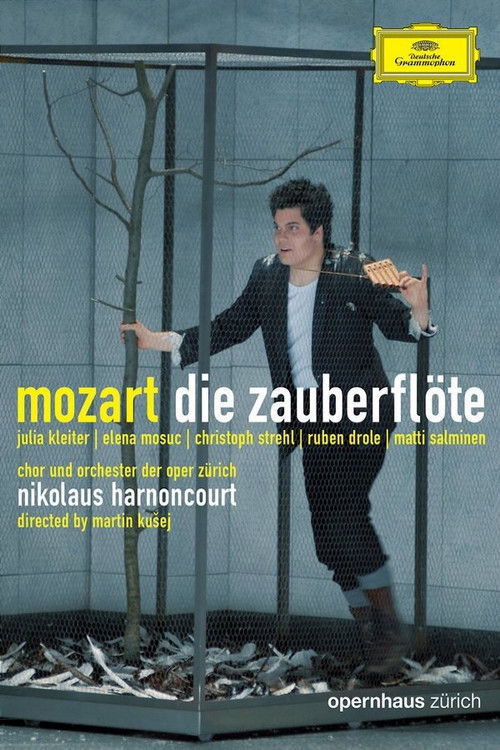
Live production of the Mozart opera Die Zauberflöte.
No description available.
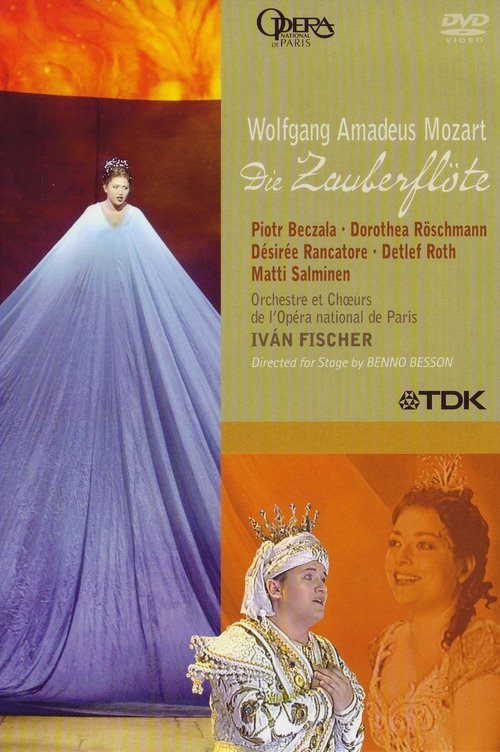
This performance of Mozart's two-act opera Zauberflote, recorded at the Opera National de Paris in 2001, was directed especially for TV and video. Some of the vocalists featured in the leading roles include Piotr Beczala, Wolfgang Schone, Dorothea Roschmann, Detlef Roth, and others.
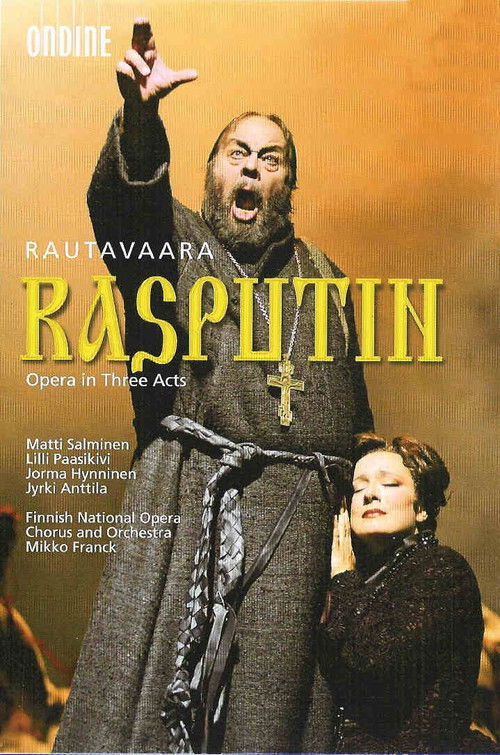
The opera of Einojuhani Rautavaara as presented by the Finnish National Opera in 2005
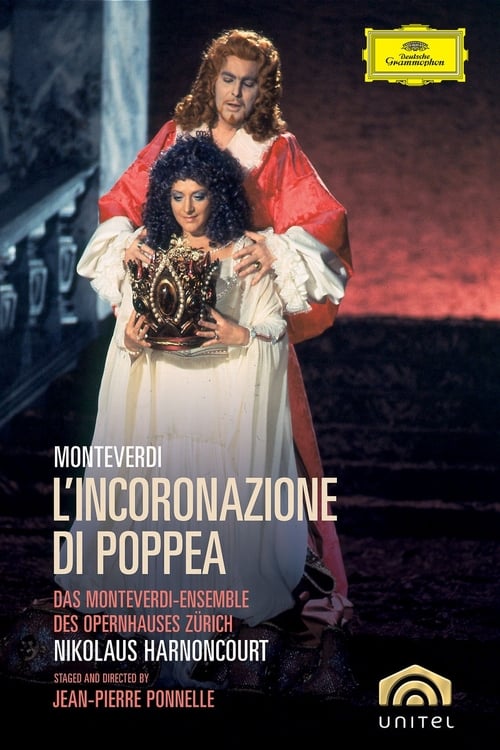
Live performance, part of Monteverdi cycle staged by Oper Zürich with Nikolaus Harnoncourt conducting the Zürich Opera House Monteverdi Ensemble. Staged and directed by Jean-Pierre Ponnelle
A live performance of Giuseppe Verdi's opera.
The legendary director Ruth Berghaus created this staging of Carl Maria von Weber’s Der Freischütz as a gripping theatrical experience for the Zurich Opera in 1993. Its revival in 1999 was a roaring success. With sets by Hartmut Meyer and costumes by Marie-Louise Strandt, Berghaus’ staging avoids the local peasant colour conventionally associated with Weber’s opera. Chorus and orchestra of the Zurich Opera House are conducted by Nikolaus Harnoncourt, universally celebrated for the structural transparency of his interpretations, his intellectual penetration and his emotional understanding of both music and opera plot. And last but not least an all-star cast made this production a highly memorable event: the dramatic soprano Inga Nielsen as Agathe, one of her best roles, the Swedish soprano Malin Hartelius as Ännchen, the sought-after Heldentenor Peter Seiffert, who gives a convincing passionate Max, and many others.
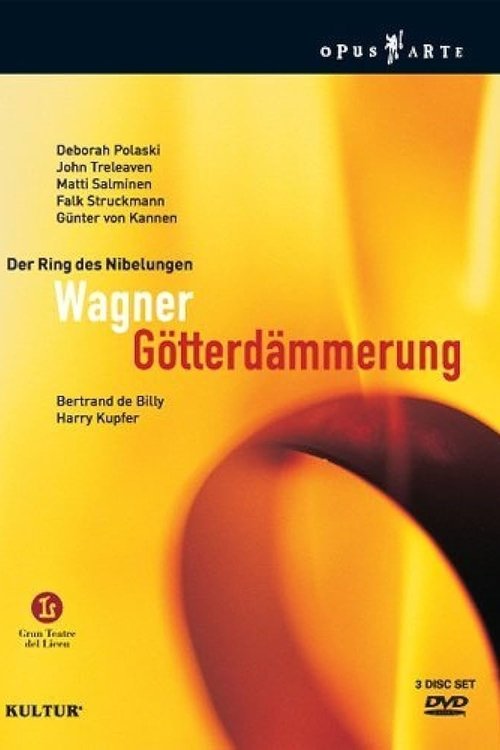
Musically, Götterdämmerung, like its predecessors in this Barcelona production, has strengths and flaws. Fortunately, Kupfer's interpretation places Brünnhilde and Hagen at its center and the singers are well up to the task. Deborah Polaski's final scene, so critical to any performance of the cycle, is excellent, the voice warm, the emotions palpable. Her moving performance here is ample compensation for the touch of vocal hardness she displays in the opening scenes. As Hagen, the veteran bass Matti Salminen offers a great portrayal: firm of voice, creating a complex character, not a stage villain. Also notable are soprano Elisabete Matos, who makes Gutrune a sympathetic character, and Julia Juon, whose Waltraute is more involving than usual.
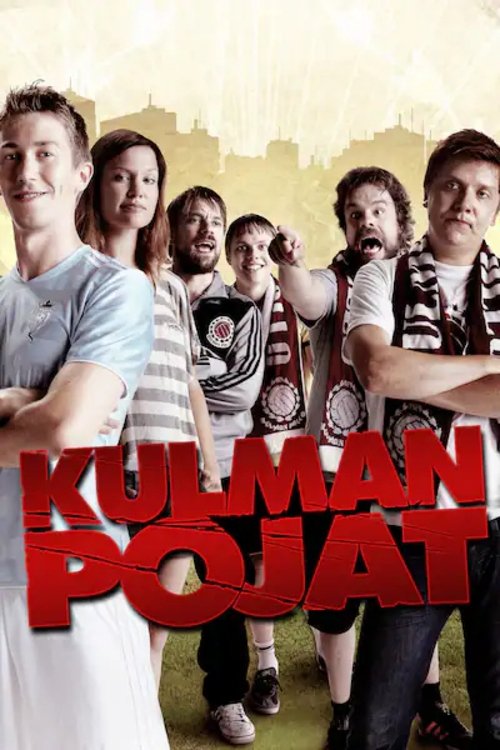
A buddy comedy about a fanatic small town football supporter who falls in love with a perfect girl, only to notice that his dream-girl supports the wrong football team. Now he has to befriend the enemy or forget the girl he loves.
The libretto is by Mussorgsky himself and takes the eponymous “romantic tragedy” by the celebrated Russian poet Alexander Pushkin as its starting point. Boris Godunov is Mussorgsky’s masterpiece and his only complete opera. It’s a vast sprawling tapestry of Russian life, which centres on the Russian people – represented in the opera by a large and powerful chorus – rather than on the title figure. The staging was produced at the Gran Teatre del Liceu in Barcelona and is based on the original version of the score.
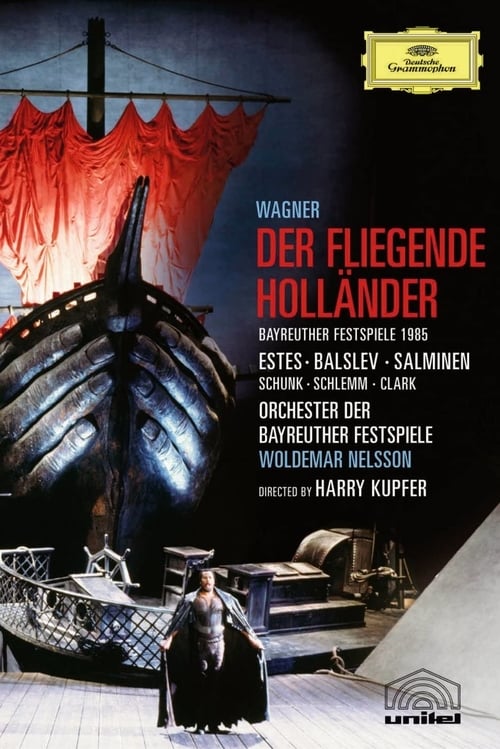
lkka Backman's celebrated rendition of Wagner's opera tells the story of The Flying Dutchman, a skipper who's been banished to sea for all eternity. Staged in a large outdoor courtyard inside Finland's Olavinlinna Castle, the production features German singer Franz Grundheber in the title role and Finnish opera singer Matti Salminen as Daland, a Norwegian sea captain whose daughter Senta (Hildegard Behrens) is the love of the Dutchman's life.
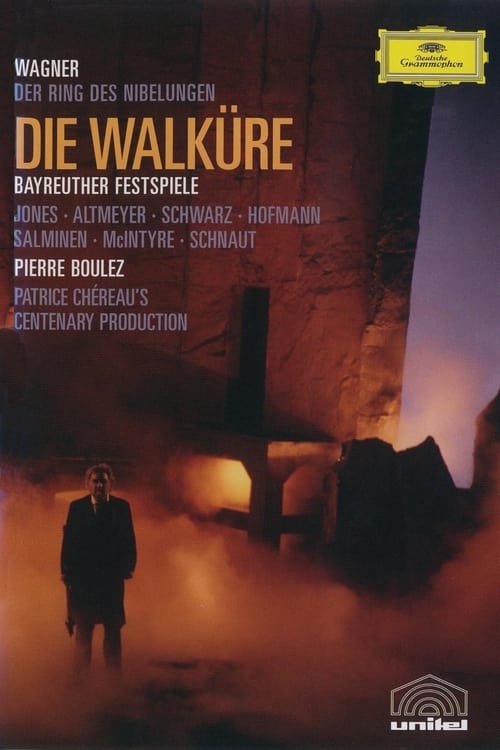
The second part of Patrice Chérau's epoch-making Bayreuth Ring is a radical re-imagining of Die Walküre, unprecedented in its psychological penetration. This production of " Die Walkure," staged as part of Patrice Chereau's Centenary celebration marking the 100th anniversary of the completion of the "Ring," this lavish performance features Donald McIntyre as Wotan, Peter Hofmann as Siegmund, and Gweneth Jones as Brunnhilde; Pierre Boulez conducts the Orchester Der Bayreuther Festspiel.
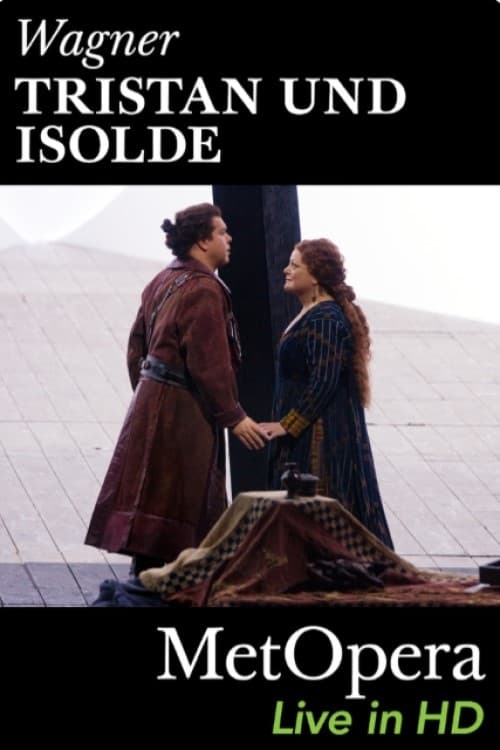
James Levine’s love for this monumental opera shimmers throughout this exciting performance. It was an afternoon to remember: Met favorite Deborah Voigt singing her first run as the proud Irish princess opposite tenor Robert Dean Smith—making an astonishing Met debut in front of a live worldwide movie-theater audience. Michelle DeYoung was a sisterly Brangäne and Matti Salminen an imposing King Marke.
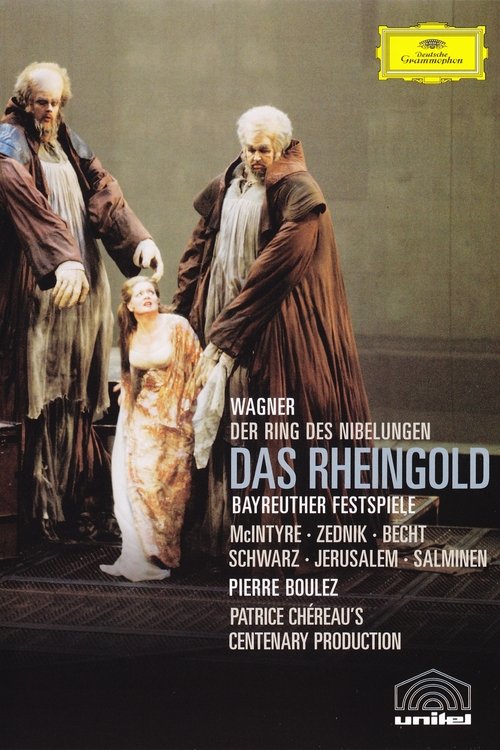
This is a beautifully conducted and thoughtfully staged performance of the first opera (the prologue) in Wagner's Ring Cycle. As soon as the clouds of mist have dissipated, while the daring, long-held opening chord is still reverberating, the screen clears to show not only the River Rhine and the three maidens (dressed like prostitutes in this production) assigned to guard the gold hidden there. It also shows an enormous dam (not mentioned in Wagner's text). This is the underwater base of a hydroelectric plant, and its presence tells us two things immediately: that this production takes the story out of the vaguely medieval fantasy world in which Wagner had placed it, and that a basic theme of the four-opera cycle would be power. Alberich, the Nibelung, is willing to renounce the love of women, after stealing the gold from the Rhine, to become the ruler of the world. Another basic theme is greed.
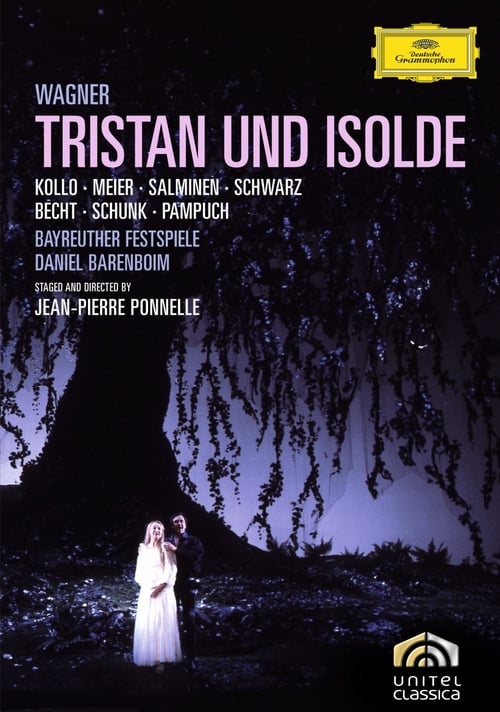
Take a perfect cast, a great conductor and a groundbreaking staging in-out makes a 'Tristan' for eternity. The 1983 performance in Bayreuth was a great moment for the world of opera. The ensemble performance of René Kollo, Johanna Meier and Matti Salminen with, then as now the Wagner admirer, Daniel Barenboim conducting the Bayreuth orchestra inspired singers and instrumentalists to peak performance. Jean-Pierre Ponnelle created a dream-beautiful stage.
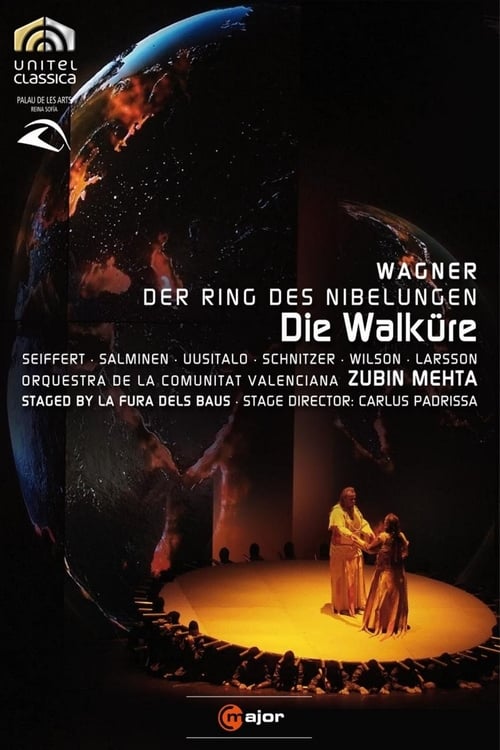
It has been a long time since the events of Das Rheingold. Wotan has fathered nine Valkyries, warrior women who bring dead heroes to Valhalla (the castle of the Gods). Richard Wagner's dream of a Gesamkuntswerk becomes reality through La Fura dels Baus' visual fantasy and blending of video technology, lighting and props (often formed of human beings): Their 30 computer projections and organic structures built of athletic performers that recall Cirque du Soleil are predestined for Wagner's visionary expressive world.
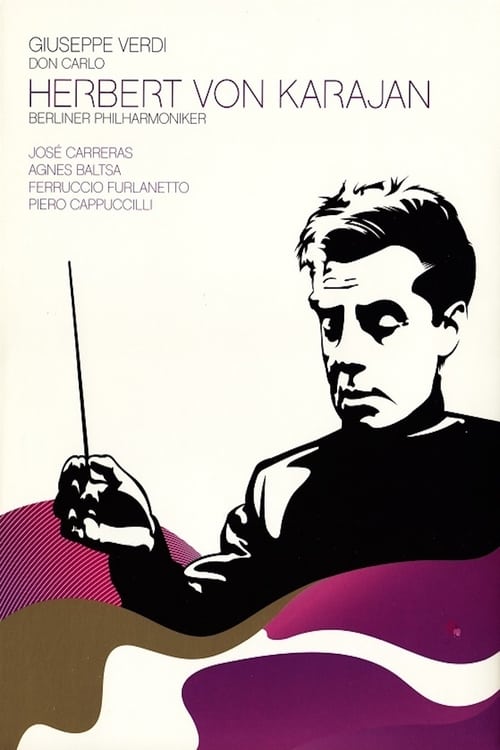
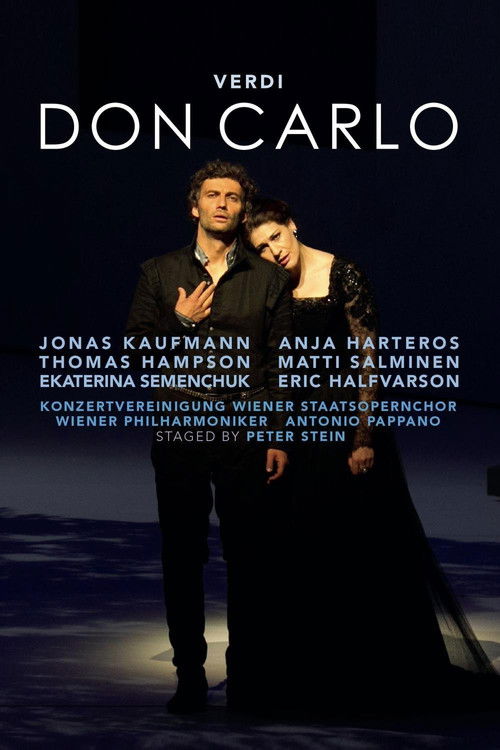
Verdi wrote this five act opera with a French Libretto for the Paris opera. Premiere 1867. Then there are three versions of this opera, the French 1867 version, the revised Italian four Act Don Carlo 1884, plus the Modena version 1886. This version is the 1884 version with Act One reinstated, as well as the original beginning of Act 2. To complicate matters the French opera was simply translated into Italian, and then the changes were made. There is an even newer edition completed in 1980 by Ricordi, and others floating around as well.
A look at the entire process of creating and developing Patrice Chéreau’s third staging of "In the Solitude of Cotton Fields" by Bernard Marie Koltès with Pascal Greggory and Chéreau himself. From the first reading around the table through the first contact with the performance space, rehearsals and lighting to opening night, the entire creative process unfurls in front of our eyes. The film shows us the evolving and ongoing dialogue between Greggory and Chéreau, a dialogue full of crises and magical moments of harmony and insight via which the truth, intensity, complexity, mystery and depth of Koltès’ text gradually emerge to form an implicit bond between these two men. The film also shows Chéreau directing rehearsals for Mozart’s "Don Giovanni" in Salzburg, revealing both the unity of and profound differences between his opera and theater work.