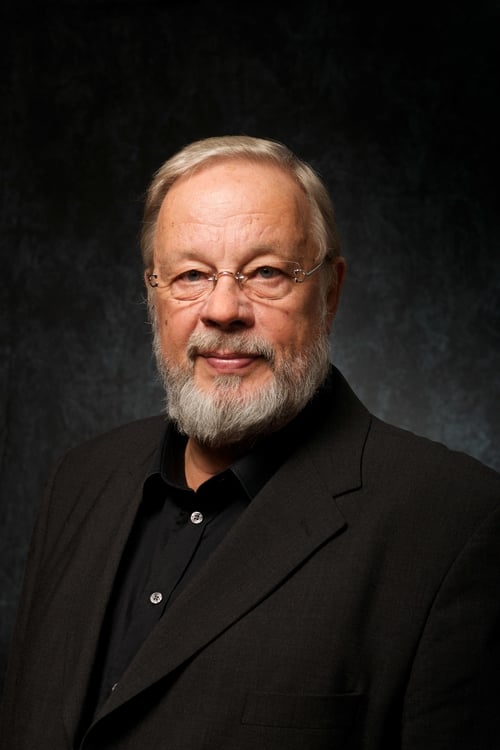
Matti Salminen
Acting
Known For
No description available.
Semperopernball

The legendary director Ruth Berghaus created this staging of Carl Maria von Weber’s Der Freischütz as a gripping theatrical experience for the Zurich Opera in 1993. Its revival in 1999 was a roaring success. With sets by Hartmut Meyer and costumes by Marie-Louise Strandt, Berghaus’ staging avoids the local peasant colour conventionally associated with Weber’s opera. Chorus and orchestra of the Zurich Opera House are conducted by Nikolaus Harnoncourt, universally celebrated for the structural transparency of his interpretations, his intellectual penetration and his emotional understanding of both music and opera plot. And last but not least an all-star cast made this production a highly memorable event: the dramatic soprano Inga Nielsen as Agathe, one of her best roles, the Swedish soprano Malin Hartelius as Ännchen, the sought-after Heldentenor Peter Seiffert, who gives a convincing passionate Max, and many others.
Der Freischütz

A buddy comedy about a fanatic small town football supporter who falls in love with a perfect girl, only to notice that his dream-girl supports the wrong football team. Now he has to befriend the enemy or forget the girl he loves.
Fanatics

Siegfried is the third of the four operas that constitute Der Ring des Nibelungen (The Ring of the Nibelung), by Richard Wagner.
Siegfried

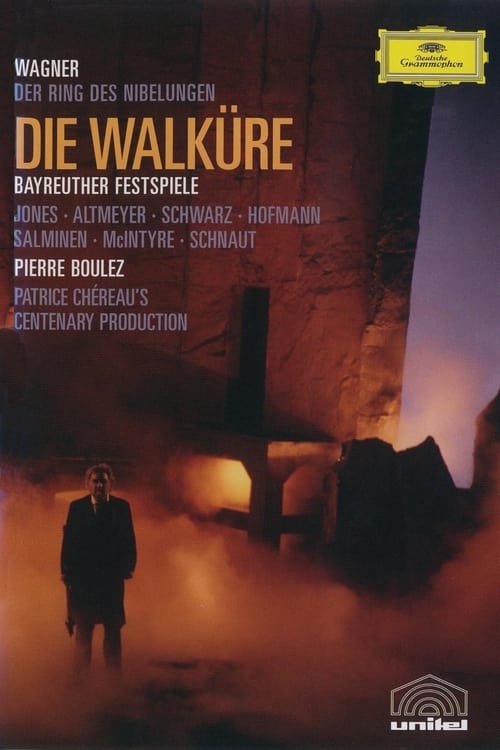
The second part of Patrice Chérau's epoch-making Bayreuth Ring is a radical re-imagining of Die Walküre, unprecedented in its psychological penetration. This production of " Die Walkure," staged as part of Patrice Chereau's Centenary celebration marking the 100th anniversary of the completion of the "Ring," this lavish performance features Donald McIntyre as Wotan, Peter Hofmann as Siegmund, and Gweneth Jones as Brunnhilde; Pierre Boulez conducts the Orchester Der Bayreuther Festspiel.
Wagner: Die Walküre

Any performance of Giuseppe Verdi’s Aida at La Scala, Milan, is guaranteed to be an experience – but, when it’s a new production, it becomes a major event, especially given the theatre’s notoriously critical audience. Legendary stage director Peter Stein succeeds in delivering a lucid production acclaimed in equal measure by the press and public: “a perfect coup de théâtre” (Giornale della musica). A “stellar cast” (La Stampa) contributes to the production’s success under the musical direction of Verdi specialist Zubin Mehta, who leads the orchestra in a “gorgeously colourful performance”, while “the entire ensemble is brilliant in its portrayal of the characters” (Die Presse).
Aida

It has been a long time since the events of Das Rheingold. Wotan has fathered nine Valkyries, warrior women who bring dead heroes to Valhalla (the castle of the Gods). Richard Wagner's dream of a Gesamkuntswerk becomes reality through La Fura dels Baus' visual fantasy and blending of video technology, lighting and props (often formed of human beings): Their 30 computer projections and organic structures built of athletic performers that recall Cirque du Soleil are predestined for Wagner's visionary expressive world.
Wagner: Die Walküre

The libretto is by Mussorgsky himself and takes the eponymous “romantic tragedy” by the celebrated Russian poet Alexander Pushkin as its starting point. Boris Godunov is Mussorgsky’s masterpiece and his only complete opera. It’s a vast sprawling tapestry of Russian life, which centres on the Russian people – represented in the opera by a large and powerful chorus – rather than on the title figure. The staging was produced at the Gran Teatre del Liceu in Barcelona and is based on the original version of the score.
Boris Godunov

The stupendous climax to Wagner’s four-part Ring cycle is brilliantly realized by the Otto Schenk/Günther Schneider-Siemssen production and byJames Levine’s monumental conducting. The Met orchestra, chorus, and an all-star cast make this Götterdämmerung one that truly rises to the occasion. Hildegard Behrens’s Brünnhilde must be experienced to be believed, as does Matti Salminen’s richly sung, domineering Hagen. At the center of the drama is Siegfried Jerusalem as Siegfried, who does not realize he has been drawn into a plot of betrayal until it is too late. Christa Ludwig is magnetic as Waltraute and Ekkehard Wlaschiha is a compelling Alberich.
Götterdämmerung

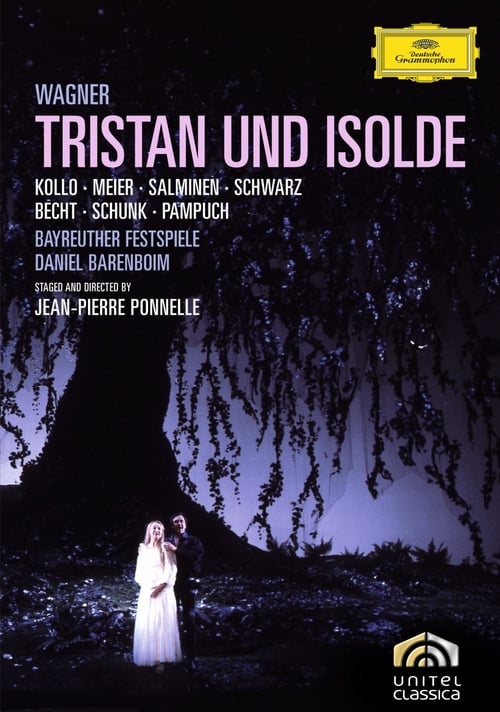
Take a perfect cast, a great conductor and a groundbreaking staging in-out makes a 'Tristan' for eternity. The 1983 performance in Bayreuth was a great moment for the world of opera. The ensemble performance of René Kollo, Johanna Meier and Matti Salminen with, then as now the Wagner admirer, Daniel Barenboim conducting the Bayreuth orchestra inspired singers and instrumentalists to peak performance. Jean-Pierre Ponnelle created a dream-beautiful stage.
Tristan und Isolde

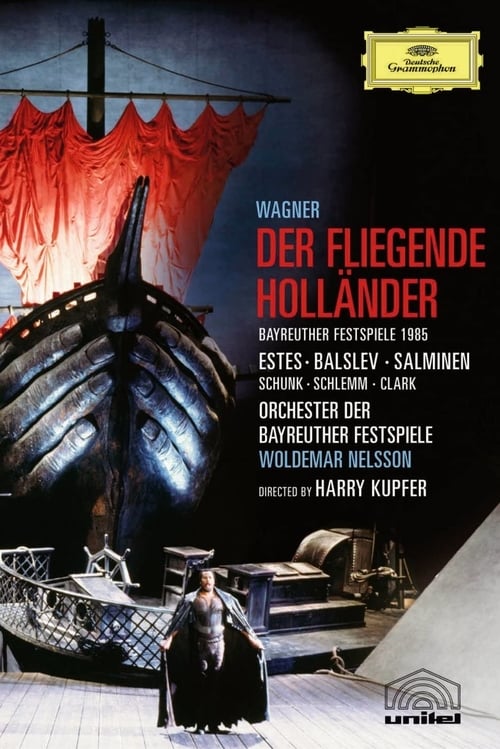
lkka Backman's celebrated rendition of Wagner's opera tells the story of The Flying Dutchman, a skipper who's been banished to sea for all eternity. Staged in a large outdoor courtyard inside Finland's Olavinlinna Castle, the production features German singer Franz Grundheber in the title role and Finnish opera singer Matti Salminen as Daland, a Norwegian sea captain whose daughter Senta (Hildegard Behrens) is the love of the Dutchman's life.
The Flying Dutchman

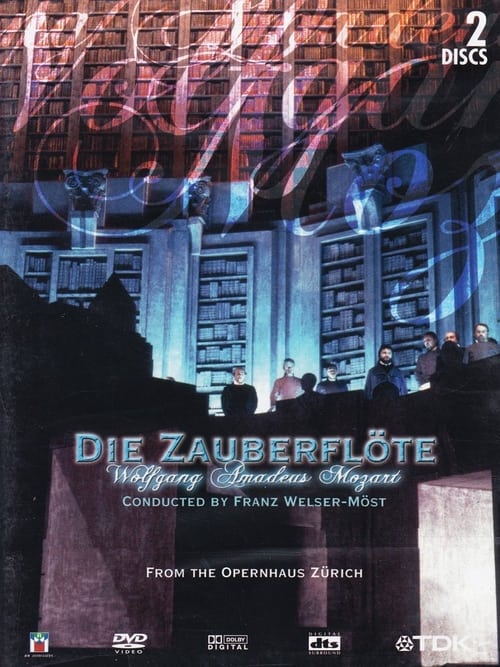
Live 2001 production from the Zurich Opera House of the classic Mozart/Da Ponte opera, with Nikolaus Harnoncourt conducting and directed for television and video by Brian Large.
Mozart: Don Giovanni (Zurich Opera House)

Richard Wagner's operatic retelling of the story of the search for the Holy Grail receives a lavish production in this video, which records performances held in Bayreuth, St. Petersburg, and Ravello, Italy. Internationally renowned tenor Placido Domingo leads the distinguished cast; Tony Palmer directs.
Parsifal: The Search for the Grail
A look at the entire process of creating and developing Patrice Chéreau’s third staging of "In the Solitude of Cotton Fields" by Bernard Marie Koltès with Pascal Greggory and Chéreau himself. From the first reading around the table through the first contact with the performance space, rehearsals and lighting to opening night, the entire creative process unfurls in front of our eyes. The film shows us the evolving and ongoing dialogue between Greggory and Chéreau, a dialogue full of crises and magical moments of harmony and insight via which the truth, intensity, complexity, mystery and depth of Koltès’ text gradually emerge to form an implicit bond between these two men. The film also shows Chéreau directing rehearsals for Mozart’s "Don Giovanni" in Salzburg, revealing both the unity of and profound differences between his opera and theater work.
Patrice Chéreau, Pascal Greggory, une autre solitude

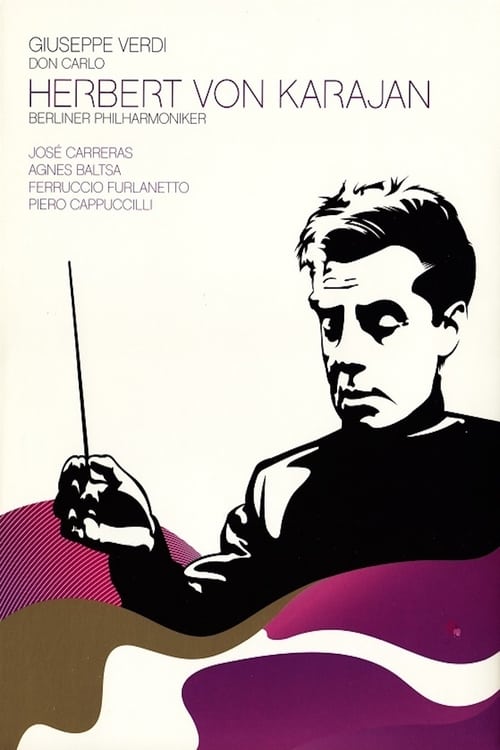
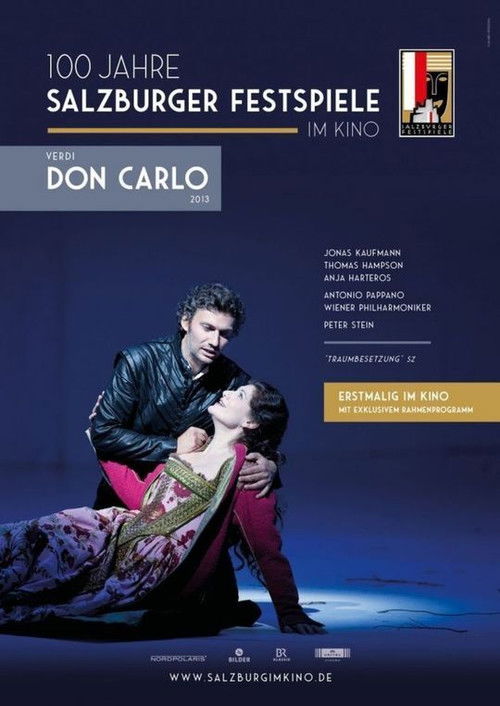
Verdi wrote this five act opera with a French Libretto for the Paris opera. Premiere 1867. Then there are three versions of this opera, the French 1867 version, the revised Italian four Act Don Carlo 1884, plus the Modena version 1886. This version is the 1884 version with Act One reinstated, as well as the original beginning of Act 2. To complicate matters the French opera was simply translated into Italian, and then the changes were made. There is an even newer edition completed in 1980 by Ricordi, and others floating around as well.
Verdi: Don Carlo

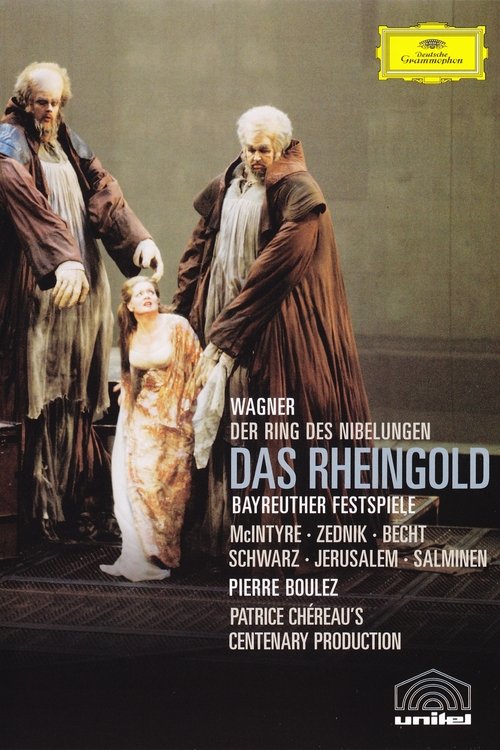
From the gorgeous scene deep in the river Rhine that opens the opera, up to the magic Rainbow Bridge that appears at the end, leading to a glistening Valhalla, Otto Schenk’s production captures the scenic world of Wagner’s Ring as brilliantly as James Levine and the Met orchestra capture the musical world. The cast is incomporable: an astounding James Morris as the young god Wotan, the great Christa Ludwig as his wife Fricka, incandescent Siegfried Jerusalem as Loge, the wily god of fire, and Ekkehard Wlaschiha as a complex Alberich.
Das Rheingold

No description available.
Verdi - Don Carlo

The Zurich Opera presents a stunning new production of Verdi’s most popular, most spectacular work. Responding superbly to the role, Swedish soprano Nina Stemme – she of the richly clear voice – offers an Aida vibrant with love and emotion. Heading a magnificent cast, she makes a poignant couple with talented tenor Salvatore Licitra as Radamès. Luciana d’Intino is nothing less than brilliant in the role of Aida’s rival Amneris and Juan Pons imbues his Amonasro with enormous humanity. Conducting the Zurich Opera orchestra and chorus, Adam Fischer brings out all the score’s musical and dramatic majesty.
Aida

Two years prior to the opening scene, the nobleman Florestan has exposed or attempted to expose certain crimes of the nobleman Pizarro. In revenge, Pizarro has secretly imprisoned Florestan in the prison over which Pizarro is governor. The jailer of the prison, Rocco, has a daughter, Marzelline, and a servant (or assistant), Jaquino. Florestan's wife, Leonore, came to Rocco's door dressed as a boy seeking employment, and Rocco hired her. On orders, Rocco has been giving Florestan diminishing rations until he is nearly starved to death. Place: A Spanish state prison, a few miles from Seville Time: Late 18th century
Fidelio

The legendary Patrice Chéreau (Bayreuth Jahrhundertring, Queen Margot, Intimacy) directed this production of Richard Wagner's psychological music drama Tristan und Isolde at the Teatro alla Scala in 2007. It stars Ian Storey, Waltraud Meier, Matti Salminen, Gerd Grochowski and Michelle DeYoung; the Orchestra and Chorus of the Teatro Alla Scala provide musical support, under the baton of Daniel Barenboim.