Acting
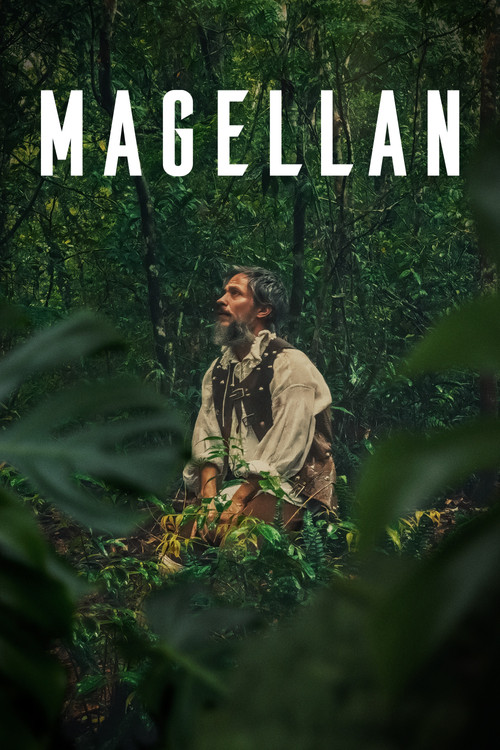
At the dawn of the modern era, Portuguese explorer Ferdinand Magellan leads an expedition under the Spanish crown in search of the first westward route to the Spice Islands. He embarks on a perilous journey across the uncharted Pacific, where his fleet faces starvation, mutiny, and the psychological toll of endless seas. Upon reaching the shores of Cebu, Magellan is pulled into a fatal conflict with the natives by his drive to spread Catholicism, culminating in his tragic doom.
Haunted by memories of a patient's death, a nurse takes a job at an antiquated hospital for children. Soon she learns that the kids fear a ghost that prowls the floors and will not allow anyone to leave. Amy tries to protect them and convince the other staffers of the evil that lurks there.
The life of the bullfighter Andrés Roca Rey during a day of bullfighting, from the moment he dresses up to the moment he undresses.
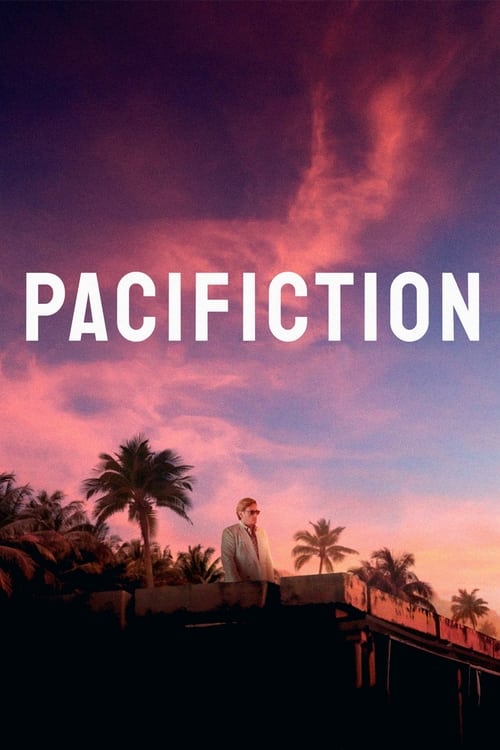
Island of Tahiti. French government official De Roller is a calculating man with impeccable manners, capable of dealing with both high society and the locals he frequents in shady joints.
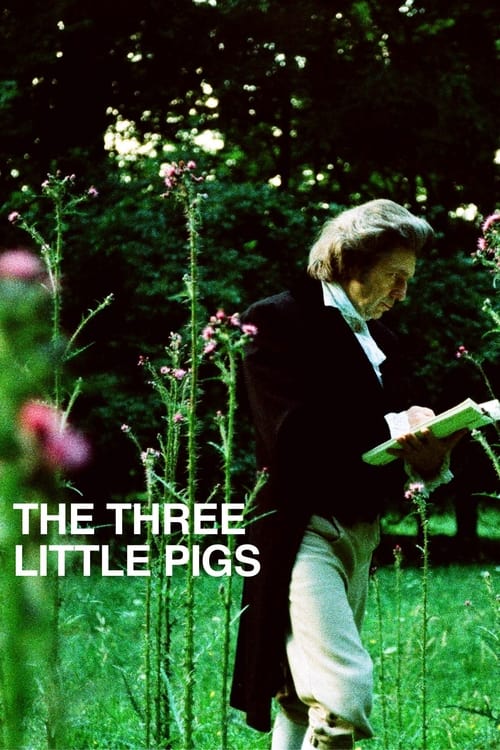
A 101-hour long reflection on the construction of Europe, its cultural identity and its foundations through the complete adaptation of the texts ‘Conversations with Goethe’ by J. P. Eckermann, ‘Hitler’s Table Talks’ and ‘Fassbinder über Fassbinder: Die ungekürzten Interviews’ (a compilation of interviews with the German filmmaker Rainer Werner Fassbinder, which is used as a counterpoint to the first two books). The texts are read, page by page, by non-professional actors.
Based on the material generated for the documentary Tardes de soledad (2024), Albert Serra proposes his own version of tauromaquia, in which he delves into the most baroque aspects of the fiesta.
August 1715. After going for a walk, Louis XIV feels a pain in his leg. The next days, the king keeps fulfilling his duties and obligations, but his sleep is troubled and he has a serious fever. He barely eats and weakens increasingly. This is the start of the slow agony of the greatest king of France, surrounded by his relatives and doctors.
1774, shortly before the French Revolution, somewhere between Potsdam and Berlin. Madame de Dumeval, the Duke de Tesis and the Duke de Wand, libertines expelled from the puritanical court of Louis XVI, seek the support of the legendary Duc de Walchen, German seducer and freethinker, lonely in a country where hypocrisy and false virtue reign. Their mission is to export libertinage, a philosophy of enlightenment founded on the rejection of moral boundaries and authorities, but moreover to find a safe place to pursue their errant games, where the quest for pleasure no longer obeys laws other than those dictated by unfulfilled desires.
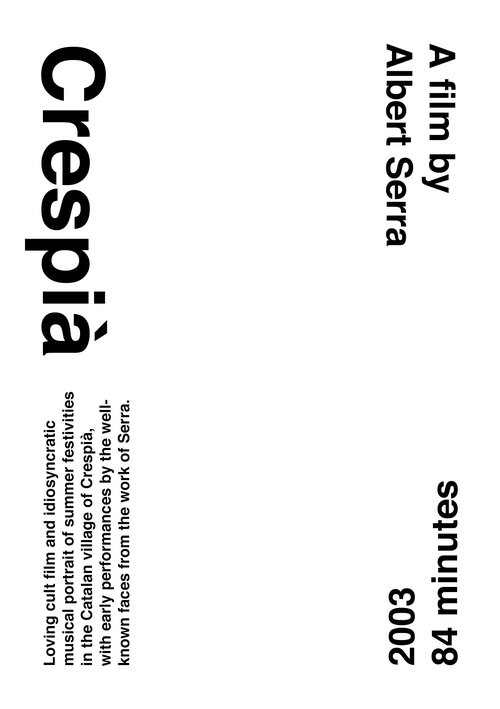
Loving cult film and idiosyncratic musical portrait of summer festivities in the Catalan village of Crespià, with early performances by the well-known faces from the work of Serra.
Trusting in fate, Don Quixote and Sancho pursue their travels in search of adventure day and night. They ride through fields, talking about subjects as varied as spirituality, chivalry and daily life. A growing bond of friendship unites them.
Black and white historical drama
Casanova meets a new servant who will witness his last moments in life, from a castle with its libertine 18th century atmosphere to the poor, shadowy Northern lands. There, his rationalist way of thinking and mundane world will succumb to a violent and romantic force, represented by Count Dracula.
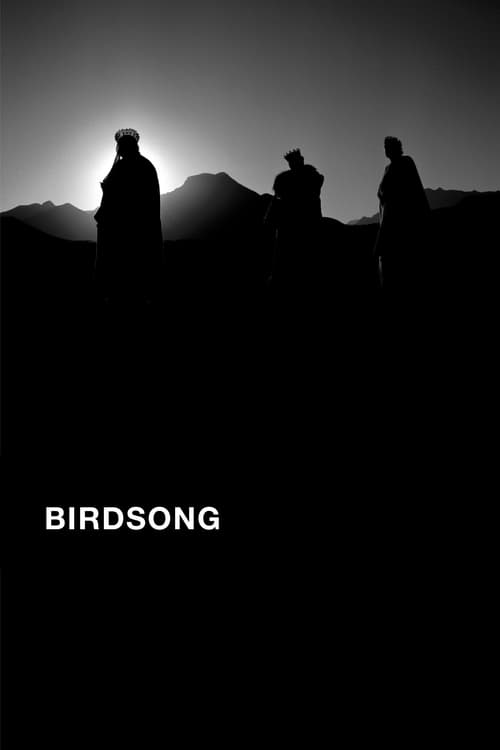
The Three Wise Kings travel in search of the Messiah, with unexpected obstacles on the way.
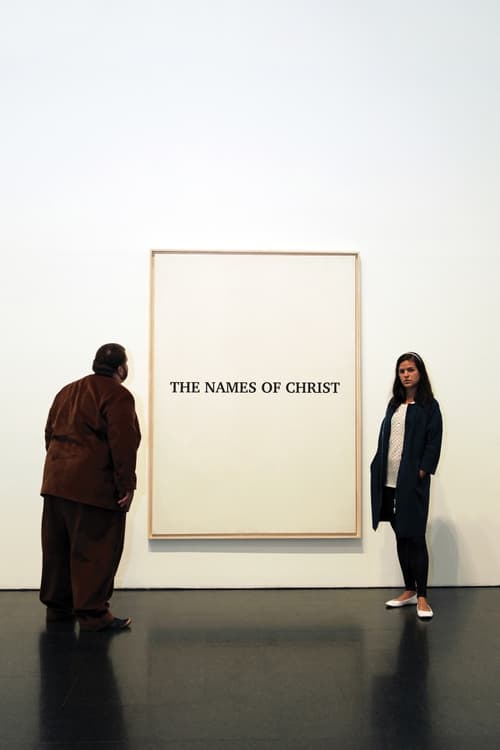
Episodic film, divided into 14 chapters, based on the play De los nombres de Cristo (1586), by Fray Luis de Leon and intended for exhibition "Are You Ready for TV?". Filmed partly in the rooms of MACBA (Museu d'Art Contemporani de Barcelona), is about the difficulty of naming or visually represent abstract concepts.
Catalan director Albert Serra’s follow-up to his magisterial The Death of Louis XIV is another forensic documentation of the Sun King’s final breaths. Here, however, Versailles is replaced with the glow of the gallery.
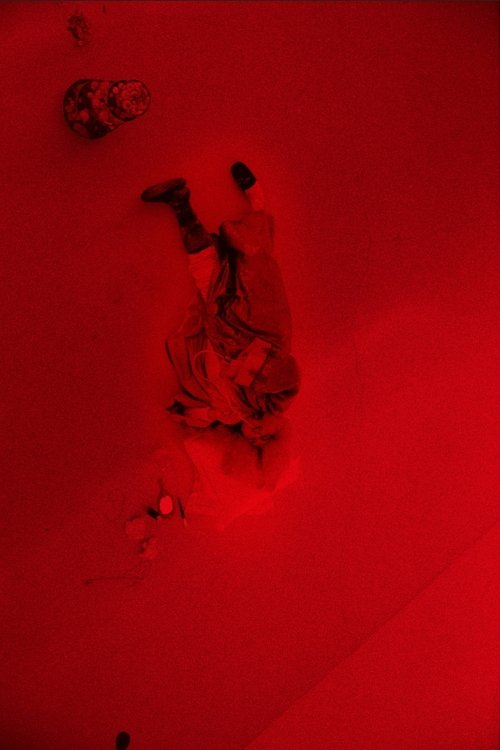
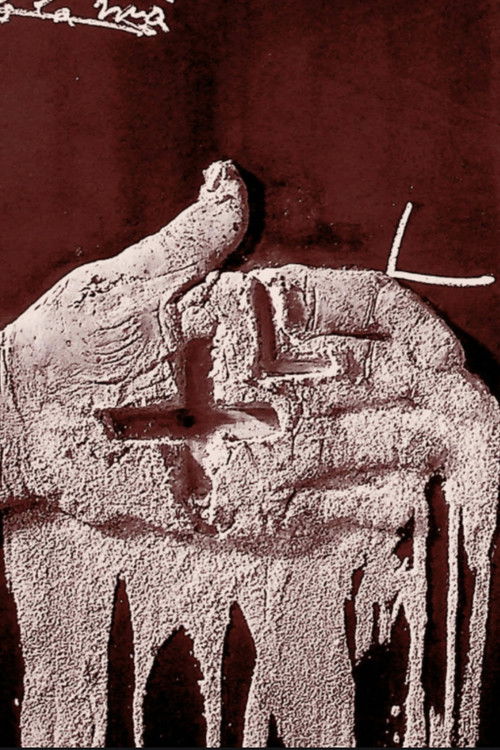
Now that the centenary of the birth of the painter Antoni Tàpies has passed, Albert Serra dedicates a heartfelt tribute to him with a film that focuses on one of the most emotional and surprising aspects of his work.
Part of the crew of Honor of the Knights travels to La Mancha to see the real settings of Quixote’s life in order to shoot a film.
A portrait of the world of contemporary art. A world full of extravagances and colorful characters, but suggestive of the contrast it represents with the normal life of most people. An artificial, theatrical and equivocal world but inhabited by innocence and blind faith in the transforming power of art. The film is a tribute to this world and to these people, with ironic and often provocative borders, but sincere in their admiration for the subversive power of the artists who always question, and in the most unexpected (sometimes involuntary) way, our system of values.
A successful black theatre and opera stage director, a very demanding and determined person, is going through a prolonged and devastating spiritual ordeal, of unknown origin, to which she seems to have become accustomed. She lives in a permanent drunkenness, shocking and implausible but paradoxically controlled and with hardly any excesses. She has a growing fascination for the talent and magnetism of one of the actresses, whose career she wants to dominate, as she considers herself responsible and owner of her triumph.