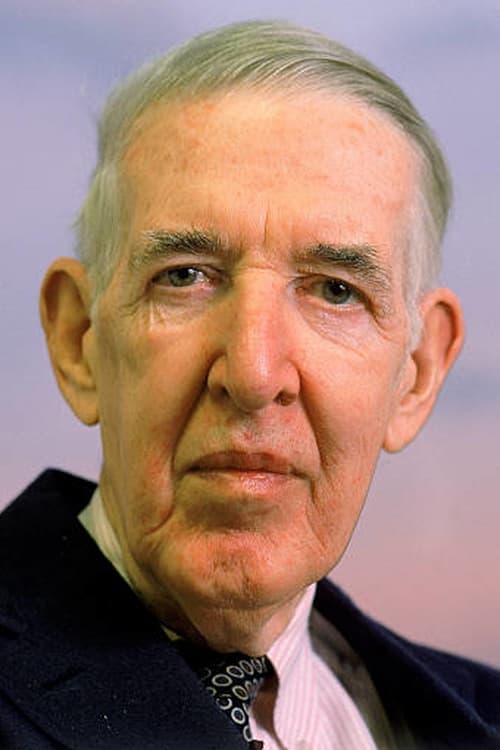
William H. Whyte
Acting
Biography
William Hollingsworth "Holly" Whyte Jr. (July 11, 1917 – July 11, 1999) was an American urbanist, sociologist, organizational analyst, journalist and people-watcher. He identified the elements that create vibrant public spaces within the city and filmed a variety of urban plazas in New York City in the 1970s. After his book about corporate culture The Organization Man (1956) sold over two million copies, Whyte turned his attention to the study of human behavior in urban settings. He published several books on the topic, including The Social Life of Small Urban Spaces (1980).
Known For

PBS' premier science series helps viewers of all ages explore the science behind the headlines. Along the way, NOVA demystifies science and technology, and highlights the people involved in scientific pursuits.
NOVA
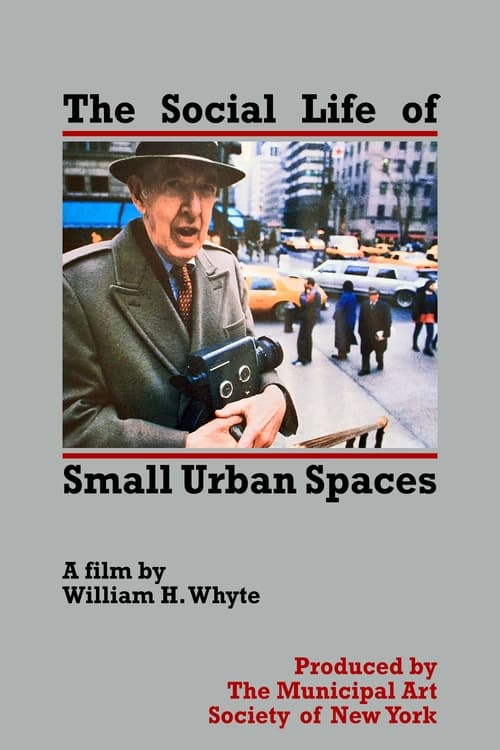
This witty and original film is about the open spaces of cities and why some of them work for people while others don't. Beginning at New York's Seagram Plaza, one of the most used open areas in the city, the film proceeds to analyze why this space is so popular and how other urban oases, both in New York and elsewhere, measure up. Based on direct observation of what people actually do, the film presents a remarkably engaging and informative tour of the urban landscape and looks at how it can be made more hospitable to those who live in it.
The Social Life of Small Urban Spaces
In 1969, The Department of City Planning in New York City developed a new city-wide plan. This documentary, produced and written by John Peer Nugent and narrated by notable urbanist William H. Whyte, was released on public television to provide a behind-the-scenes peek at the planning process. There's a lot that is gone from contemporary New York in this documentary: a gritty Hell's Kitchen, a robust Model Cities program, and acres of slums in Bedford-Stuyvesant. But there's a lot that, for better or worse, is still the same: poverty and prosperity, diversity and wealth, greed and good intentions.
What Is The City But The People?
Whyte's observations and research show why some urban open spaces such as the Seagram Plaza in New York City attract people and why others are unsuccessful.