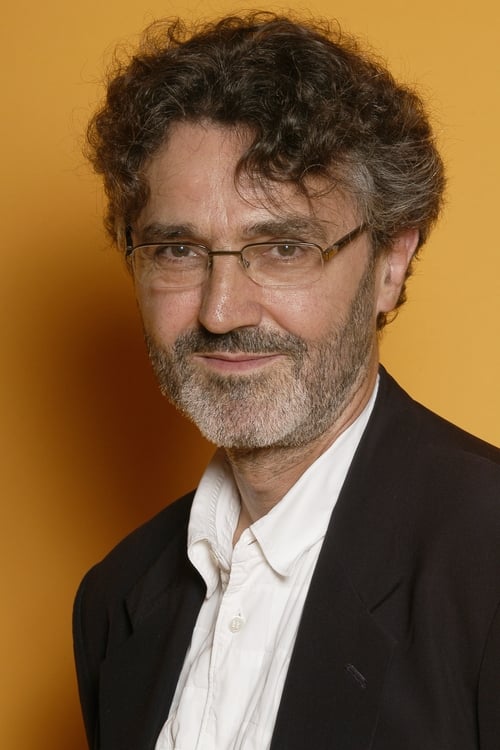
Thierry Garrel
Production
Known For
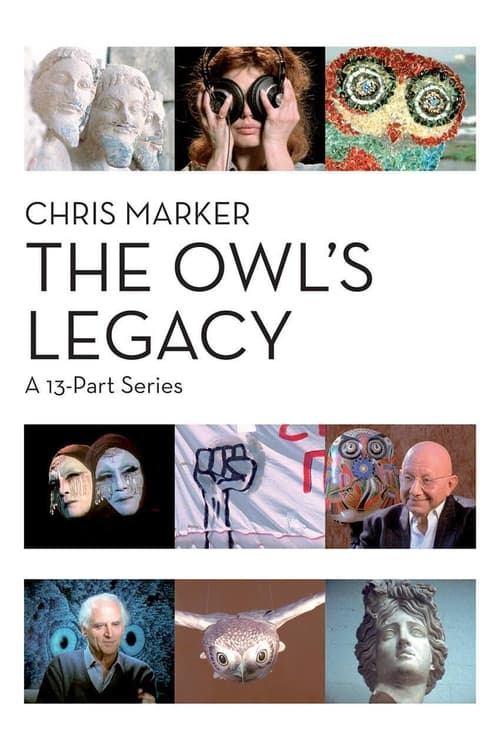
A 13-part documentary series by Chris Marker examining how ancient Greek ideas continue to shape modern Western thought. Each episode centers on a single Greek word—such as “democracy,” “philosophy,” or “mythology”—through conversations filmed in cities around the world. Combining symposium-style discussions with archival footage and visual motifs of the owl, Marker creates an expansive reflection on the enduring legacy of Greece.
The Owl's Legacy
A tragic spin on the futility of revolution, in cinema and elsewhere.
Cinéma-Cinéma
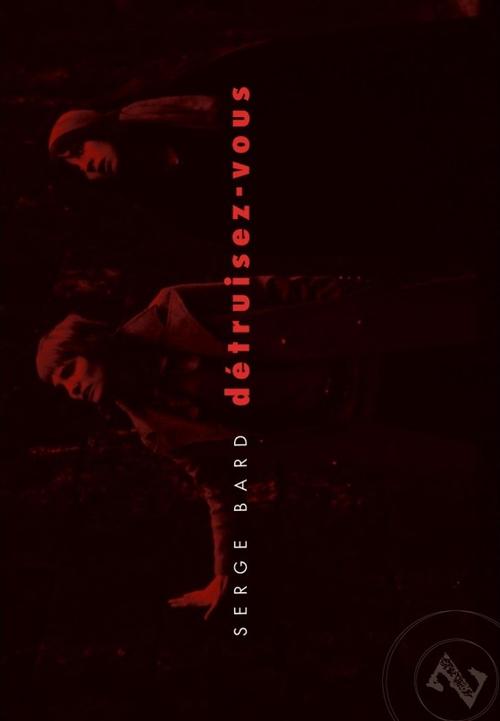
Detruisez-vous is a ‘primitive’ film which breaks all the rules of film-making. It’s the first Zanzibar film (and predates the very naming of the movement), an attempt to make a film which defies the rules of production, the production line of commerce
Destroy Yourselves

A look at Fellini's creative process. In extensive interviews, Fellini talks a bit about his background and then discusses how he works and how he creates. Several actors, a producer, a writer, and a production manager talk about working with Fellini. Archive footage of Fellini and others on the set plus clips from his films provide commentary and illustration for the points interviewees make. Fellini is fully in charge; actors call themselves puppets. He dismisses improvisation and calls for "availability." His sets and his films create images that look like reality but are not; we see the differences and the results.
Fellini: I'm a Born Liar
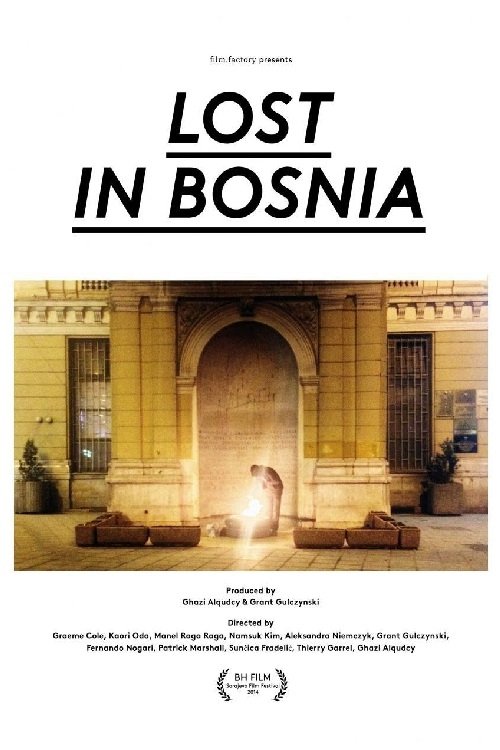
The experiment presents a cinematic poem to filmmaking and film itself. Directed by eleven filmmakers, all under the vision of Bela Tarr's 'film.factory', delving into what keeps us making films.
Lost in Bosnia
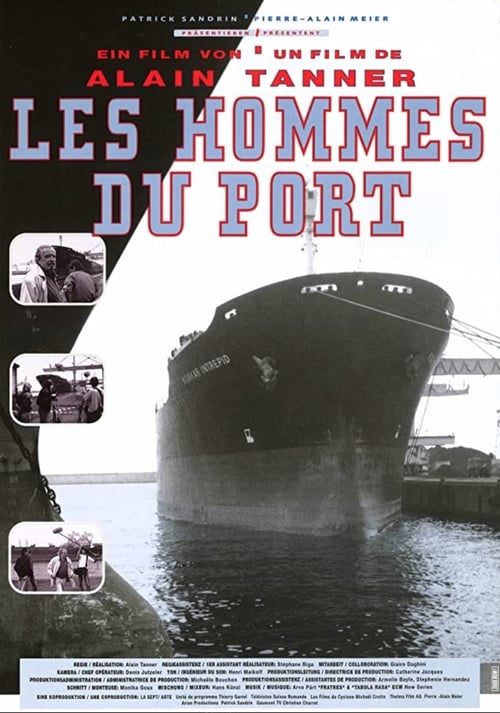
After 40 years Alain Tanner again travels to the port of Genoa, where he worked for a shipping company as a 22-year-old. On the back of his own memories he depicts the rough world of the dockworkers, another of those trades that has undergone fundamental changes as a result of recessions, modernisation and liberalisation. “The visual impression of the harbour and the city has changed very little, but what goes on there nowadays is completely different. The city is still as beautiful and alien and somewhat sad as before. But the port is dying, like so many other major ports. In Genoa, as elsewhere in Italy, the economic, social and political climate is highly explosive. But you also feel that things are in flow and the country is on the verge of some far-reaching changes. (...) In this film I wanted to explore my own memories of Genoa, uncover its present and guess at its future. Genoa, this beautiful, this sad, this alien town has become for me a metaphor for society in change.”
Men of the Port
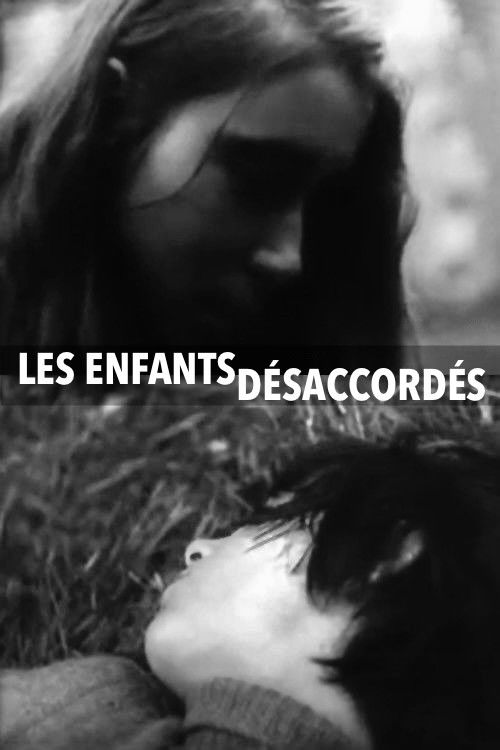
A young couple skip school to spend time together in a mansion.
Children Out of Tune
No description available.
Juste une image

Undaunted by a commission to make a film about his mentors and aesthetic exemplars, the filmmaking team of Jean-Marie Straub and Danièle Huillet, Costa records with great sensitivity and insight the exacting process by which the two re-edit their film Sicilia!, discussing and arguing over each cut and its effect. Incorporating comments about the influence of figures as diverse as Chaplin and Eisenstein, about the ethical and aesthetic implications of film technique and such matters as rhythm, sound mixing, and acting. The film becomes a tour de force, immersing us in the mysteries of cinema as practiced by some of its greatest creators. Costa calls the film both his first comedy and his first love story.
Where Does Your Hidden Smile Lie?
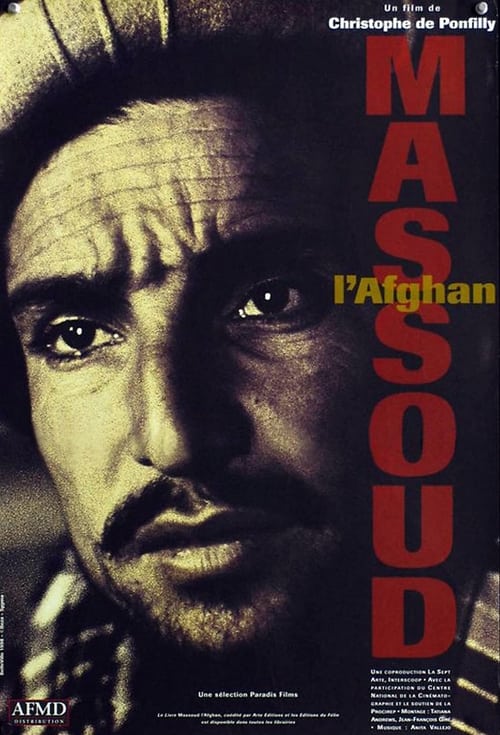
The friendship between Christophe de Ponfilly and Commander Massoud, a legendary figure of the Afghan resistance against the Soviet invader, goes back to the filmmaker's first film, "A Valley Against an Empire", made in 1981. Fifteen years later, weakened, isolated, betrayed by many of his own, the "Lion of Panshir" has not surrendered to his new and implacable enemies, the Taliban. While preparing his next offensive, he evokes his commitment and his fights, and bears witness to a history in which he has been one of the main actors for twenty years. At the same time, the director questions the role and power of the media, as well as his own approach as a filmmaker. Commander Massoud was killed in an attack in September 2001.
Massoud the Afghan

Parallel lives of two couples destined to suicide, one, and unhappiness, the other.
Marie for Memory
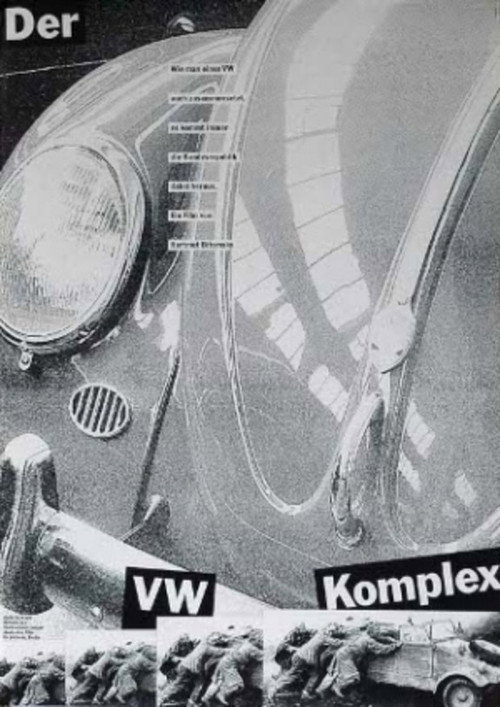
It takes a day and a half to assemble a VW Golf 2. Hartmut Bitmosky traces a car’s journey through the fully automated production lines in Wolfsburg and explores the development of the VW Group using archival footage. Moving almost in time with the machines, the director constructs a documentary collage—a visual exploration of the corporate giant, which appears as dehumanized and automated as its production process.
The VW Complex
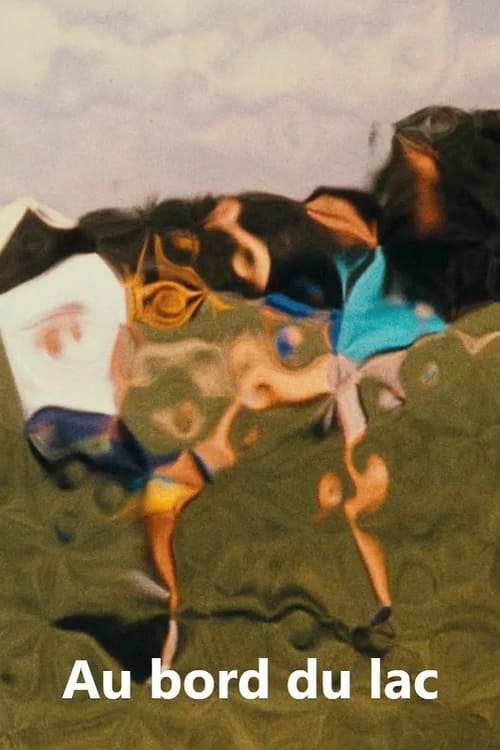
Bokanowski returns to the complex - and mind-bending - optical array of pinholes, mirrors, prisms, and refractive substrates of his earlier film, La Plage to create the whimsical and playful Au bord du lac. The film is composed of mundane, everyday scenes of recreation and leisure on an idyllic, sunny day at a park that overlooks a lake - rowing a boat, playing a game of volleyball, rollerskating, bicycling, reading a newspaper, sunbathing, riding on horseback, or strolling on the promenade - shot through optical distortions to create fractured and knotted images that resemble embellished, gothic fairytale illustrations or appear to resolve into morphing, geometric patterns of fluid motion. Evoking the vibrant colors and sun-soaked palette of an invigorated Vincent van Gogh in Arles, Bokanowski transforms the quotidian into an infinitely mesmerizing dynamic kaleidoscope of shape-shifting textures and self-reconstituting objects of organic, abstract art.
By the Lake
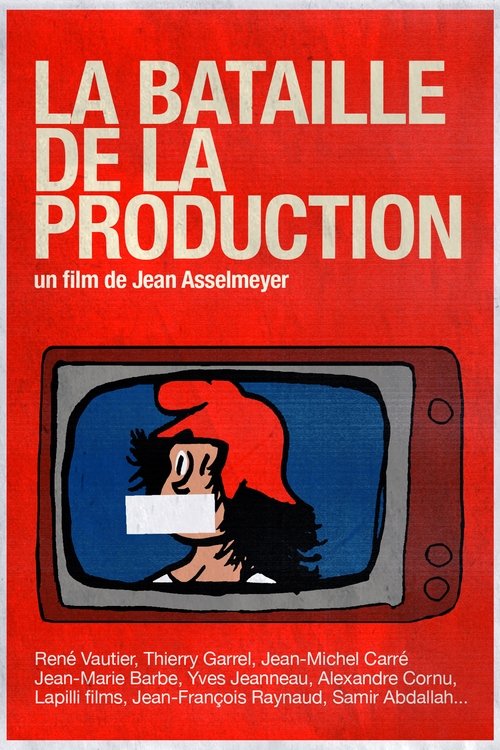
In 1997, the committed filmmaker Jean Asselmeyer, armed with his camera, posed the following question at the General Assembly of Documentary Film in Lussas and in Paris: Is it possible today to make a committed creative documentary?, to René Vautier, Thierry Garrel, Jean-Michel Carré, Jean-Marie Barbe, Yves Jeanneau, Alexandre Cornu, Lapilli films, Jean-François Raynaud, Samir Abdallah and many others, not the least of whom.
The Battle of Production
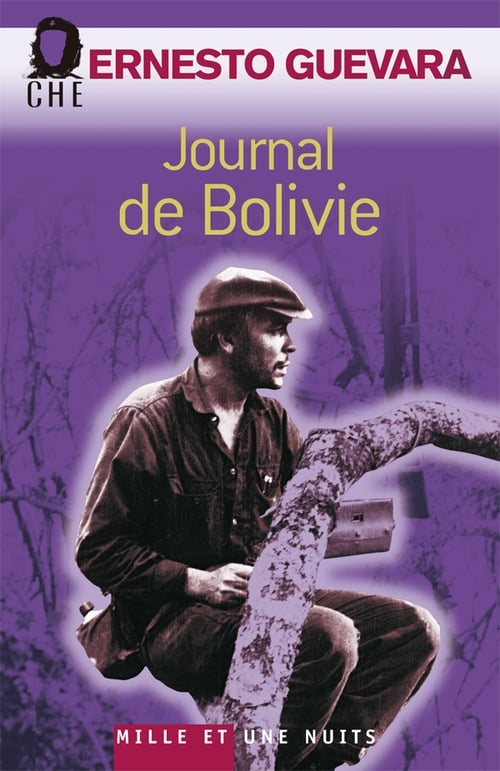
A documentary about Che Guevara in Bolivia, based upon his journal listing daily agendas
Ernesto Che Guevara, the Bolivian Diary
The original television version of 'Where Does Your Hidden Smile Lie?'
Cinéma, de notre temps: Danièle Huillet, Jean-Marie Straub - cinéastes

Filmed over five years, this documentary charts the progress of several veterans dealing with post-traumatic stress disorder at a California clinic.
Of Men and War
No description available.
Libre de ne pas l'être
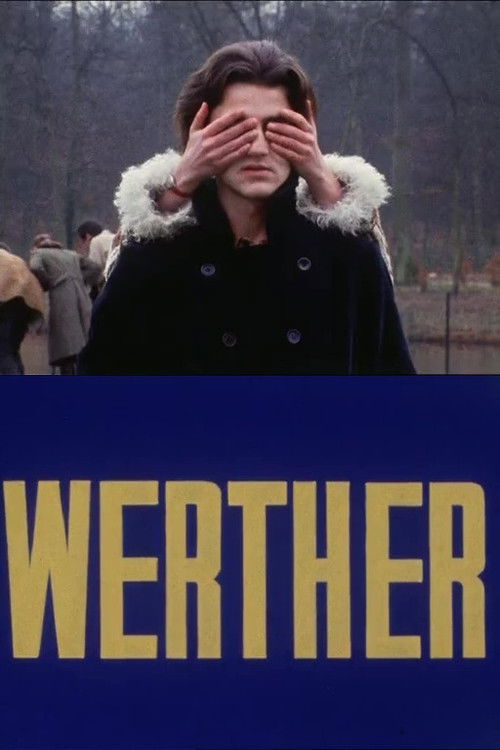
Werther was one of the last feature films that Jean-Pierre Lajournade made for television. The Lajournade's version of Werther makes a critical rereading of Goethe's work through a challenge to bourgeois society.
Werther
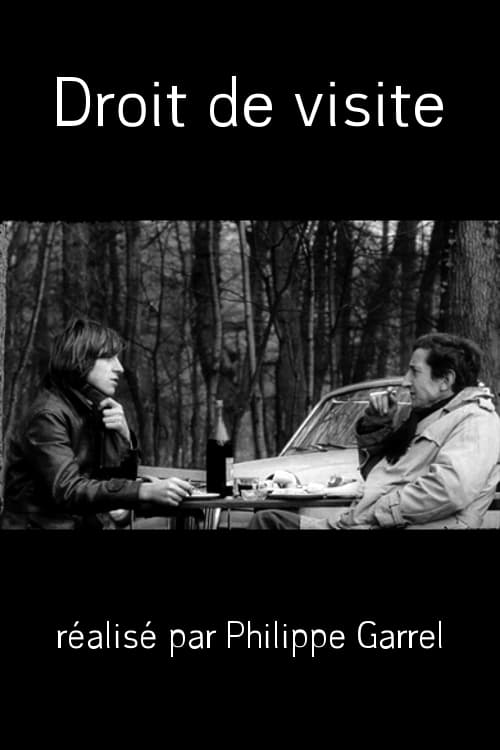
A 17 year old boy goes on a trip with his father and his father's girlfriend.