Directing
Cristina is twenty years old. Her father was declared missing in action during the war in Angola many years before. One day in church the girl meets a man about fifty years old who tries various times, unsuccessfully, to make the sign of the cross. The man is called Cristovão. A few days later the two meet again. The man offers to help her look for her father. A relationship based on memories and confessions is formed between them. But soon they each return to their own solitude.
Short film by Fernando Lopes, decisive figure of the Portuguese New Wave.
No description available.
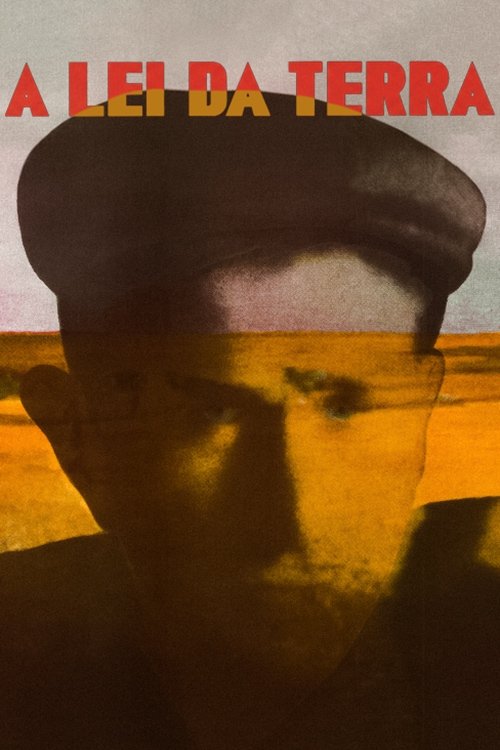
The agriculture reforming process, after the 1974 revolution, is seen through an analysis of the social structures and class struggles of the Portuguese society.
A portrait of the everyday life of a typical middle-class family in parallel with the fall of the "Estado Novo", the 48-year dictatorship led by Salazar. The daughters' conflicts and frustrations with their parents, their grandmother and their maid find an obvious echo in the country's collective events. The Carnation Revolution is about to explode.
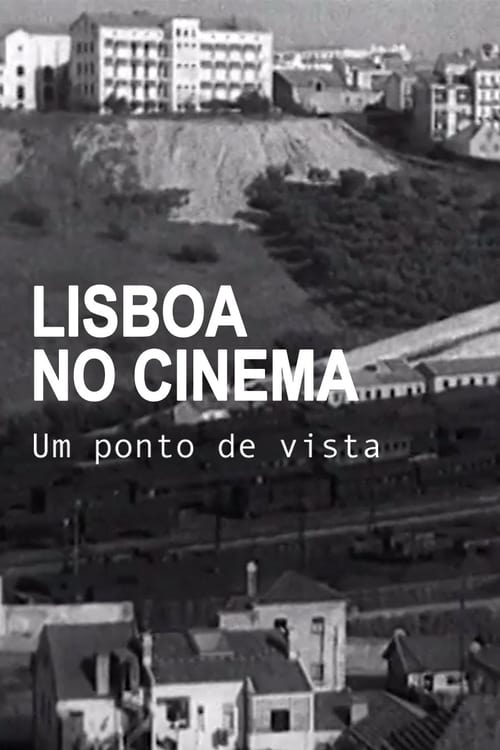
The city during the beginning of cinema. The typical city at the time of the dictatorship. The New Lisbon of the New Cinema. Lisbon after the Revolution. The white city of foreigners. A geographical and moviegoer screenplay of Lisbon through the images of films and testimonies of several filmmakers who filmed in Lisbon.
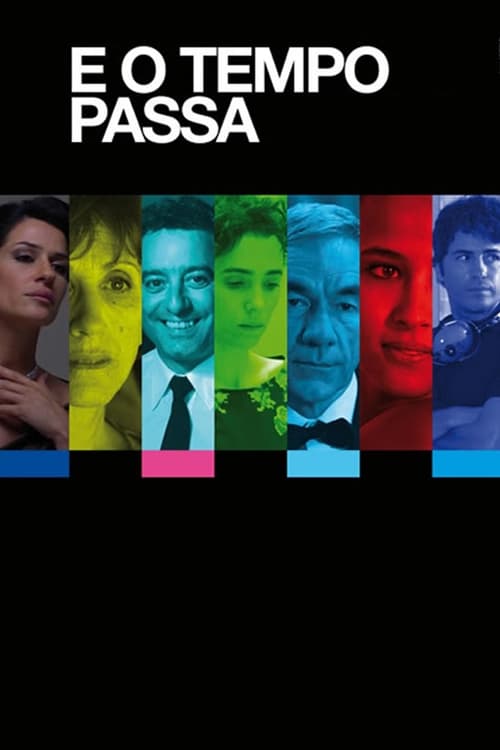
Teresa is a soap-opera actress. Meeting again an old passion brings her back apparently lost memories, leading her to question not only her love life but also her career options. In the studio, the daily work is spiced by the frenzy group of younger actors. After all, they all ask the same question: where does happiness lies?
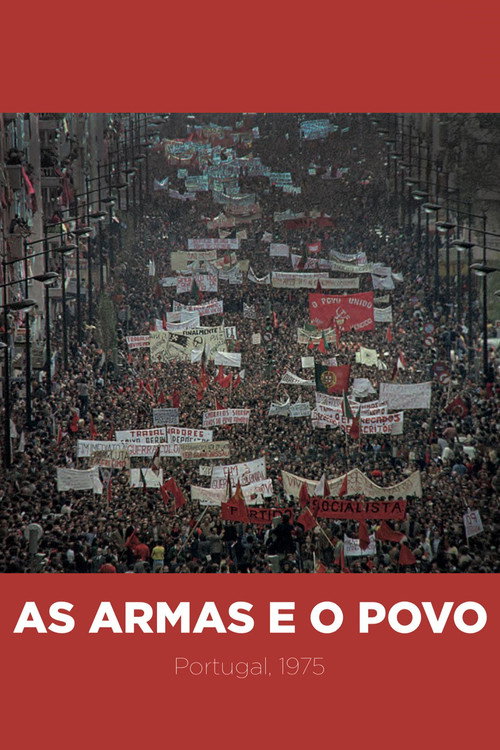
Film directors with hand-held cameras went to the streets of Lisbon from April 25 to May 1, 1974, registering interviews and political events of the Portuguese "Carnation Revolution", as that period would be later known.
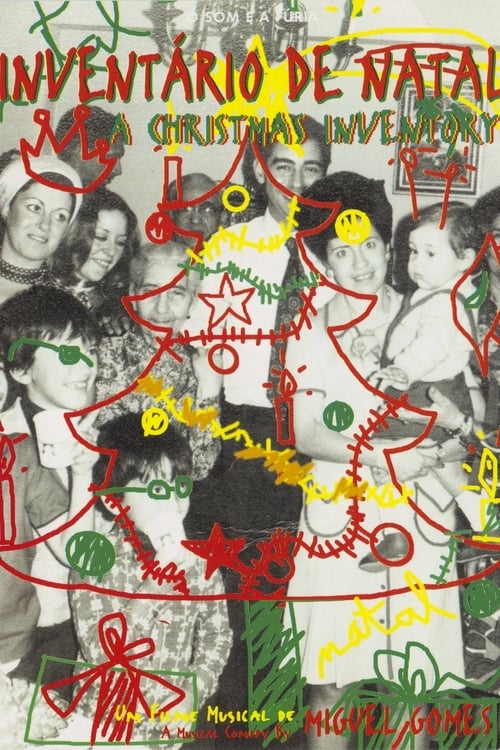
A family gathers to celebrate Christmas.
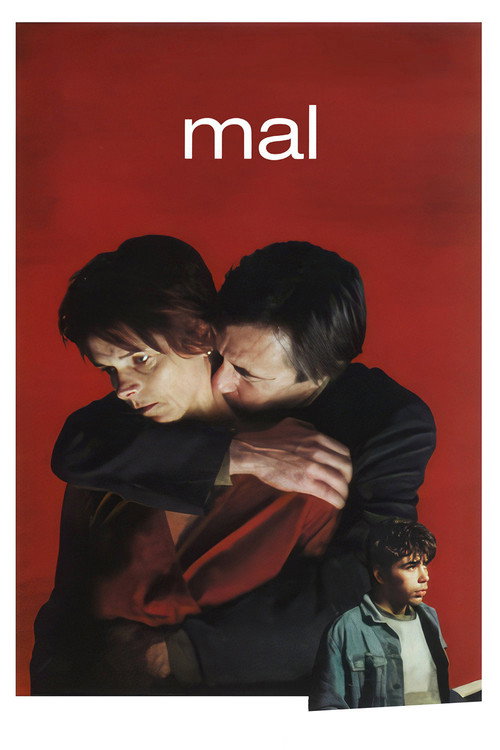
Concerns an Irish woman, Cathy (Pauline Cadell), who dearly loves her Portuguese lawyer husband, Pedro (Rui Morisson); however, unbeknownst to her, he engages in one tryst after another. Cathy soon finds herself trying to help a young delinquent get off heroin, while the youth's desperate mother joins a weird religious cult. In other segments, an elderly man is nearly driven mad with grief at the loss of his granddaughter in a train station, while a down-and-out jeweler ushers the young girl to a hotel room.
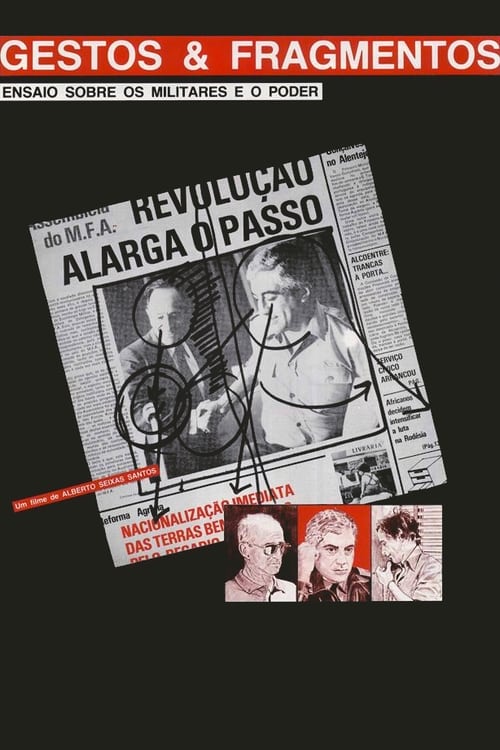
"Essay on the Military and the Power", a phrase that also belongs to the title of "Gestures & Fragments", sums up the spirit of the film, based on three points of view on the same theme: Otelo Saraiva de Carvalho and Eduardo Lourenço, in their own roles, and the one played by Robert Kramer, as an American journalist bent on seeking explanations for the process of the Portuguese Revolution.
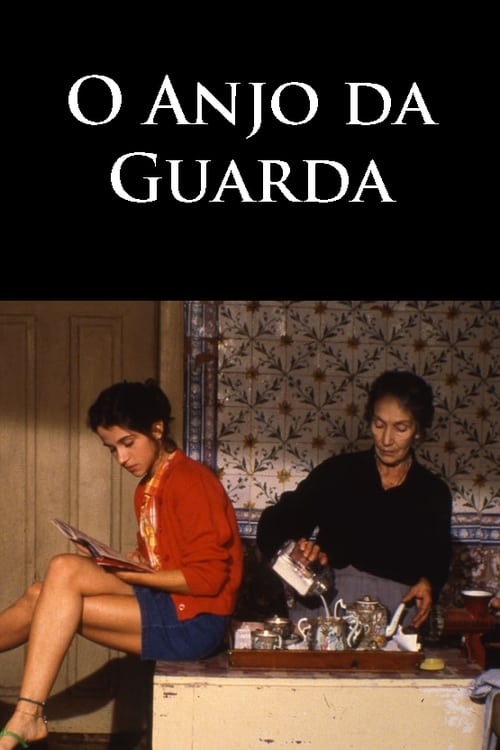
Lúcia is an independent woman who lives alone in Lisbon. Her father commits suicide leaving her a message on phone recorder, revealing a letter he wrote. However Lúcia can't find it in her father's house. On that visit she ends up meeting with her mother, a known political activist with whom she has a distant and tense relationship. In hope of finding the letter, Lúcia leaves to the farm where she grew up, on an isolated location. There she reencounters Álvaro, an old childhood companion, who shares a little life time he has left between roses and the piano, and the guardian angel that follows and protects her through nocturnal wanderings.
A 58 minute documentary about the life of João Bénard da Costa.
He was the most prolific within the New Portuguese Cinema generation. He would try western spaghetti, esoteric allegory, supernatural, and science-fiction. Without state subsidies, he would quit filmmaking in the 1990s. Who remembers António de Macedo?
The film serves as a social document, focusing on a literacy campaign carried out within a Portuguese agricultural cooperative
Nogueira, a man in his fifties, is a relic of times long past. While the youngsters at the school where he works as a caretaker still think the world is their oyster, Nogueira knows that, for him, most doors have long closed.
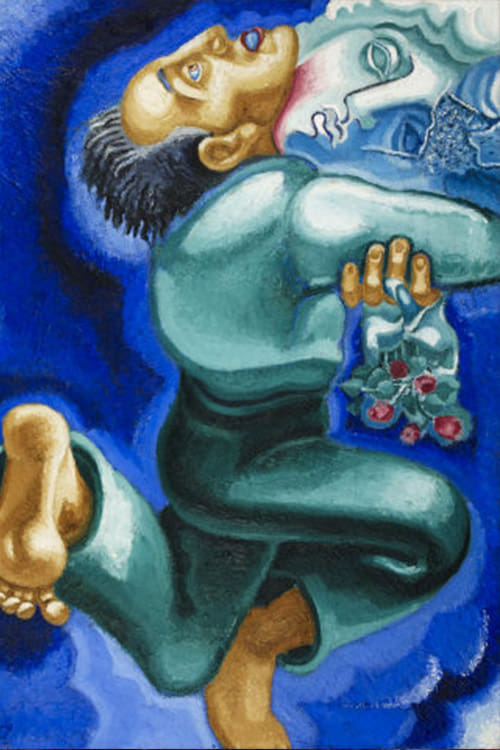
Documentary about the life and work of Mário Eloy, one of the greatest painters of the second generation of modernism in Portugal.