Zita Duarte
Acting
Known For

No description available.
Desencontros

No description available.
Sozinhos em Casa

No description available.
Zona+

No description available.
Uma Casa em Fanicos
No description available.
A Mulher do Sr. Ministro

No description available.
Polícias

No description available.
Débora
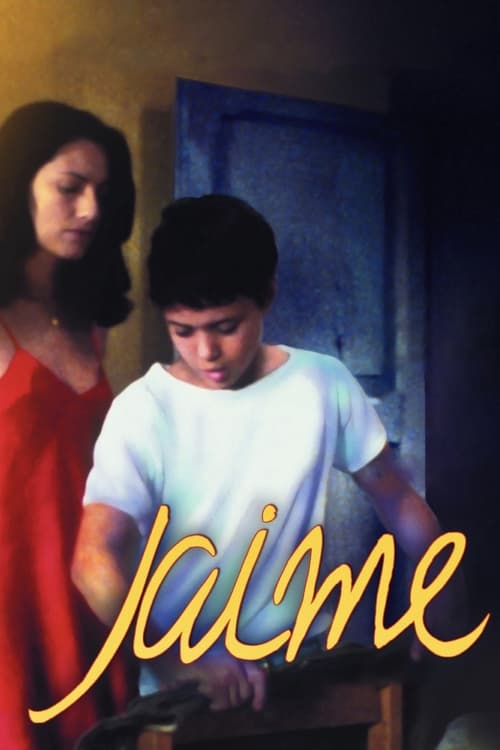
A woman takes her young son, leaves her husband and moves in with her lover. The boy, desperate to get his parents back together, becomes convinced that if only he can get his father's stolen motorcycle back everything will be fine again, so he sets out to get enough money to buy his father a new one.
Jaime

No description available.
Procura-se

No description available.
Por Mares Nunca Dantes Navegados

Fernanda, António and Quim are travelling by train to a provincial Portuguese industrial city. Fernanda, a teacher, agrees to replace a pregnant colleague. António is returning to the home he was forced to flee long ago, accused of setting fire to the Duarte’s factory. At the station he bumps into Mariana who is in love of him. António is not welcome and is violently attacked by a group connected to Duarte ...
Rosa Negra

In Lisbon, French author Paul meets various people from his past who uncover forgotten memories.
Requiem
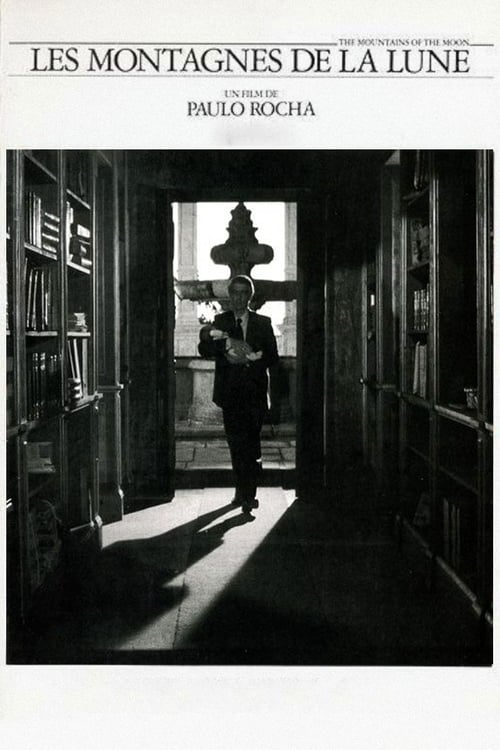
This visually striking drama is taken from the classic Japanese novel Tales Of Genji by Marasaki Shikibu. Set in modern Portugal, Joao (Luis Miguel Cintra) is a left-wing political leader and ladies man with a bright future. His ex-wife Isabel (Manuela de Freitas) both loves and hates him as Joao plays on her wavering emotional state. He is sent to Italy to retrieve wayward family member Antonia (Caroline Chaniolleau), the beautiful young woman with a terrorist boyfriend. Joao is forced to recognize his feelings as the political and amorous climate changes around him.
The Mountains of the Moon

This exaggerated mockery of crime cinema tells the story of a gang lead by "Renato, o pacíficio" (Renato, the peaceful) and their attempt to steal precious jewels from the Gulbenkian Museum in Lisbon. The weapon of choice? Bees!
Chronicle of Good Hoodlums
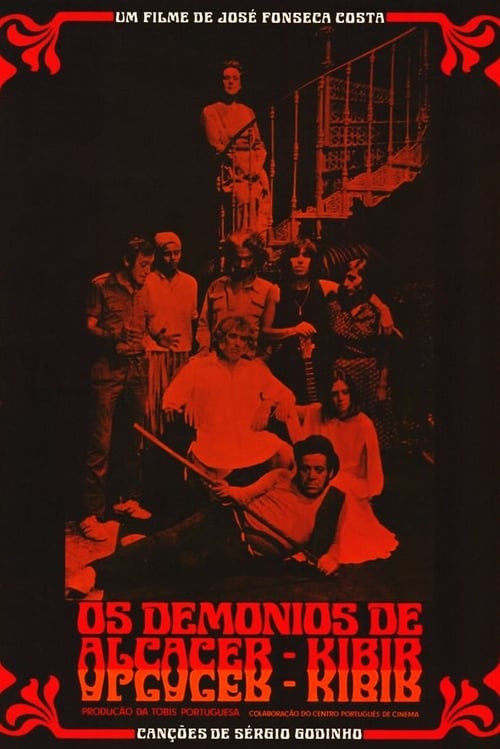
Alentejo 1975. The Police associate a group of traveling players with a strike of agricultural workers. The action takes place in the open space and harsh heat of the Alentejo. With the connivance of Lianor, the troupe enters the palace of Don Gonzalo an old aristocrat. The gentleman is obsessed by visions of great past deeds in a universe of ghosts. This was the first example of militant cinema in Portugal after the end of the Estado Novo dictatorship, exploring the world after the Carnation Revolution and its contradictions.
The Ghosts of Alcacer-Kibir

Director Jorge Silva Melo has developed a viable, though highly intellectual mystery story about the world of art and culture and murder in this somewhat theatrical presentation. When German artist Bernd Hoffmann (Michael König) arrives in Lisbon to oversee the installation of his paintings in a joint exhibition with another Berlin artist, Hanna Brauer (Charlotte Schwab), Hanna never shows up. Hoffmann is puzzled because he is certain he saw a video sequence with Hanna at the exhibition, and he begins to look for her. Another Lisbon cultural center, a theater, is also having problems that may or may not be related -- and the mystery deepens when Hanna is found dead, either by her own hand, or murdered.
No one Twice
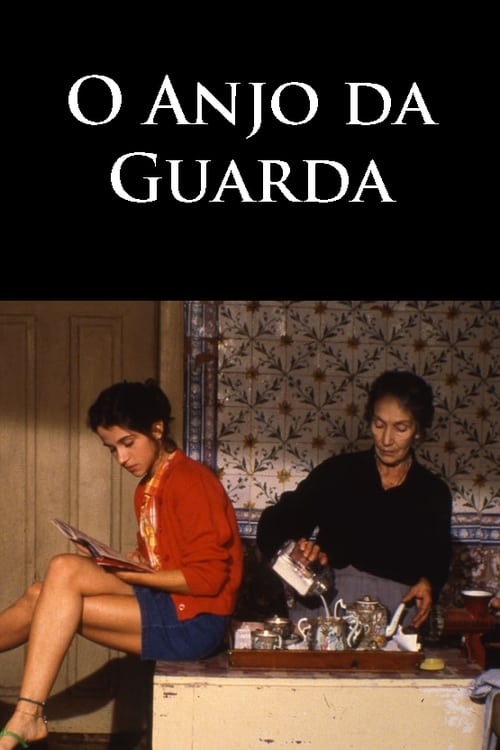
Lúcia is an independent woman who lives alone in Lisbon. Her father commits suicide leaving her a message on phone recorder, revealing a letter he wrote. However Lúcia can't find it in her father's house. On that visit she ends up meeting with her mother, a known political activist with whom she has a distant and tense relationship. In hope of finding the letter, Lúcia leaves to the farm where she grew up, on an isolated location. There she reencounters Álvaro, an old childhood companion, who shares a little life time he has left between roses and the piano, and the guardian angel that follows and protects her through nocturnal wanderings.
Guardian Angel
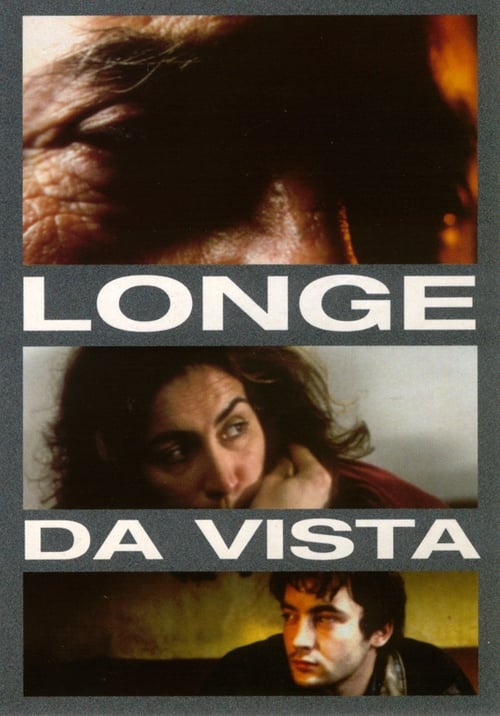
In order to make some much-needed cash for himself, 65-year-old Portuguese prison inmate Eugenio impersonates a young woman and begins a romantic correspondence with a lonely Portuguese truck-driver living in Boston, convincing him that her tragic life has culminated in financial dire straits so he will send money. At first Eugenio's sister Idalina assists him in creating the character of Maria da Luz. Touched by her sweetness and apparent loving nature, the trucker willingly sends her money. When Idalina starts fearing they will be caught, she backs out of her arrangement with Eugenio who then convinces his young cellmate Vasco to help write the letters and even sends a picture of himself at age seven to "prove" that Maria has a young son. As prison life exacts an increasingly heavy toll upon Eugenio's health, his feminine alter-ego helps sustain him.
Longe da Vista
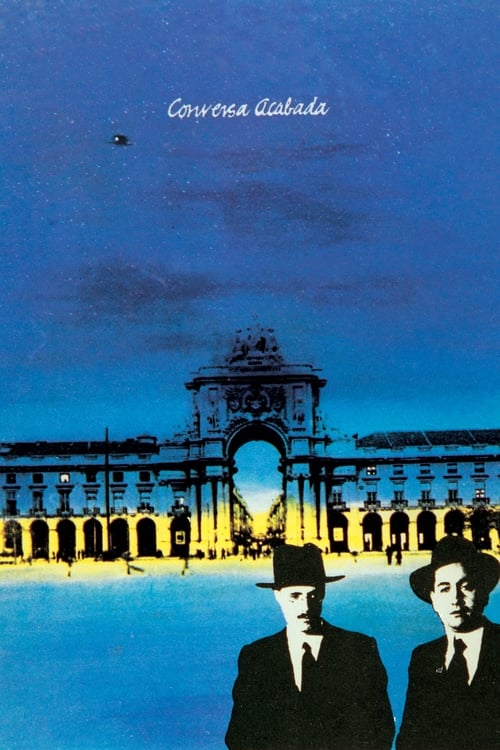
The film was to be a documentary, but evolved during production to a fictional film. It nevertheless adheres strictly to the poems and letters exchanged by two of the most outstanding names of the Modernist Movement, Fernando Pessoa (in Lisbon) and Mário de Sá-Carneiro (in Paris). Their endless conversation was dramatically and suddenly terminated.
The Conversation Is Over
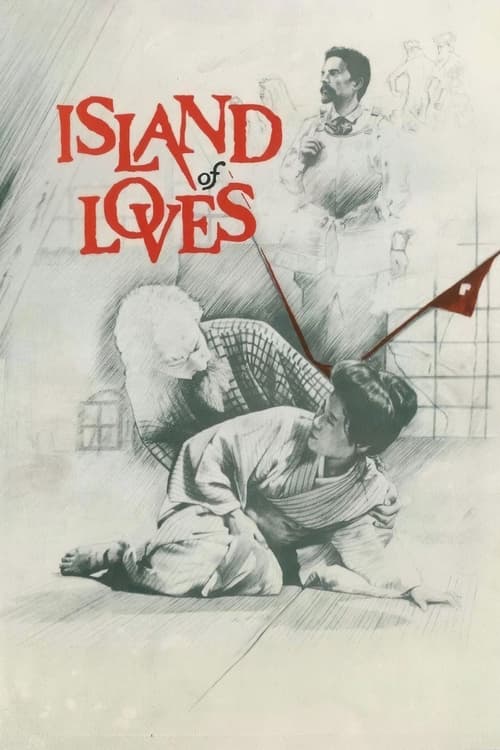
This film depicts the life of the 19th-century Portuguese writer Wenceslau De Moraes by means of nine ancient ballads from China. The writer married a Chinese woman after he left his wife and family to go live in Macao. Later, he moved to Japan where he fell in love with a Japanese woman, staying in Japan for the rest of his life. Mixed in with the career and loves of Moraes is the history of Portugal at home and in its colonies.