Acting
Across several generations, groups of young Portuguese people navigate school life and summer holidays while dealing with friendships, first loves, rivalries, family conflicts and decisions that shape their future. Each season introduces new protagonists, schools and challenges, exploring themes related to adolescence, identity, responsibility and belonging. Sport, music, dance and other forms of expression accompany their journeys of growing up, marked by dreams, choices and ever-changing relationships.
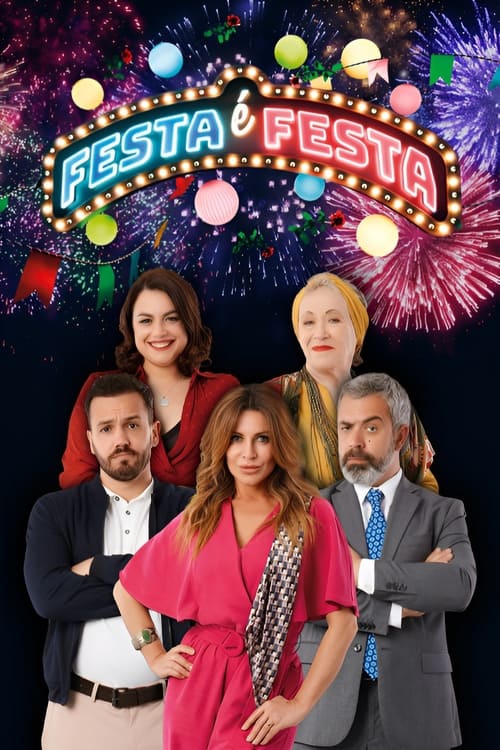
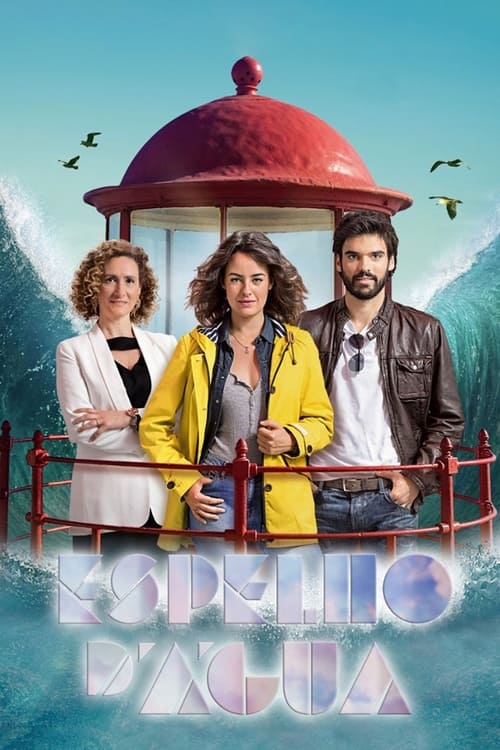
A village in the interior of Portugal is preparing the best village festival ever, in the year that marks the centenary of its greatest benefactor. Everyone does their best in organizing the party always with something in mind: the inheritance of the elderly woman.
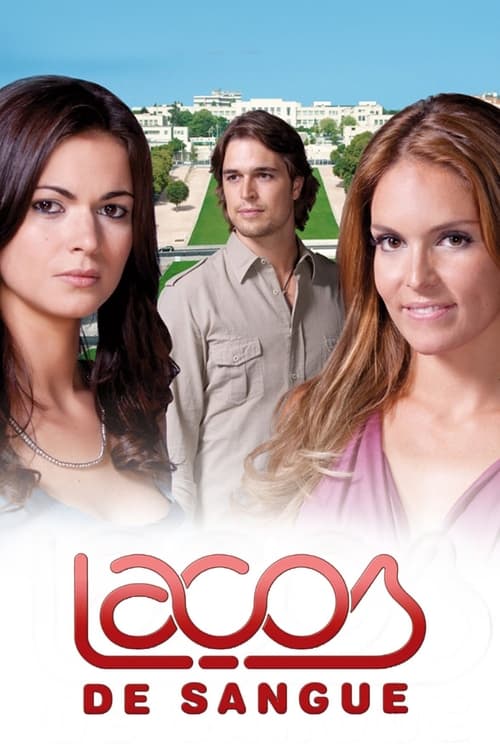
Laços de Sangue is a Portuguese telenovela which broadcast on SIC from September 2010 to October 2011. It is a co-production between SIC and Brazilian Rede Globo. The show also broadcast in several Latin American countries, including Uruguay, Brazil, Bolivia, Ecuador, Paraguay, Peru, Dominican Republic, Costa Rica, and Nicaragua. It won the 2011 Emmy for Best Telenovela.
No description available.
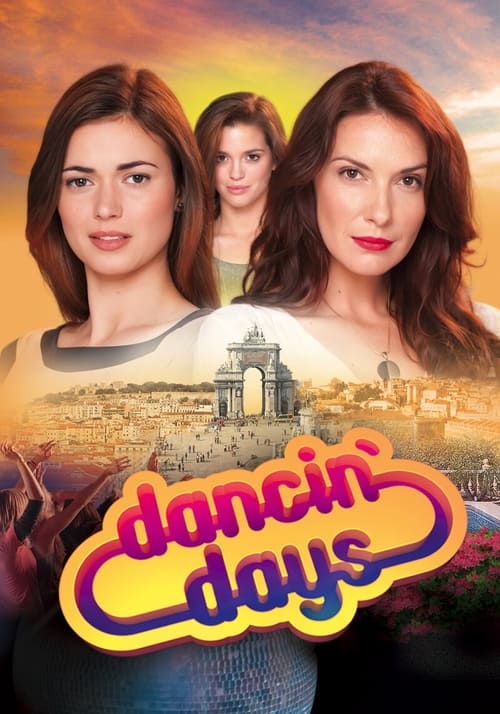
Dancin' Days is a Portuguese soap opera which began airing on SIC in June 2012.
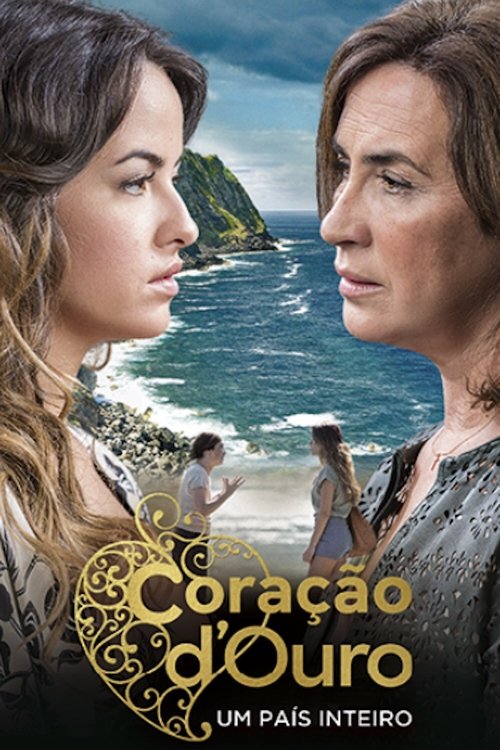
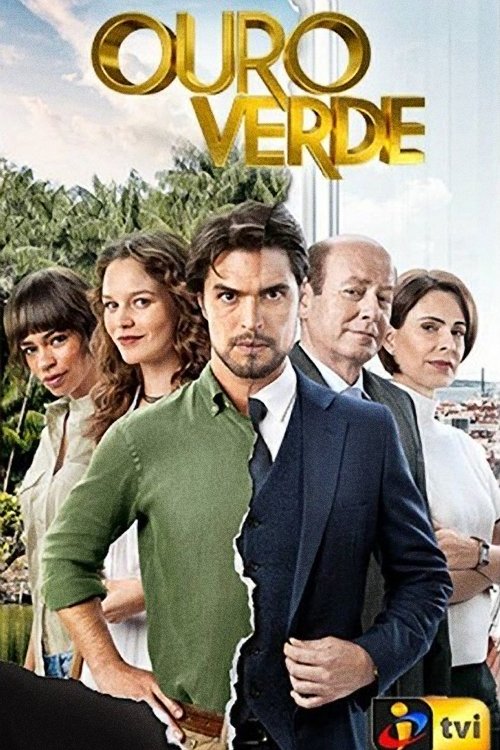
Zé Maria Magalhães is an innocent young man who, suddenly, sees his dreams and family destroyed by a man's greed: Miguel Ferreira da Fonseca, a powerful banker. For 15 years, Zé Maria is forced to remain hidden, in a life of lies, in another country, imprisoned by the memories of the past, having to assume a new identity. Today, he is a great farmer, owner of the Ouro Verde empire, known as Jorge Monforte, and has become one of the richest men in Brazil. The course of time only fueled his desire for revenge, making him lose the sense of right and wrong and the ability to love. Fifteen years later, he returns to Portugal, ready to avenge the past and destroy Miguel Ferreira da Fonseca.
Television drama series which has been broadcast on RTP1 of Rádio e Televisão de Portugal from 2007 to 2011 and since 2019. It recounts the experiences of a middle-class family, the Lopes (Portuguese: Os Lopes), during the last years of the Estado Novo. In February 2019, RTP announced that the series, after eight years shelved, would be renewed, with the storyline moving firmly into the 1980s. The first episode of the sixth season was broadcast on 7 December 2019 with the Lopes entering 1984.
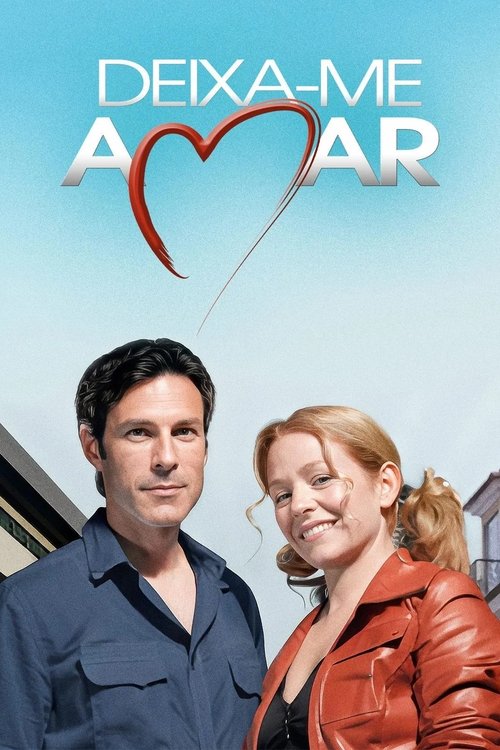
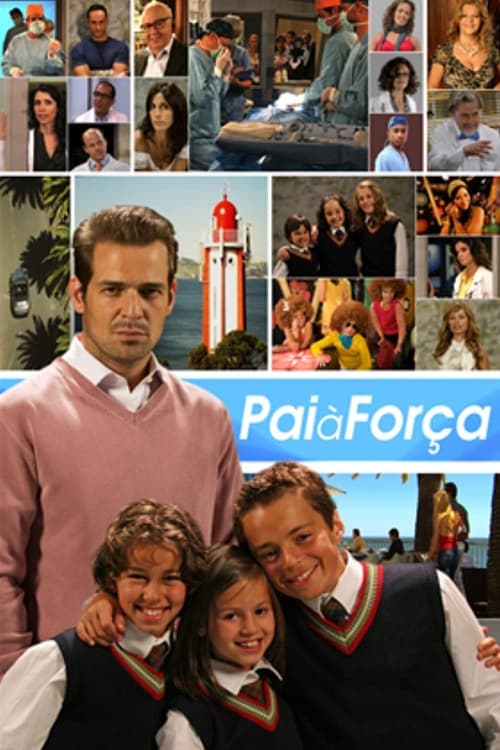
An unlikely love with a happy ending... At age 40, Miguel is at the top of his career as a plastic surgeon, having reached the fame and fortune he worked so hard for. He’s a hopeless bachelor, never committing to any real relationship. This is not just by choice, his situation is a result of never having met his parents and being raised in a children’s home. But, overnight, a simple phone call will change his life entirely, making him recall a point in his life that he’d rather forget. His best friend from the institution was just killed in a car crash along with his wife, but left written instructions behind stating that, if something should happen to him, Miguel should be given custody of his three children, 12-year-old Simão, 8-year-old Jaime and 6-year-old Beatriz. Initially, Miguel will try to dismiss himself from any responsibility but, after meeting the kids, he realizes that he has no choice but to bring them home.
A story with multiple plotlines, portraying the 24 hours of life in the beautiful city of Lisbon. It begins with three significant events: a wedding that is about to be cancelled, a crime, and the disappearance of a child. This plot centers on the lives of three sisters.
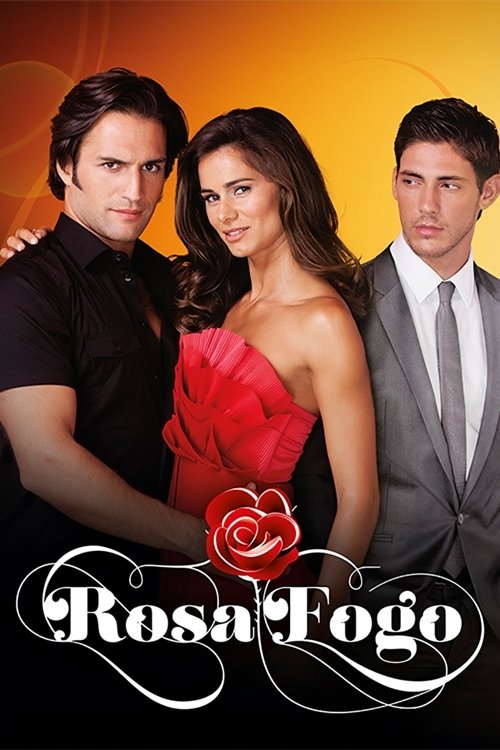
Rosa Fogo is a Portuguese soap opera that aired on SIC from September 2011 to June 2012.
This Portuguese comedy show is about the daily lifes of neighbours living at Campo de Ourique, with really confusing life stories.
A historical fiction series that, from the biographies and cultural and civic intervention of the poet Natalia Correia, the editor Snu Abecassis and the journalist Vera Lagoa (pseudonym of Maria Armanda Falcão), recalls the last years of the Estado Novo (Second Republic) - 1961 to 1973 - from the beginning of the colonial War to the eve of the April Revolution.