Directing
No description available.
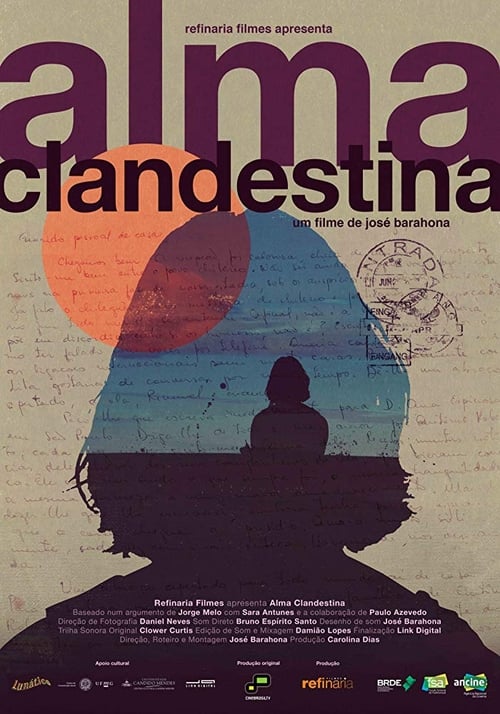
"Clandestine Soul" is a sensory and emotional biography of the Brazilian political activist, Maria Auxiliadora Lara Barcellos.
A widowed theater actor relives his memory of a young love.
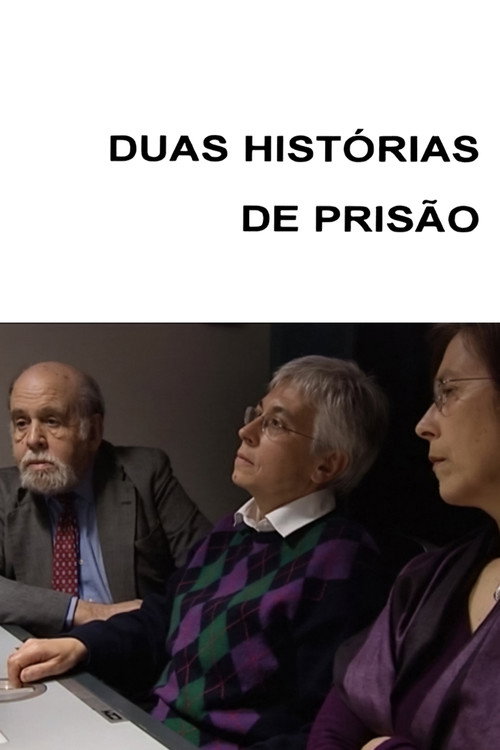
On the night of April 26, 1974, the prison doors of Caxias opened and the political prisoners were released. Two women: Diana Andringa and Maria José Campos relive their detention in Caxias in this film. Even though they did not suffer the torture and other forms of violence that most of their companions were subjected to, both speak with great emotion of isolation and the so-called “normal regime” period in which they shared the space of a cell with other prisoners and learned to live in prison.
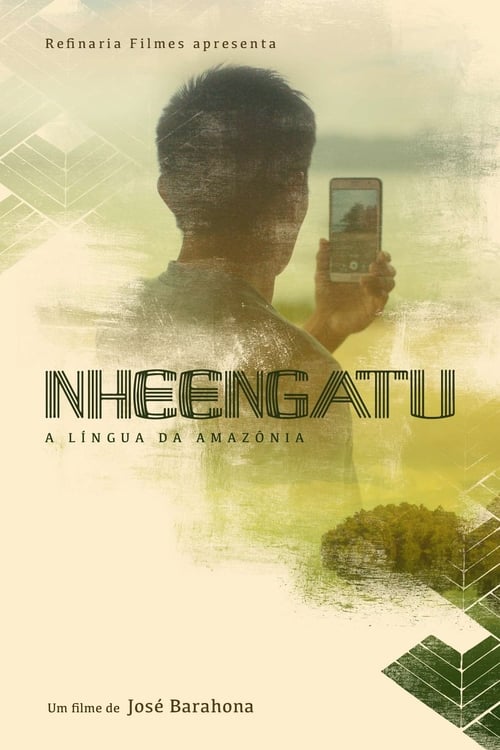
Nheengatu – The Language of the Amazon takes us on a journey along the Negro River, on the trail of this language imposed on indigenous people by the first Portuguese colonialists who landed in Brazil in the 15th century. Throughout the various encounters with local communities that still speak this language, the director faces the different cultural, historical and social issues that confront tradition and future.
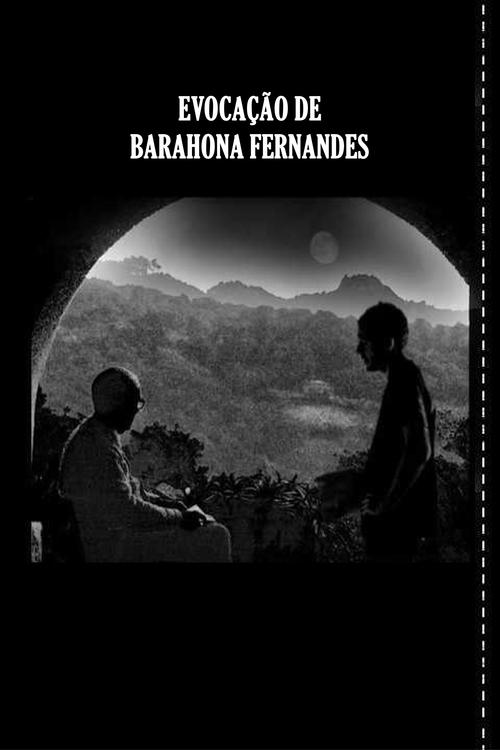
"Evocação de Barahona Fernandes" is a short documentary directed by José Barahona, focusing on his grandfather, the esteemed Portuguese psychiatrist Barahona Fernandes. The film delves into Fernandes's influential anthropological-medical model and its significant contributions to the field of psychopathology. Through intimate storytelling, the documentary offers a personal perspective on Fernandes's legacy, highlighting his profound impact on understanding mental health and the human psyche.
It is said that there is a lost manuscript by Fradique Mendes in a monastery in Cairu, a small city located south of Salvador.
Maria do Carmo discovers she is HIV positive. On impulse, she goes to the home of João, her former partner. Three lives, two relationships. Two women and one man.
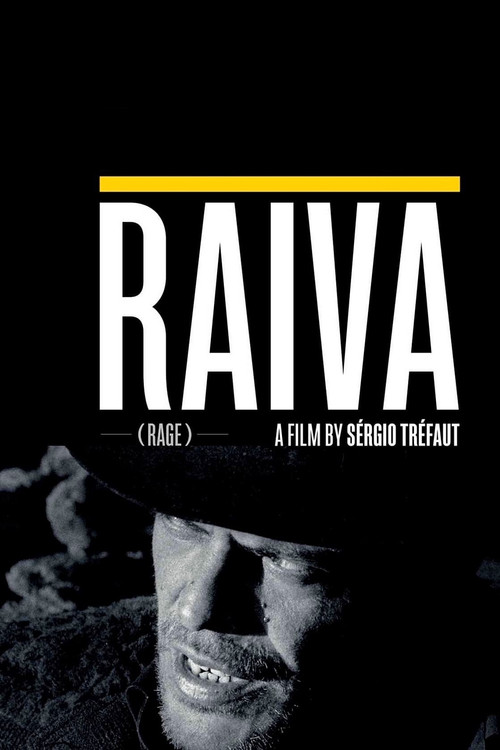
Alentejo, Portugal, 1950. In a desolate region, where the wind seems to speak, where misery and hunger reign over poorest, a desperate man takes his revenge on those who caused his ruin during the darkest night, unable to get honestly the bread needed to feed his family in the daylight.
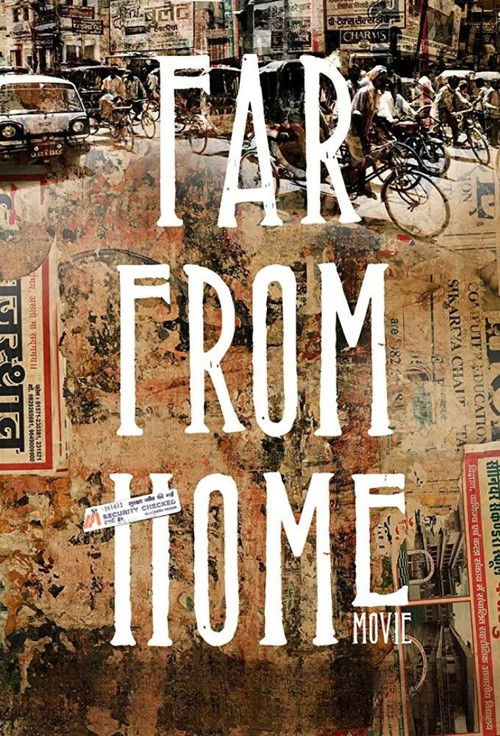
A film diary of a trip between Kathmandu, Nepal, and the Thar desert, India. A sensitive and impressionist adventure.
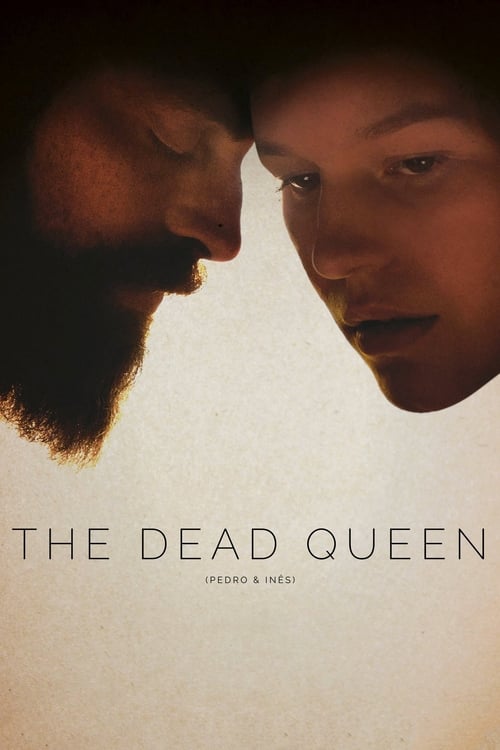
Inspired on the true events of the Portuguese king Don Pedro (14th Century) which unburied his mistress to make her queen after dead. This film tells the story of Pedro, a man admitted to a psychiatric hospital for traveling by car with the corpse of his beloved, recalling simultaneously three different lives: one from the past, another from nowadays and another one from an distopic future.
Pele is a film about a young mulatto woman that in spite of being rich, beautiful and intelligent, feels discriminated because of the colour of her skin. The entire plot is in the early 70's, when Portugal had a dictatorial government, ultramarine territories and lots of racism in its society… Issues like racism, female condition and the spoilt lives of the high-society are the main themes of this movie
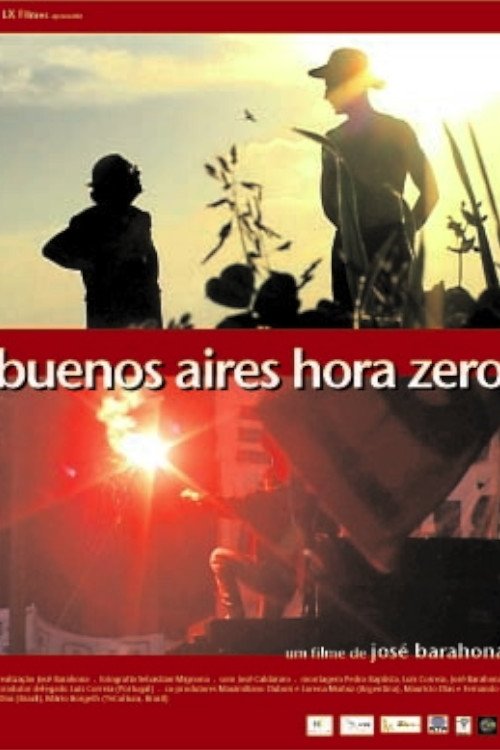
Colonia del Sacramento is a city in Uruguay founded by the Portuguese in the 19th century. It was said that there still lived a man who would be descended from the founders. Going in search of this man, the film follows its trail to the great metropolis of Buenos Aires that reveals its scars, memories and characters.
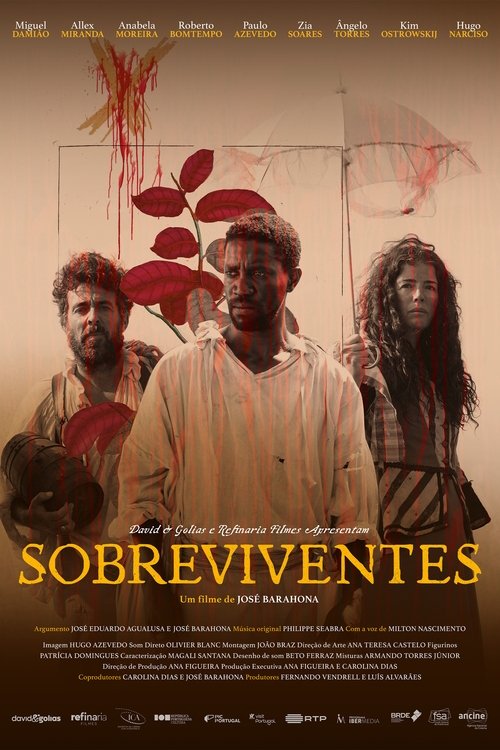
Mid-19th century. A group of survivors from a wrecked slave ship, both black and white, end up on a deserted island, somewhere in the Atlantic Ocean. The fight for survival and power will flip the moral and social values of those days.
Short film.
Lucas, the cook, seduces America, the television star and presidential candidate. He will clandestinely enter her house to seduce her with extraordinary meals, causing the unlikely intersection of the fate of Lucas, the cook, with that of America, the President.
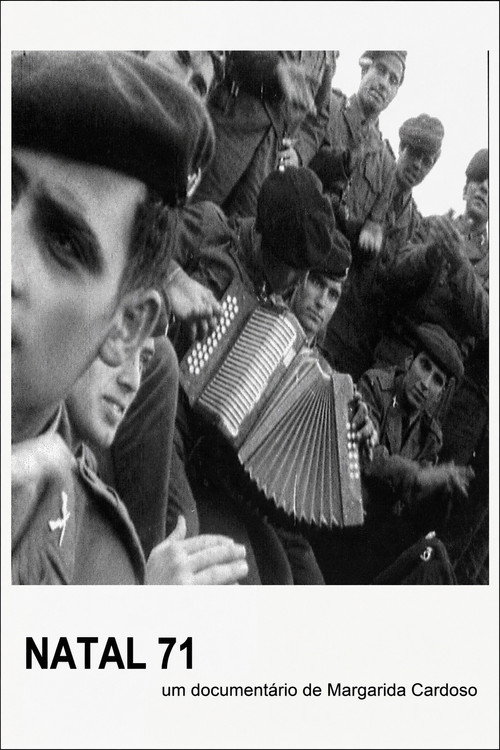
Natal 71 is the name of a record given to the soldiers of the portuguese colonies overseas for Christmas 1971. Niassa's Songbook is the title of an audiotape illegally recorded by soldiers during the war years, in Mozambique. They are memories from a country which was shut from the rest of the world, poor and ignorant, laid to sleep by a stale and primitive propaganda which tried to hide all the conflicts from us and kept us from thinking and recognising the repressive nature of the regime we lived in.