FEEL IT.STREAM
Choui Khoua

Choui Khoua

Directing

Biography

Shui Hua (November 23, 1916 – December 16, 1995), born Zhang Yufan, was a Chinese film director who gained prominence in the 1950s in the early years of the People's Republic of China. Born in Nanjing in 1916, Shui Hua studied to be an attorney at Fudan University in Shanghai. During the Second Sino-Japanese War, Shui made his way to the Yan'an where he became a member of the Chinese Communist Party. After the war, Shui became involved in theater while teaching eventually moving into filmmaking with his 1950 debut film, The White Haired Girl. Later in the decade, he directed the critically acclaimed The Lin Family Shop, based on a short story by the author Mao Dun. With the turmoil of the 1960s and 1970s, Shui's filmmaking days seemed behind him. However, upon China's re-emergence from the Cultural Revolution, Shui again began to direct films, including Regret for the Past (1981), based on a story by Lu Xun, and Blue Flowers (1984).
Known For

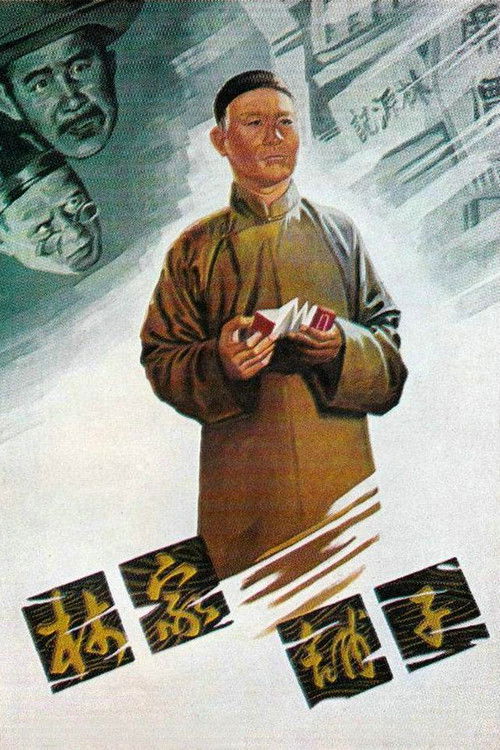
The Lin Family Shop
6.6

Financial and political pressures bankrupt a Chinese store owner.

The Lin Family Shop

1959
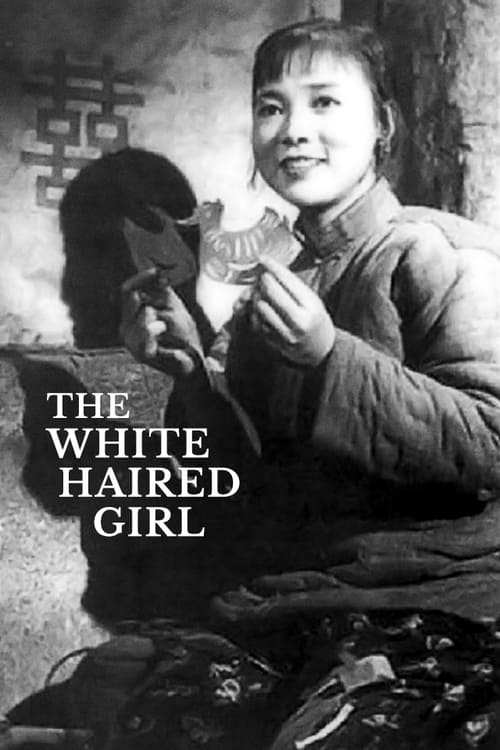
The White-Haired Girl
6.2

Yang Bailao, a tenant farmer, lives with his daughter Xi'er. The despotic landlord, Huang Shiren, attempts to forcibly take Xi'er for himself. On the eve of the Chinese Spring Festival, Huang forces Yang to sell his daughter as repayment of the debt Yang owes him.

The White-Haired Girl

1951
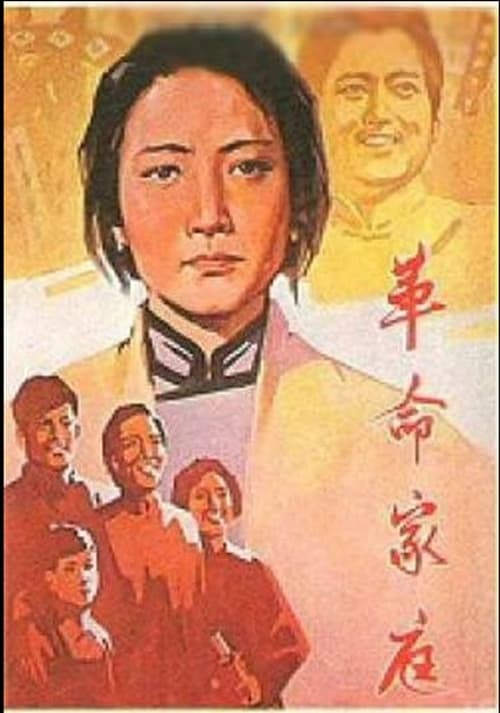
A Revolutionary Family
5.8

At the age of 16 Zhou Lian, who lost her parents at the age of two and was raised by a stepmother, marries Jiang Mei, a progressive young man from Changsha No. 1 Normal School. Jiang Meiqing has also lost both of his parents. The couple has two sons, Liqun, Xiaoqing and daughter Xiaolian. The film follows the family through turbulent times from 1924 to 1930.

A Revolutionary Family

1961
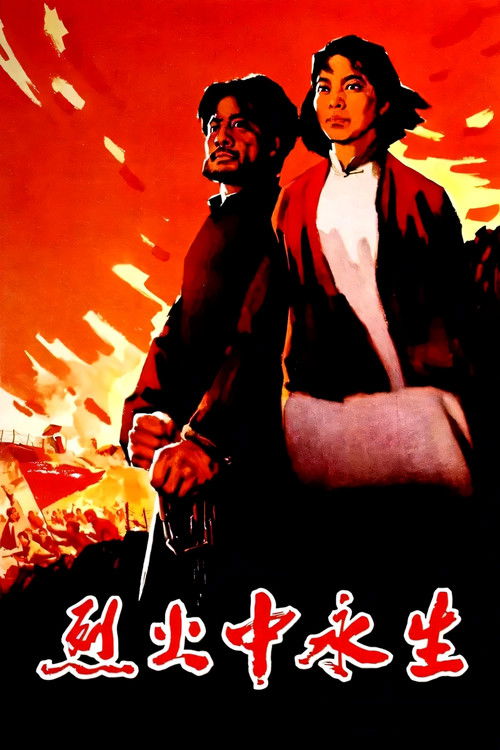
Red Crag
9.0

A taut wartime thriller, Red Crag: Life in Eternal Flame anticipates the paranoia and violence of the imminent Cultural Revolution while harking back to the aesthetic splendour of the Golden Age Shanghai cinema of the late 1940s. (This opulence is largely due to the work of cinematographer Zhu Jinming, the master visual stylist of Shangrao Concentration Camp and other key "Seventeen Years" films.) The film concerns a hard-boiled woman working in the Chongqing Communist underground during World War II, whose commitment to the guerrilla cause is only intensified after she witnesses her husband's head mounted on the city walls by the Nationalist forces.

Red Crag

1965
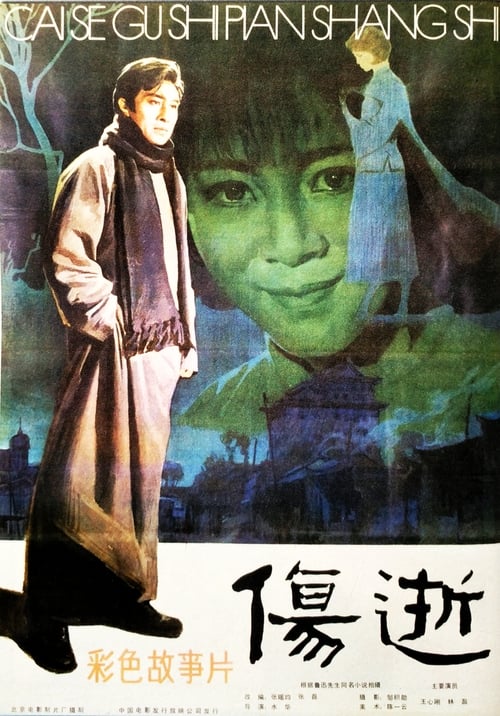
Shang shi
8.0

No description available.

Shang shi

1981
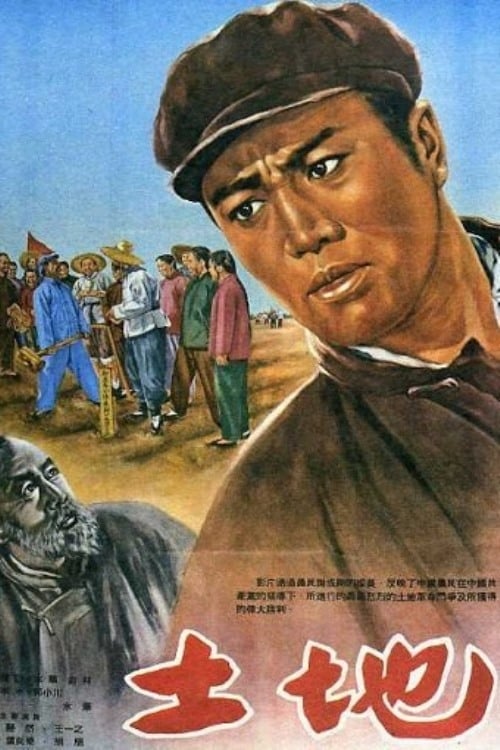
Land
9.0

A small Chinese village. For centuries, here, as throughout the country, the working peasantry lived with the dream of owning land. They rose up against the landlords many times, but never achieved victory. And then the dream came true... Dramatic episodes from the life of this village show us how land reform was carried out.

Land

1955
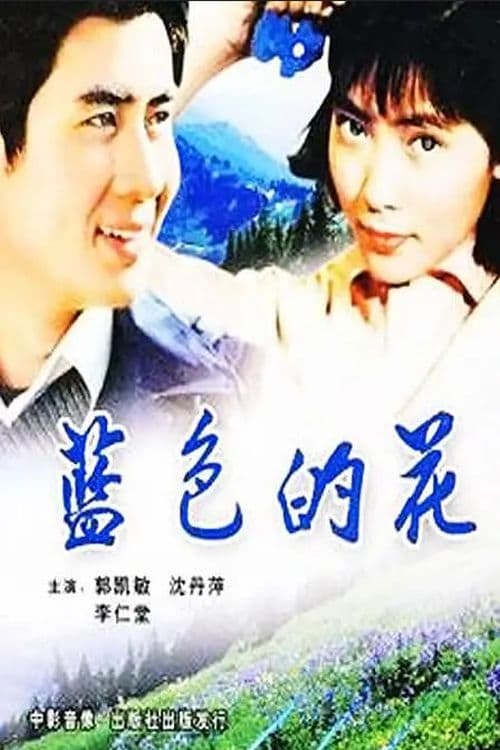
Lan se de hua
10.0

Yi Ru is falsely accused of being a rightist in the People's Republic of China and severs all connections with his family.

Lan se de hua

1984