Directing
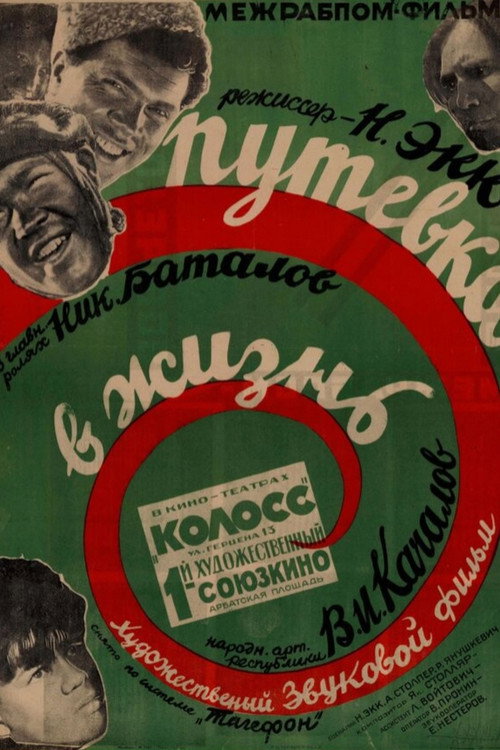
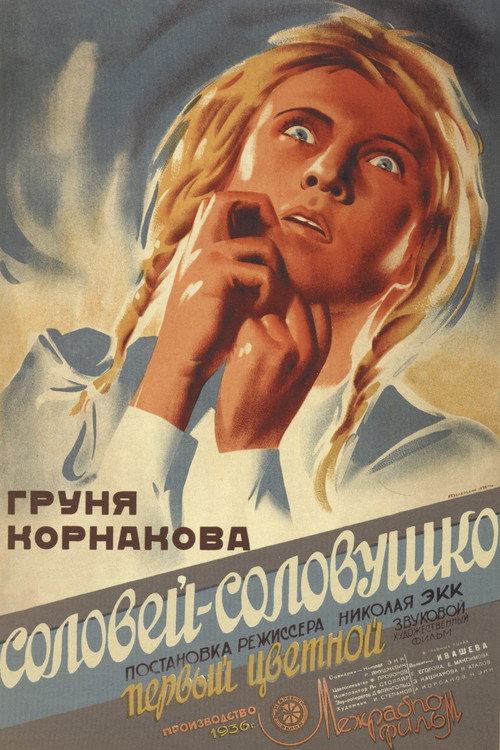
The first Russian talking picture which won a prize at the 1st Venice IFF. The action is set in 1923. The USSR is struggling with hunger and economic ruin. It is a story of homeless teenagers for whom a work commune is set up with the idea of uniting and reforming them.
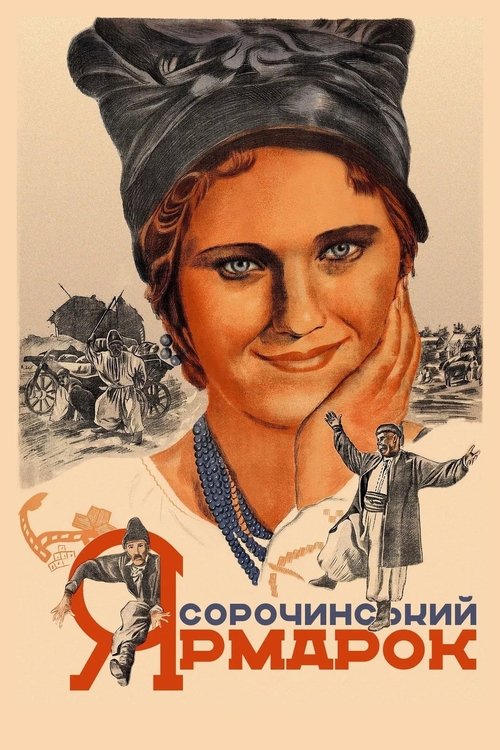
Cheerful and mischievous lad Gritsko offers young Parasya his hand and his heart on the first day of the fair in Sorochyntsi. The girl's father, Cherevik, presents no objection – her stepmother, however, is furious, and refuses to recognise their relationship; Cherevik drunkenly relents. Gritsko alone bemoans his sadness, whereupon a gypsy presents him a deal – Gritsko will sell his oxen to the gypsy if the latter can successfully make Parasya's parents accept their union.
The new patisserie in the new building district immediately won the love of the townspeople: exemplary cleanliness, good food, and flowers. But if you take a closer look at the customers, you can see those who secretly pour vodka into their glasses. The cleaning lady receives empty dishes as a bribe for her assistance. During her lunch break, she puts the bottles in a bag, and her son and wife arrive in their own car to take away the accumulated bottles. Two idle men with higher education have been unemployed for four years, relying on their mother's side income...
An experimental sound film.
The events in the film take place in pre-revolutionary Russia. A riot of workers of a large porcelain factory is taking place. After the burning of one of the shops, Grunya's father dies in the fire. The owner of the factory caused the fire in order to obtain a fine from the workers. Grunya urgers the workers to fight, but is injured, yet she still urges the people not to give up.
Experimental collection. It began with a synchronized movie recording of a speech by Anatoly Lunacharsky, former People's Commissar of Education and Director of the Research Institute of Literature and Art, on the importance of sound cinema. Then came an hour-long movie "Five-Year Plan" - a documentary essay about the first five-year plan. Then - a small cartoon with newsreel elements "Tip-Top", the hero of which was making a round-the-world trip. By genre it was a political satire. Then there were recordings of Sergei Prokofiev's march from the play "Love for Three Oranges" and other musical numbers performed by a choir, solo singers, symphony and jazz orchestras, as well as actors from Sergei Obraztsov's puppet theater.
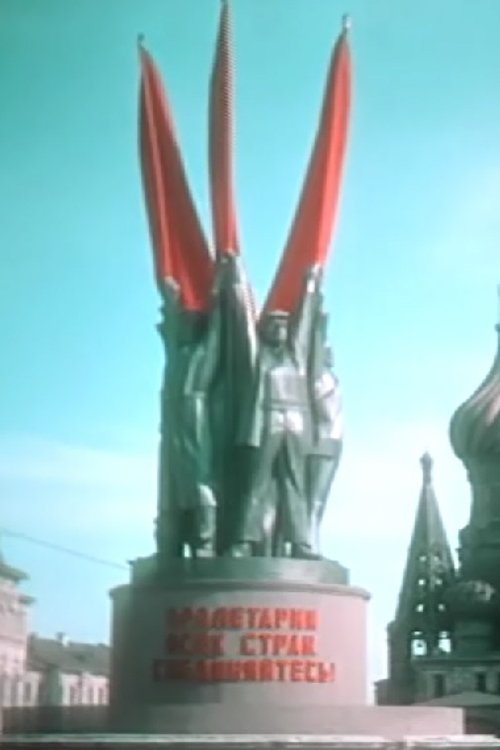
The experimental work consists of several fragments, demonstrating the use of color in film: showing paintings of Soviet art, photography parade on first of May on Red Square in 1934-1935, recording a working amateur and sketch of Soviet Georgia.