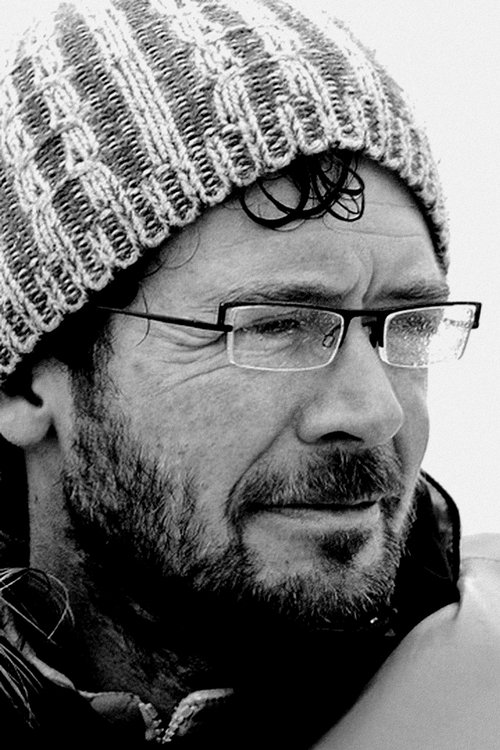
Ruán Magan
Directing
Known For
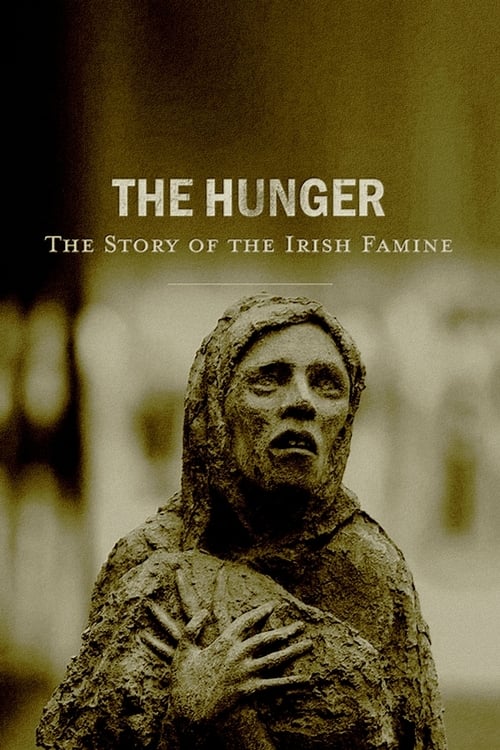
Ireland, 1845. When a deadly fungus destroys potato crops throughout northern Europe, the most impoverished Irish population, whose main source of food is precisely the potato, suffers a cruel famine that will cause more than a million deaths and, in the following ten years, the mass exodus of more than two million people.
The Hunger: The Story of the Irish Famine
The remarkable story of the Irish War of Independence (1919-1922) which resulted in the formation of the Irish Free State and became the model for other British colonies to gain their independence.
The Irish Revolution
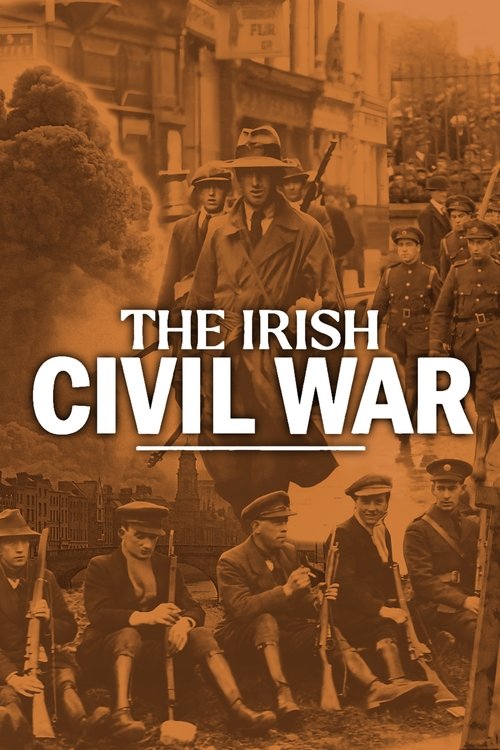
The 3-part documentary series The Irish Civil War tells the epic and often challenging story of the origins, conflict and legacy of the civil war that took place in Ireland in 1922 and 1923. Narrated by Brendan Gleeson, produced in partnership with University College Cork by RTÉ Cork as part of the Decade of Centenary commemorations and based on UCC’s “mammoth and magnificent” Atlas of the Irish Revolution, this documentary series features extensive archive film footage, photographs and materials, interviews with leading academics, archive interviews with contemporary participants and witnesses, firsthand witness accounts read by actors, detailed and dynamic graphic maps based on those featured in the Atlas of the Irish Revolution, and stunning cinematography of the very locations where events took place.
The Irish Civil War

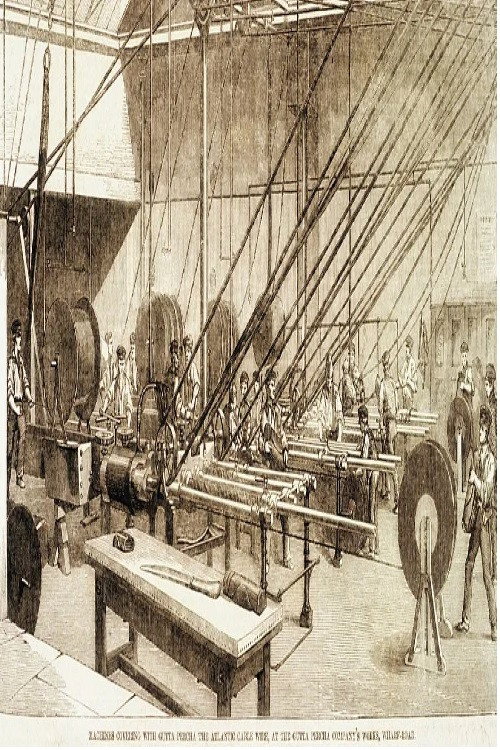
The first transatlantic communications cable, traversing the ocean floor from Valentia Island, County Kerry, to Newfoundland, Canada, 165 years ago was an 8 year endeavor that helped lay the foundation of the modern technology industry and explains the fragility of undersea cables today.
The Cable That Changed the World
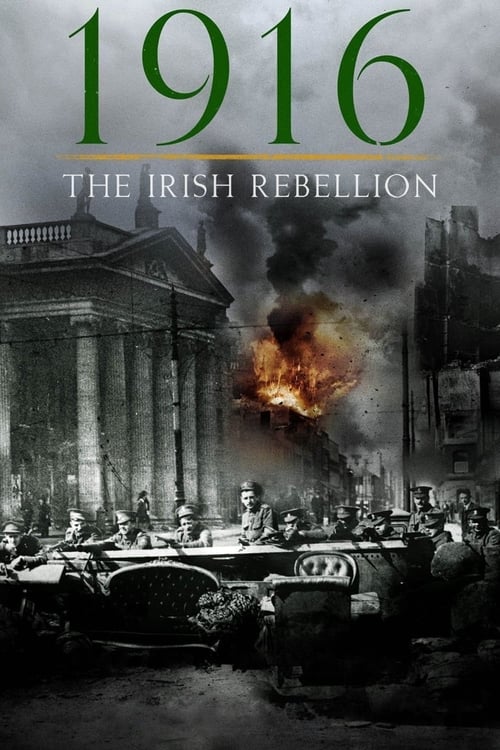
The documentary - featuring a combination of rarely seen archival footage, new segments filmed on location worldwide, and interviews with leading international experts - also uncovers the untold story of the central role Irish Americans played in the lead-up to the rebellion. Although defeated militarily, the men and women of the Easter Rising would wring a moral victory from the jaws of defeat and inspire countless freedom struggles throughout the world - from Ireland to India.
1916
The extraordinary story of the Irish War of Independence (1919-22): from the failed insurrection of 1916, the detailed account of how pro-independence Ireland rebuilt a movement whose efforts would eventually lead to the creation of a new nation. (Documentary film based on the miniseries of the same title.)
The Irish Revolution
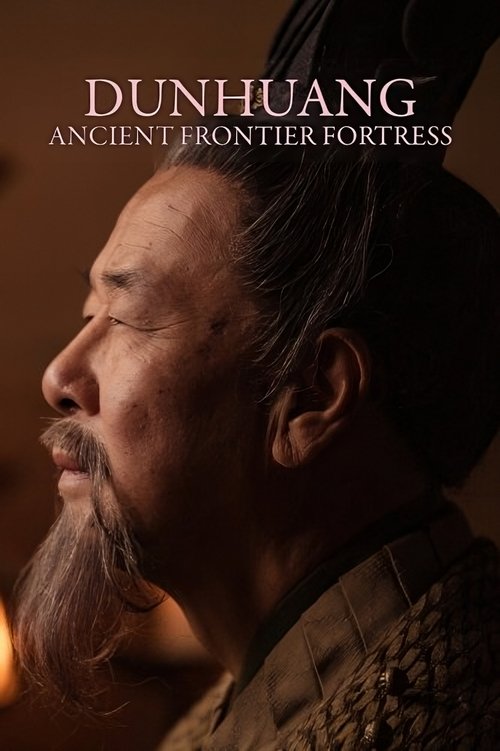
Depicts the rise and fall of ancient Chinese city Dunhuang's generals, warlords, monks, and Empress Wu Zetian.
Dunhuang - Ancient Frontier Fortress

No description available.
Saint Patrick, esclave et protecteur de l'Irlande

Explores humanity’s profound relationship with water and reveal how human agency can help rebalance the planet’s water systems
Our Blue World: A Water Odyssey
On the 50th anniversary of RTÉ TV and Radharc, the first independent production company to make programmes for Irish television, this 2-part series reveals the remarkable story and legacy of this maverick group of filmmaker priests who, between 1962 and 1996, produced over 400 documentaries in 75 countries on a range of social, political, and religious issues.
The Radharc Squad
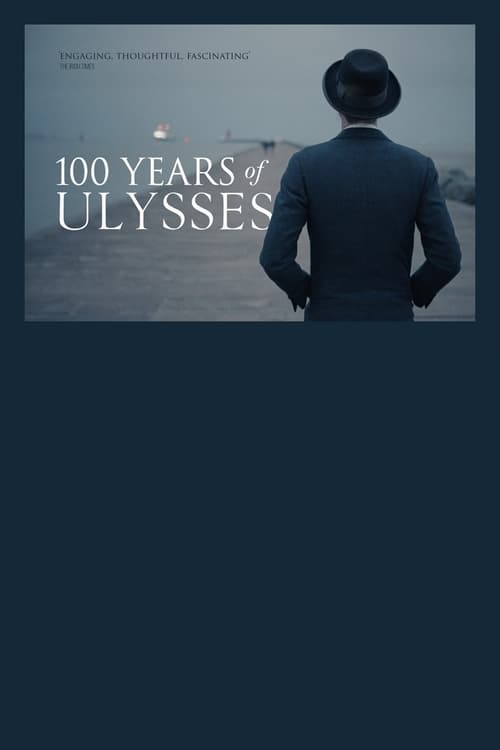
Paris, France, February 2, 1922. The novel Ulysses, by Irish writer James Joyce (1882-1941), is published by US poet Sylvia Beach (1887-1962), owner of the small bookstore Shakespeare & Co. The book, whose writing consumed seven years of Joyce's life, years in which his family was in financial need, would have a profound and unprecedented impact on 20th century literature and culture.
100 Years of Ulysses
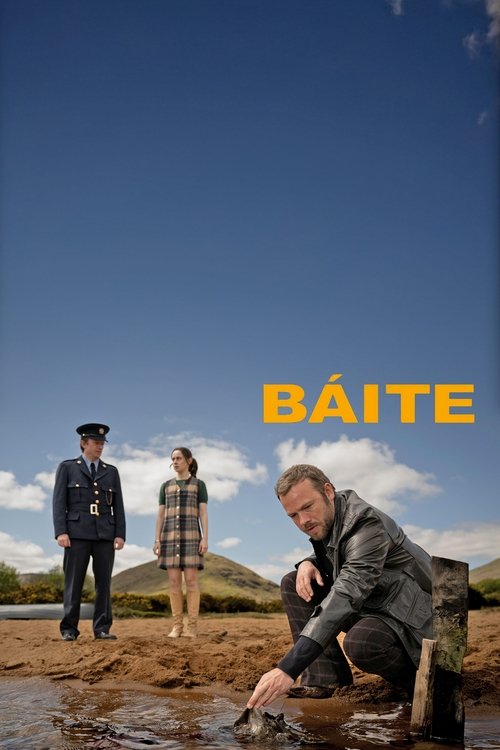
A woman's body is found under the waters of a lake in the countryside, and the arrival of a Detective from Dublin is the last thing Peggy, the owner of Casey's Pub, needs as she tries to save her business and her family.
Báite

Born in Roman Britain 1,500 years ago, a young man named Patrick embarked on an extraordinary mission that would change the course of history. Kidnapped from his wealthy Roman-British family and trafficked to Ireland, Patrick endured six years of brutal slavery. But a vision inspired his daring escape, taking him back across the Irish Sea to become a priest. Defying all odds, he then chose to return to Ireland, a decision that would have an enduring effect on the island’s culture and religious life.
Saint Patrick: Born in Britain, Made in Ireland
No description available.
Les pionniers des câbles sous-marins
No description available.
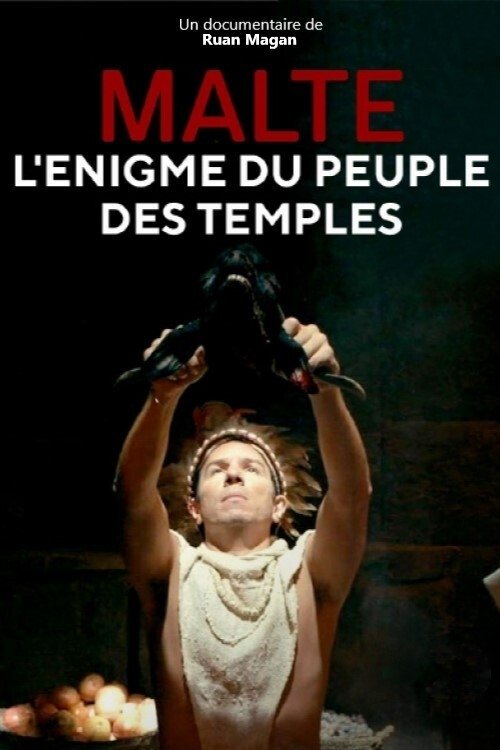
Malte, l'énigme du peuple des temples

The story of St Patrick and his extraordinary mission from Roman Britain to Ireland to spread the Christian faith 1,500 years ago. In a challenge to the conventional narrative, this places British-born Patrick in his European context and shows how Ireland’s patron saint was part of a radical Christian movement that converted, not only the Irish at the edge of the earth, but also large swathes of Europe, to Christianity.
Patrick: A Slave To Ireland
To mark the 250th anniversary of Daniel O’Connell’s birth in 1775, this documentary explores his life and legacy, and examines how O’Connell’s achievements continue to shape and impact our world today.
Daniel O'Connell: The Emancipator
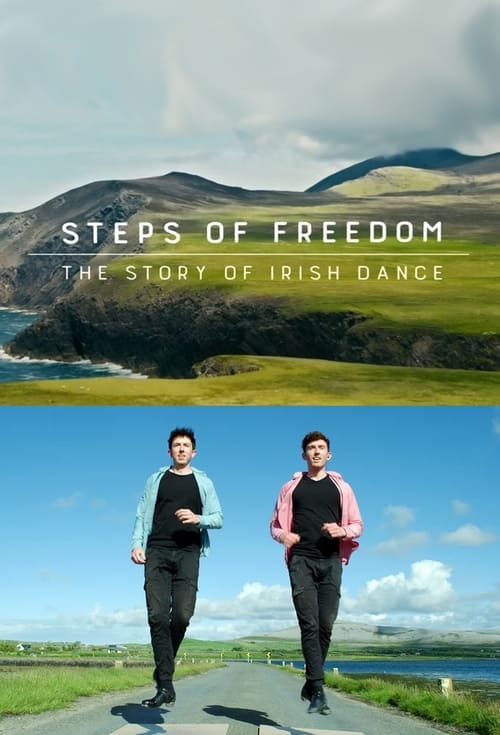
This wonderfully entertaining dance documentary tells the extraordinary story of how Irish dance developed over centuries from a traditional peasant dance to a form that has taken the world by storm and is enjoyed by tens of millions. The film shows how Irish dance has both been influenced by and influenced the dance of many cultures and how it developed as an expression of resistance.
Steps of Freedom: The Story of Irish Dance
All over the world, human beings are living longer than ever before. This is due to many factors, including improved living conditions, lifestyle choices and medical advancements. While there is not a single cause, a growing community of scientists are pushing the limits of life expectancy. In the not-too-distant future, they may even be able to halt ageing altogether. As the world's population continues to live longer, our current economic systems will no longer be sustainable. Health care systems, and the economies that fund them, need to make major changes. Because a growing number of people are healthy enough continue to work and play, we will need to reevaluate the nature of employment and recreation.
The End of Ageing
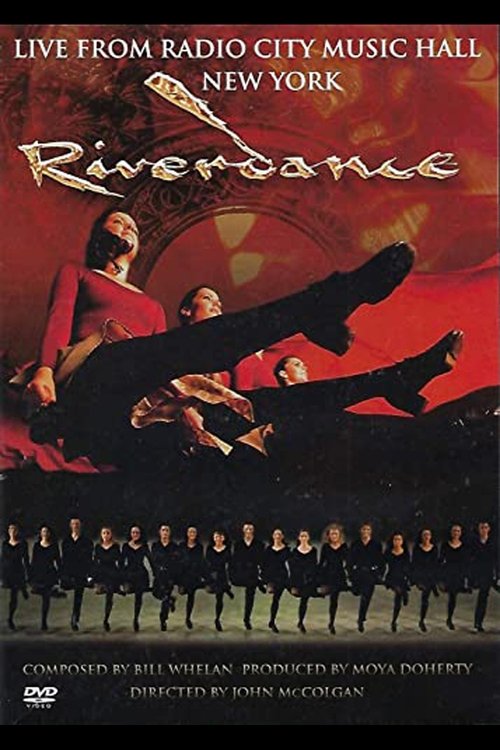
Riverdance, the Irish hard-shoe sensation that took PBS viewers by storm, underwent its second incarnation with Live from New York City, a 1996 performance filmed at Radio City Music Hall. While most of the attributes from 1995's Riverdance: The Show remain--the dazzling ensemble choreography, Bill Whelan's energetic score, and the New Age-y view of Celtic mythology--the most significant difference is at the top, where Colin Dunne replaced bombastic lead dancer Michael Flatley. Though lacking Flatley's bravura, Dunne is a superb technician who works well with Flatley's former co-lead, Jean Butler. Flamenco dancer Maria Pagis returns, as do the Riverdance Singers (formerly known as Anuna) with soloist Katie McMahon and the orchestra with fiery fiddler Eileen Ivers.