
Dang Nhat Minh
Directing
Biography
Đặng Nhật Minh (b. Huế, Vietnam, 1938) is one of Vietnam's foremost film directors and a screenwriter. Đặng's first work in film was translating Russian films made in the USSR to Vietnamese. When his dad died during the Vietnam War in 1967, he was given party-related career favours which, combined with his own learnings, allowed him to become a director. His first film, made in 1965, was a documentary about geology. Other notable works after this time include: "Ha Bac My Hometown" (Hà Bắc quê hương, 1967), "May - Faces" (Tháng 5 - Những gương mặt, 1975), "Nguyen Trai" (Nguyễn Trãi, 1980). As a documentary filmmaker, he became the government’s observer and reporter of historical events. Đặng then started to adapt existing plays, generating works such as "Stars on the Sea" (Những ngôi sao biển, 1977), "A Year-end Rainy Day" (Ngày mưa cuối năm, 1980). Around 1980, he wrote a short story named "The Town Within Reach" (Thị xã trong tầm tay). It was published in the Văn Nghệ (Literature and Arts) magazine and won a prize, making him consider giving up filmmaking to become a writer. However, not long after that, he made "The Town Within Reach" in 1983 with the encouragement of a new friend, marking the beginning of his filmography. In his autobiography, he notes: "So I determined my direction: I only make films that I myself write the script, talk about issues that interest me, move me. Having found a way to exist in the world of cinema, I don't think about giving up on it anymore." Đặng's works are poetic, dense with political arguments and regularly subject to controversy as well as censorship within the nation. Usually focusing on a woman whose perspective is marginalized within her world, his stories closely trace Vietnamese historical struggles through the Sino-Vietnamese War ("The Town Within Reach," 1983), the post-war period ("When The Tenth Month Comes," 1984; "The Girl on the River," 1987), the Đổi Mới economic reforms ("The Return," 1994), and post-independence Vietnam ("The Guava Season," 2000). Except for "Miss Nhung," "Don't Burn," and "Hanoi: Winter of 1946," there is often one unifying theme that runs through most of his films: Betrayal. Đặng Nhật Minh also served as the General Secretary of the Vietnam Film Association for more than 10 years (1989-2000), where he constantly received strong support from members. He eventually withdrew from his position out of disagreement with political changes within the association.
Known For
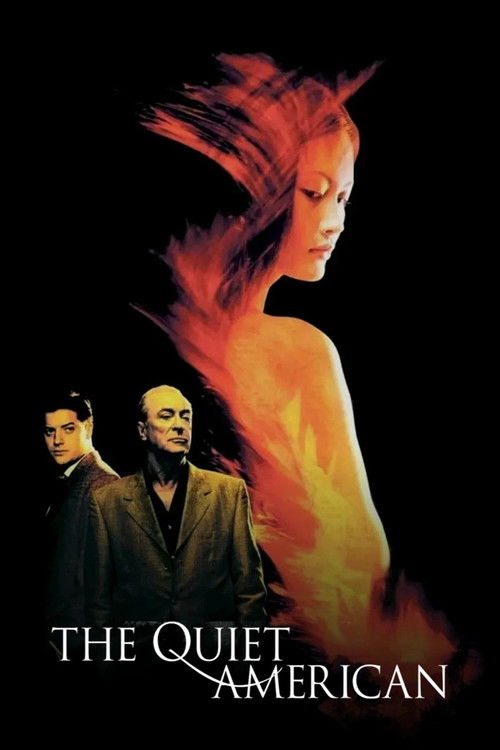
Cynical British journalist Fowler falls in love with a young Vietnamese woman but is dismayed when a naïve U.S. official also begins vying for her attention. In retaliation, Fowler informs the communists that the American is selling arms to their enemy.
The Quiet American
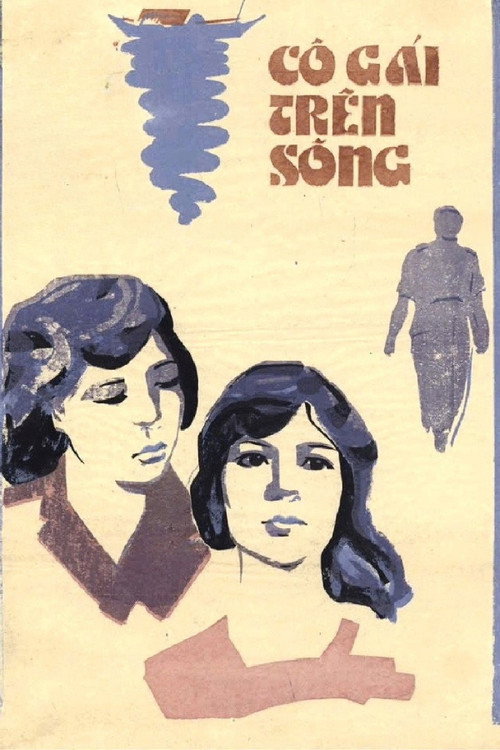
A reporter interviews a former prostitute from South Vietnam about her sheltering of an injured Vietcong leader during the war.
The Girl on the River
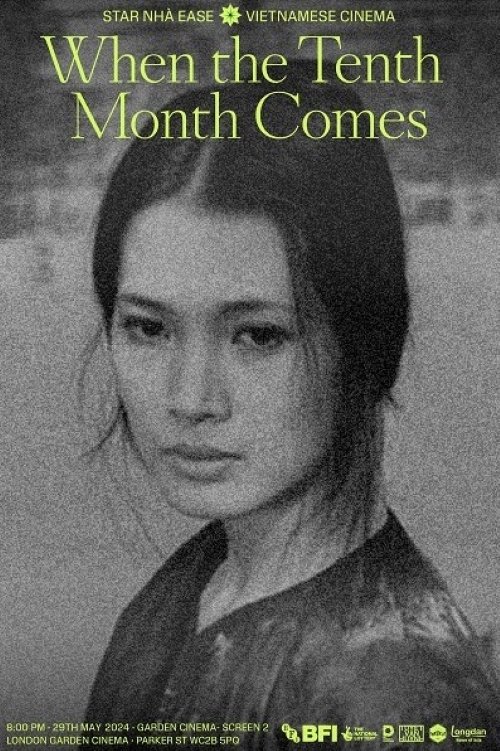
In the final days of the war, Duyên faces a daily struggle to take care of her young son and ailing father-in-law, all the while hiding from them the fact that her husband has recently been killed in battle.
When the Tenth Month Comes
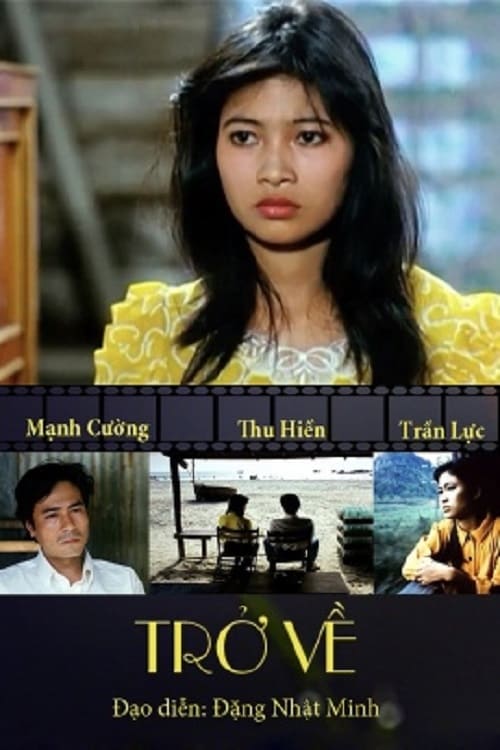
In the years following the American war a young woman from Hanoi teaches in a rural school in the south. There she meets a troubled young man, and they have a brief romance that she recalls wistfully years later in her unhappy marriage.
The Return

The dynamics of a Vietnamese rural village change when an urban woman returns to the village she originally belonged to and begins a love triangle.
Nostalgia for the Countryside

A mentally challenged man spends his days working as an artist's model and visiting the now-occupied house of his childhood, where his beloved guava tree sits.
The Guava House
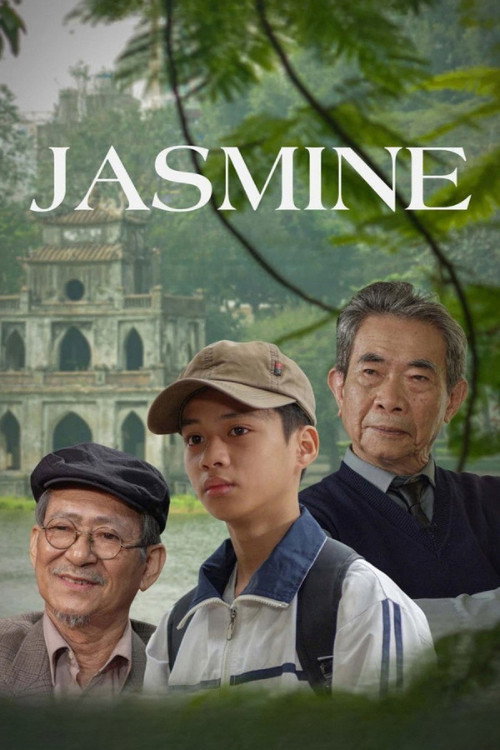
Jasmine brings viewers back to Hanoi of the 2010s. It is the life story of a shoe shine boy, a sidewalk barber, an old teacher who teaches singing to a choir of blind students or or a farmer who works as a maid in Hanoi.…. These fragmented lives form a colorful picture of the life of ordinary Hanoians.
Jasmine
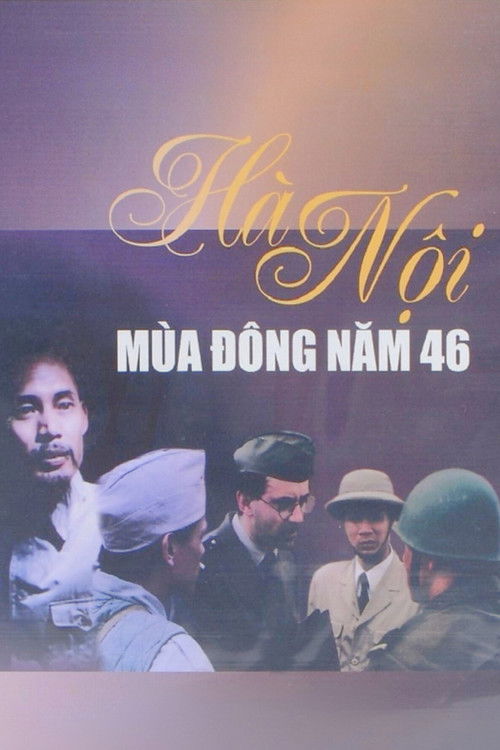
Toward the end of 1946, residents from all walks of Hanoi struggle to avoid—and eventually accept—the possibility of a full-blown war.
Hanoi: Winter of '46
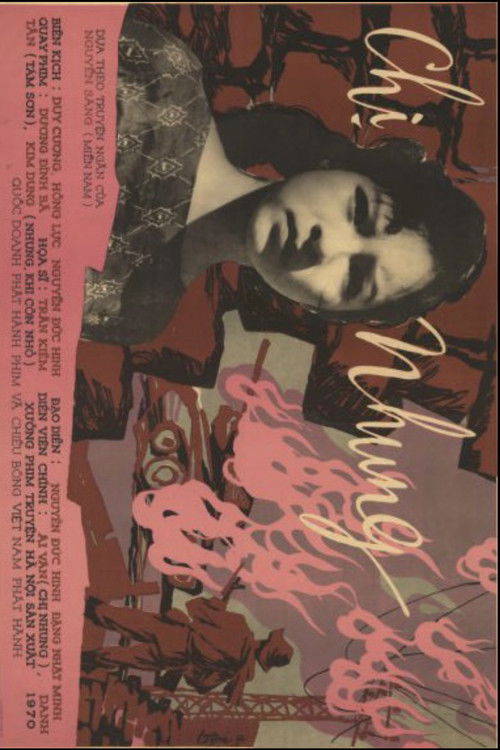
The film is anchored by a wartime re-encounter between a servant child and a tutor, transformed in the crucible of the spring 1968 Saigon offensive.
Miss Nhung

In the spring of 2005, a mother living in Hanoi receives a diary of her late daughter, a young doctor working at a field hospital during the war. Kept for over thirty years by an American veteran, the diary is an account of her life spanning two years, from April 1968 until her death in June 1970.
Don't Burn
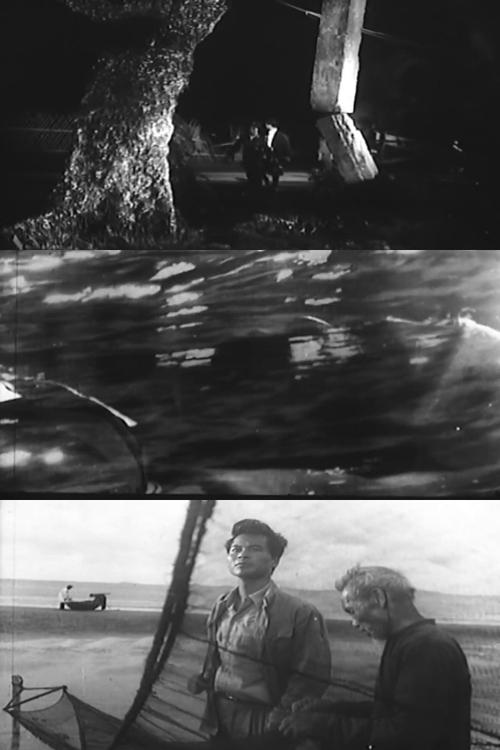
A young man, recently returned from study abroad, accompanies his father on a ship bringing food and weapons to South Vietnam.
Stars on the Sea
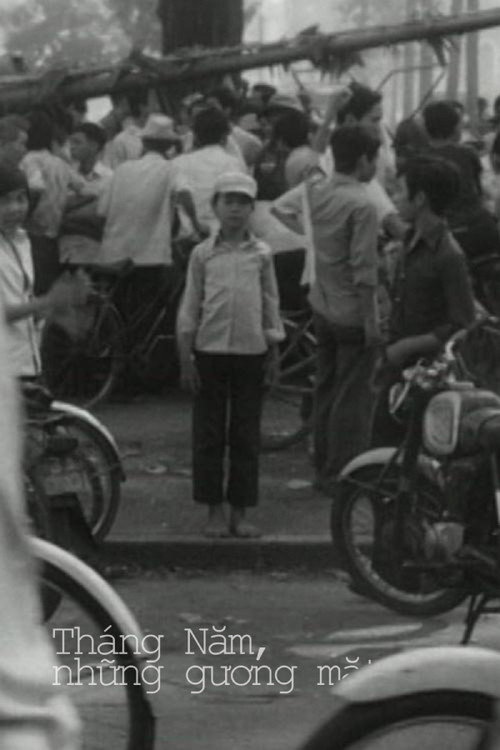
Documentary about Vietnam after the liberation of Saigon.
Those Faces in May
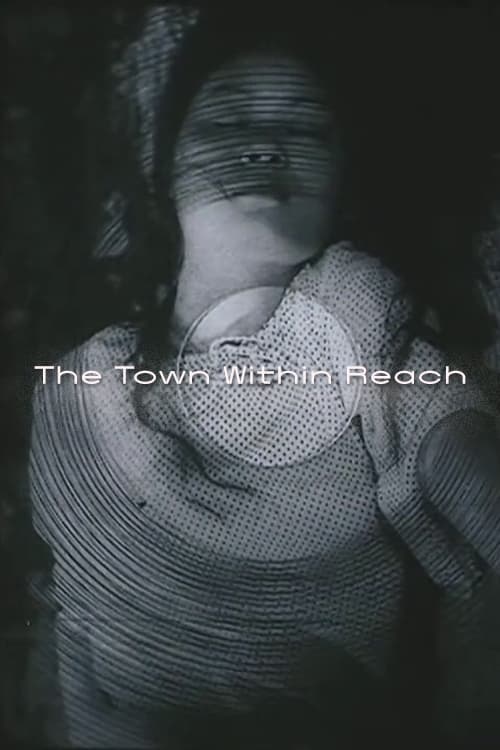
At the close of the Sino-Vietnamese border war, a journalist travels to Lạng Sơn in northern Vietnam—the hometown of his former girlfriend—to report on the situation there.