Directing
A French-language anthology of seven famous, fantastic, and psychological stories by beloved American author Henry James.
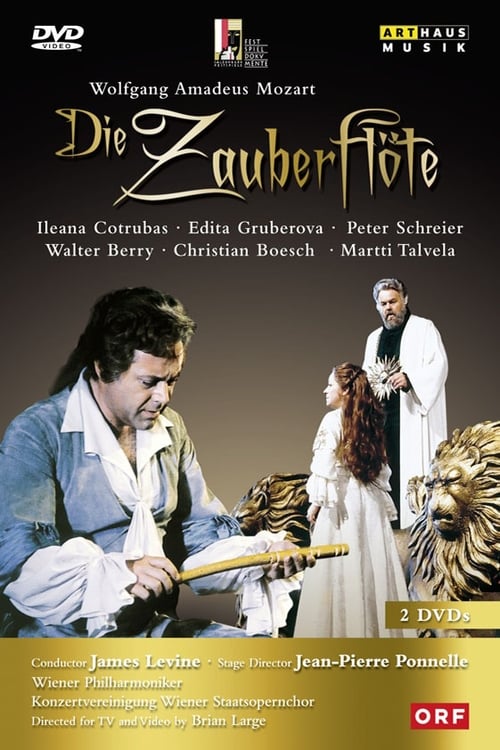
Mozart’s “The Magic Flute”
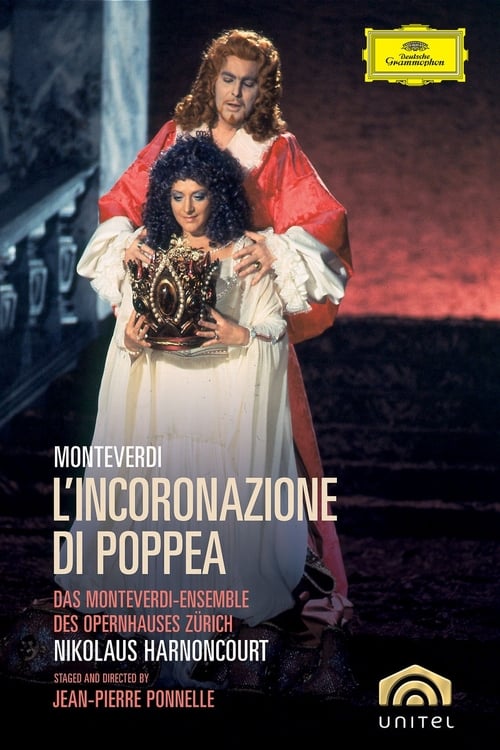
Live performance, part of Monteverdi cycle staged by Oper Zürich with Nikolaus Harnoncourt conducting the Zürich Opera House Monteverdi Ensemble. Staged and directed by Jean-Pierre Ponnelle
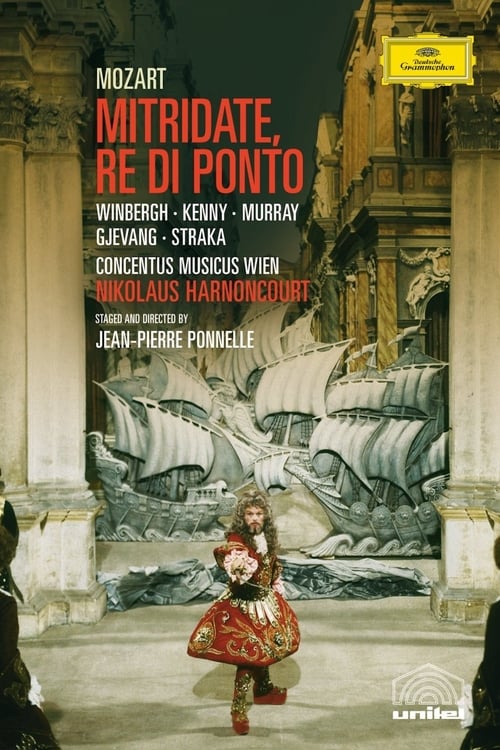
Soprano Yvonne Kenny turns in a spirited performance as Aspasia in this brilliant staging of composer Wolfgang Amadeus Mozart's first notable opera -- penned when he was only 14 years old. The production, set in early Roman times, follows the inner circle of the empire's most formidable foe, King Mithridates of Pontus. Maestro Nikolaus Harnoncourt conducts the sterling cast, which includes tenor Gosta Winbergh and mezzo-soprano Ann Murray.
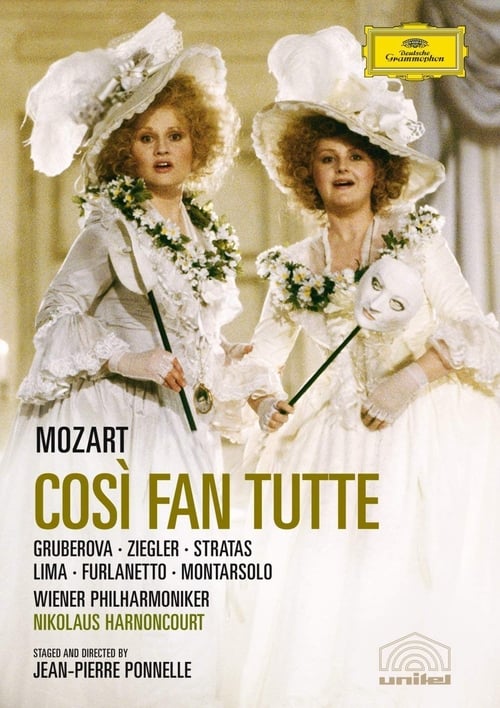
Nikolaus Harnoncourt conducts the Wiener Philharmoniker in this filmed studio performance of Mozart's opera recorded in 1988.
Mirella Freni, Placido Domingo, Christa Ludwig, and Robert Kerns star in this Jean-Pierre Ponnelle-directed version of the Puccini opera, with Herbert von Karajan conducting the Vienna Philharmonic. Madama Butterfly is a staple of the standard operatic repertoire for companies around the world, ranking 7th in the Operabase list of the most-performed operas worldwide.
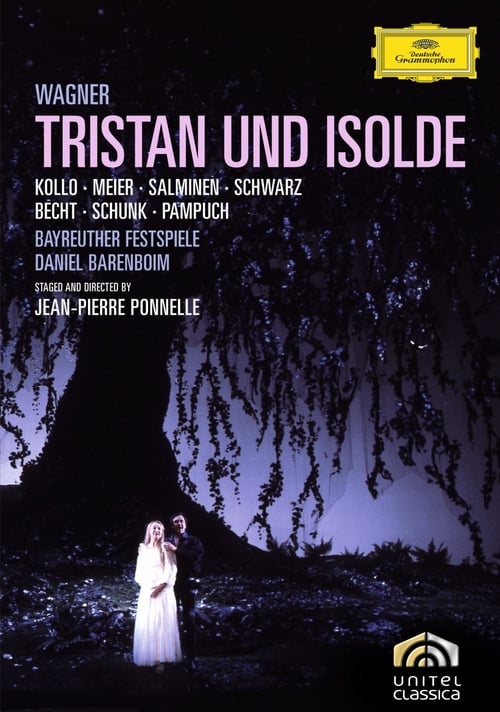
Take a perfect cast, a great conductor and a groundbreaking staging in-out makes a 'Tristan' for eternity. The 1983 performance in Bayreuth was a great moment for the world of opera. The ensemble performance of René Kollo, Johanna Meier and Matti Salminen with, then as now the Wagner admirer, Daniel Barenboim conducting the Bayreuth orchestra inspired singers and instrumentalists to peak performance. Jean-Pierre Ponnelle created a dream-beautiful stage.
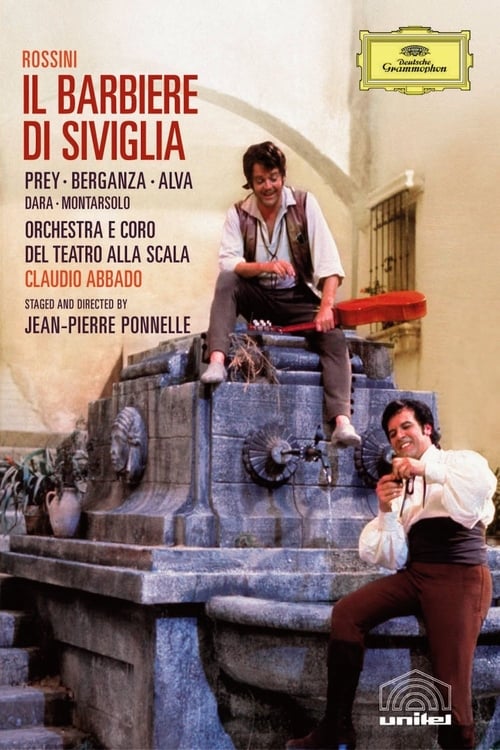
Count Almaviva is in love with Rosina. However, she is currently staying with Dr. Bartolo – who desires to marry her. By using a series of disguises, Almaviva manages to pass letters to Rosina and serenade her with his beautiful voice. Dr. Bartolo does his best to stop Almaviva but is constantly thwarted. In the end, Count Almaviva marries Rosina and Dr. Bartolo comes to terms with his defeat.
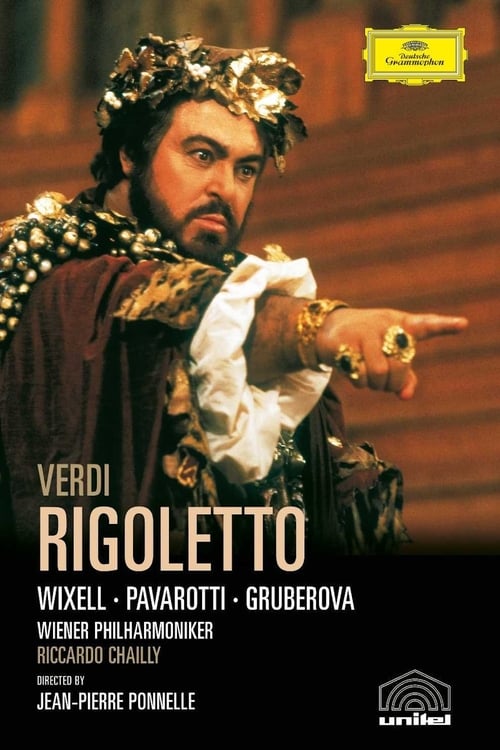
Rigoletto is a jester in the court of the Duke of Mantua. He has a hunch-back and he's rather unattractive, but he's good at his job of humiliating the courtiers for the amusement of the Duke. The courtiers, of course, are not amused. The Duke is a ladies man who feels his life would be meaningless if he couldn't chase every skirt he sees. In fact, we learn as the opera begins that he's recently been noticing a young lady every Sunday on her way to church, and he's vowed to have his way with her. What nobody realizes is that the girl is the jester's beloved daughter, Gilda, and that Gilda has seen the Duke every Sunday and is smitten with him. Suddenly Count Monterone appears at court, furious that the Duke has seduced his daughter. Rigoletto ridicules Monterone, the Duke laughs, and Monterone casts an awful curse on both of them. Later, the courtiers discover that Rigoletto is secretly living with Gilda...
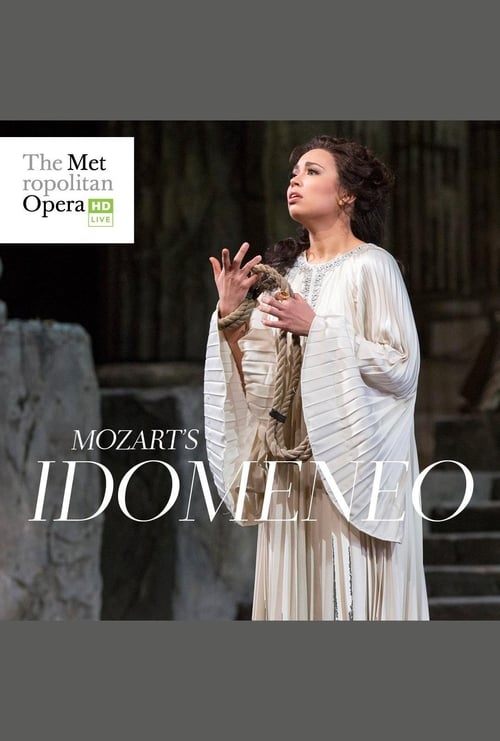
Mozart’s early masterpiece returned to the Met for the first time in more than a decade with Music Director Emeritus James Levine, who led the work’s company premiere in 1982, again on the podium. Tenor Matthew Polenzani brings both steely resolve and compassionate warmth to the title king of Crete, who is faced with an impossible decision. With her rich mezzo-soprano, Alice Coote sings the trouser role of Idomeneo’s son Idamante, who loves the Trojan princess Ilia, sung with delicate lyricism by Nadine Sierra. Elza van den Heever gives a thrillingly unhinged portrayal of the jealous Elettra. Jean Pierre-Ponnelle’s timeless production blends the grandeur of ancient myth with the elegance of Enlightenment ideals.
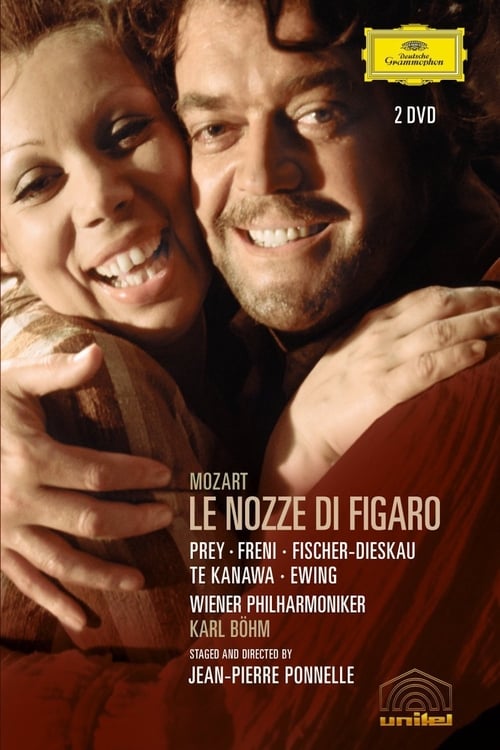
Mozart's Marriage of Figaro is a comedy whose dark undertones explore the blurred boundaries between dying feudalism and emerging Enlightenment. Herman Prey's Figaro is admirably sung in a firm baritone and aptly characterized. So too, is his antagonist, Dietrich Fischer-Dieskau as the Count perpetually frustrated by the scheming wiles of Figaro and Susanna, here the perky Mirella Freni, who sings and acts like a dream. The Countess is creamy-voiced Kiri Te Kanawa, and the Cherubino, Maria Ewing, looks just like the horny, teenaged page she's supposed to be. The all-star leads are complemented by worthy supporting singers, the Vienna Philharmonic at the top of its form, and the experienced Mozartian, Karl Böhm conducting a stylishly fleet performance.
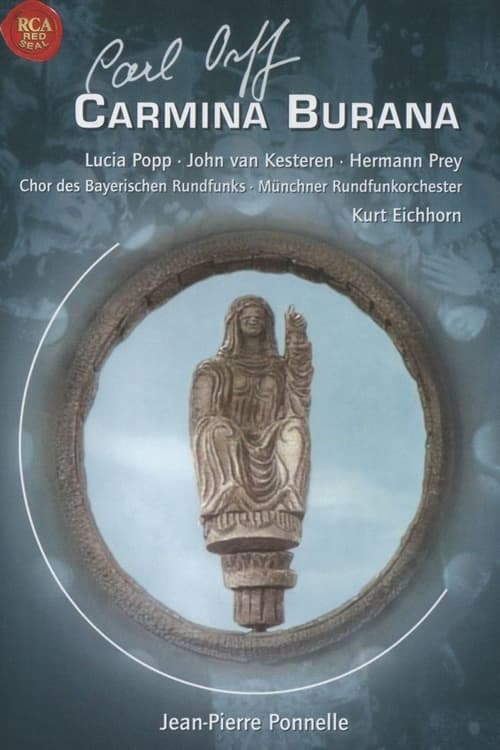
A very visual and profound dramatization of the various sections of Carmina Burana, a symphonic piece composed by Carl Orff about medieval poetry by an anonymous author.
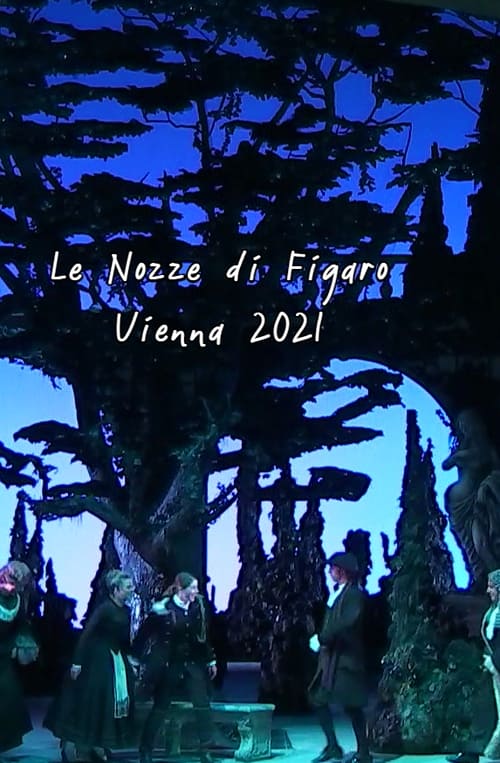
Mozart's opera The Marriage of Figaro performed live (and streamed) on the February 4, 2021.
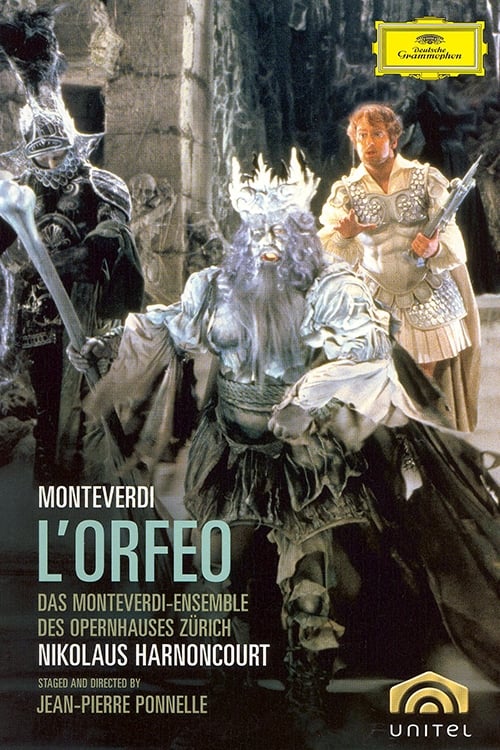
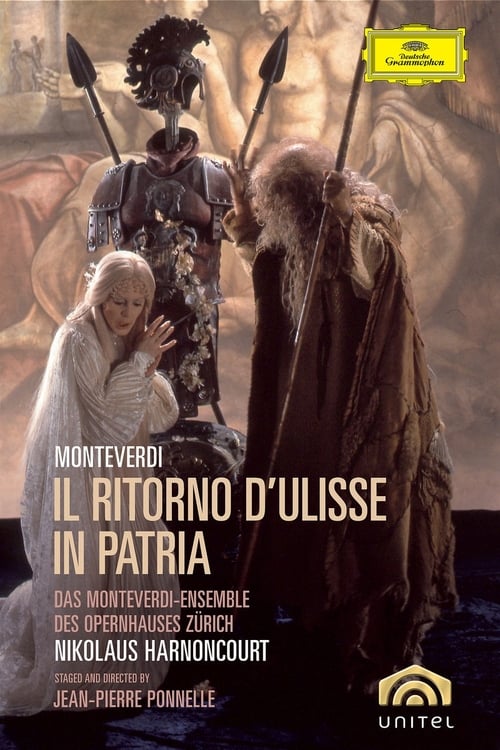
In Zurich, conductor Nikolas Harnoncourt realizes his vision of reviving the work of opera pioneer Claudio Monteverdi using historical performance practices, brilliantly staged by Jean-Pierre Ponnelle. The Monteverdi cycle brings the composer and his operas back into the public consciousness. In 1978, L’Orfeo is recorded on film.
Live performance, part of Monteverdi cycle staged by Oper Zürich with Nikolaus Harnoncourt conducting the Zürich Opera House Monteverdi Ensemble. Staged and directed by Jean-Pierre Ponnelle. Filmed 28 March – 20 April 1978 in Vienna, sound recorded 1 – 25 December 1977 in Zürich.
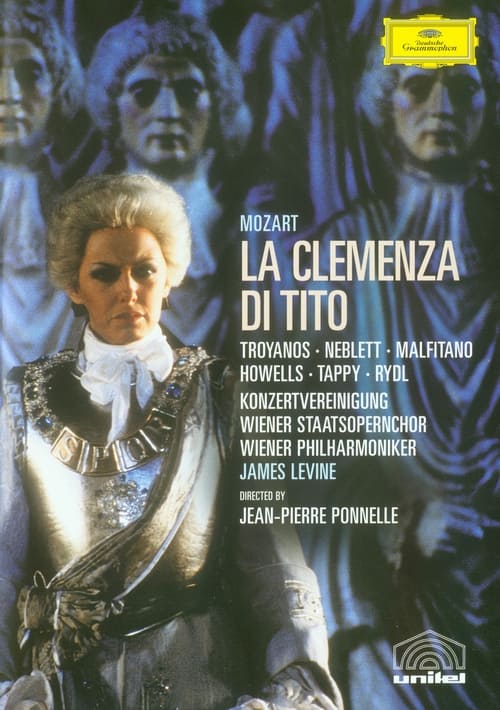
"La Clemenza di Tito" was Mozart's last stage work. It was commissioned for an Imperial coronation ceremony while Mozart was at work on "Die Zauberflöte" and was composed in great haste. Indeed, time was so short that composition of the secco recitatives was assigned to Mozart's pupil Süssmayr. As in the earlier "Idomeneo", Mozart sought to produce an opera seria that was dramatically viable. He enlisted the poet Mazzolà to substantially revise the Metastasio libretto, which had already been set some fifty times. The number of arias was reduced from 25 to 11, and ensembles and choruses were added to enliven the proceedings. Though perhaps not the very top-drawer Mozart, the music is wonderful.
The Grammy award-winning pianist Daniel Barenboim, long known for his Mozart interpretations, turns his attention to Mozart's last 8 piano concertos. The music of Mozart has quite literally been an essential driving force of Daniel Barenboim’s entire life. It remains central to his performing career both as a pianist and as a conductor. These illuminating performances of Mozart’s last eight great piano concertos admirably demonstrate Barenboim’s dictum that even when a true musician has already performed a familiar work hundreds of times, he or she ‘never accepts that the next note will be played the same way as it was played before.
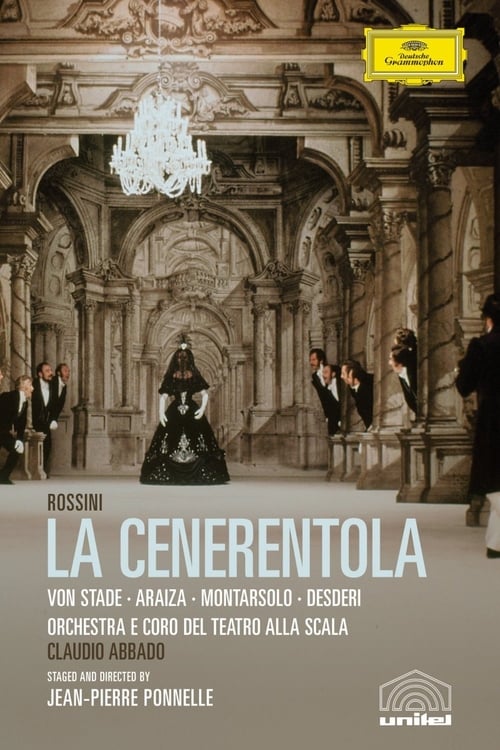
The Prince, Don Ramiro (who has changed places with his valet, Dandini), meets Cenerentola and they are instantly attracted to each other. When the Philosopher, Alidoro, later takes Cenerentola (dressed in magnificent clothing) to the palace, Dandini (still posing as the prince) tries to talk of love to her, but Cenerentola rejects him, saying that she is in love with his 'valet'. Ramiro, who has overheard this comment, is overjoyed, and immediately proposes to her, but Cenerentola says that he must first seek her out and then, if he still felt the same way, she would marry him. She gives him one of a matching pairs of bracelets, telling him to look for its companion on her right arm (she then leaves the palace). Ramiro ends the masquerade, and he and Dandini resume their true identities. The Prince then sets out on his quest - little realising that destiny, in the form of a violent thunderstorm, is about to take a hand in the affair.