Editing
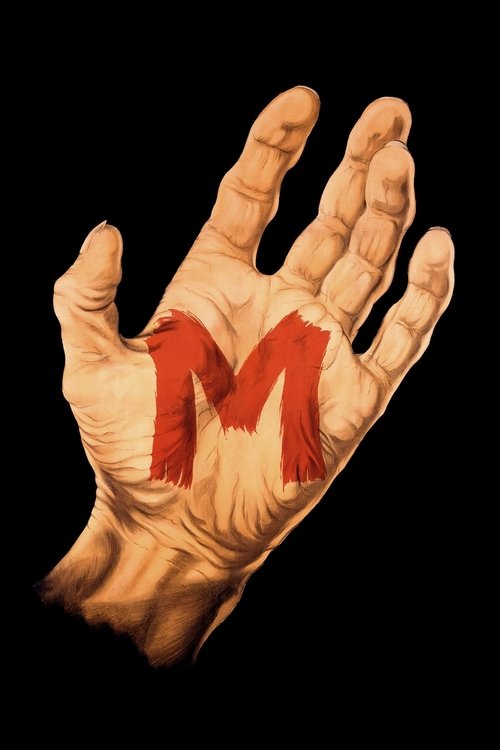
In this classic German thriller, Hans Beckert, a serial killer who preys on children, becomes the focus of a massive Berlin police manhunt. Beckert's heinous crimes are so repellant and disruptive to city life that he is even targeted by others in the seedy underworld network. With both cops and criminals in pursuit, the murderer soon realizes that people are on his trail, sending him into a tense, panicked attempt to escape justice.
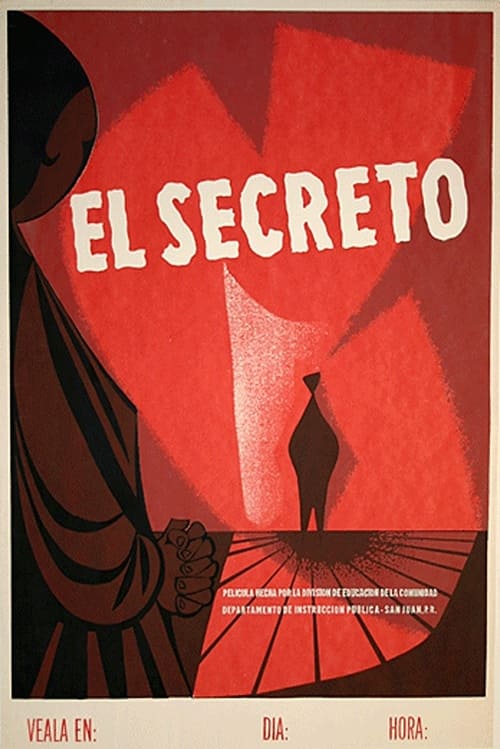
Illustrates the dilemma of a sugarcane worker who has a child out of wedlock without his wife’s knowledge.
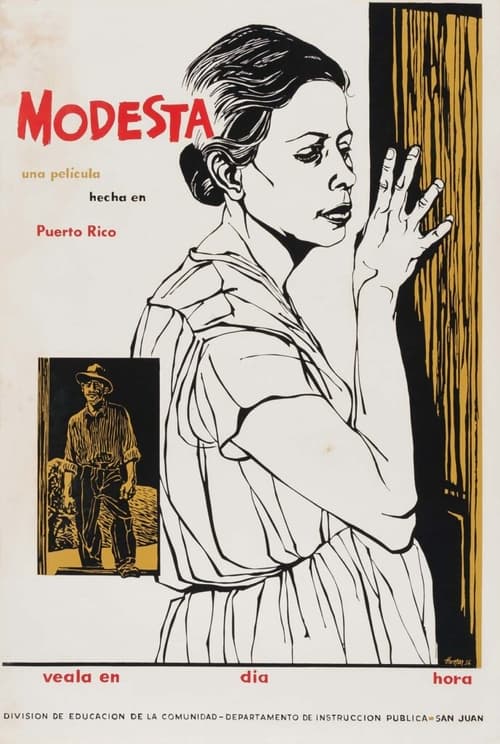
The DivEdCo’s most important attempt to depict women’s rights in the context of modernization processes in Puerto Rico. Modesta leads a group of women in Barrio Sonadora, Guaynabo, in a strike against their husbands to demand their rights in a domestic context.
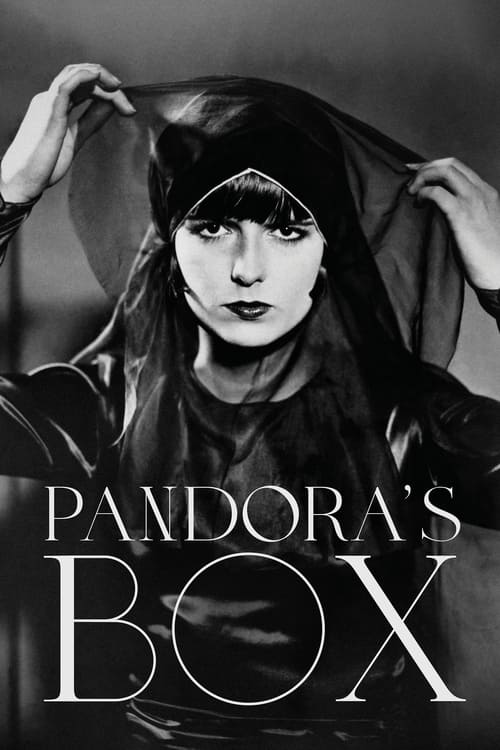
The rise and inevitable fall of an amoral but naive young woman whose insouciant eroticism inspires lust and violence in those around her.
Allan Gray, a young man fascinated by the supernatural, goes to a small village where he feels a sinister force descending upon him. There, Allan meets an old man who asks him to protect his two daughters, for one of them has been bitten by a vampire.
At first, the demolition of a biography. Shortly before his death, Fejos tells his life story. His voice, the melody of his Hungarian-accented English, his humour and his ability to tell stories lead us through the short documentation. Then it becomes an ethno-drama. The film travels from Sweden to Siam and poetically and powerfully shows how much work it is for a young couple to produce a handful of rice.
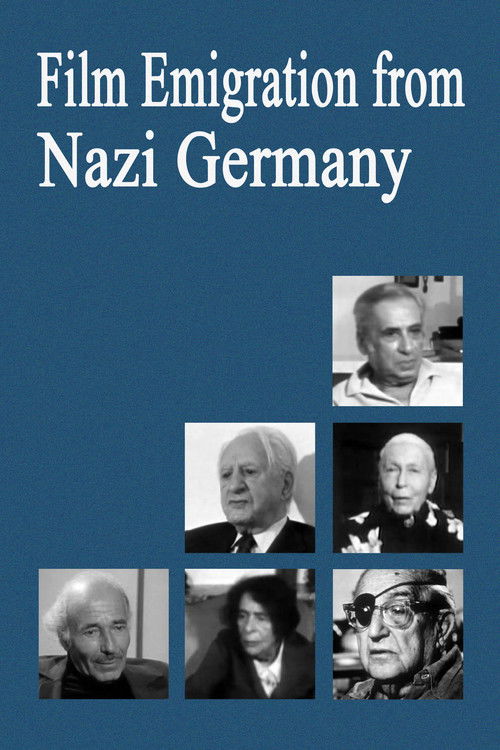
Based on extensive interviews, shot on 16mm in a series of static long takes, Filmemigration aus Nazideutschland, is one of the most fascinating examples of "Film history on film" ever produced. Straschek devoted years to researching the topic and accumulating both film and non-film materials. Apart from some radio features and articles, however, this 290-minute TV programme remains the only published trace of Straschek's lifelong work on the emigration of film personnel. He had intended to publish a three-volume book, encompassing all available data about 3,000 emigrants originating from the centre and peripheries of film production, but the book never materialised.
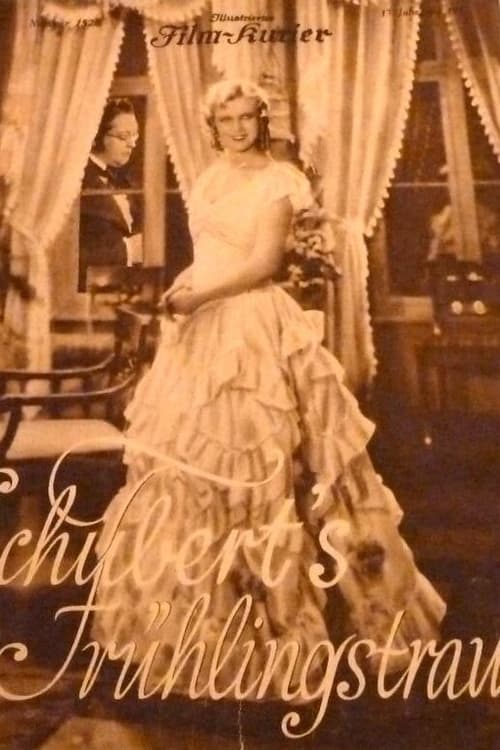
An episode in the life of the Austrian composer Franz Schubert, who wrote the most beautiful love songs, but whose love life was very unhappy: The timid, myopic and rather portly Schubert falls for the beautiful, blond Countess Maria Esterhazy and has impossibly unrealistic fantasies about the two of them as she only admires him for his music. When he’s fired from his position as a teacher in the parish school, the village innkeeper Therese, who secretly has the hots for Schubert, gets him an engagement at a concert in Palace Esterhazy.
Thymian Henning, an innocent young girl, is raped by the clerk of her father's pharmacy. She becomes pregnant, is rejected by her family, and must fend for herself in a harsh, cruel world.
King Pausole is known for his relaxed rule and having a different wife for every day of the year. Princess Aline, the king's favorite, leaves the kingdom with Giglio, a modern, adventurous pilot, disrupting the kingdom's orderly hedonism. The king abandons his daily duties to hunt for his daughter, bringing him into contact with a world outside his own pampered experience.
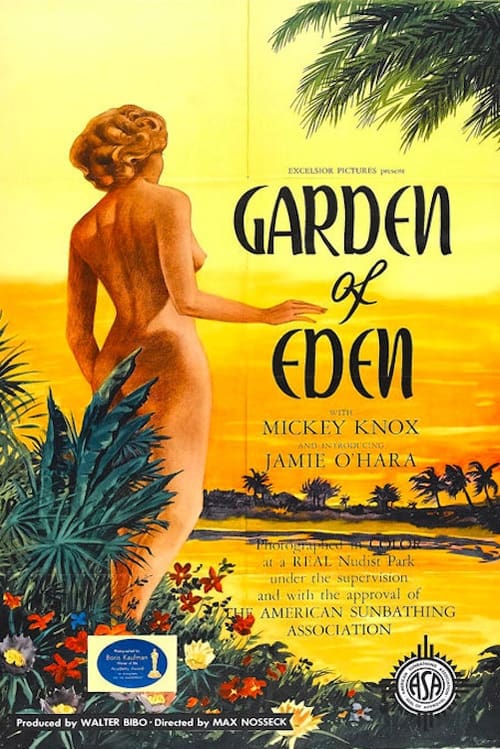
War widow and pre-teen daughter leave home of tyrannical father-in-law in Florida, get lost on a detour, and find shelter at a nudist colony.
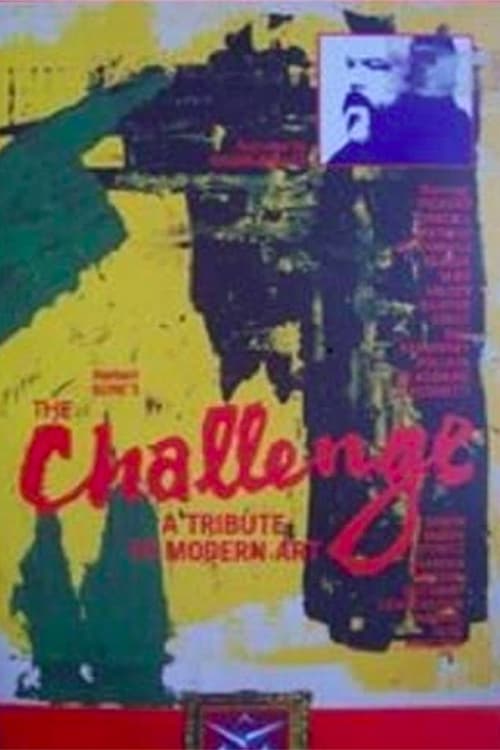
The Challenge... A Tribute to Modern Art is a 1974 American documentary film directed by Herbert Kline. The film shows footage of great modern artists in their studios creating and commenting on their work, with narration and commentary by Orson Welles. It was nominated for an Academy Award for Best Documentary Feature.
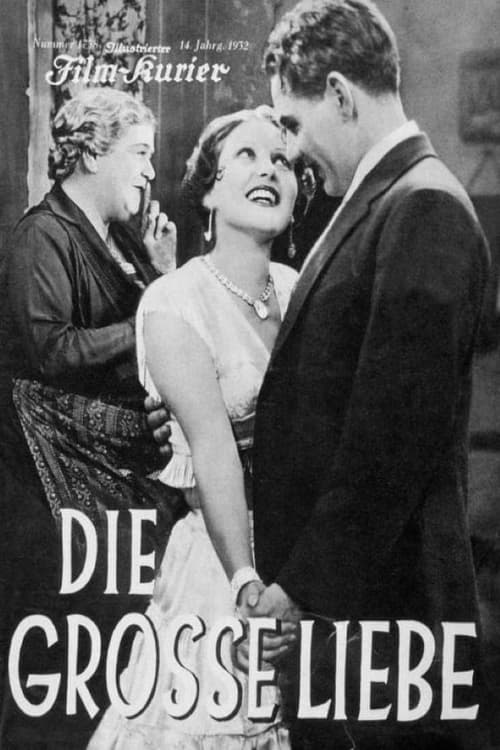
Ten years after the end of World War I, Austrian soldier Franz leaves Russia and returns to his village, where he is reunited with Frieda, a woman who believes he is her long-lost son. She seeks him out and greets him with such loving joy, that Franz doesn't have the heart to tell her the truth. He stays with her and when he gets to know his new girlfriend Annie, he begs her to hide his true identity from Annie. Annie, for her part, has seen through this charade already, but chooses to say nothing and to continue to care for Franz.
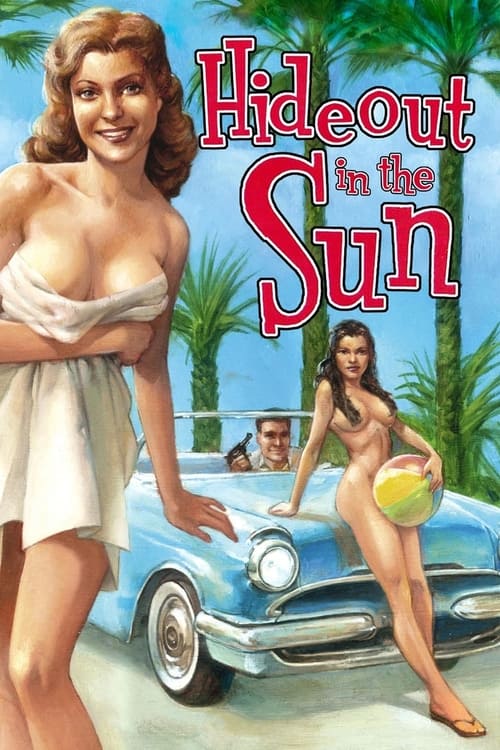
Bank robbers take a woman hostage in the course of a botched getaway. After discovering she's a nudist, they decide to hide out at her nudist camp.
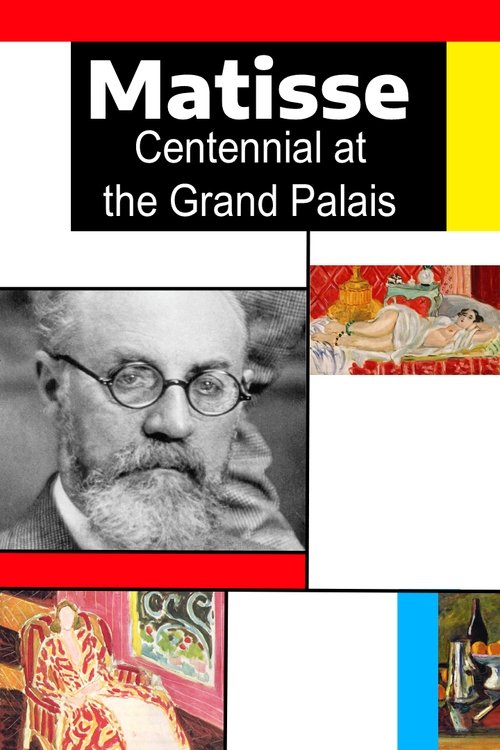
The styles of Henri Matisse's works range from impressionism to fauvism to an almost abstract technique. He, along with Picasso, are regarded as two of the giants of 20th century art. This installment of the Museum of Modern Art series depicts the works of Matisse, and is the only film record of the landmark exhibition in Paris in 1970. All of his works, including the seldom-seen paintings from the Russian collections are shown here. Rare footage of the master painter at work is also offered. Matisse scholar Pierre Schnieder narrates.
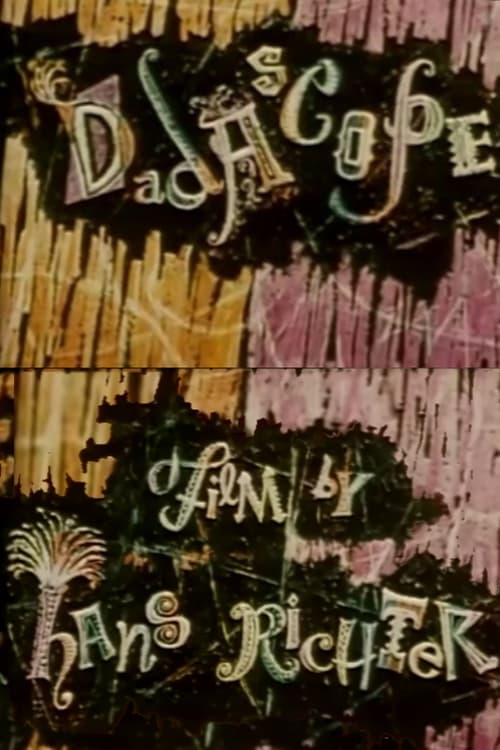
Free-associative images are juxtaposed with disorienting poetry in Richter's late work. The film is visual dynamite: Upside-down and reversed footage, play with shadows and light, billiards and dice and balloons-- suggestive and surreal images. Tenets of Dada writing, such as games of chance, punnery, wordplay and loud nonsense noise are foist upon the viewer as Dada poems are read / performed by their orignal authors.
Assignment: Tel-Aviv (Paul Falkenberg; United Palestine Appeal) is the clearest effort among the four to appeal to non-Jews. It is also the least effective. It is no more than a slightly humanized travelogue, in uneven color, narrated by the glossily chummy voice of Quentin (London Can Take It) Reynolds.
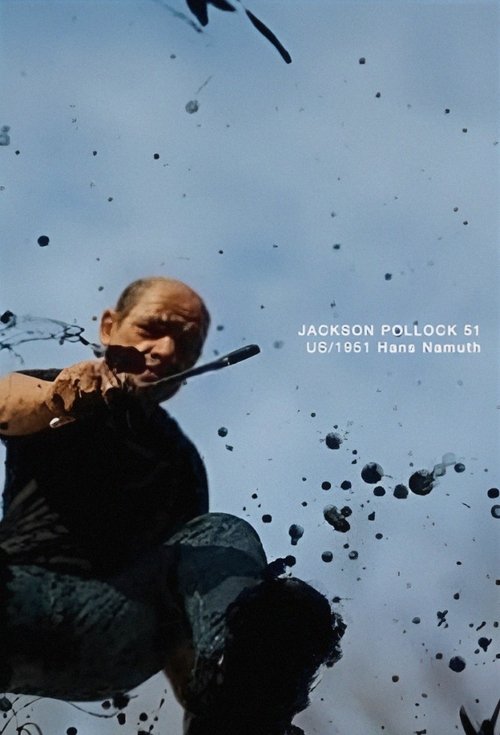
Artist Jackson Pollock is seen at work painting a large canvas, then later on painting on a large sheet of glass.
A young model and her friends vacation at a horse ranch. The owner of the ranch is a nudist and takes the girls to a nudist camp to show them the wonders of nudism.
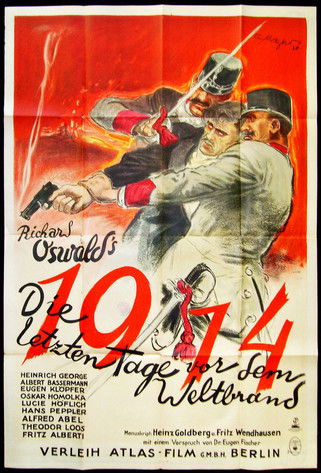
The film focuses on the leadership of the Great Powers of Europe in the days leading up to the outbreak of the First World War.