Directing
Orphans is the true story of a forbidden love affair set in the oppressive and violent atmosphere of nineteenth century Mexico. One man, Melchor Ocampo, driven by the twin passions of love and idealism, defies the stain of illegitimacy to shake off the crippling yoke of Spain and the Catholic Church. In so doing he becomes a founding figure of modern day Mexico.
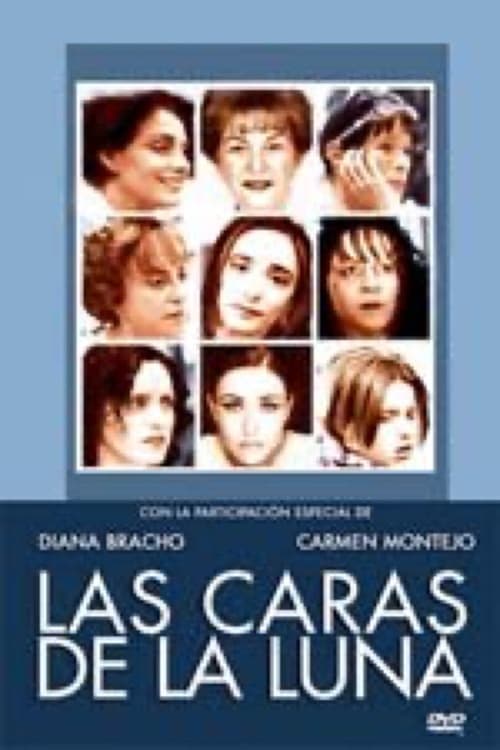
The Faces of the Moon is the story of five women from five different countries (Argentina, Uruguay, Mexico, USA and Spain), invited to Mexico City to be the jury of the Third Annual Latin American Women's Film Festival. In six vertiginous days these women share their past experiences, their ghosts and, their expectations. The group views and critiques the festival's film entries, and, in the process, the women reveal their personal, political and national histories.
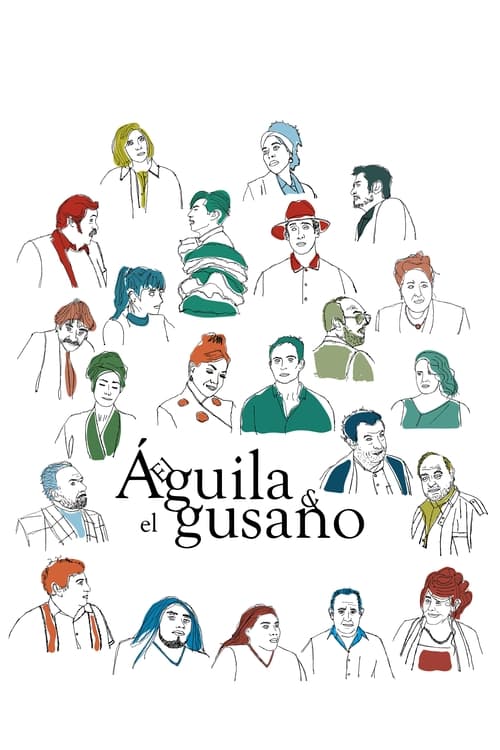
In Guita Schyfter’s El águila y el gusano, an intricate plot serves to intersect the destinies of several characters: the owner of a beauty salon in love with “all things Chinese”, a politician with a taste for oration who couldn’t care less about the problems of his country, a political adviser whose counsel is never considered and a shady investigator with a name that nobody seems to recall. The script by Schyfter and Hugo Hiriart, her longtime collaborator and author of the 2013 novel on which the film is based, bristles with finely-crafted, hilarious dialogue.
One couple (Carlos & Irene) are having troubles, because he suspects that Irene's hiding something about her past in Russia. To make things worst her ex-husband goes to Mexico and tells Carlos that her other ex-husband also is going to claim her as his property.
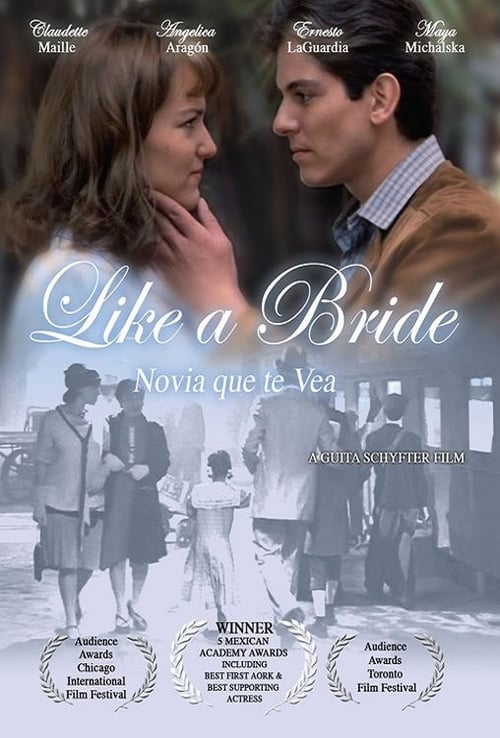
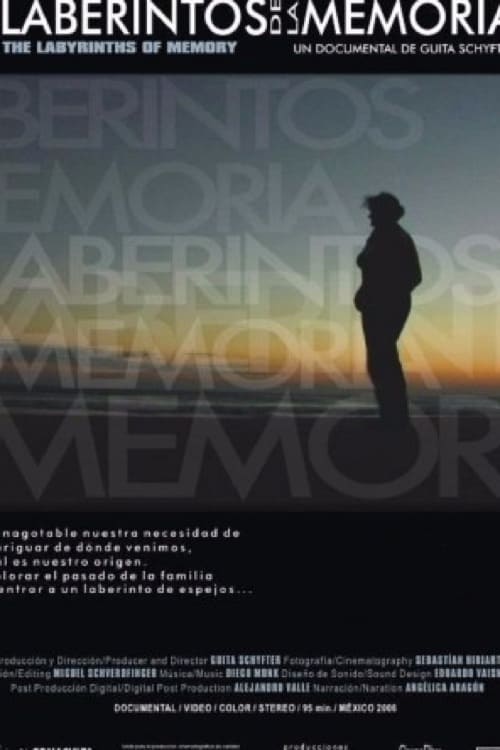
Oshinica Mataraso and Rifke Groman are from two families from Europe: the Mataraso are Sephardic who came to Mexico after being expelled by the Catholic Monarchs, and the Groman are Ashkenazi and their lineage had to face the Holocaust. Oshinica and Rifke are Mexican-born Jews, although they feel treated as foreigners. Anxious to find their identity, Oshi and Rifke confront the traditions of their relatives.
The documentary tells the story of this landscape and its inhabitants from its establishment in the 10th Century to its present ecological demise.
In 1956, while living in Chiapas, Mexico, U.S. anthropologist Roberta Montague adopts a baby girl, and asks her colleague, famous Cuban ethnologist Calixta Guiteras, to be the girl’s godmother. Inspired by the triumph of the Cuban Revolution, Calixta decides to return to her native island. Parallel to Maite's search, film director Guita Schyfter, born in Costa Rica to European Jewish immigrants, shares with us her own personal story.