Vladimir Mayakovsky
Writing
Biography
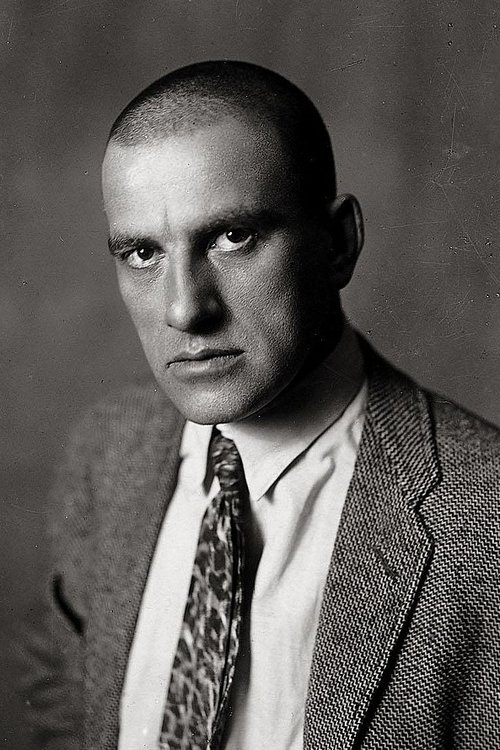
Vladimir Vladimirovich Mayakovsky (Russian: Владимир Владимирович Маяко́вский; 19 July [O.S. 7 July] 1893 – 14 April 1930) was a Soviet poet, playwright, artist, and actor. During his early, pre-Revolution period leading into 1917, Mayakovsky became renowned as a prominent figure of the Russian Futurist movement, being among the signers of the Futurist manifesto, A Slap in the Face of Public Taste (1913), and writing such poems as "A Cloud in Trousers" (1915) and "Backbone Flute" (1916). Mayakovsky produced a large and diverse body of work during the course of his career: he wrote poems, wrote and directed plays, appeared in films, edited the art journal LEF, and created agitprop posters in support of the Communist Party during the Russian Civil War. Though Mayakovsky's work regularly demonstrated ideological and patriotic support for the ideology of the Communist Party and a strong admiration of Vladimir Lenin, Mayakovsky's relationship with the Soviet state was always complex and often tumultuous. Mayakovsky often found himself engaged in confrontation with the increasing involvement of the Soviet State in cultural censorship and the development of the State doctrine of Socialist realism. Works that contained criticism or satire of aspects of the Soviet system, such as the poem "Talking With the Taxman About Poetry" (1926), and the plays The Bedbug (1929) and The Bathhouse (1929), were met with scorn by the Soviet state and literary establishment. In 1930 Mayakovsky committed suicide. Even after death his relationship with the Soviet state remained unsteady. Though Mayakovsky had previously been harshly criticized by Soviet governmental bodies such as the Russian Association of Proletarian Writers (RAPP), Premier Joseph Stalin described Mayakovsky after his death as "the best and the most talented poet of our Soviet epoch."
Known For

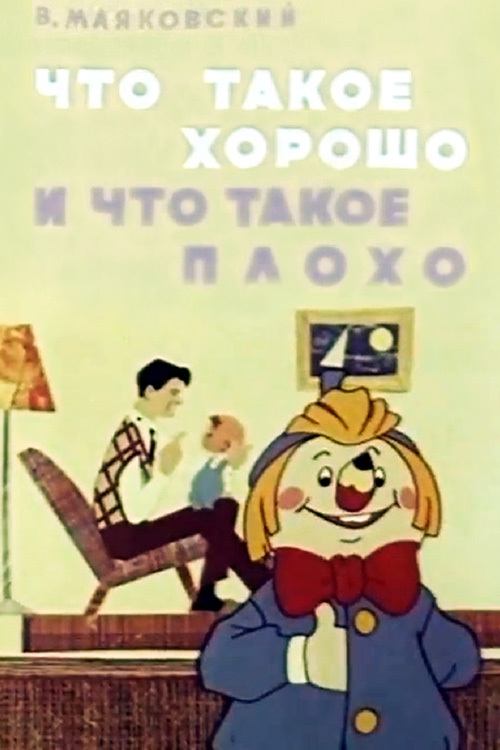
Cartoon characters discuss the basics of ethics using funny examples from real life.
What Is Good and What Is Bad

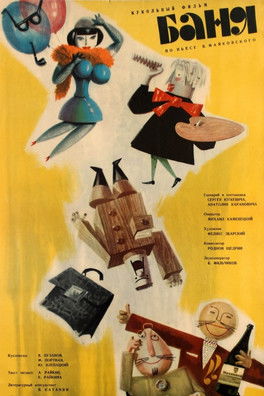
Inventor Chudakov builds a time machine. All that remains is to interest the technical innovation officials and receive authorization to continue the experiment. And it turns out that's the hardest part! The end point in this inventor's struggle will only be set by a "phosphoric woman" arriving from a wonderful future...
The Bath House

Soviet animation from Vladimir Tarasov.
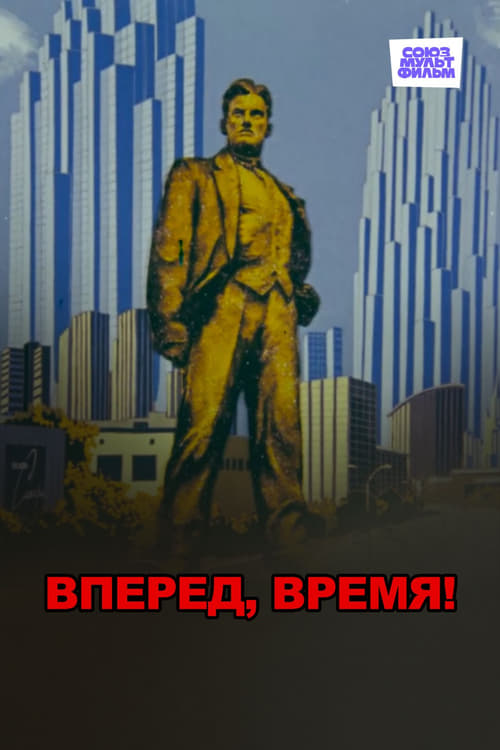
Forward March, Time!

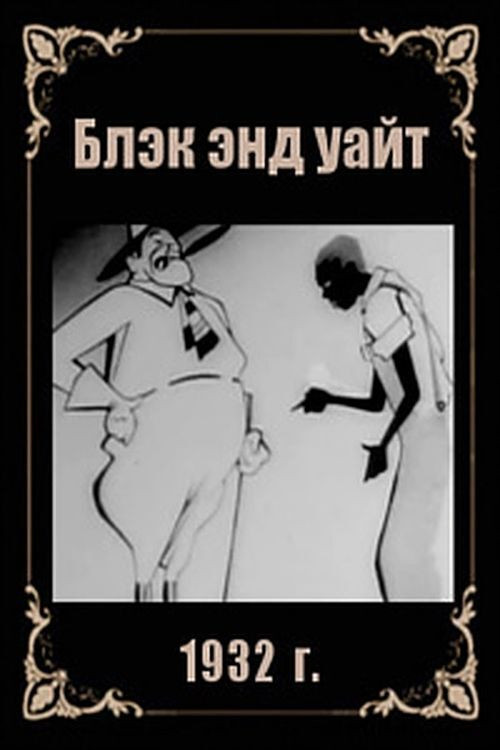
The film addresses issues of racism in the Jim Crow American South. Themes of racial injustice, racial violence, working-class solidarity dominate the film. It depicts black men working in a field, walking in chains, sitting behind bars, and being executed in an electric chair. In most scenes, a white authority figure is seen whipping or guarding the men.
Black and White

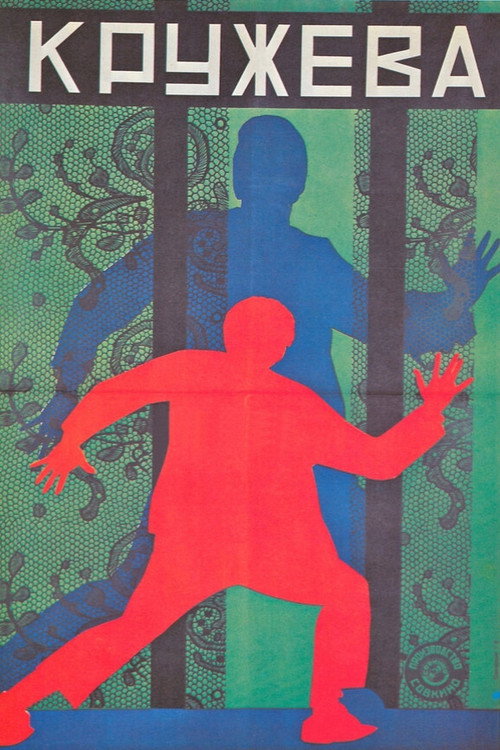
Since director Sergei Yutkevich was a longtime lover of American slapstick, his first films were imbued with a playfulness and cheeriness not typical of Russian cinema. And Kruzheva is a good example of that as he illustrates the friendly rivalries between the youths on village in both a very rough and clowning way.
Lace

A cartoon based on Mayakovsky's poem about how a little girl chose her profession, what she would do when she turned seventeen. Being a carpenter is good, you can make chairs and baskets, but being a doctor is better, he puts sick people back on their feet. Being a doctor is good, but being an engineer is better, because he builds houses. Being an engineer is good, but being a worker is better, because he makes machines. Being a worker is good, but being a driver is better. There are many professions, but you have to choose according to your taste.
Кем быть?

Ten years after the death of iconic French filmmaker, Chris Marker. A filmmaker, hoping to rediscover that unique sensibility against the uncertainty of the new century, returns to the places synonymous with those incomparable and unforgettable films-- From the cat cemetery of Sans Soleil, to the mausoleum of The Last Bolshevik; The caves of Level Five to the rooftops of The Case of the Grinning Cat. A biographical portrait of one of the 20th century's greatest and most misunderstood filmmakers.
Ten Lives of a Cat: A Film about Chris Marker

Documentary portrait of Dziga Vertov, father of documentary cinema.
World Without a Game

No description available.
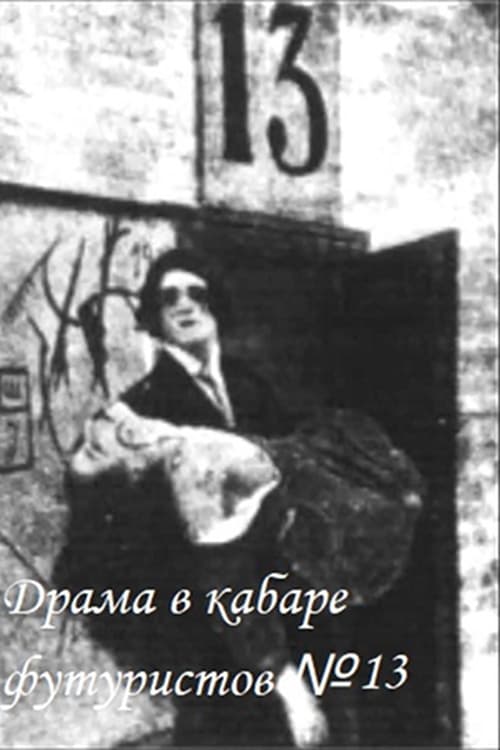
Drama in the Futurists' Cabaret No. 13

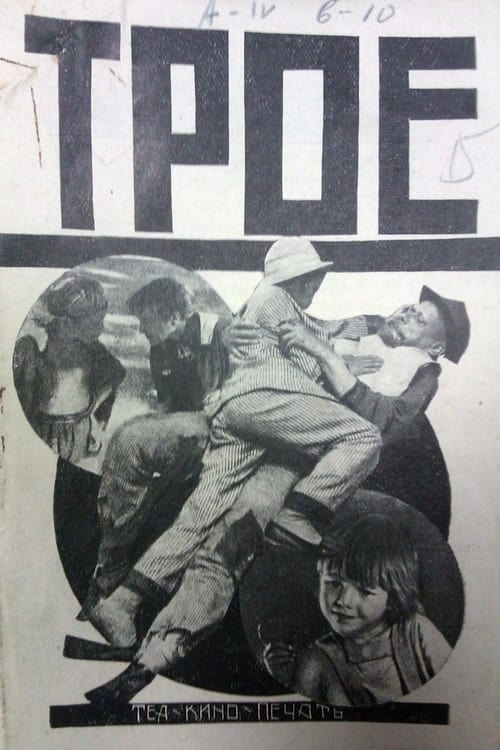
Based on a short story by O. Henry "The Ransom of the Red Chief". Three boys meet by chance. Myshko, a pioneer, is walking down the street in the ranks of a pioneer unit, while the homeless Semen is standing behind the unit, and Mr. Zhorzhyk is looking out of the window. The second time the boys meet is in the Crimea, where Myshko travels with the pioneers, the panych in a soft carriage with a bonnet, and Semen between the cars. Semen is kidnapped by bandits who mistake him for Zhorzhyk. Meanwhile, Zhorzhyk escapes from his bondage to a pioneer detachment. Soon, Semyon ends up there as well.
The Three

The teleplay was based on V. Mayakovsky’s poems “You!”, “Listen!”, “Conversation with Comrade Lenin” and other works of the poet.
You!

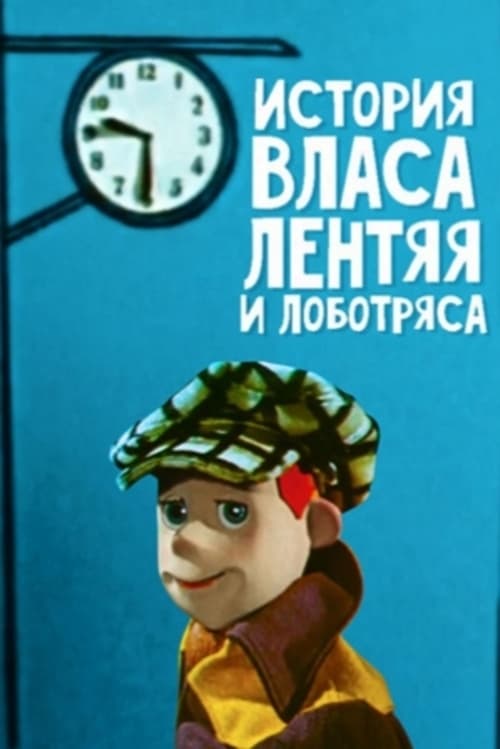
A satirical Soviet puppet animation film from 1959. Based on the poem of the same name (1926) by Vladimir Mayakovsky.
The Story of Vlas the Lazy One

No description available.
Майсыз Калҗа

Animated poetic ode to the bright Soviet Future, based on the poems by Vladimir Mayakovsky.
The Flying Proletarian

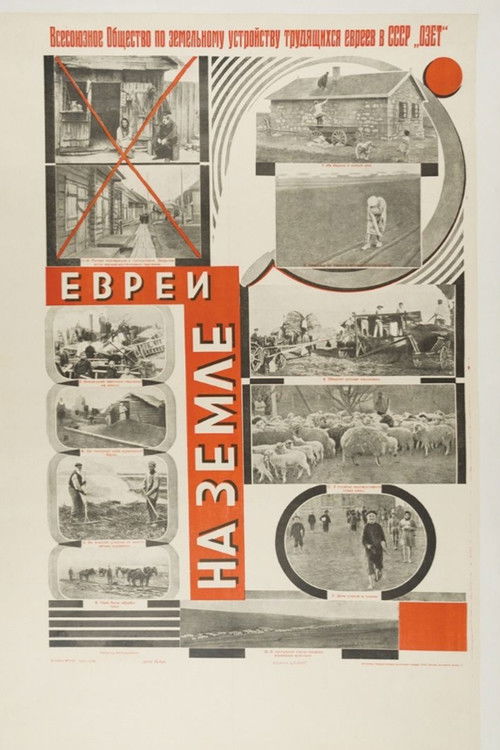
This documentary depicts the creation of collective farms for Jews in Crimea. It shows them building their houses, digging a well, and farming the land.
Jews on the Land

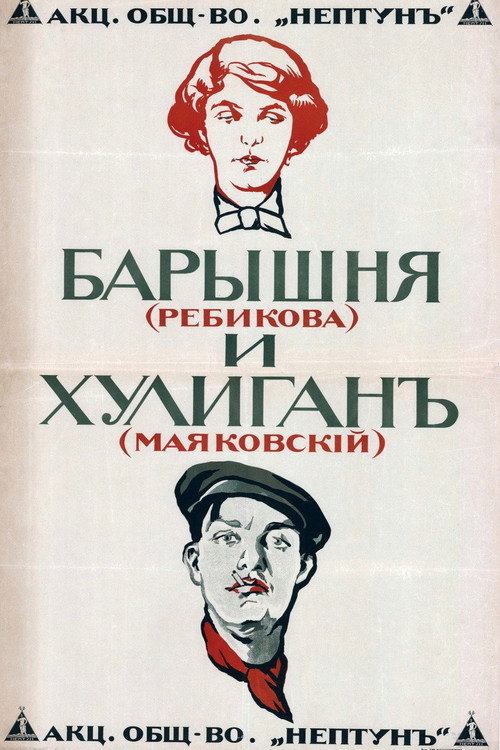
A young woman arrives in her school where she must teach for the first time. Her task consists in teaching a class of adults to read and write. All her students are male, ranging from boys to old men, and they are rather rowdy and difficult. All the more as a young hooligan dares write her on a test paper that he loves her. Feeling harassed by the young man, she is defended by other students. But she more or less feels the young bad boy's love is true and when this one is lying on his dying bed, after being stabbed by the other students, she solaces him by kissing him tenderly.
The Young Lady and the Hooligan

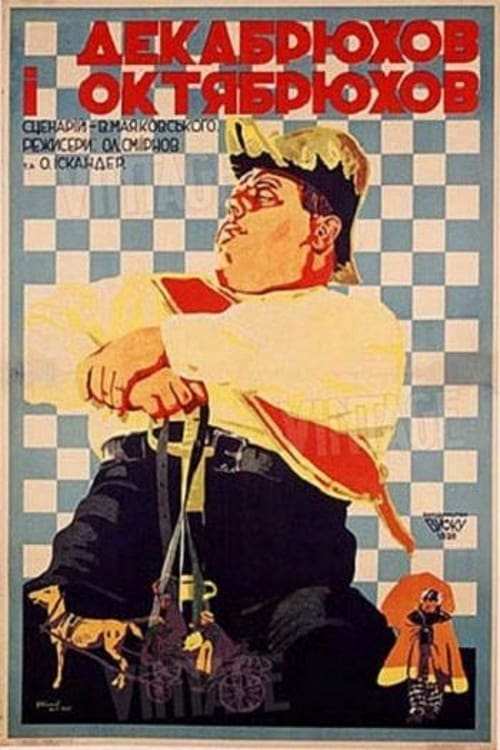
The bourgeois wedding of Dekabryukhova is interrupted by the machine-gun fire of revolution. He flees abroad, leaving his wife. Oktyabryukhov stays and adapts to the new life. At the end of the picture there is an attempt at universal reconciliation and the poet's tormenting theme "three-way love". Dekabryuhov returns to his homeland. His wife is already married to Oktyabryukhov. Having learned about it, Dekabryukhov tries to leave, but the newlyweds force him to stay.
Oktyabryuhov and Dekabryuhov

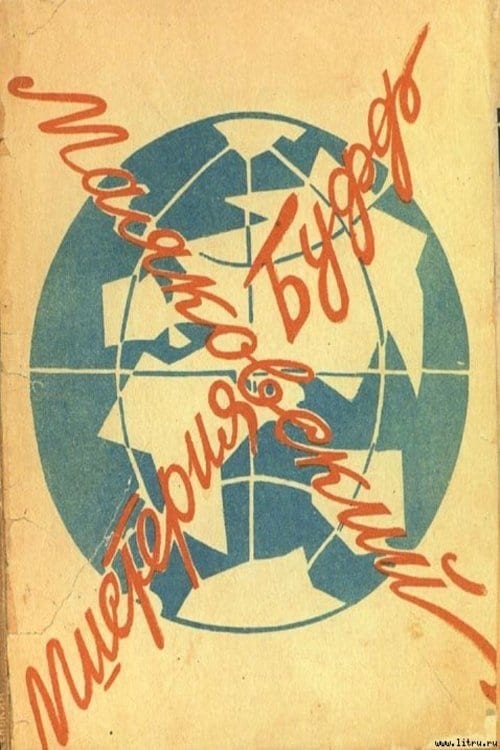
Based on Mayakovsky's twentieth-century morality play, in which workers receive the awards of the blessed, and monarchs and capitalist politicians are consigned to eternal damnation.
Mystery-Bouffe

No description available.
Прочти и катай в Париж и Китай

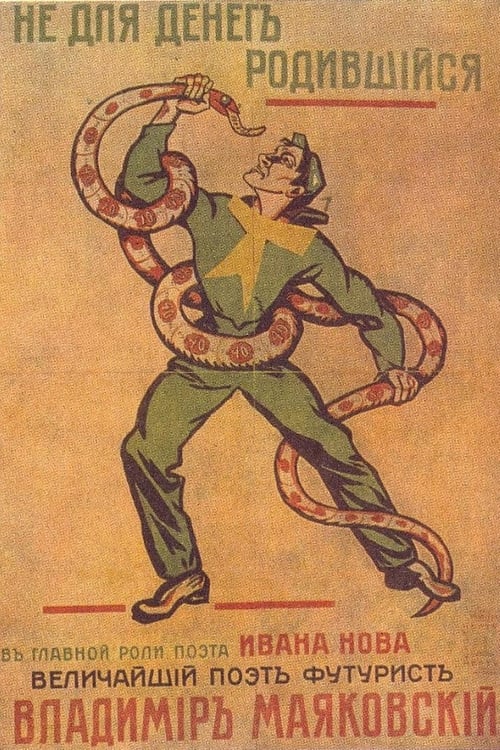
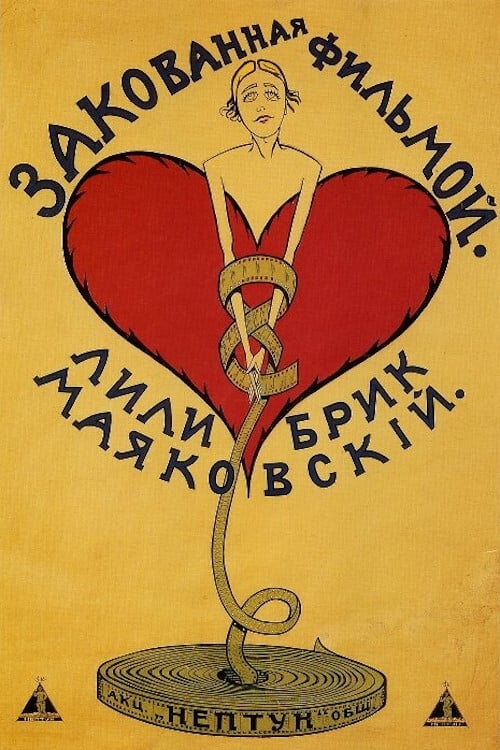
Fantastical story about an artist whose life changes after a ballerina from a film poster comes to life. Mostly lost.