Camera
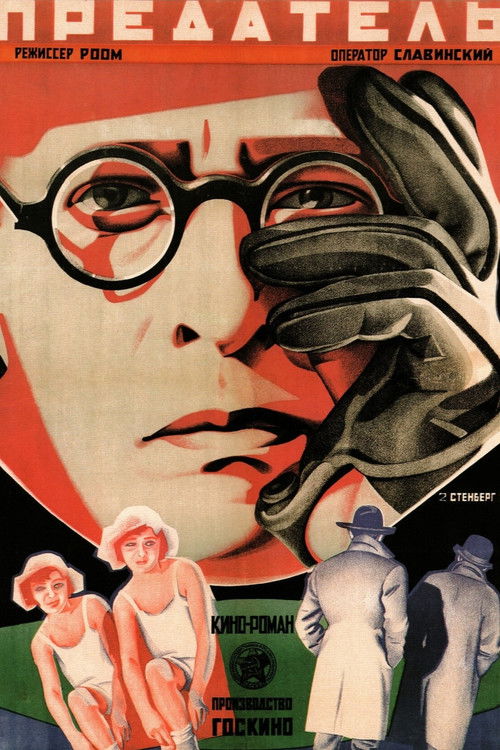
A machinist on a Navy ship has two sons, both bolcheviks. When the revolution comes the Tsarist police captures the machinist to put pressure on his sons.
This is the first fiction movie filmed in Estonia, although there is some disagreement whether it can be considered the first Estonian movie, as the names of some of the vital authors, such as the director, are currently not known.
An agent working for the Tsar fools a group of Bolshevik sailors but is captured and punished after the revolution.
The Government of the fictional country Norland has unleashed a war with the neighboring Galikania and is suffering one defeat after another. A group of conspirators who were dissatisfied with this state of affairs, led by the Social Democrat Frank Frey arrange a coup to overthrew the emperor of Norland. But the working class does not like the new order either. Workers expose Frank Frey's policy of continuing the war and a revolution breaks out in the country. The leader of the socialist revolution becomes a mechanic of the name Franz Stark.
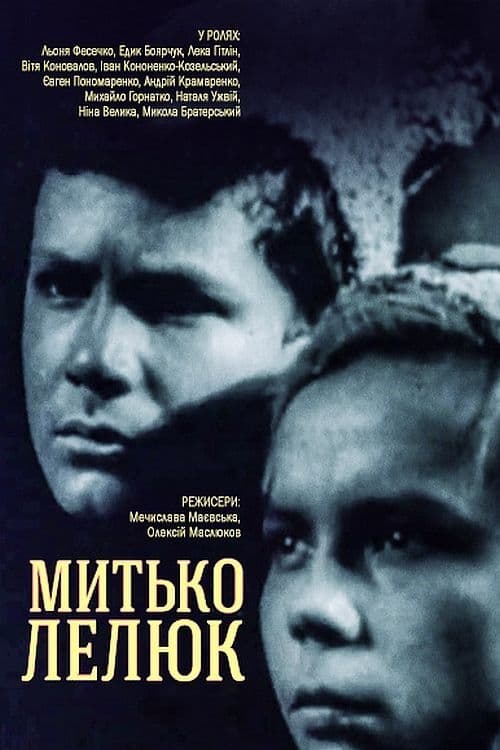
A propaganda film about the participation of children in the partisan movement.
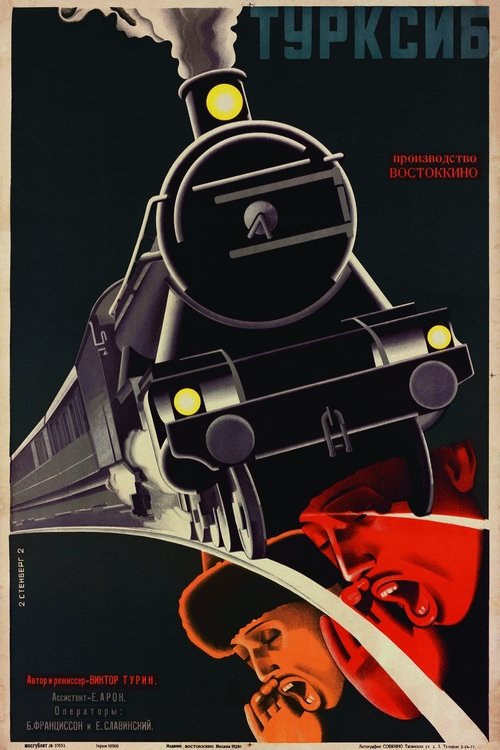
Bold and exhilarating documentary account of the building of the Turkestan-Siberian railway, presented as a heroic triumph of Soviet progress over natural adversity.
No description available.
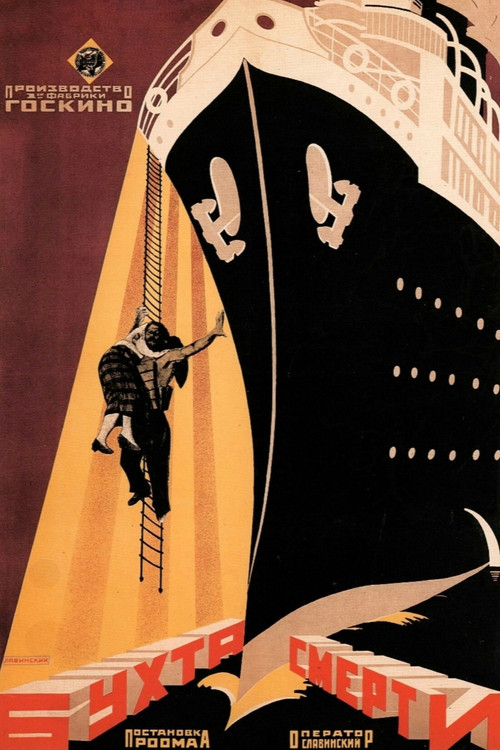
During the retreat from Baku in 1920, prisoners of the White Army counterintelligence are dropped off on an uninhabited island in the Caspian Sea, where they are left to die of hunger and thirst. Four of them—the Bolsheviks Miller, Zanoza, Nesterova, and the scientist Shatsky—manage to escape.
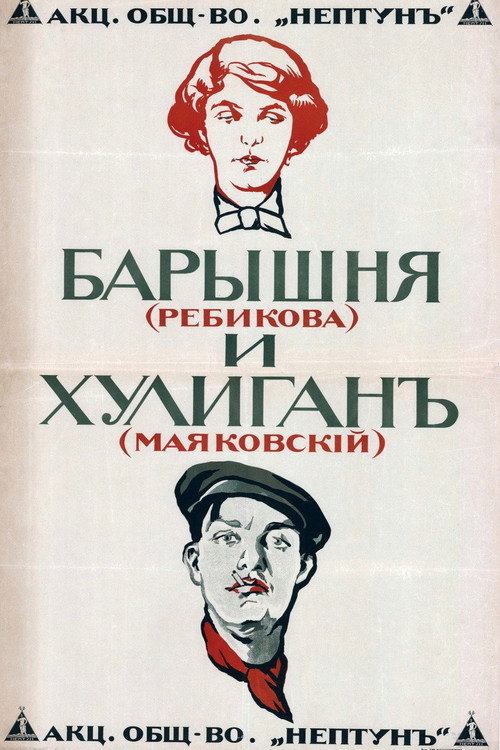
A young woman arrives in her school where she must teach for the first time. Her task consists in teaching a class of adults to read and write. All her students are male, ranging from boys to old men, and they are rather rowdy and difficult. All the more as a young hooligan dares write her on a test paper that he loves her. Feeling harassed by the young man, she is defended by other students. But she more or less feels the young bad boy's love is true and when this one is lying on his dying bed, after being stabbed by the other students, she solaces him by kissing him tenderly.
Based on the novel "At the Price of Blood" by E. Werner. The movie is not fully preserved.
A documentary fiction propaganda film about the famine in Ukraine in 1921-1922. Among the causes of the catastrophe, in addition to drought, the film mentions the consequences of revolutionary events. It shows swollen children, destroyed factories and plants, burning villages, dead cattle, and a number of actions aimed at helping the victims: the work of the Commission for the Relief of the Starving under the All-Ukrainian Central Executive Committee, the organization of feeding stations, workers donating their three-day salary to help the famine victims, etc. The very first film made in Odesa under the auspices of the newly founded VUFKU in nationalized pavilions that until recently belonged to film magnates Kharytonov and Borysov.
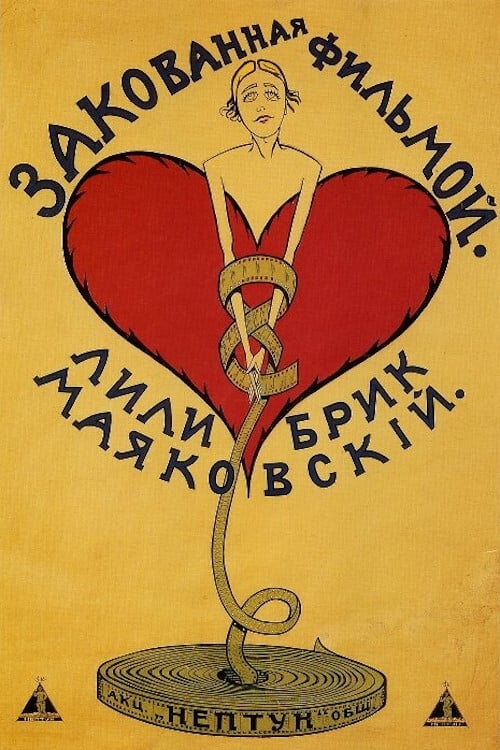
Fantastical story about an artist whose life changes after a ballerina from a film poster comes to life. Mostly lost.
A conductor is haunted by hallucinations during a performance of Camille Saint-Saëns's Danse macabre.
Based on a play by Iakov Gordin; performed by a troupe of travelling Jews.
While hosting a game of cards one night, Narumov tells his friends a story about his grandmother, a Countess. As a young woman, she had once incurred an enormous gambling debt, which she was able to erase by learning a secret that guaranteed that she could win by playing her cards in a certain order. One of Narumov's friends, German, has never gambled, but he is intrigued by the story about the Countess and her secret. He soon becomes obsessed with learning this secret from her, and he starts by courting her young ward Lizaveta, hoping to use her to gain access to the Countess.
An antisemitic father tries to have his illegitimate son by a Jewish mother killed.