Directing
No description available.
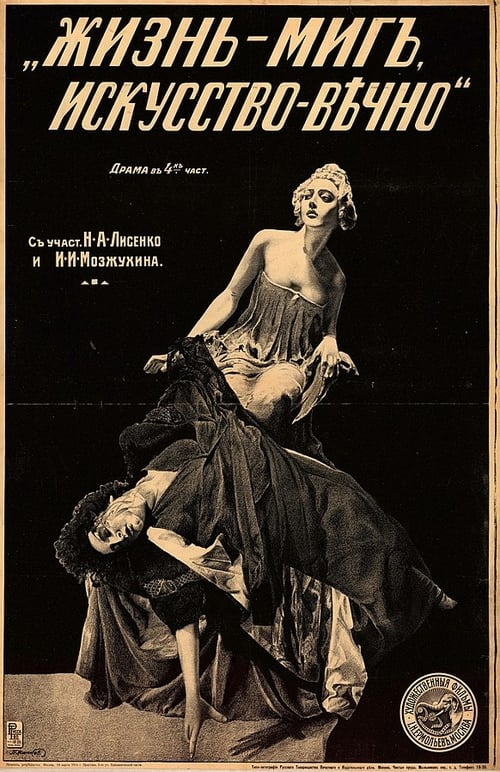
After a man's wife leaves him for a sculptor, his only comfort is a statue of his wife.
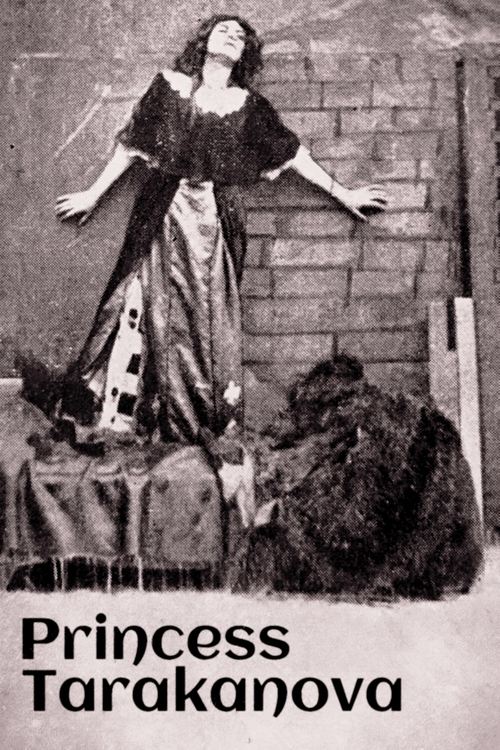
Russia, 1775. Count Orlov writes a letter to Empress Catherine II the Great in which he denounces Princess Tarakanova as a traitor and pretender to the throne.
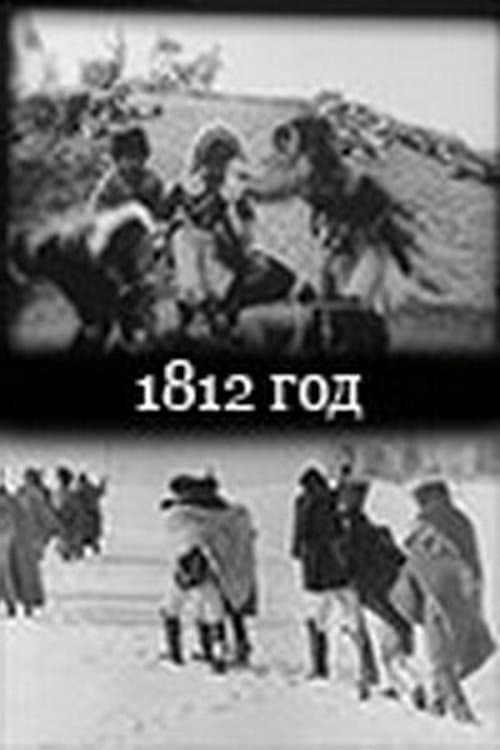
Made in 1912, this film has become known as one of the greatest pieces of pre-Soviet cinema. The silent film tells the story of the Patriotic war of 1812 when Napoleon attempted to invade Russia. This joint French and Russian film sparked major excitement in Moscow at its premier screening and continues to entertain audiences throughout the world today. The 32-minute silent film was the point of origin for some of the more advanced camera techniques used today. Sirotin of the Voice of Russia said that, “The film is interesting to spectators even today and is frequently shown both in Russia and abroad.”
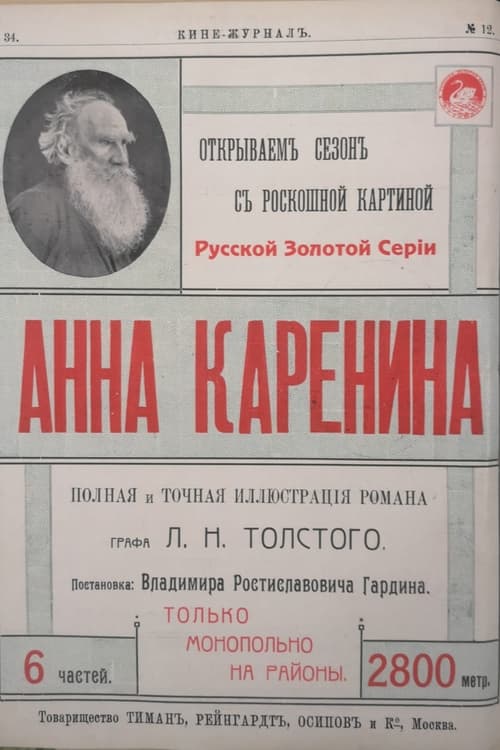
In Imperial Russia, Anna, wife of the officer Karenin, goes to Moscow to visit her brother. On the way, she meets charming cavalry officer Vronsky, to whom she's immediately attracted. But in St. Petersburg’s high society, a relationship like this could destroy a woman’s reputation.
Romashov, an officer, receives an invitation from Nicolayeff, whose wife's birthday is coming up. At the birthday party, it turns out that his wife is very charmed by Romashov. During the picnic in the forest, they seclude themselves from the rest of the party and on a bench they kiss each other. Another, jealous officer, who also has a crush on her, sneaks up on the couple. Sensing this, they flee, but the woman leaves behind her fan, on which Romashov has written a declaration of love. The jealous officer gives the fan to Nicolayeff, who then challenges Romashov to a duel. During the duel, the lover deliberately fires into the air and is shot. Based on the novel by Aleksandr Ivanovich Kuprin.
The wounded Russian Orloff, treated in a Japanese hospital, is watched over with devotion by the volunteer nurse Hanako, who seems charming to him. On Hanako's father's refusal, Lieutenant Orloff kidnaps the little geisha and brings her back to Moscow. Far from her native country, little Hanako no longer seems so pretty to the fickle Orloff who now prefers the beautiful Rayskaya. Unable to overcome her pain, the little geisha prefers to die.
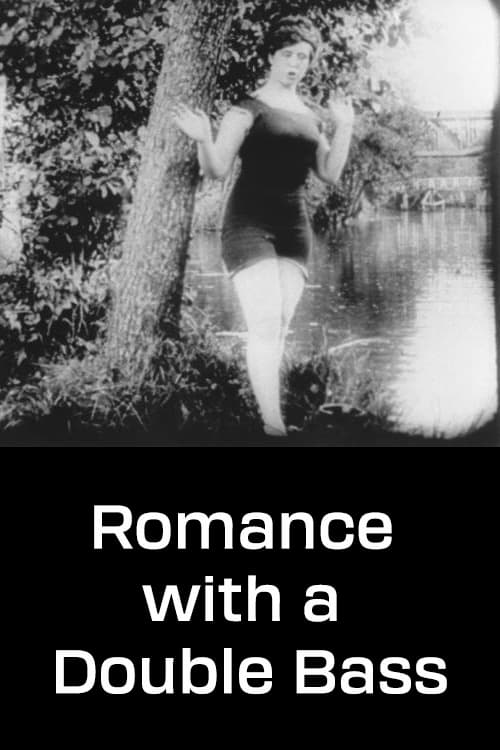
Princess Bibulova decides to go fishing along the river, while not far away, a musician leaves his two companions to go for a swim. Soon afterwards, the princess also goes swimming. While neither swimmer is looking, two thieves lurking on the riverbank steal their clothes, leaving the musician and the princess in a puzzling and embarrassing situation.
Rukhele's parents make her marry rich Matteus, but she loves poor Shlomo. In two years Rukhele has a child but she can't forget Shlomo and so she leaves Matteus to be with her lover.
A Jewish brothel owner attempts to become respectable by commissioning a Torah scroll and marrying off his daughter to a yeshiva student.
An adaptation of the fairy tale by Alexander Pushkin.
Adaptation of Ibsen's "A Doll's House."