Directing
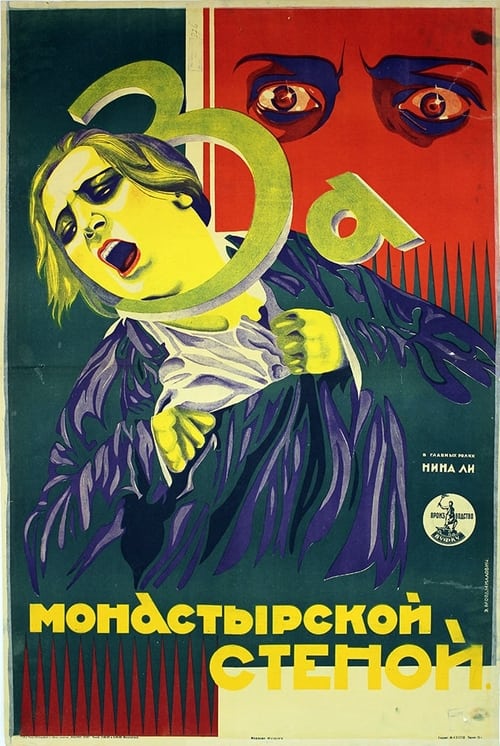
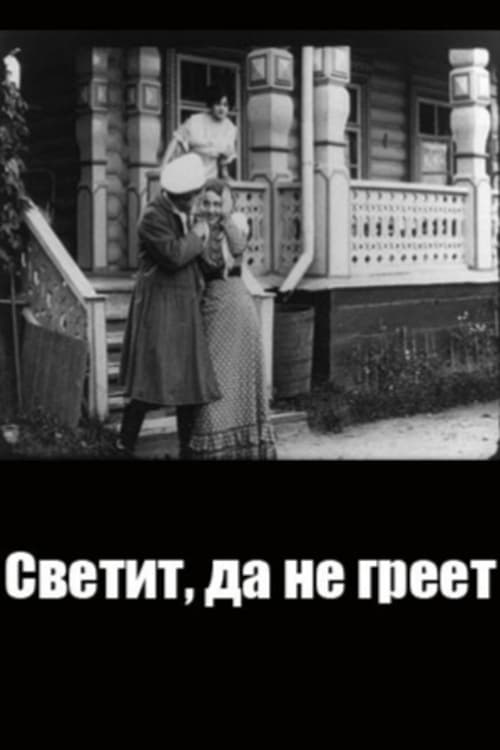
The old nunnery owns the best lands. Nuns rent out the land to local rich men, and exploiting peasants they have a wealthy life. The peasants live in misery. Especially, the family of the peasant named Levin. He is forced to give away his last horse, his son Andrii is imprisoned, his daughter Nastia becomes a maid of a rich landlord. Trying to prevent the master’s harassment, Nastia escapes and gets to the nunnery. She can see the other life of the nuns who manufacture false relics, drink alcohol and kill children. Nastia ends up in the basement for resisting one of the “spiritual pastors.” Meanwhile, her brother Andrii escapes from prison. He stirs up a rebellion and saves his sister. The film is lost.
No description available.
Based on Lermontov's poem of the same name, Boyarin Orsha (Peter Chardynin) leaves the service of Ivan the Terrible.
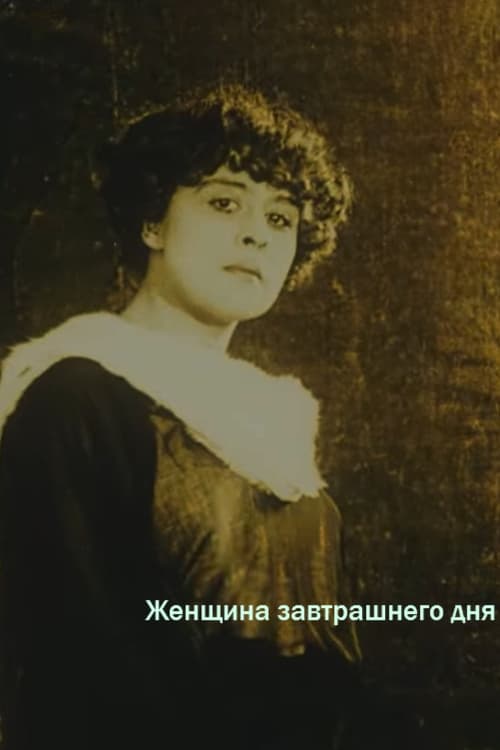
A female doctor is so busy with her work that she has too little time for her fiancé. He falls in love with a waitress and the two have a child. Though considered by some to be a proto-feminist yarn, the film dwells on the consequences that equal rights for women may generate rather than openly champion suffrage. Similar in to Ibsen's The Doll House in many ways, the film provides mannered, solemn melodrama, ably acted by Mosjoukine and Yureneva.
Five-episode adaptation of the eponymous Russian novel, directed by Pyotr Chardynin et al.
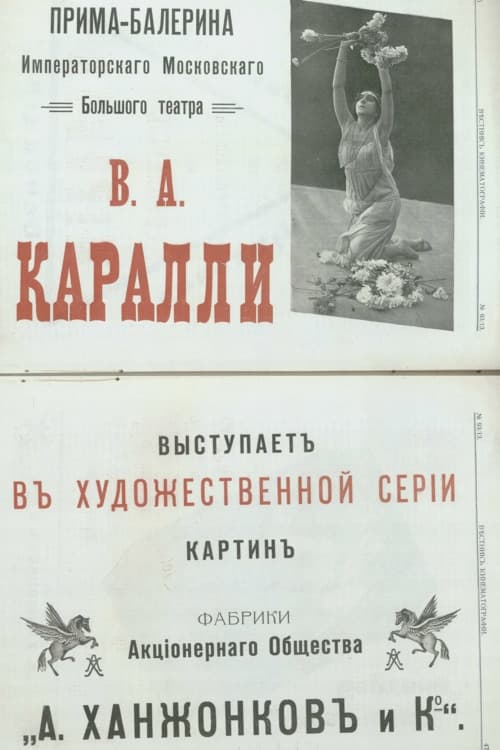
A tragic story of a ballerina.
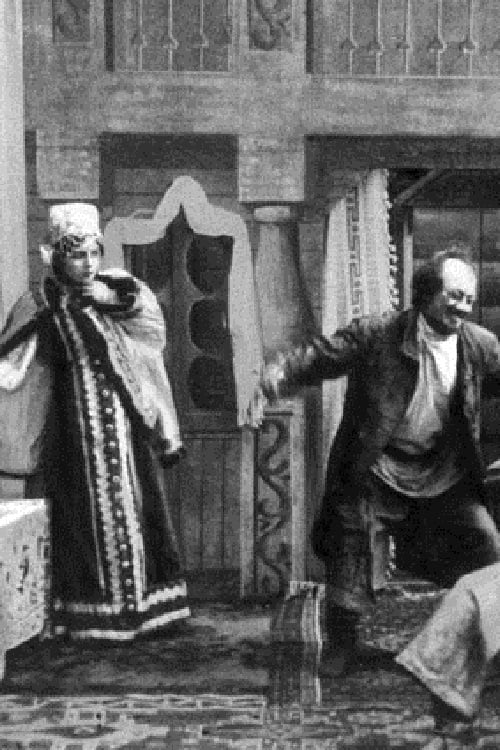
A dramatization of a wedding in 16th-century Russia, between members of two prominent boyar families (based on paintings by Konstantin Makovskii): Three matchmakers first visit the family of the prospective bride, and then do the same with the prospective bridegroom's family. Later, as the time of the wedding draws near, the bride is dressed with great formality and prepared for the ceremony, as the guests get ready to celebrate the upcoming wedding.
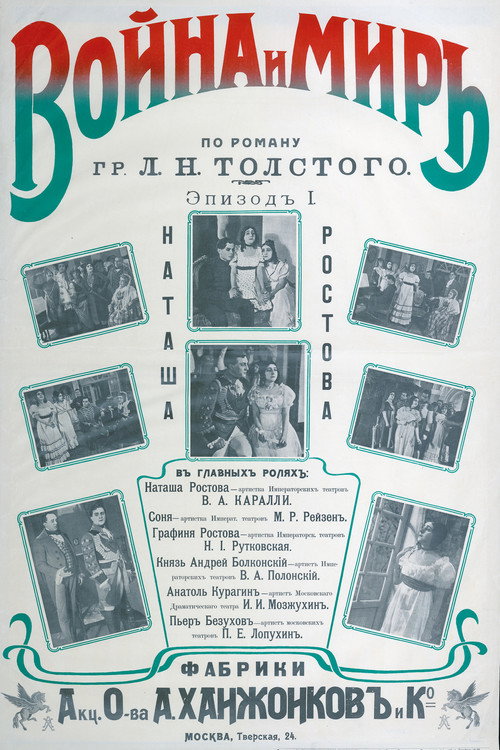
Lost film based on Leo Tolstoy's story from War and Peace novel.
The first Ukrainian adventure detective story. The action takes place in Odesa in 1920, occupied by Denikin's troops. The White Guard counterintelligence conducts a fruitless search for the Bolshevik agent "7+2". The search is led by officer Enger. Dizzying races, disasters, and murders further confuse the agent's trail. It is only with the arrival of the Bolsheviks that the case is solved. Incompletely preserved
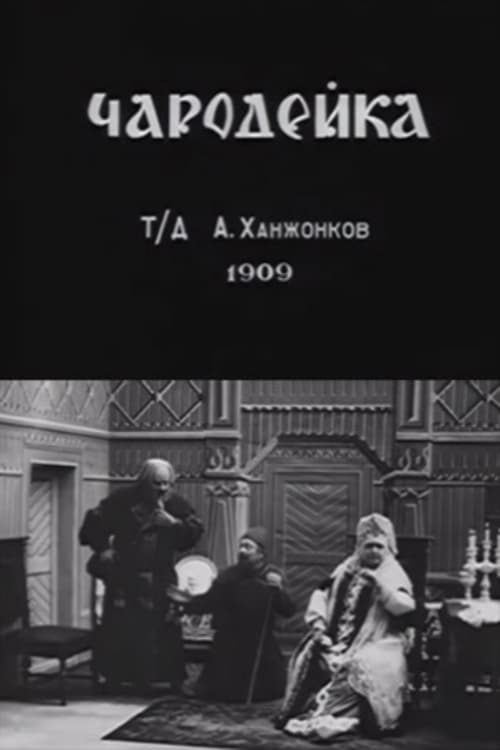
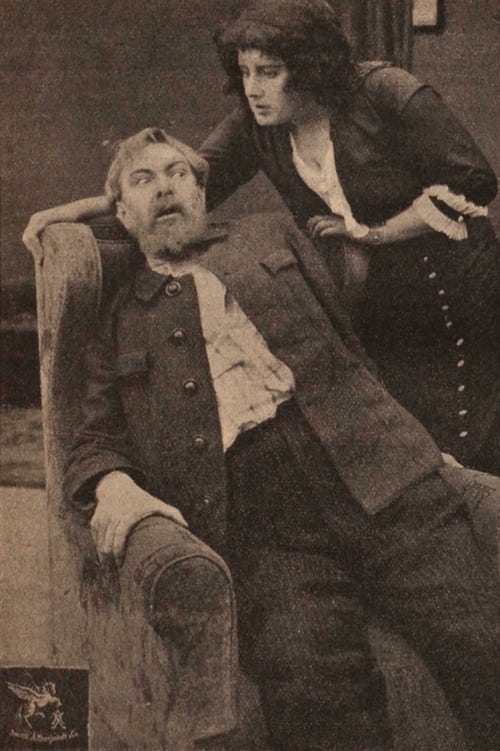
This tragedy depicts a father and son in love with the same woman, who is an enchantress. She keeps them both in subjection with her charms, butthe mother and wife of the victims kills the seducer. However, both the father and the son are severely affected by her actions, which they cannot forgive.
A historic milestone in Russian cinema, recognized as the very first film adaptation of Fyodor Dostoevsky's famous 1869 novel.
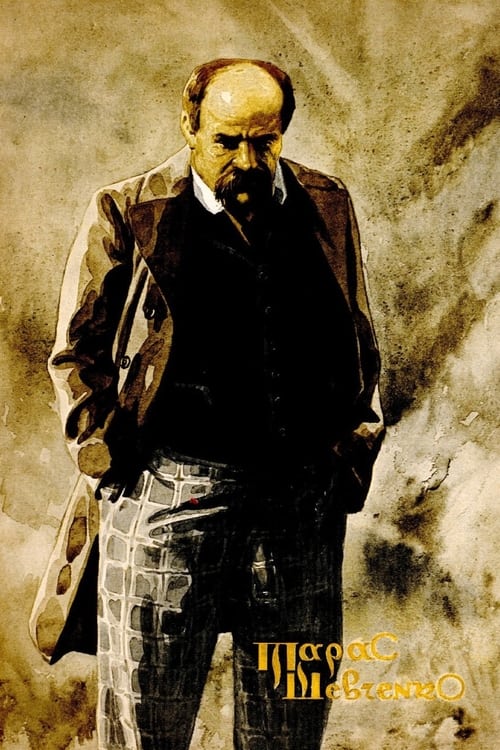
The film adaptation of Taras Shevchenko’s biography of 1925 is the first Ukrainian biopic. At that time, it was one of the most expensive films, as for the first time experts in history, ethnography, and literary studies were involved in pre-production. Consisting of numerous short stories, the film that shows the life of Shevchenko as an adolescent, a soldier, a poet, was successfully demonstrated in Ukraine and abroad and became the most acknowledged cinema project of 1926.
Based on the drama by Dmitry Averkiev. The reign of Tsar Ivan Vasilyevich the Terrible. Boyar Vorotynsky loudly expresses his indignation at the untruth. Many agree with the boyar in their hearts, only Malyuta hates him and dreams of revenge. Having whispered to Grozny about Vorotynsky, he receives an order to arrest him.
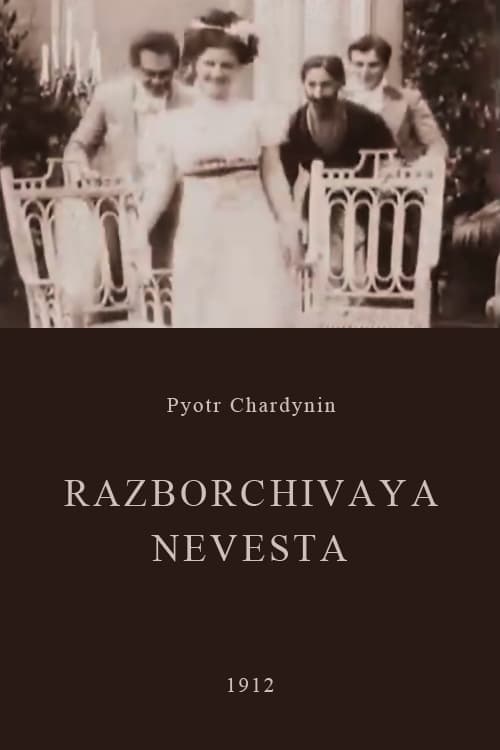
About a young pretty bride, who cannot choose between all the grooms that circles around her...
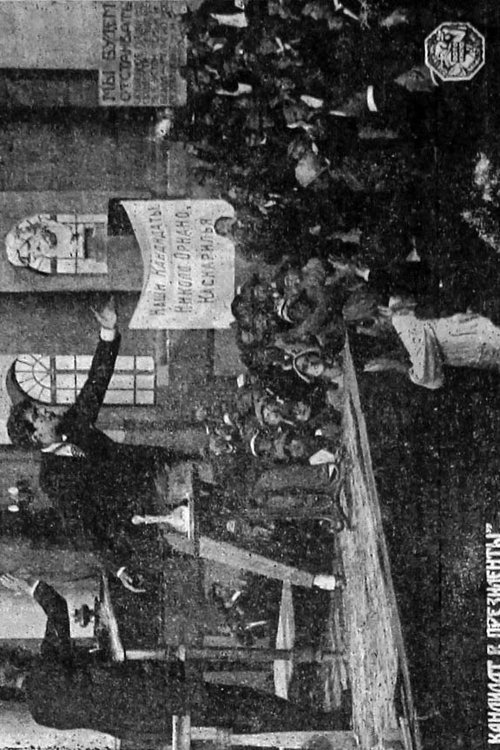
Based on the novel "Three Thieves" by Italian writer Umberto Notari. The banker's wife Ornano gives the key to her house to her lover Count Guido. The swindler Cascariglia uses this situation in his own way - he steals three million in money and his wife from the banker. In order to recover at least part of the stolen money (perhaps only the first part), the banker helps the adventurer get elected to parliament.
Film adaptation of excerpts from Nikolai Gogol's novel of the same name. Only two episodes are recreated faithfully: Chichikov's visit to Sobakevich and Chichikov's visit to Plyushkin. These episodes are followed by a series of scenes in which other characters appear without any connection with the plot. In the finale, everyone is photographed next to the bust of Gogol.
After a lethargic dream, the general of the Tsarist army finds himself in Soviet Russia in 1927. Lost movie.