Art
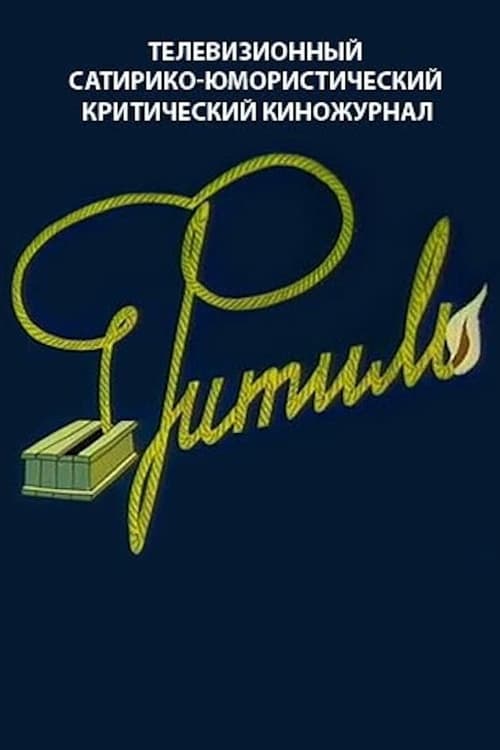
Fitil is a popular Soviet/Russian television satirical/comedy short film series which ran for about 500 episodes. Some of the episodes were aimed at children, and were called Фитилёк, Fitilyok, Little Fuse. Each issue contained from the few short segments: documentary, fictional and animated ones. Directed by various artists, including Leonid Gaidai who presented his famous trio of Nikulin, Vitsin and Morgunov into the cast. It was called in USSR as "the anecdotes from the Soviet government".
No description available.
The film tells the story of the tragic fate of a young girl - the daughter of a clergyman, the Soviet partisan. The action takes place in Lviv on the eve of and during World War II.
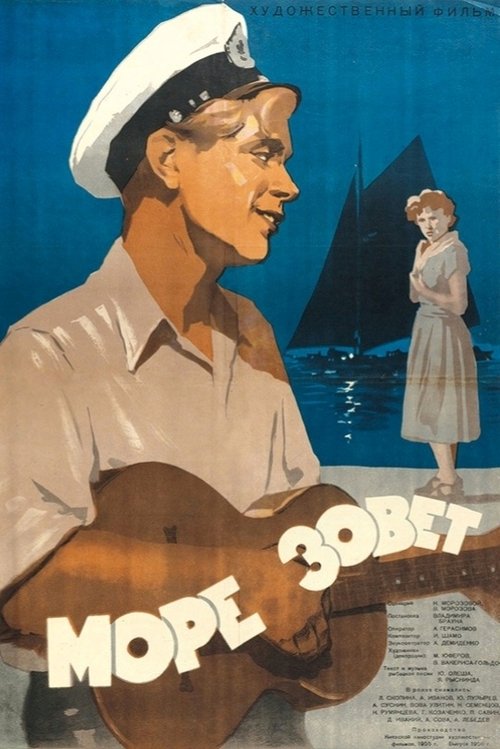
The crew of a soviet cargo falls prey to an act of piracy in waters between China and Taiwan, and are taken to Taiwan where they are pressured into stating they chose to go into the free world.
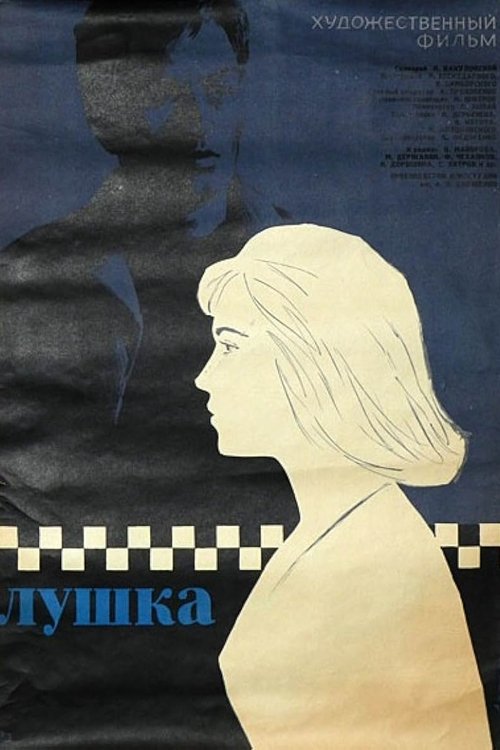
The taxi driver Lushka falls in love and, for the sake of that love, is ready to change her life just to be close to the man she loves. It turns out that her chosen one is a criminal. Yet she does not rush to lose hope. Now she understands that, for the sake of love, she must change another person – and she's going for it.
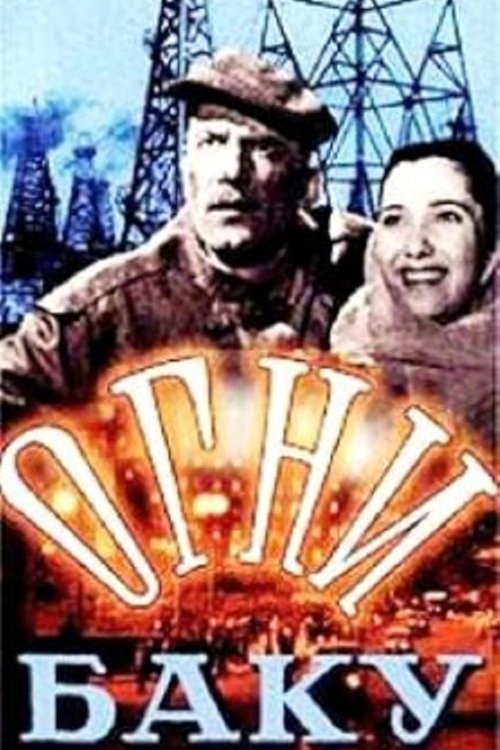
Dedicated to the development of the oil industry of Soviet Azerbaijan in the background of the first half of the twentieth century, including their selfless work in strengthening the economic and military might of the USSR.
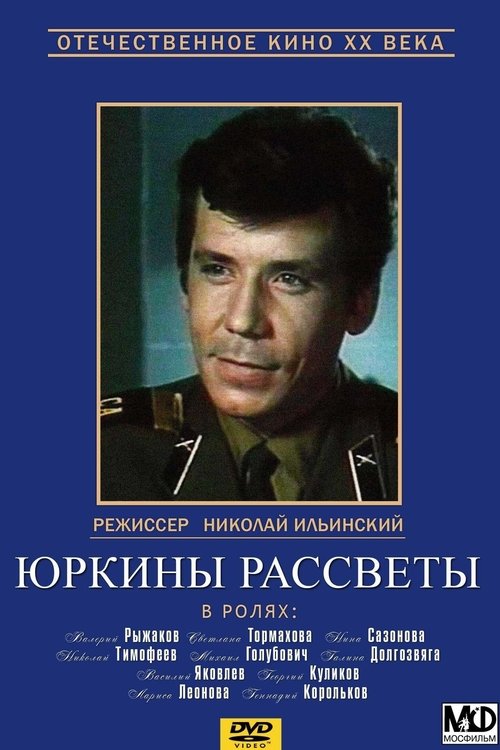
A story about the working life of rural youth in the 1970s. About the conflict between young specialist Yuri Khmel and the chairman of the collective farm, and his young wife Zhenya with her mother-in-law.
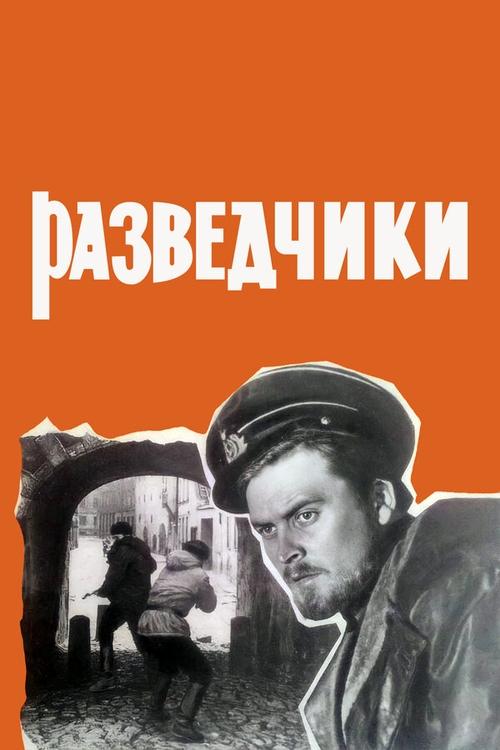
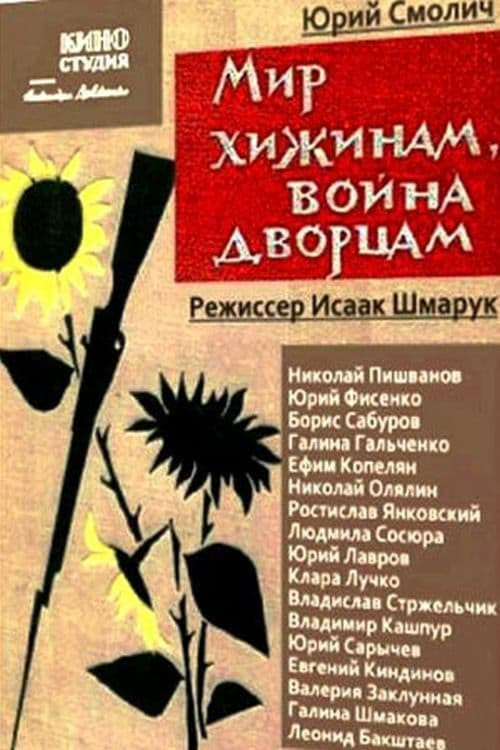
WWII, 1945. There are fights for the city on the Danube. The river is mined by the Germans, and this fetters the action of our troops. In addition, a city with a million people was left without food. And downstream are Soviet food barges. The command instructs the reconnaissance group a difficult and dangerous operation — to obtain from the enemy a map of the mined sections of the river, which requires penetrating into the city captured by the Germans.
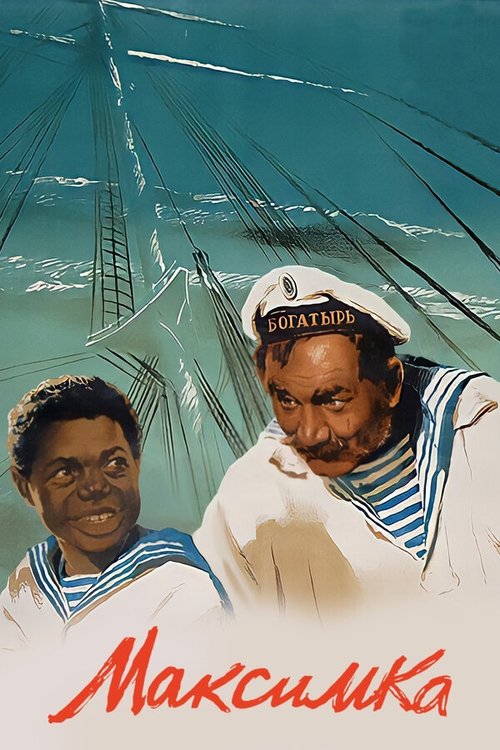
A black child rescued from by Russian sailors, whom they name Maksimka, having overcome his fear of white people, turns out to be an unusually smart and kind little boy. The rude drunken sailor Ivan Luchkin was especially attached to the boy. Once it was Maksimka who managed to save Luchkin from foreign recruiters of labor. For resourcefulness and courage, the young hero is enlisted in the team of the corvette and becomes the cabin boy of the Russian fleet.
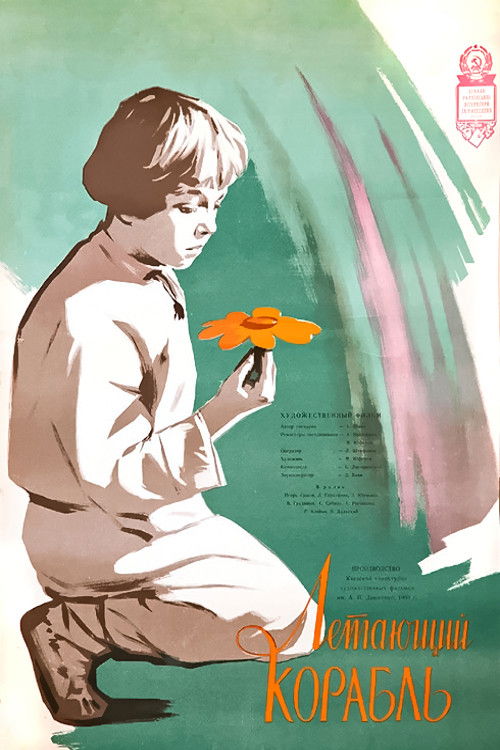
Ukrainian folk tale. The hero of the story, Kotigoroschko sets off on an arduous journey to find his sister Olenka, who has been kidnapped by an evil dragon. Dangers lurk everywhere. Everywhere the submissive servants of the dragon fight him, but again and again, good-hearted people help the brave young knight survive the adventurous journey: they give him a sword, life-giving water and a flying ship. Finally Kotigoroschko enters the realm of the dragon...
A Soviet propaganda miniseries about the Bolshevik coup in 1917-18. Along with the portrayal of fictional characters, the film recreates the images of historical figures from this period.
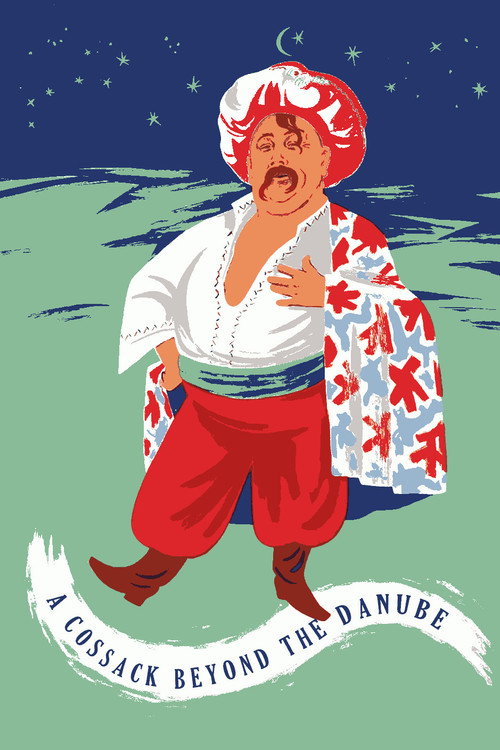
A Ukrainian comic opera with spoken dialogue in three acts with music and libretto by the composer Semen Hulak-Artemovsky (1813–1873). The orchestration has subsequently been rewritten by composers such as Reinhold Glière and Heorhiy Maiboroda. This is one of the best-known Ukrainian comic operas depicting national themes.
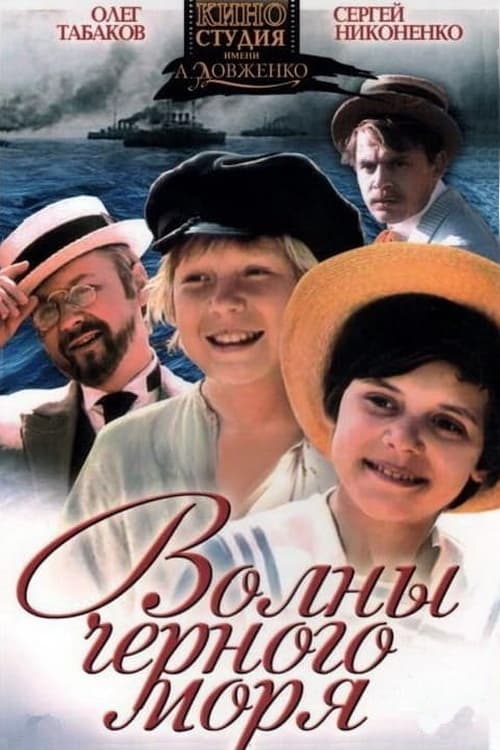
The Odesa boys, Petya Bachey and Gavrik Chernoivanenko, are brave and resourceful, finding themselves at the centre of early 20th-century events leading to the October Revolution. They are joined by adult characters like sailor Rodion Zhukov, Petya’s father Vasily, Madame Storozhenko, and Gavrik’s grandfather. As they grow, they experience the revolution, civil war, and become underground fighters during WWII in occupied Odesa.
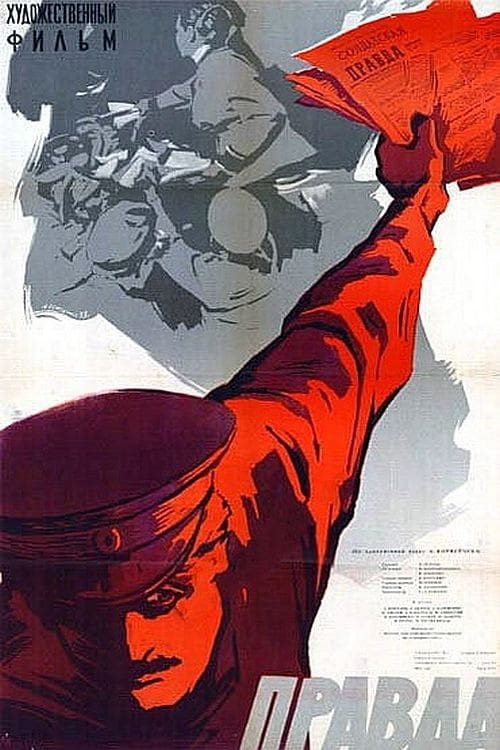
The February Revolution did not bring the desired peace to the trenches. Russian and Ukrainian soldiers, deceived by Kerensky's government, are dying on the slopes of the Carpathians. But the words of Bolshevik truth penetrate the trenches, and the soldiers refuse to go to the slaughter. Among the front-line soldiers returning home is a young Ukrainian named Taras Holota. He dreams of joyful reunions, but instead attends the funeral of his mother, who was killed by the Haidamaks. The landless peasantry is starving, and Golota rallies his fellow villagers to divide up the landowners' fields...
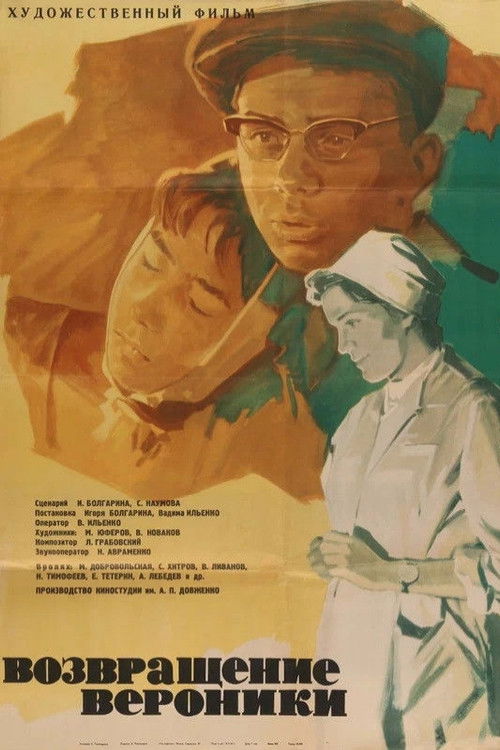
After graduating from the institute, Veronica worked for three years in a hospital in a remote virgin village. And then she decided to return to Kiev to continue her studies in residency and be closer to Vadim, whom she loves.
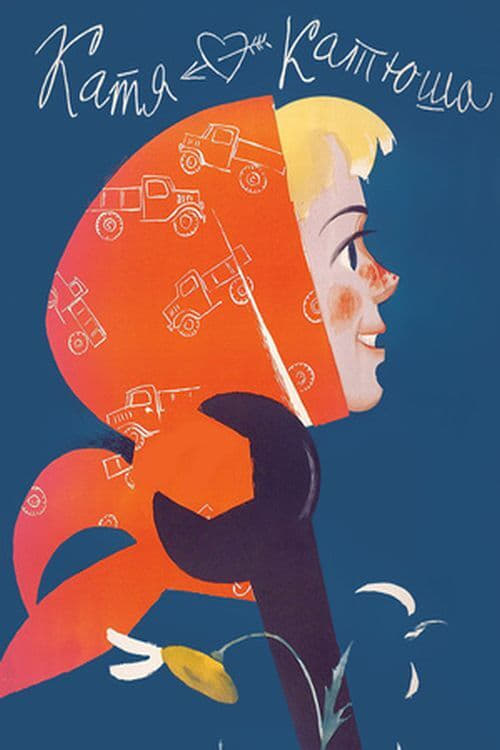
Katya and Grisha lived in a big city. Grisha was older than Katya, but he respected her and did not hide his secrets from her. And I did not notice at all how the girl was growing up and how completely different feelings were born to her.
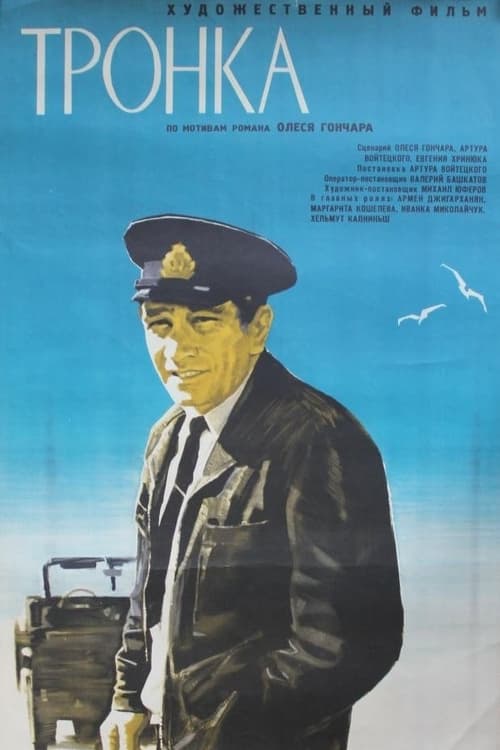
A tronka, a sheep bell made from a trophy shell casing, symbolises peace from war. In the Ukrainian steppe, where shepherds use tronkas, a military training ground exists. Major Uralov, an officer, marries a local woman, and they have a daughter, Alenka, who dies. After her death, the Uralovs leave the steppe with the military unit, enduring their grief but remaining unbroken. Based on a novel by Oles Honchar.
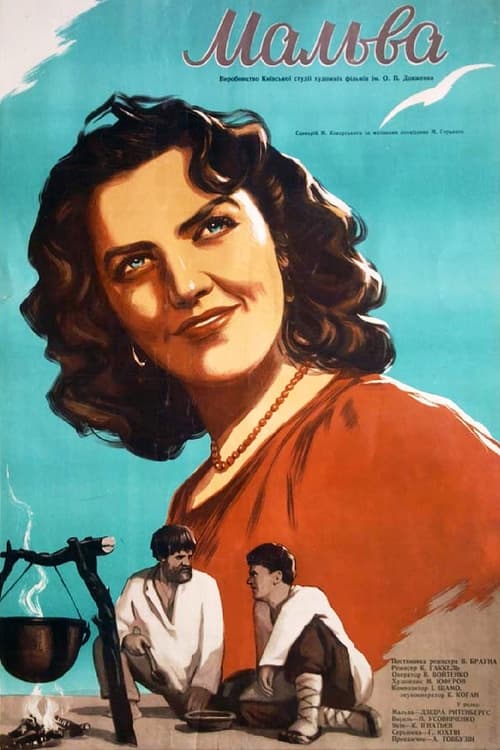
Unwilling to dedicate herself to her husband, the restless wife of a provincial village fisherman seeks out love from every man she meets. This results in a romantic triangle that is at once disarmingly simplistic and intensely dramatic.
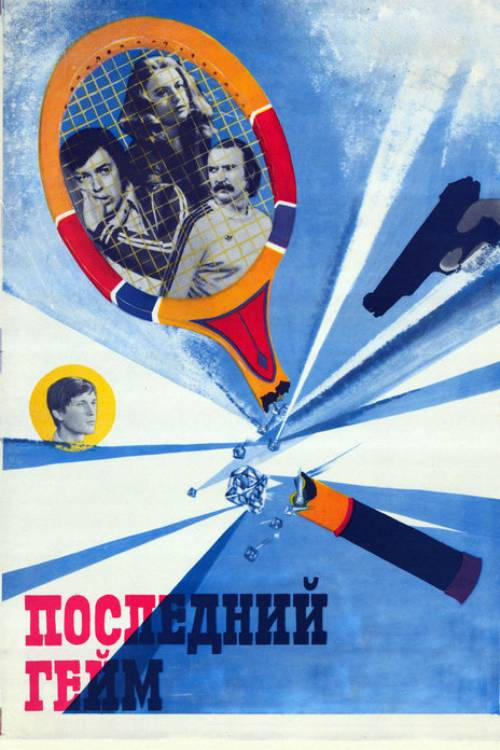
After a long absence, Igor Balagura returns to his hometown. After learning about the suicide of his friend Stas Olenich, a promising scientist and talented tennis player, the hero begins his own investigation...
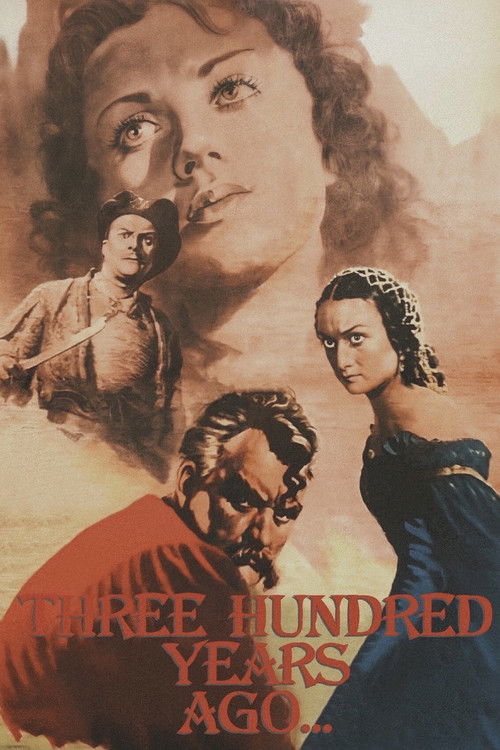
In the middle of the 17th century, Ukrainian peasants and Cossacks rose up to fight against the Polish gentry rule. About the events of the National Liberation War in Ukraine under the leadership of Bohdan Khmelnitsky, who with a firm hand led the insurgent masses to an alliance with Russia.