Acting
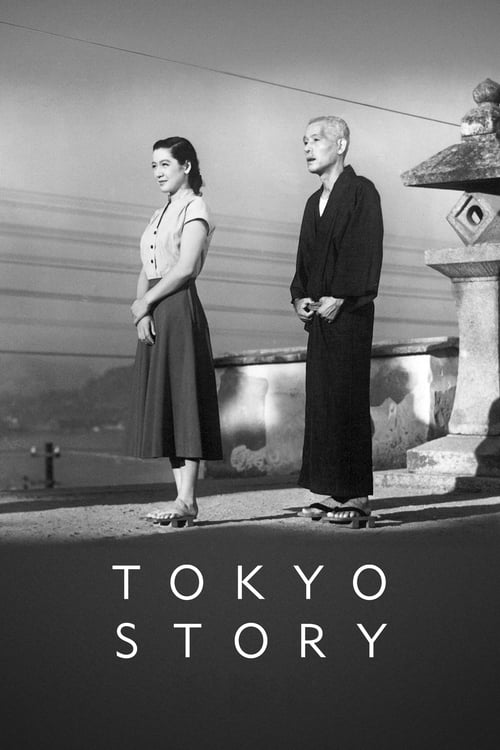
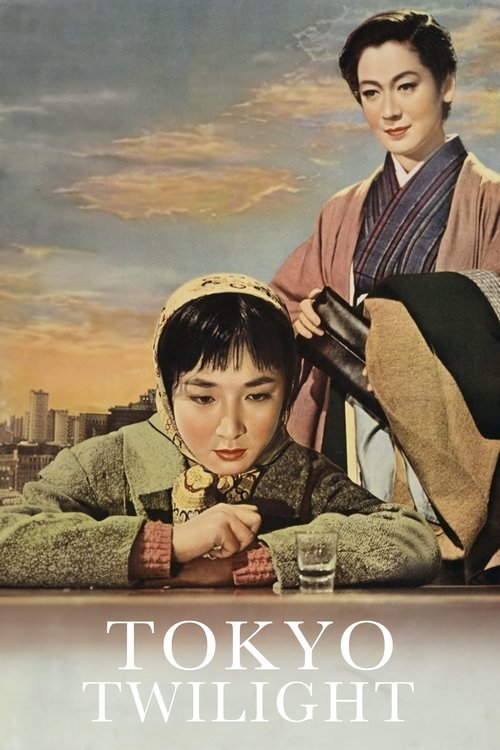
The elderly Shukishi and his wife, Tomi, take the long journey from their small seaside village to visit their adult children in Tokyo. Their elder son, Koichi, a doctor, and their daughter, Shige, a hairdresser, don't have much time to spend with their aged parents, and so it falls to Noriko, the widow of their younger son who was killed in the war, to keep her in-laws company.
No description available.
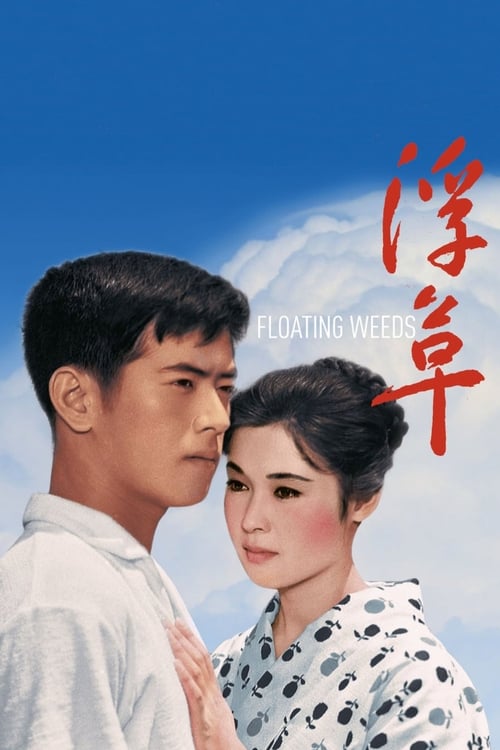
Wataru's outwardly liberal views on marriage are severely tested when his daughter declares her love for a coworker and is adamant to live her own way, instead of agreeing to an arranged marriage. Outwitted by his female relatives, Hirayama stubbornly refuses to admit defeat.
Two sisters learn about the existence of their long-lost biological mother, but the younger is unable to accept the fact that she was abandoned as a child.
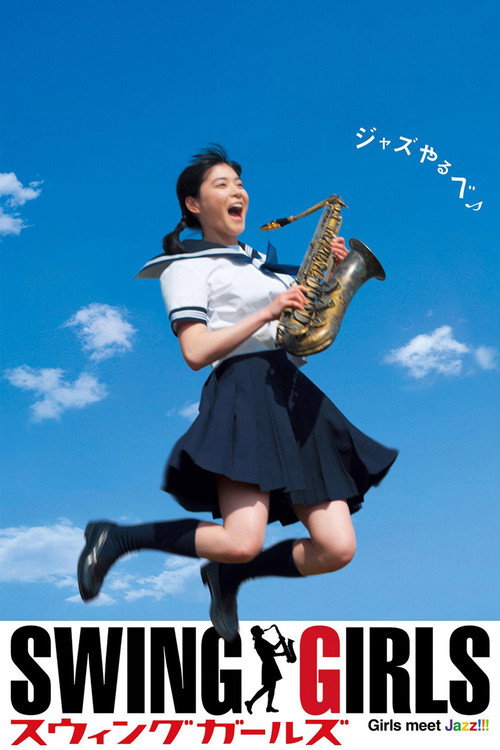
A group of delinquent high school girls form a band when they accidentally poison their school's brass band and have to replace them.
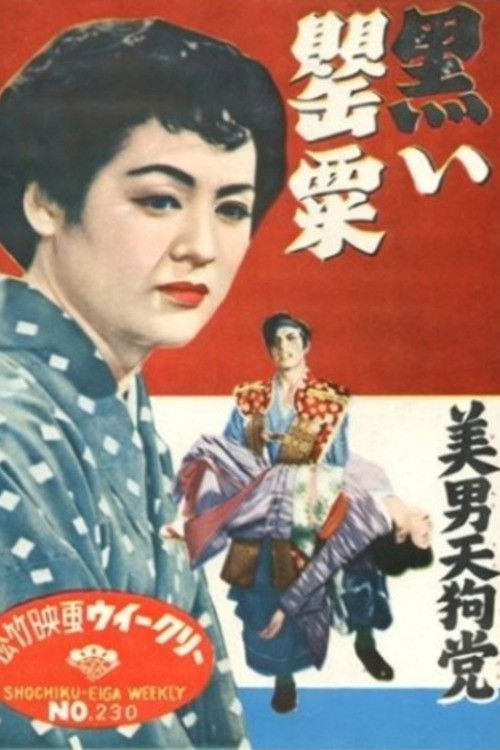
During the tumultuous end of the Tokugawa shogunate, the Tengu Party rose in rebellion in Mito. Friends from their hometown, Tanaka Genzo and Fujita Koshiro, each walked different paths. Koshiro, who upheld the philosophy of "Revere the Emperor, Expel the Barbarians," became a leader of the Tengu Party, taking refuge in the mountains. Genzo, however, did not have any particular ideological stance.
Just after WW2, a romance between an innkeeper and a man with tuberculosis unravels near a thermal spring.
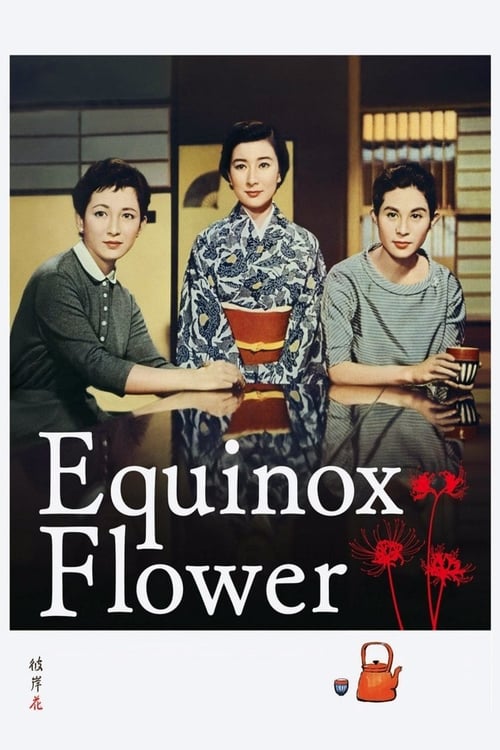
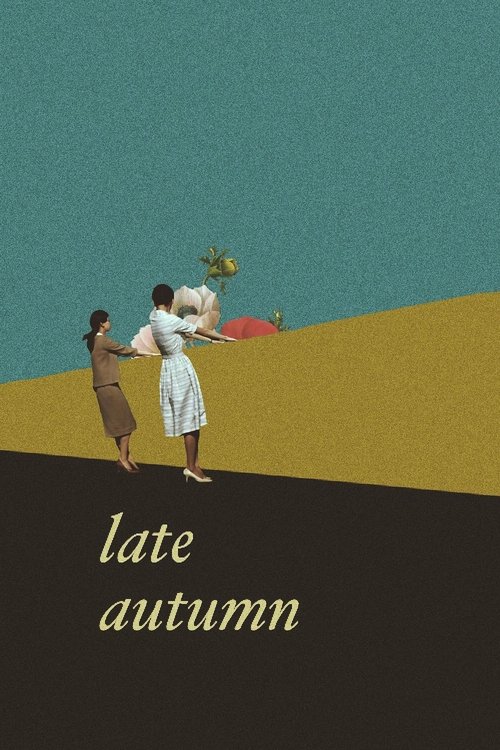
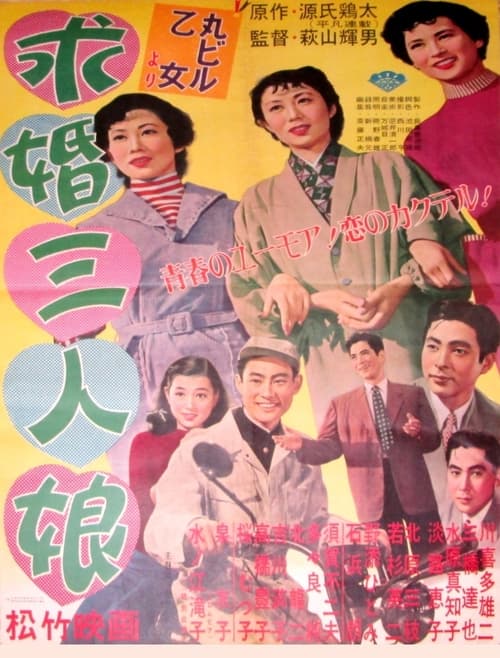
A woman and her daughter are each forced to contend with an increasing pressure to marry, particularly from three men who knew her late husband.
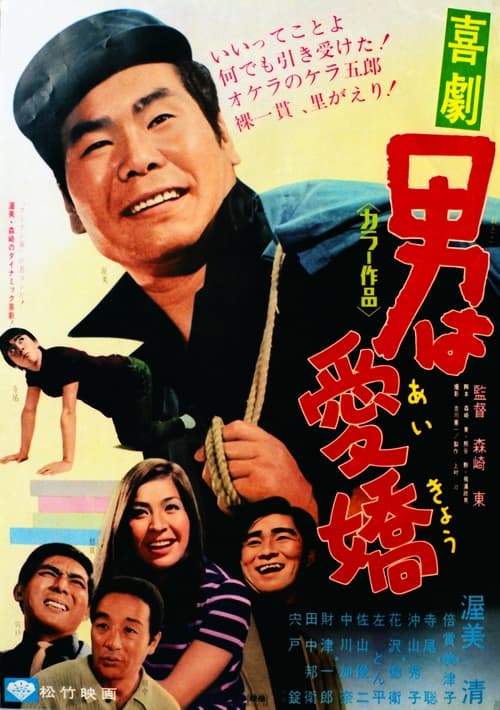
One day, when Goro (Kiyoshi Atsumi) returns to his poor tenement house from a trip on a deep-sea tuna boat, his neighbor's daughter Haruko (Mitsuko Baisho) also returns from the juvenile classification center on the same day. However, at a welcome party held by Goro for Haruko, a drunk friend crashes into Haruko's house with a dump truck and is forced to leave. Goro plans to marry Haruko to a rich man and force her to pay dowry, but...
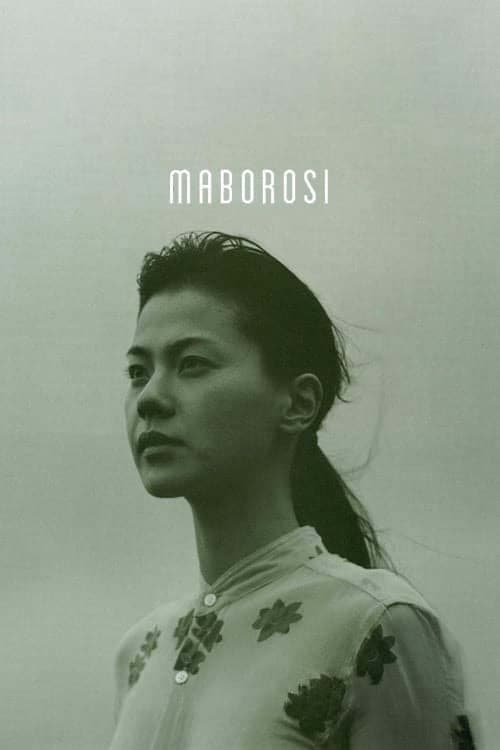
A tragedy strikes a young woman's life without warning or reason. She continues living while searching for meaning in a lonely world.
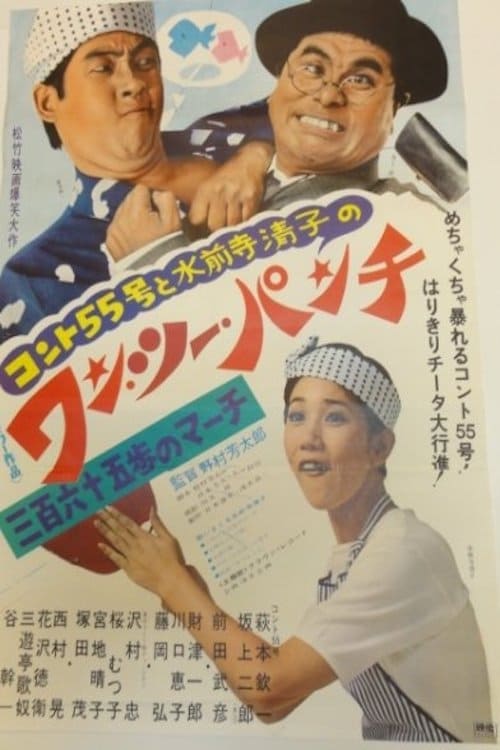
Two men succeed in opening a joint restaurant after hilarious troubles.
An extremely lovely tribute to Ozu, on the 20th anniversary of his death. It uses a combination of footage from vintage films and new material (both interviews and Ozu-related locations) shot by Ozu's long-time camera-man (who came out of retirement to work on this). Surprisingly (or perhaps not), it focuses less on Ozu's accomplishments as a film-maker than on his impact on the lives of the people he worked with..
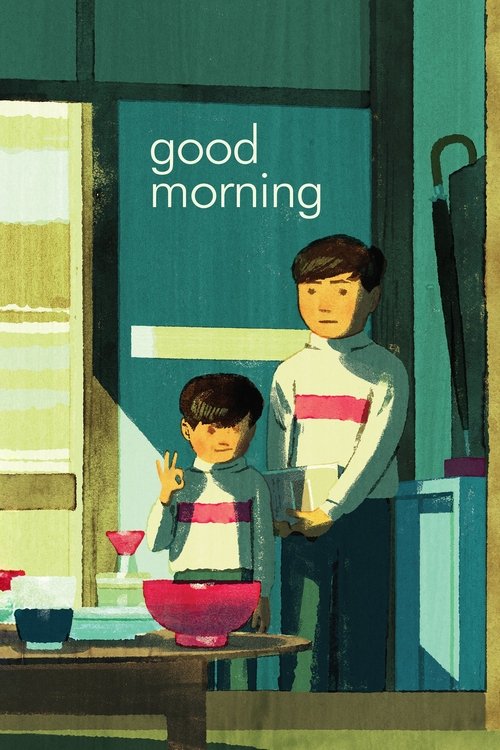
Two boys beg their parents for a television set, nagging them until all patience is lost. The parents order the boys to be quiet and the boys do exactly that--refusing to utter a word. The boys' silence ultimately puts the whole neighborhood into turmoil.
1954 Japanese movie
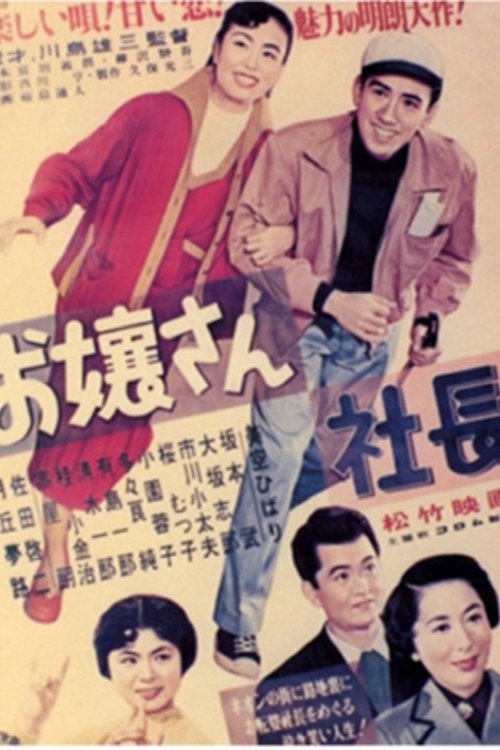
A President of the confectionery company announced his retirement, and his sixteen year old granddaughter, Madoka was ordered to be a new head. But Madoka wants to be a stage dancer, so she won't concentrate her office job. Madoka meets Akiyama, a stage director. Akiyama introduce her to his neighbors. In among poor but open minded people, Madoka has changed. Her new ambition is her company provide nice sweets for children. She decide to focus on the office job. But she doesn't know that company executives has conspiracy against her...
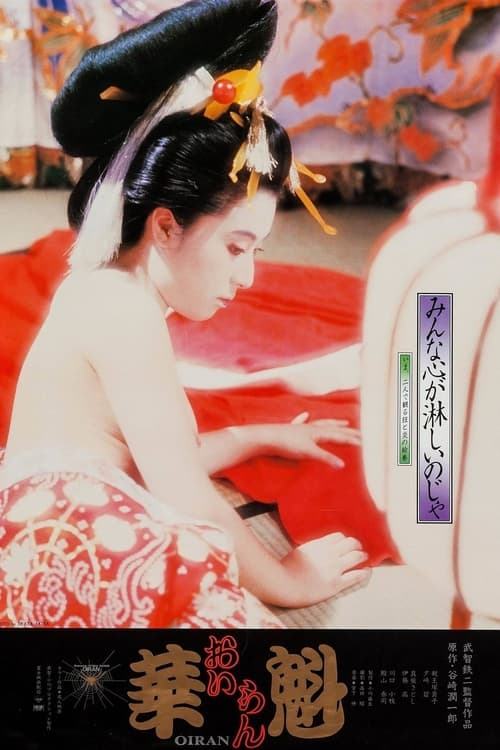
Ayame, a courtesan, attracts the attention of street vendor Kisuke and decides to run away with him to America. Unfortunately, a crazed tattoo artist is obsessed with Ayame's perfect skin as a potential canvas, so he kills Kisuke to keep Ayame in Japan. Later, Ayame is sold to a brothel in Yokohama. Kisuke's ghost possesses her, causing his image to appear tattoo-like on her skin whenever she has sex.
A theater troupe master's visit with his old flame unintentionally sets off a chain of unexpected events with devastating consequences.
1956 Japanese movie
1962 Japanese movie