Andrea Tonacci
Directing
Biography
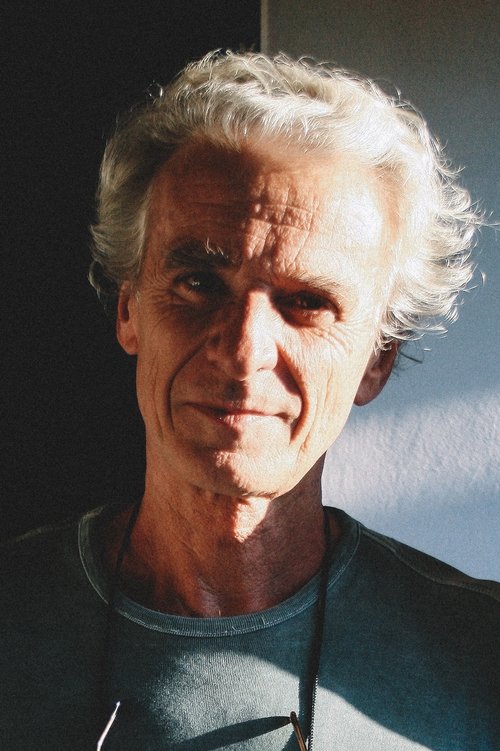
Andrea Tonacci (Rome, 1944 - São Paulo, 2016) was an Italian-Brazilian filmmaker, considered one of the main figures of the Cinema Marginal movement of underground filmmaking in 1970s Brazil. He moved with his parents to São Paulo when he was 11 years-old. A few years later, he studied Architecture and Engineering at the Presbiterian University of Mackenzie, but dropped both careers to purchase his dream of becoming a filmmaker. His first feature-lenght film, "Bang-Bang" (1971), was recieved with mixed opinions by the Cinema Marginal movement and was screened at the Director's Fortnight at the Cannes Festival. In 2006, his film "Serras da Desordem" got him the Kikitos for best photography, best picture and best director at the Gramado Festival of Brazilian Cinema. In 2010, he was given the Order of Cultural Merit, highest honor of the Brazilian Government to personalities who contribute to the development of Brazilian identity and culture. He passed away in December 16, 2016, a victim of pancreatic cancer.
Known For

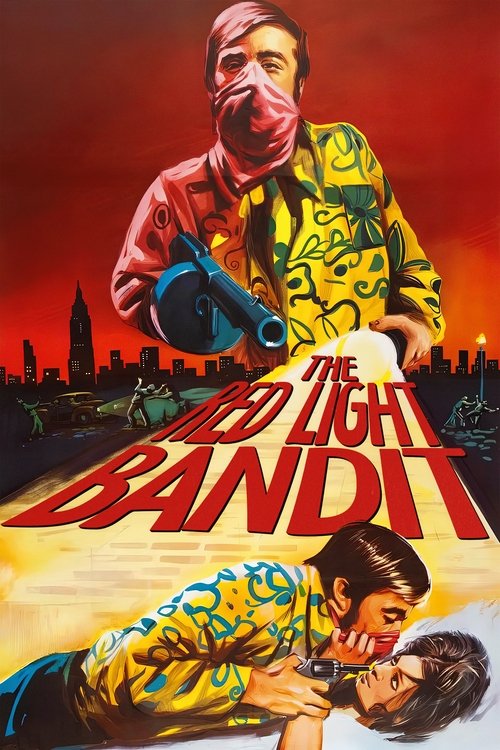
Born and raised in the misery of Brazilian slums, Jorge becomes a luxury house burglar in São Paulo and gets nicknamed "The Red Light Bandit" by the sensationalist press. In addition to wearing a red flashlight, he talks to his hostages in an irreverent tone and makes bold breakthroughs to later spend the money extravagantly. His world is the decadent neighbourhood of Boca do Lixo.
The Red Light Bandit

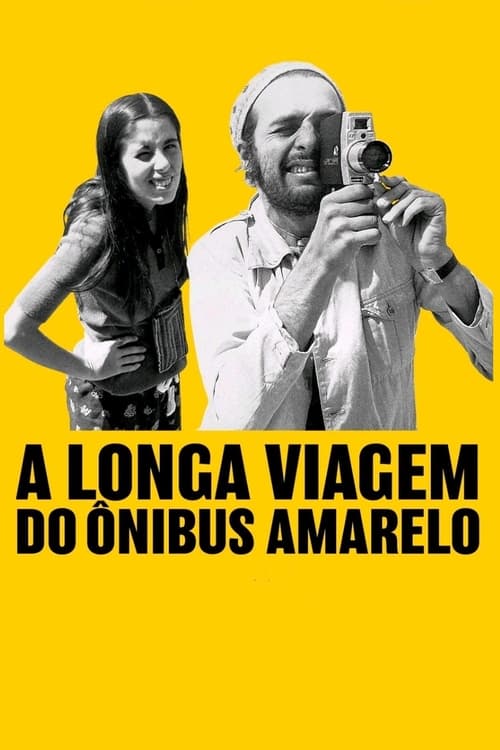
For this behemoth, Bressane took his opera omnia and edited it in an order that first adheres to historical chronology but soon starts to move backwards and forward. The various pasts – the 60s, the 80s, the 2000s – comment on each other in a way that sheds light on Bressane’s themes and obsessions, which become increasingly apparent and finally, a whole idea of cinema reveals itself to the curious and patient viewer. Will Bressane, from now on, rework The Long Voyage of the Yellow Bus when he makes another film? Is this his latest beginning? Why not, for the eternally young master maverick seems to embark on a maiden voyage with each and every new film!
The Long Voyage of the Yellow Bus

The tensions experienced by three different people during the military dictatorship in Brazil: a politician, a revolutionary and a common citizen.
BLABLABLÁ
No description available.
Mais Luz
No description available.
Castelar e Nelson Dantas no País dos Generais

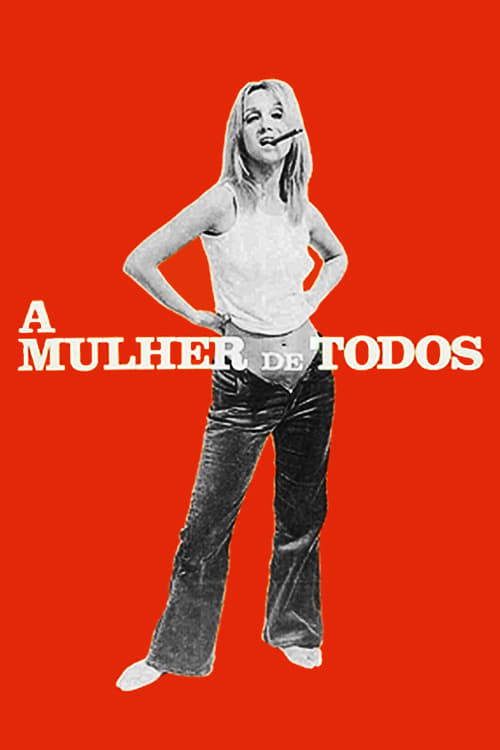
Ângela Carne e Osso (Angela Meat and Bone), a young nymphomaniac, lives surrounded by delinquents, and exerts intense allure on them, dominating them all with her erotic power.
The Woman of Everyone

Two young men decide to go to the cinema. However, since their tastes are very strict, they end up in a quarrel.
Documentário

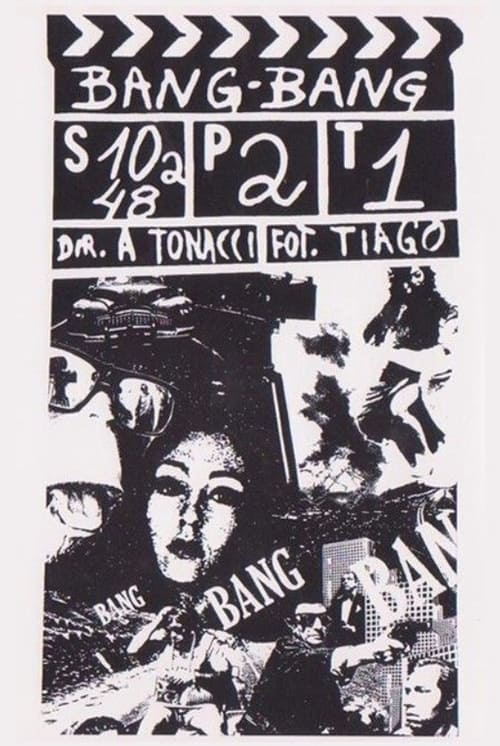
An anonymous urban protagonist experiences a series of absurd situations--including a crazy cab ride, an encounter with a wacky criminal gang, and lots of gunplay--infused with a unique anarchic energy, eventually suggesting our true animal nature.
Bang Bang

Carapiru is a member of one of Brazil's remaining indigenous peoples, living in harmony with nature and making wise use of the local flora and fauna. But Carapiru is suddenly forced to fend for himself and flees into the nearby rain forest, building a new life for himself with the help some sympathetic settlers. However, after rebuilding his life Carapiru is uprooted once again, this time by government agents. A expressive visual storytelling in this study of the native peoples of Brazil in the 21st century.
The Hills of Disorder

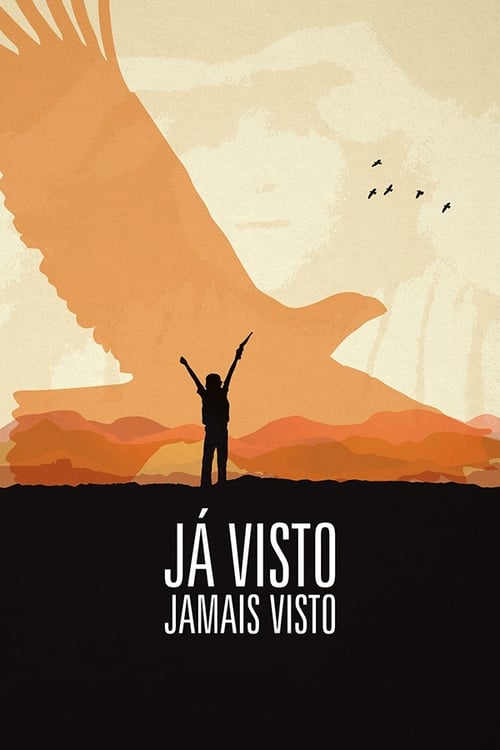
A dialogue between the auteur's memories and the images he shot and kept during his long film career - sketches of live that were never shown, never seen, never edited.
Seen, Not Seen

Religious beliefs linked to football.
Superstição e Futebol
No description available.
Diacuí, a viagem de volta

To start again, one has to destroy.
Young and Miserable or a Man Screaming Is Not a Dancing Bear

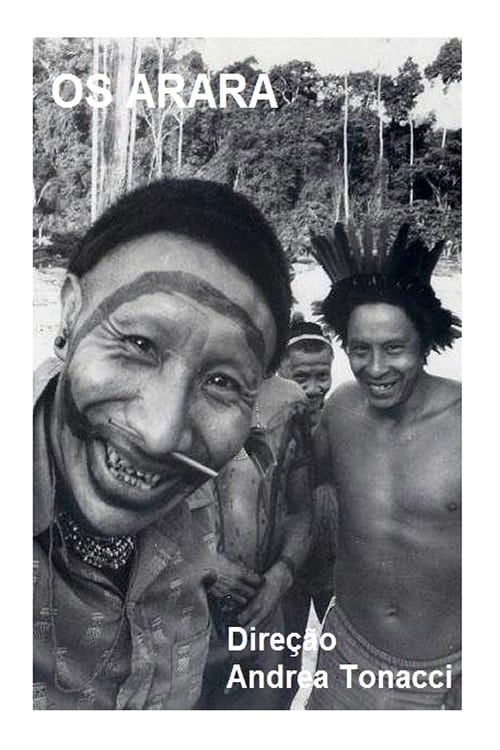
Documentation of the preparations and expeditions of the Frente de Atração Arara da Funai, in the state of Pará, Brazil. With the construction of the Transamazônica, the Arara territory (without contact with the white man) is cut in half, and the Indians react by attacking the workers. Aware that all contact is a creation of dependency, the sertanista Sydney Possuelo, who also reflexively narrates the documentary, leads the expeditions that aim to identify the groups, how many individuals there are, establishing territorial limits to protect the area against invaders and loggers in the region.
Os Arara

A reflection on books and culture through testimonies and images from the Rio de Janeiro's National Library. In this work commissioned by the Ministry of Culture, the director forgoes voice-over in favor of a polyphonic discourse, combining more informative speeches from representatives of institutions with speeches by, for example, Sérgio Sant'Anna and Lygia Fagundes Telles, who express, in a different tone, their passion and vocation for books.
Biblioteca Nacional

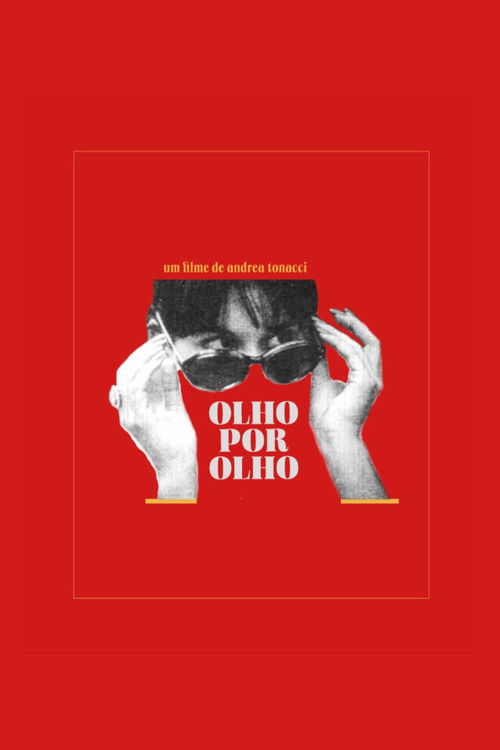
A group of middle-class friends driving around São Paulo choose one of the women as a bait to attract a victim, object of their alienation and moral aggressiveness.
Eye for an Eye

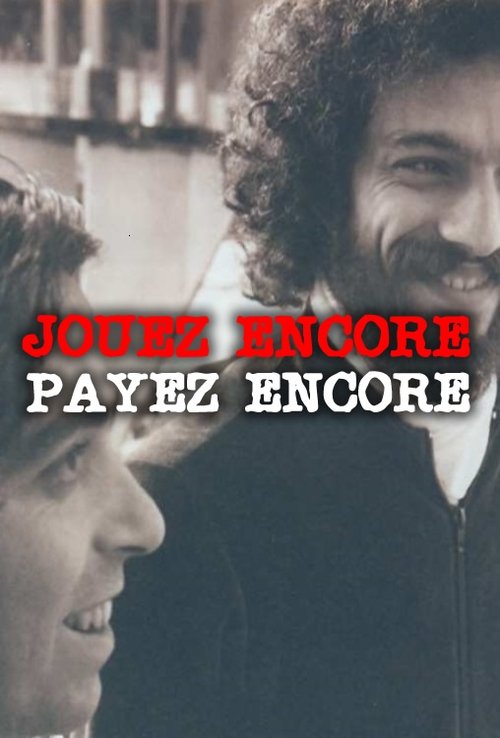
A film that records the rehearsals of a Brazilian theatre troupe directed by Victor Garcia, and then the conflicts that break out as they tour Iran and France with a performance of Calderon's autos sacramentales. A problem with a scenery prop sparks a crisis in the group and the film chronicles this disaster.
Jouez Encore, Payez Encore

Documentary about São Paulo samba musician Germano Mathias.
O Catedrático do Samba

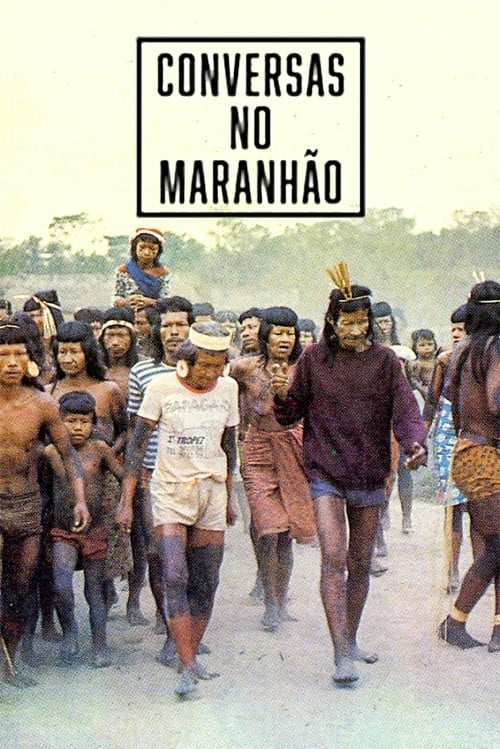
A documentary on the Canela Apãniekra (Timbira) community in Brazil. Showing their daily habits, political struggle, oral tradition and the formation of space in Barra do Corda, Maranhão.
Conversas no Maranhão

No description available.