Acting
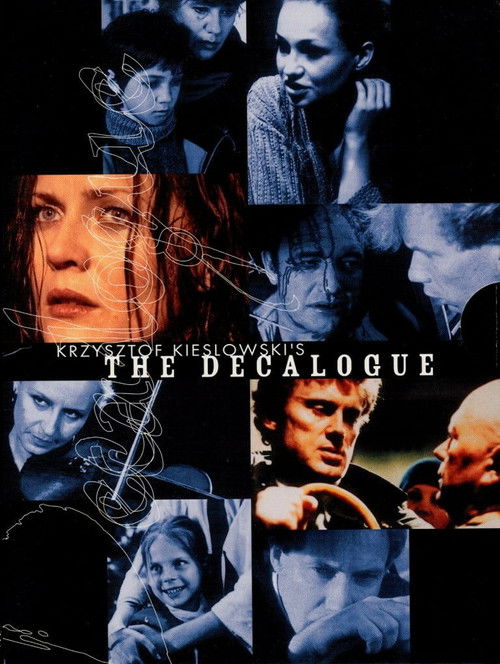
The Ten Commandments, exact and uncompromising, literally cast in stone, continues to provide a source of moral conflict in contemporary society. In the ten part collection of films, The Decalogue, Krzysztof Kieślowski examines the dilemma of fundamental sin in the lives of ordinary Warsaw citizens.
No description available.
The protagonist of this documentary is Gdańsk and its history. The story begins on the shore of the Baltic Sea, in a Pomeranian town on the European Amber Road. It ends in the contemporary Gdańsk Shipyard.
Jacek, an angry drifter, murders a taxi driver, brutally and without motive. His case is assigned to Piotr, an idealistic young lawyer who is morally opposed to the death penalty, and their interactions take on an emotional honesty that throws into stark relief for Piotr the injustice of killing of any kind.
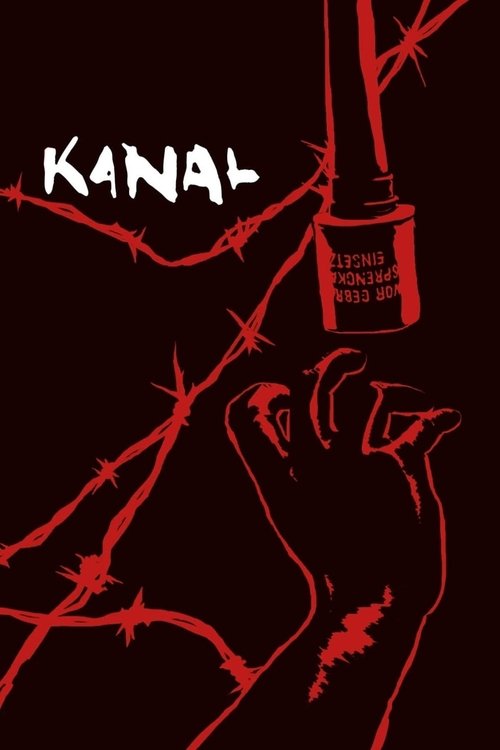
In the last few days of the Warsaw Uprising during World War II, a modest group of Resistance members remains. The band must take refuge in the sewers under the orders of leader Zadra, but it's only a matter of time before they will have to emerge. However, when they try, they are met only with intense hostility from the Nazis. Despite their attempts stay resolute through immense mental strain, it becomes increasingly apparent that they may be doomed.
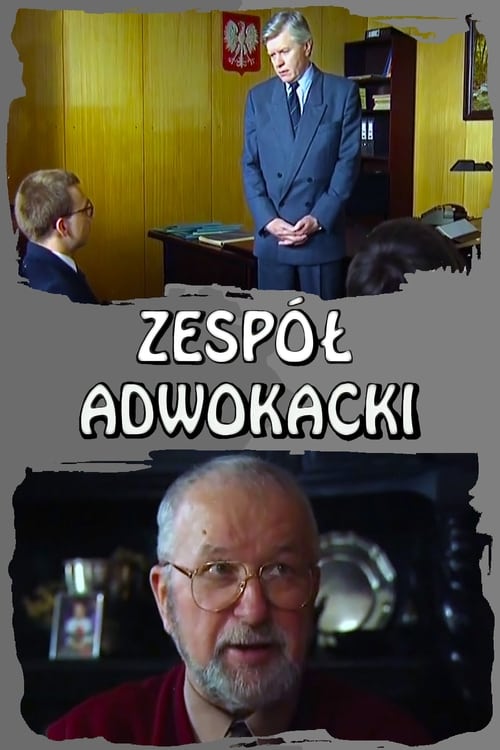
A story about the professional and personal struggles of the lawyers at a law firm in a town near Warsaw. In their work, they encounter a wide range of human problems, while often dealing with complicated family lives of their own.
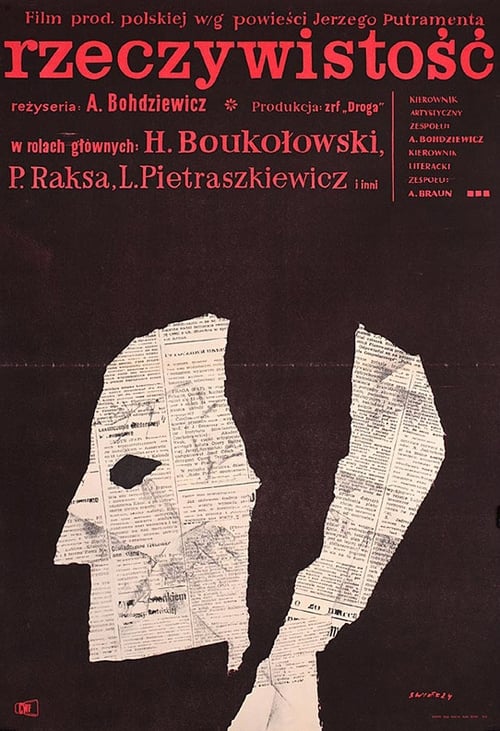
Wacław Urbin joins an exclusive club, learning the secrets of its members.
Two-part biopic about General Karol Świerczewski, living embodiment of the party line, and the group of party members from his hometown fighting the fascist forces towards the socialist state of affairs.
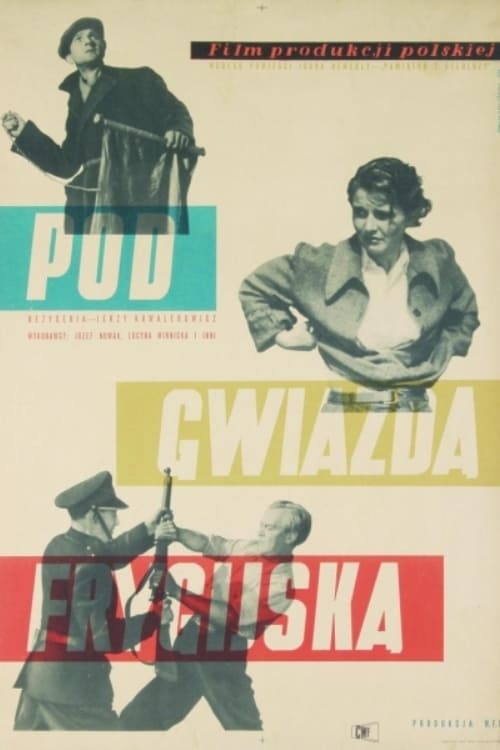
The 1937 trial of communist journalists, working for the same student magazine in Vilnius, is shown through the tragic life of the paper's young collaborator Julek Szulc.
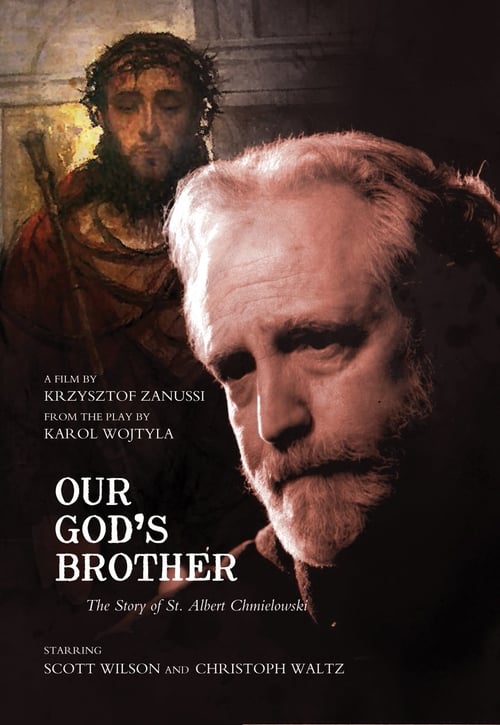
In this adaptation of an historical play by Pope John Paul II, painter Albert Chmielowski decides to devote his life to helping the homeless.
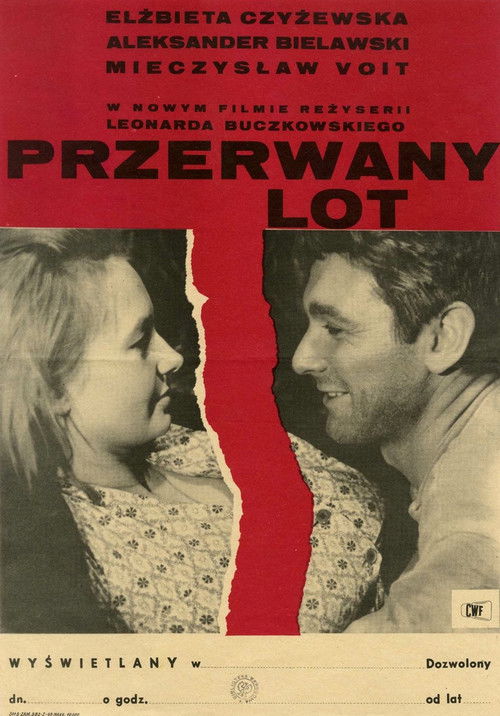
The reminiscences of a Russian pilot, shot down over Poland during the war, of his first great love there.
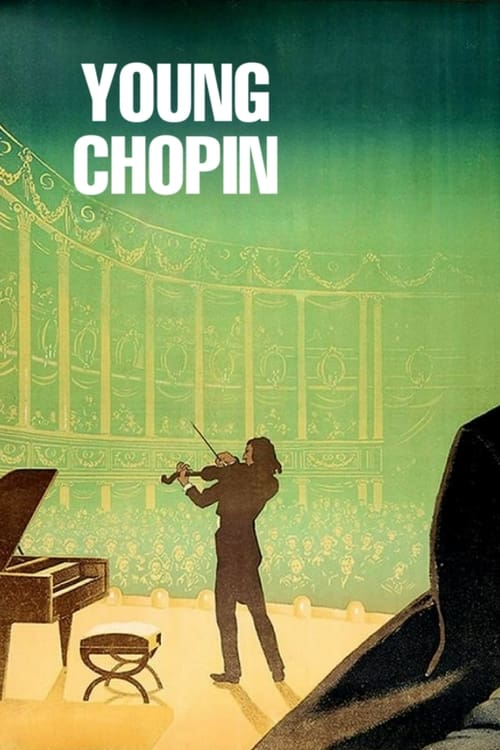
Young Frederic Chopin comes of age during a tumultous time in Polish history.
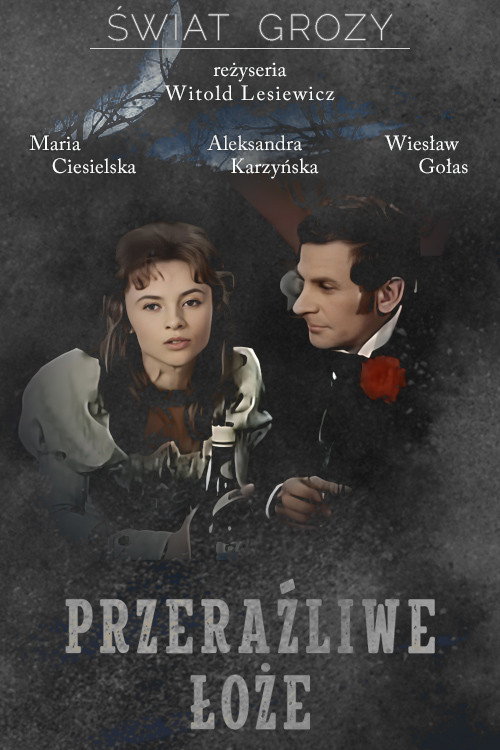
Selected episodes from a television series of thrilling stories based on works of world literature classics.
Tom arrives in a strange city, where he meets casino owners who are hiding a secret.
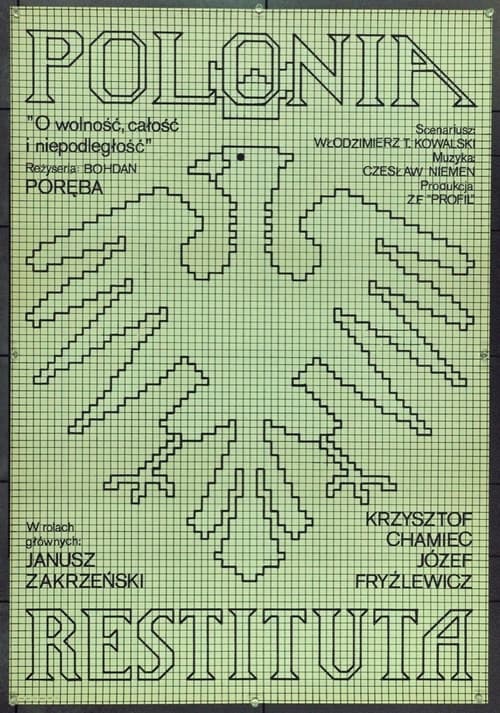
A two-part historical film covering the years of the First World War and the post-war period up to 1919 - until the signing of the peace treaty in Versailles near Paris. An attempt to show the great and complicated process of regaining an independent existence by a nation within its own state. The screen shows characters from history textbooks: Józef Piłsudski, Ignacy Paderewski, Roman Dmowski, Wojciech Korfanty as well as representatives of the world political scene, incl. David Lloyd George, Woodrow Wilson, Georges Clemenceau, Vladimir Lenin and others.
A film biography of Maria Skłodowska-Curie and Pierre Curie.
Communist Szczęsny juggles between his revolutionary activities and love to a fellow party member Madzia in this sequel to "Cellulose".
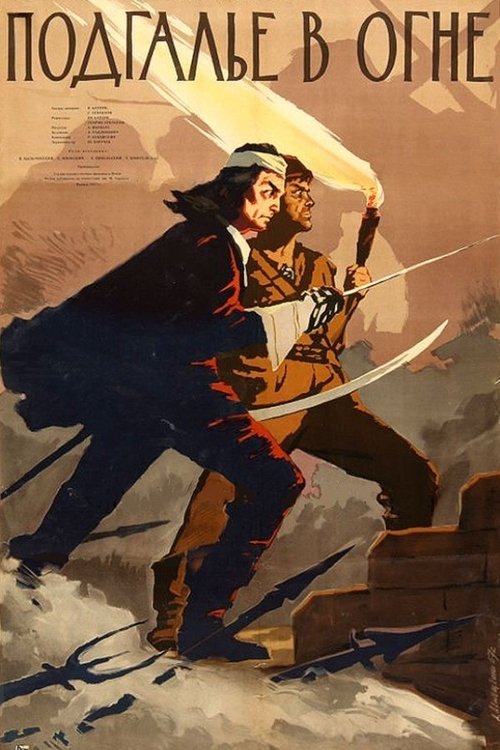
Podhale, 17th century – the story of an anti-nobility peasant rebellion led by Aleksander Kostka Napierski.
A TV special - host Irena Dziedzic interviews notable figures of Polish history at the Wawel Castle.
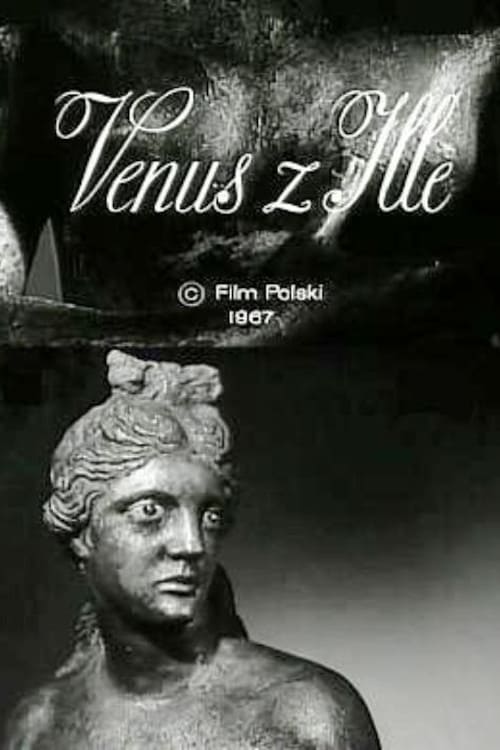
Janusz Majewski adapts Prosper Mérimée’s 1835 tale of the same name, centering on a mysterious statue unearthed in a provincial town. The figure, sculpted as a tormented woman, becomes an ominous presence during a wedding celebration. When the groom impulsively slips his ring onto the statue’s finger—and cannot remove it—the joyous occasion descends into a nightmarish spiral of superstition, obsession, and the uncanny.