Kote Mikaberidze
Directing
Biography
Film director, scriptwriter, actor, painter and dubbing director. From 1918, he worked as an actor at the Kutaisi and Batumi theaters, moving to Tbilisi drama studio in the 1920s. He started to act in films from 1921. His first screenplay RTVELI (The Harvest), based on Dziga Vertov’s “Kino-Eye” concept, was submitted to Tbilisi film studio in 1928, but was never produced. In 1929, he made a silent film CHEMI BEBIA (My Grandmother, 1929), satire on bureaucracy, which considered as a central to the Georgian avant-garde movement and was banned by the Soviet regime for 40 years (until 1976). Mikaberidze directed seven more films of various styles, forms and aesthetics, including a short documentary, a cartoon and several feature films. He was the first film director to adapt an episode of the 12th century Georgian epic Vepkhistqaosani (The Knight in the Panther’s Skin) that resulted in the 1936 film Kajeti. Mikaberidze’s film directing career ended in 1957, when he was sentenced to two years in prison for anti-Soviet activates/statements and criticism of the film administration. After his repression, he would never direct the films again, after his release from a labor camp, he worked as a dubbing director at the Tbilisi film studio, producing the Georgian language versions of up to 50 films per year.

Known For

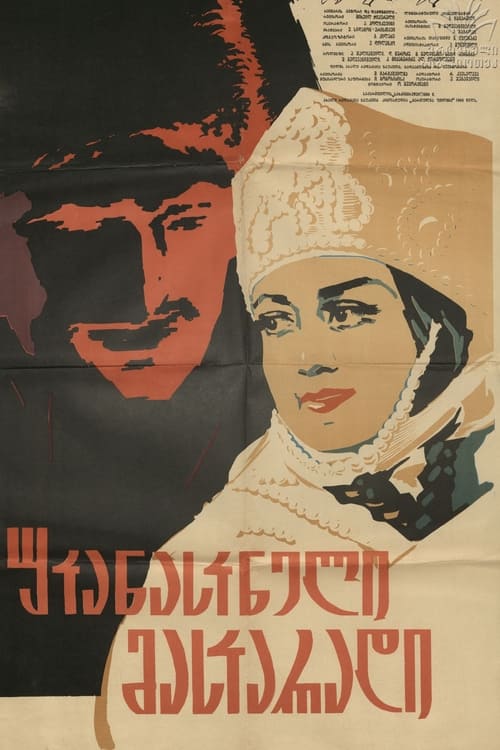
Bakhva Pulava, a merchant from Poti fells in love with a poor tailor woman named Esma and marries her. At the same time, enchanted by her beauty, another man named Jeremiah Tsarba decides to kidnap her. When Esma refuses to share bed with him Jeremiah mercilessly kills her and when faced by accusations avoids punishment with the help of Valida, an influential nobleman’s daughter. Bakhva Pulava makes a decision to take justice into to his hands.
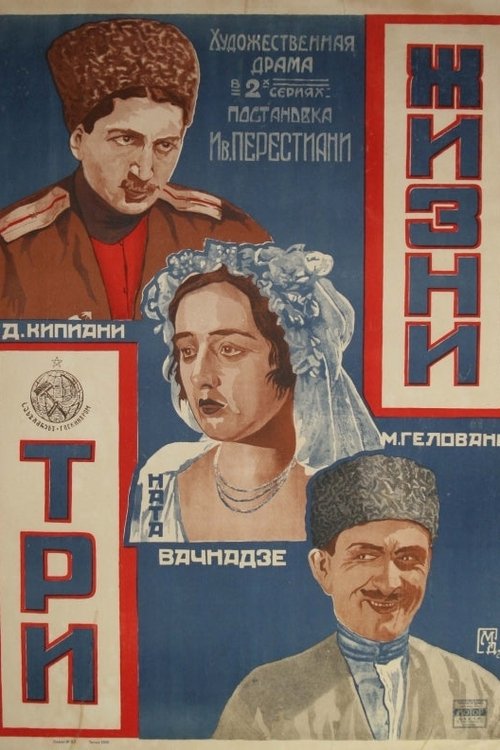
Three Lives

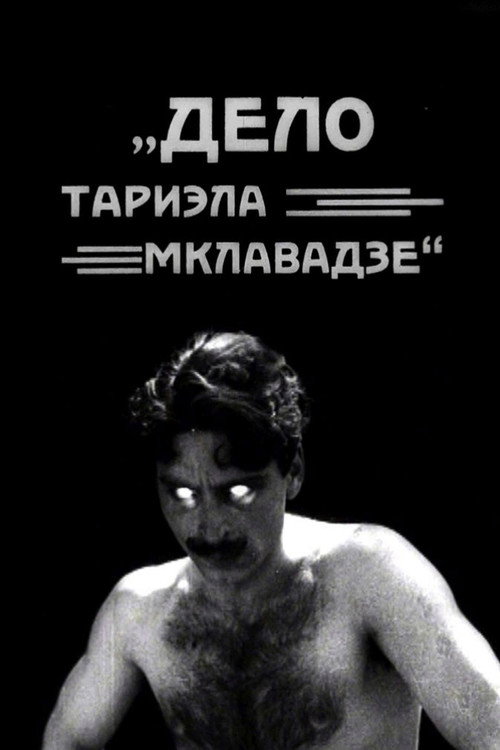
Schoolteacher Spiridon and his pretty wife Despine are taking a room in a small inn. Tariel Mklavadze, a local nobleman and debauchee falls for a beauty of Despine. He and his friends terrify young couple trying to get Despine.
The Case of the Murder of Tariel Mklavadze

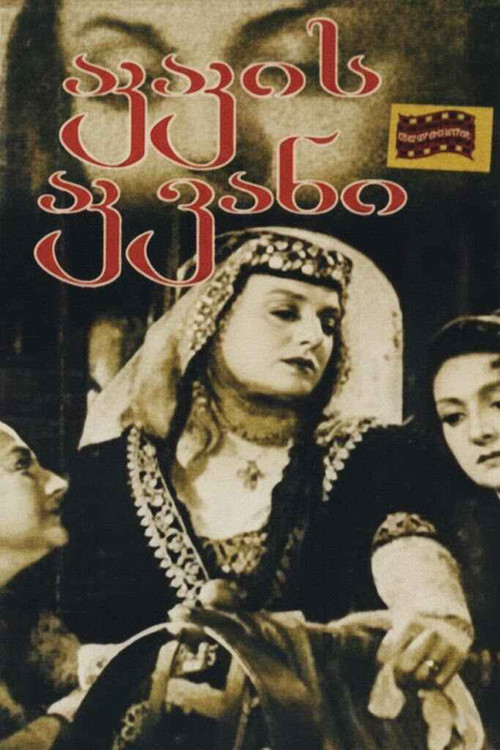
The protagonist, a lazy pen-pusher, gets the sack for his bureaucratic idleness, and learns that the way back into the job market depends on getting a letter of recommendation from a "grandmother"
My Grandmother

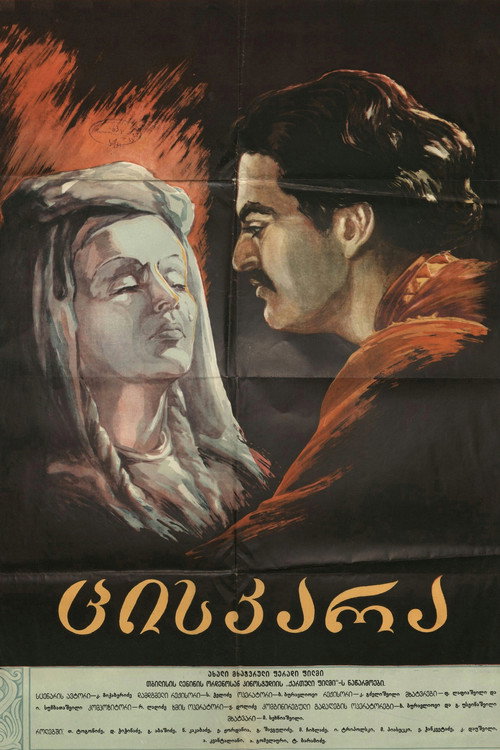
This is a film-tale about the battle between good and evil good ending. Tsiskara his heroes, the evil wizard who's People without a savior sent forth to the people. He must conquer the evil forces and to release people from slavery. His beloved and loyal friends to help overcome Tsiskara many sorcerers, defeats the sorcerer and water, and the freedom of people to return.
Tsiskara

The revolutionary struggle of the Georgian proletariat is the central theme of this story. The narrative follows the life and fate of a young revolutionary named Mito. After the Mensheviks disrupt a railway strike, Mito is sentenced to three years in prison, and his father is executed. During his time in prison, Mito shares a cell with an old Bolshevik, which transforms the hot-headed and unstable young man into a conscious Bolshevik. Soon, World War I begins, and Mito, who has just been released from prison, is sent to war.
The Last Masquerade

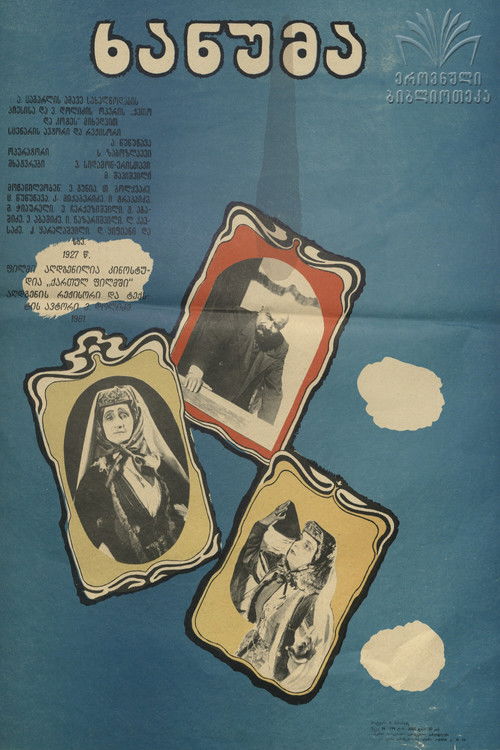
Prince bon-vivant Levan Phantiashvili finds himself in a difficult financial situation. To make his life better he agrees to marry the merchant Adam Varakhidze’s daughter, Elo. The merchant is happy for this move opens the door in a high society for him until he finds out that Elo is not quite happy with his decision.
Khanuma

In the midst of Alaverdoba, an ordinal person plays out a trick to awake pilgrims and their moral spirits, and to remind them of the true meanings of the religious festival.
Alaverdoba

Revolutionary uprising of Georgian laborers in 1905.
Arsena Georgiashvili (murder of General Griaznov)

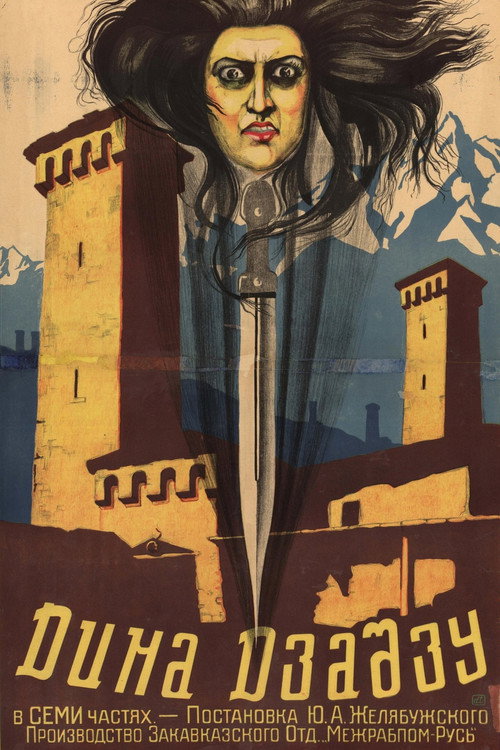
No description available.
Dina Dza-Dzu

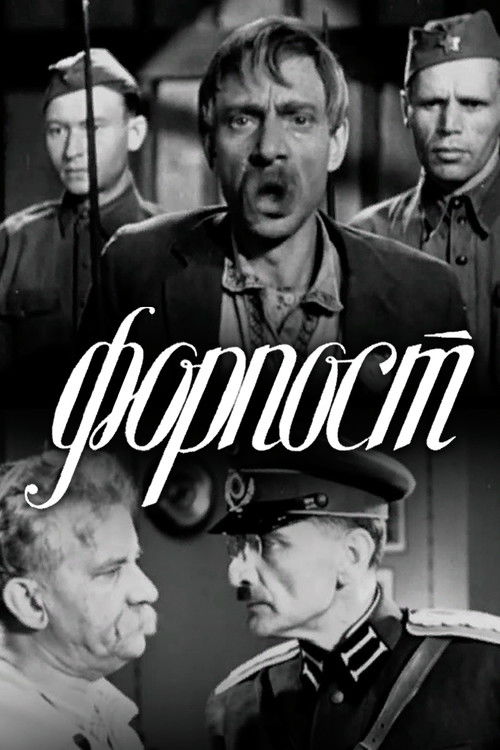
June 22, 1941. The day began as usual at a museum on the western border of the Soviet Union, but in the afternoon a bloodied horseman burst into the museum courtyard. It was the commander of the guard. The museum director, his wife, the gardener, and the commander set up a makeshift barricade. Soon a fascist motorcade appeared. The museum's defenders fought fiercely and held off the enemy until rescue forces arrived.
Outpost

Film about the childhood and teenage years of the national poet of Georgia Akaki Tsereteli.
Akaki's Cradle

Blinded by the desire of wealth, mother of Siko makes him leave behind his wife and child and go to America.
Who Is Guilty?

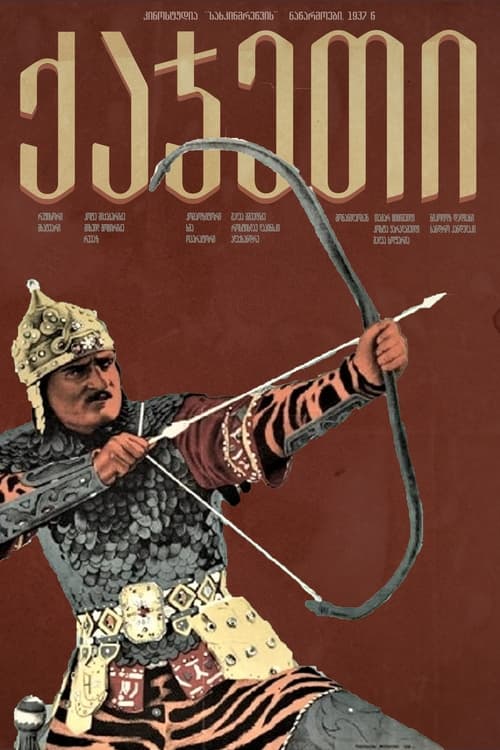
The film is based on Georgian medieval epic poem “The Knight in the Panther’s Skin” by Shota Rustaveli and depicts an episode of Nestan-Darejan’s release from Kajeti fortress.
Kajeti

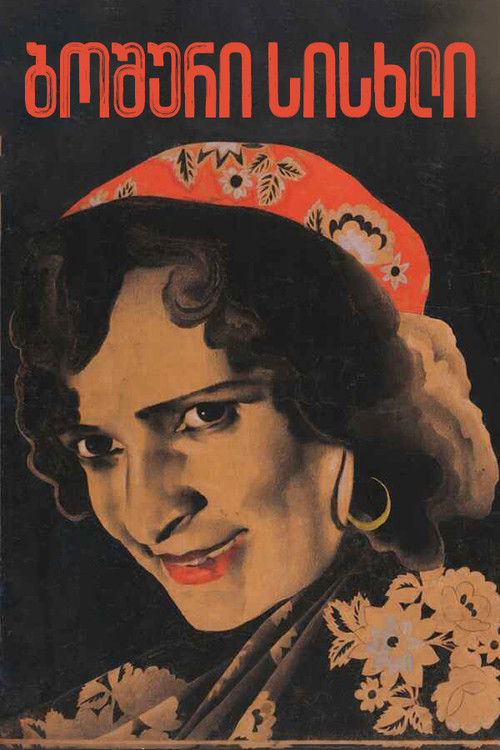
Romeo and Juliet a-la Romani style.
Gypsy Blood

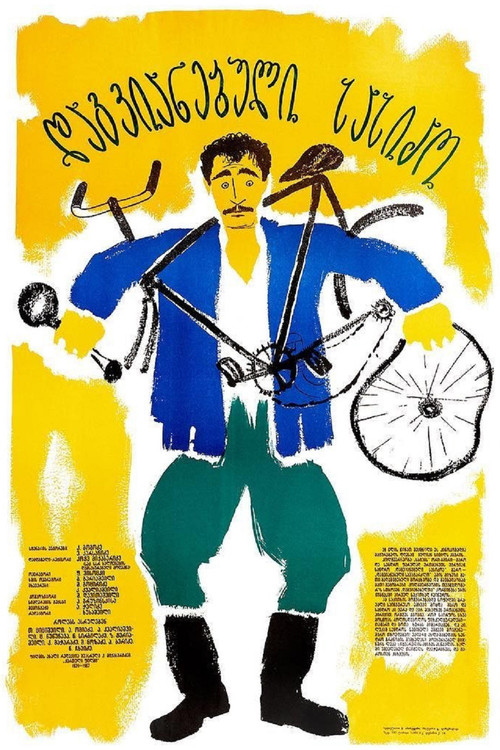
The modest Sandro does not dare to reveal his love to Maro, who, in turn, is very jealous of Sandro’s friendship with a female football instructor. Maro’s suspicions are unfounded, as Sandro is passionate about football and has only a sporting interest in the instructor.
Fiancé Who Was Too Late
The film tells the story of a hard-working and unfruitful life of a peasant from Adjara in the 1930s, who is forced to serve others to avoid starvation and destruction.
Hasani
No description available.
Agronomic minimum

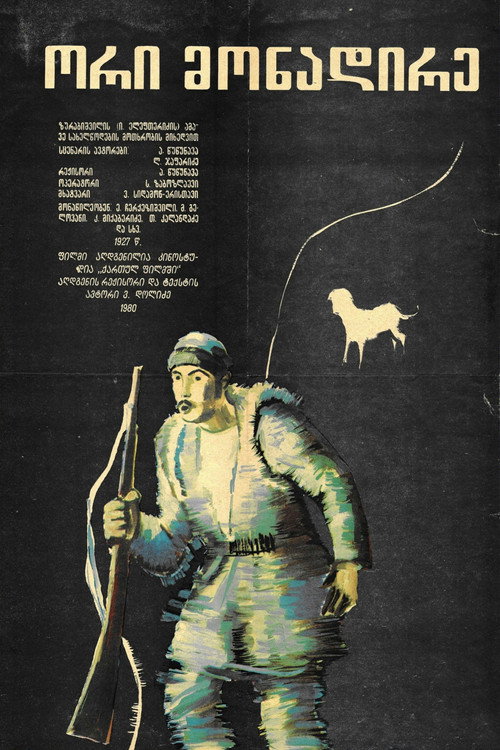
Two brothers, Turiko and Mgelia fall in love with the same girl and become each other's merciless enemies. The brothers decide to draw lots, the winner must kill the loser and marry the woman.