Writing
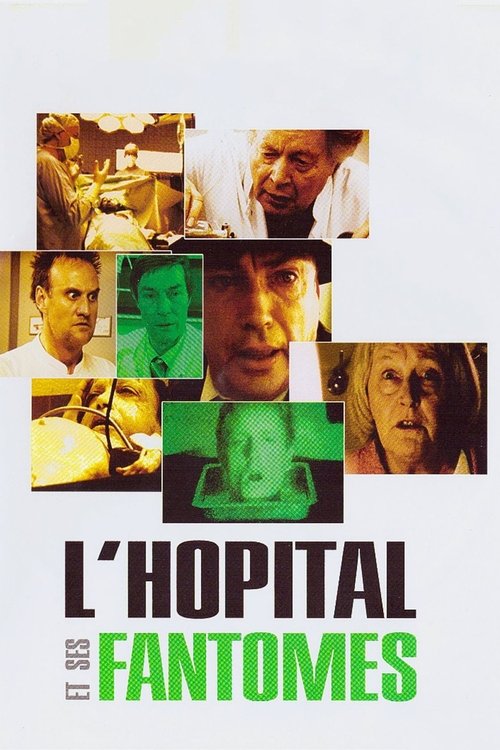
The Kingdom is the most technologically advanced hospital in Denmark, a gleaming bastion of medical science. A rash of uncanny occurrences, however, begins to weaken the staff's faith in science – a phantom ambulance pulls in every night, but disappears; voices echo in the elevator shaft; and a pregnant doctor's fetus seems to be developing much faster than is natural.
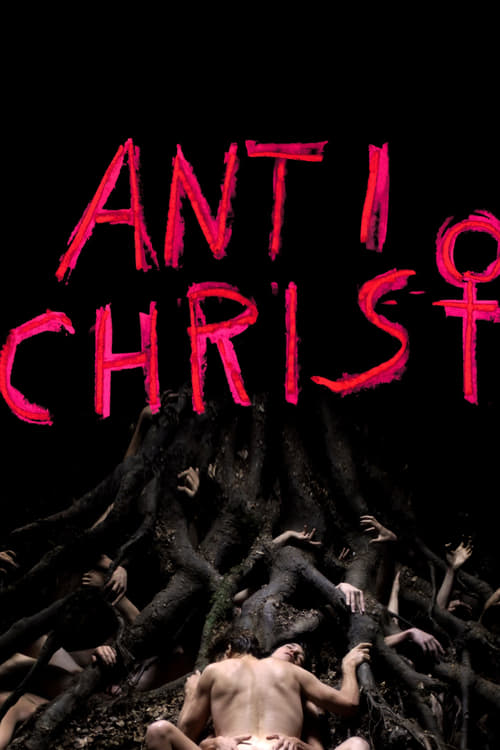
A grieving couple retreats to their cabin 'Eden' in the woods, hoping to repair their broken hearts and troubled marriage. But nature takes its course and things go from bad to worse.
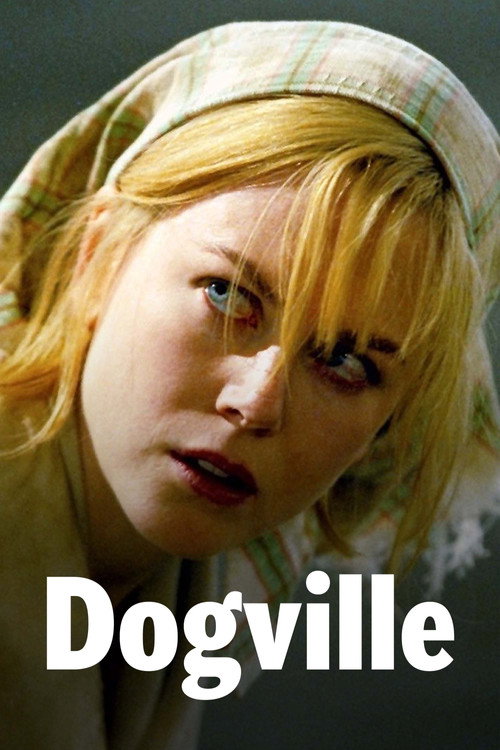
A woman on the run from the mob is reluctantly accepted in a small Colorado community in exchange for labor, but when a search visits the town, she learns that their support has a price.
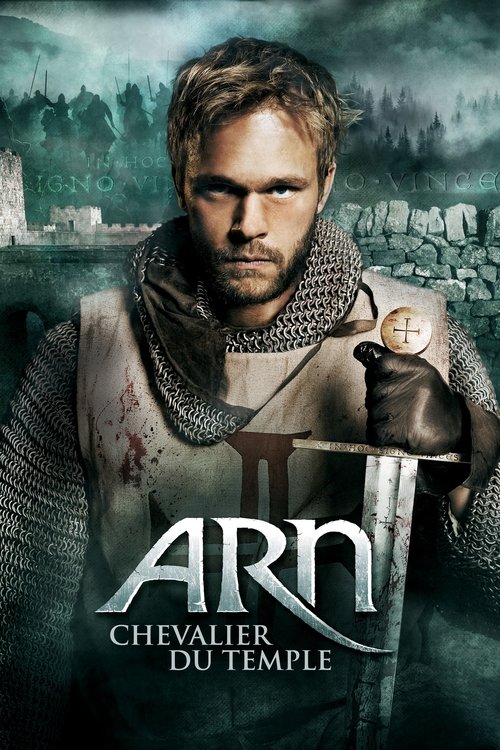
Arn, the son of a high-ranking Swedish nobleman is educated in a monastery and sent to the Holy Land as a knight templar to do penance for a forbidden love.
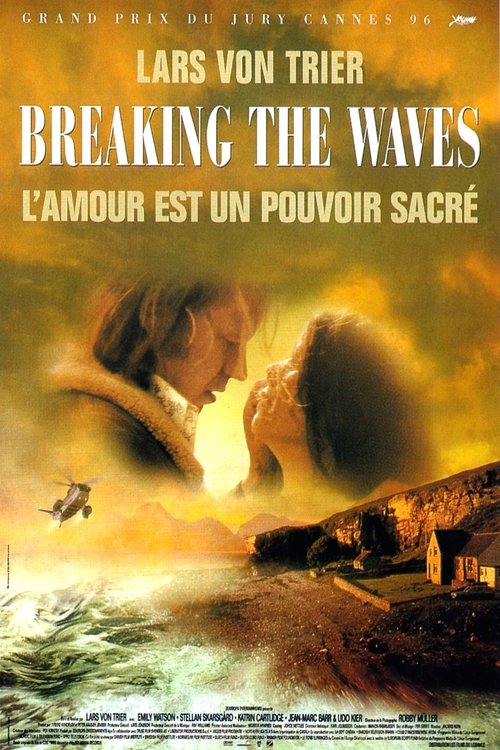
In a small, conservative Scottish village, an oilman is paralyzed in an accident. His wife, who prayed for his return, feels guilty; even more, when he urges her to have sex with another.
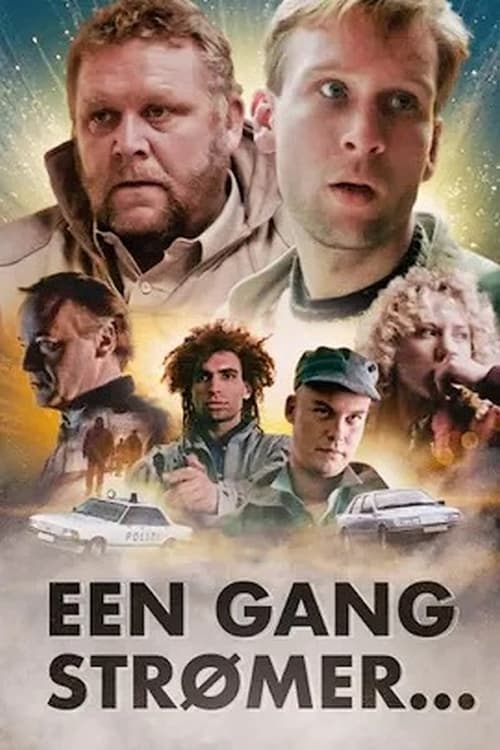
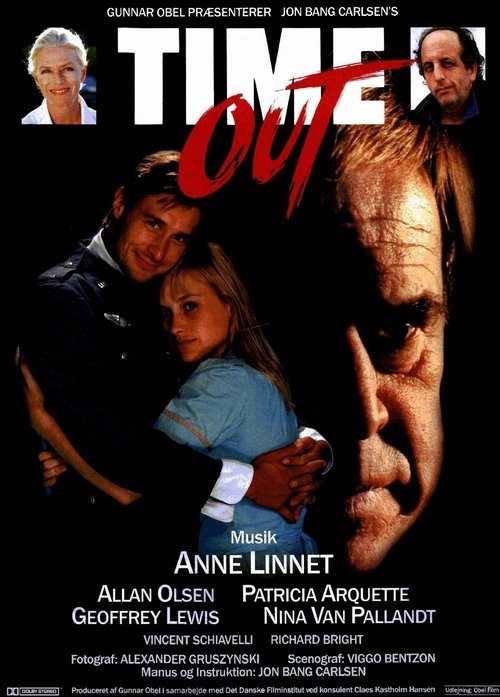
Policeman Karl Jørgensen was once a prominent detective, but due to a violent temper he's now checking out passports at the airport, smuggling stout to work in his thermos every day. However, Kaj, the boyfriend of his daughter, is suddenly killed by a heroin overdose injected by hooded gangsters. It turns out he was spying on their organisation for his brother, Frank, who was framed by them while smuggling narcotics. When Frank hears about Kaj's death, he escapes from prison to get back at the killers. Meanwhile, the same gangsters threaten Karl Jørgensen's daughter, and soon Karl is involved in a major drug smuggling case. Frank and his buddy rob a bank and shoot a police officer. A country-wide manhunt ensues while Karl is having trouble with controlling his daughter's vigilante activities, with finding out who killed Kaj, with the police detectives on the case and with his own alcoholic and lacking existence.
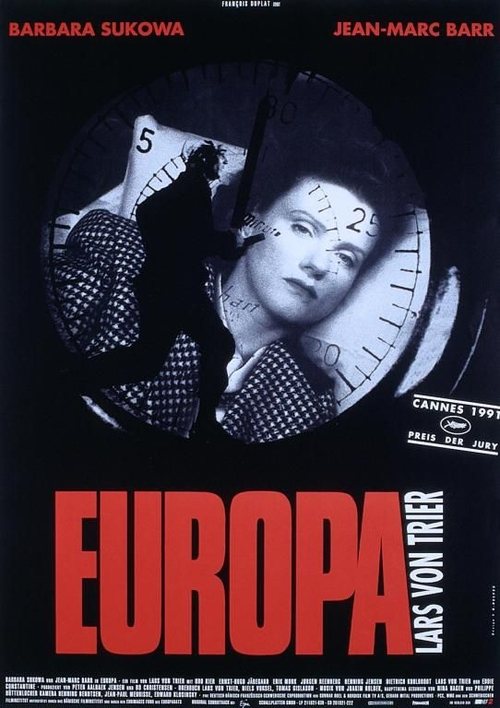
Just after World War II, an American takes a railway job in Germany, but finds his position politically sensitive with various people trying to use him.
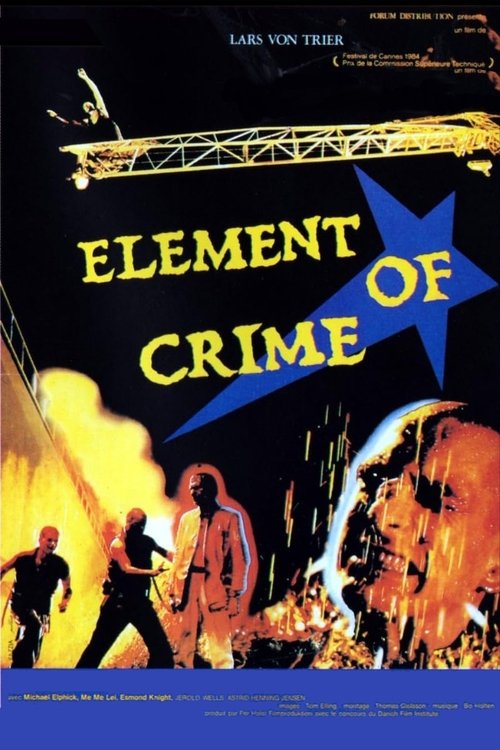
Fisher, an ex-detective, decides to take one final case when a mysterious serial killer claims the lives of several young girls. Fisher, unable to find the culprit, turns to Osbourne, a writer who was once respected for his contributions to the field of criminology. Fisher begins to use Osbourne's technique, which involves empathizing with serial killers; however, as the detective becomes increasingly engrossed in this method, things take a disturbing turn.
German/French TV documentary portraying Danish film director Lars von Trier.
Danish documentary about sexual harassment in political youth organizations in Denmark.
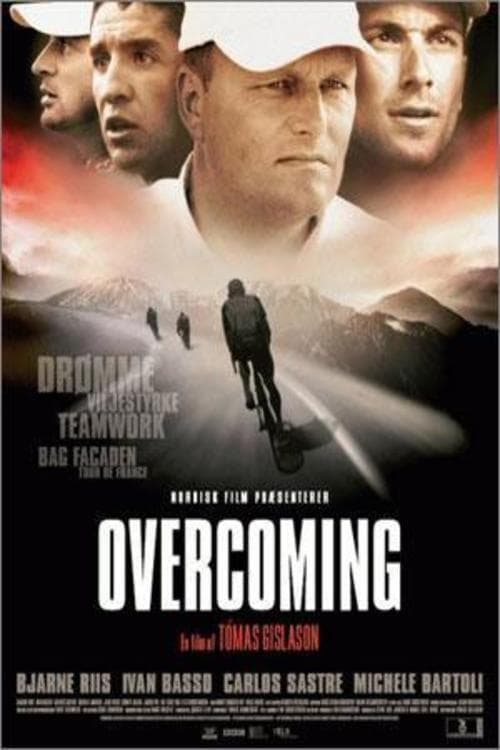
A fascinating look behind the scenes at the 2004 Tour de France with a penetrating insight into the hermetically closed world of professional cycling, following the Danish Team CSC's experiences.
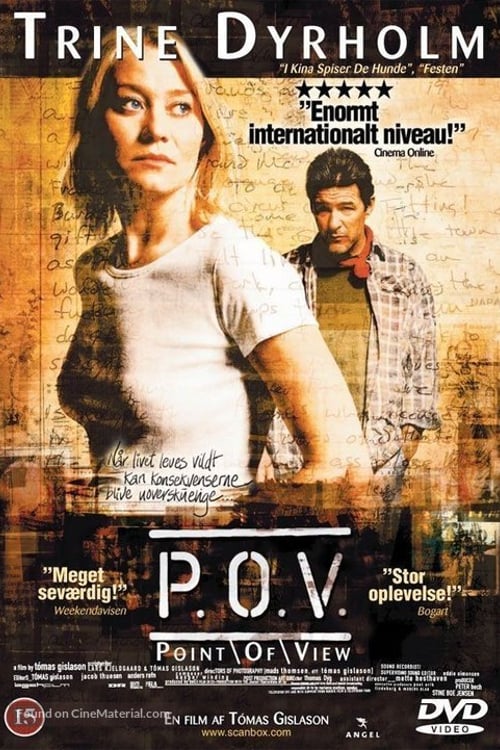
Drama about a young Dane who has traveled to America to find the father he can hardly remember. In New Mexico he gets to know the daughter of a political-religious fanatic who runs a "survival school". The young Dane is interested in the girl and admits to school. Later, however, there will be a violent showdown with the fanatic. But was this man, in fact, his father?
A take it or leave it auteur-experimental fiction exercise: two women are monitoring their dreams, dreams that may of course also be stark naked reality, at least to the dreamers, as they come and they go like bubbles, rising, floating, bursting. A man appears out of nowhere. Poet Peter Laugesen co-wrote the script with Tom Elling, who was Lars von Trier's director of photography on "The Element of Crime".
It's night. Perhaps after a dream of an intruder crashing through a window, a woman who's sensitive to light has a telephone conversation with a friend. The woman has a plane ticket from Copenhagen to Buenos Aires at 6 that morning. She doesn't want to go. Her friend encourages her to make the trip. Later, she stands in a car park with her suitcase. Flying geese fill the screen.
Making film wears down director Lars von Trier, but he is not able to live without them. In the documentary film this Danish auteur’s all-consuming love affection for film is portrayed. Now he is standing at a cross-road. While film as we know it is dying.
Memorable anecdotes about film director Lars von Trier told by people he has worked with on his films.
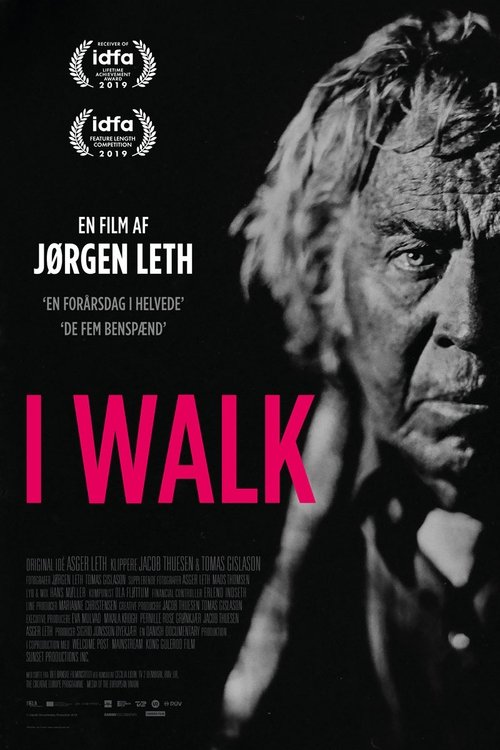
Documentary about Danish filmmaker, sports journalist and poet Jørgen Leth who struggles after surviving a major earthquake in Haiti.
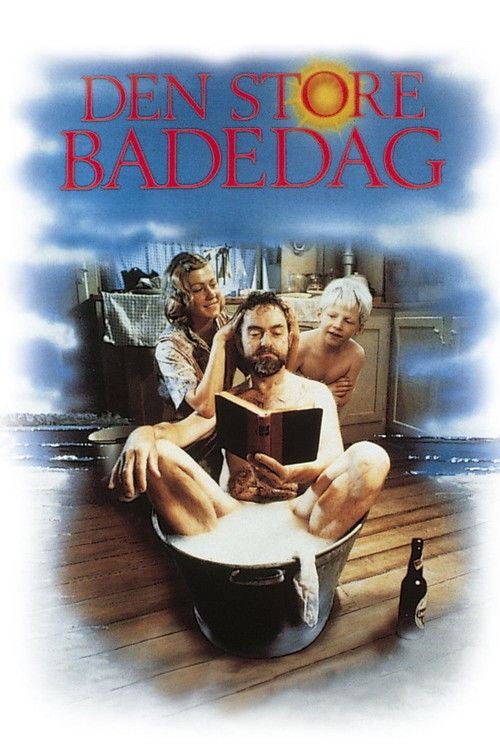
It is the adult Gustav Adolf, who tells the story of the momentous day when he as a little boy with his father and mother and the whole staircase, went to the beach to enjoy the pleasures of bathing. We are in 1930s working-class neighborhood in Copenhagen. In a backyard apartment, we meet the little working-up of small Gustav Adolf (Benjamin Rothenborg Vibe) who has great respect for his father, Axel (Erik Clausen). Father has a very lively gab and is always ready to tell a story from her exciting life - often from the time he was on the big Argentine pampas.
Sean lives a harsh but successful life as a criminal in Los Angeles's rough suburbs. He has, in spite of a chaotic and violent childhood, created some order in his life. As long as order is maintained, he - along with his partner in crime Peter - can ensure that his criminal life does not fall apart. But like in any Greek tragedy, things are doomed to go wrong when he one day falls in love with the waitress Lilly. Sean thinks he can bring order to her life too, but the all-consuming heroin addiction can not be tamed so easily.
Asst. Director Tómas Gislason and Producer Peter Aalbæk Jensen reflects on their "faecal location" when they shot Lars von Trier's Europa (1991) in Poland.