
Norman Yonemoto
Directing
Biography
Norman Yonemoto was a Japanese-American filmmaker who frequently collaborated with his brother Bruce Yonemoto.
Known For

Brenda, vivacious leader of the "Satins", a fun-loving group of pretty high school girls, searches for deadly vengeance against the gang members who assaulted her deaf-mute sister.
Savage Streets
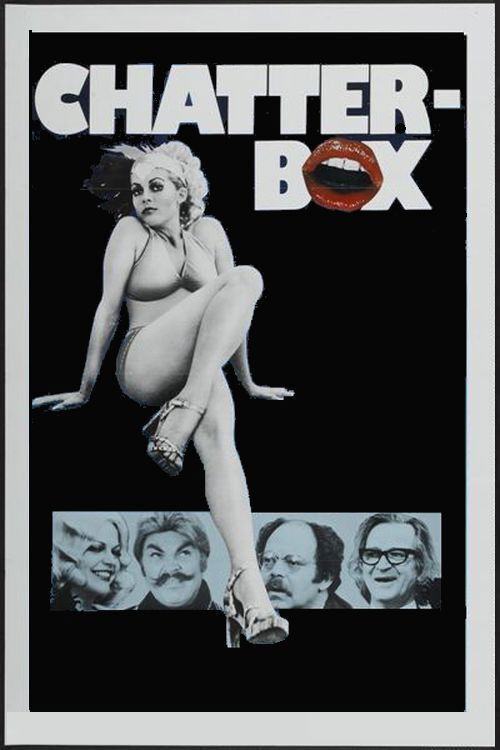
A young woman who works in a beauty parlor discovers that her vagina can talk, which causes her no end of trouble.
Chatterbox!
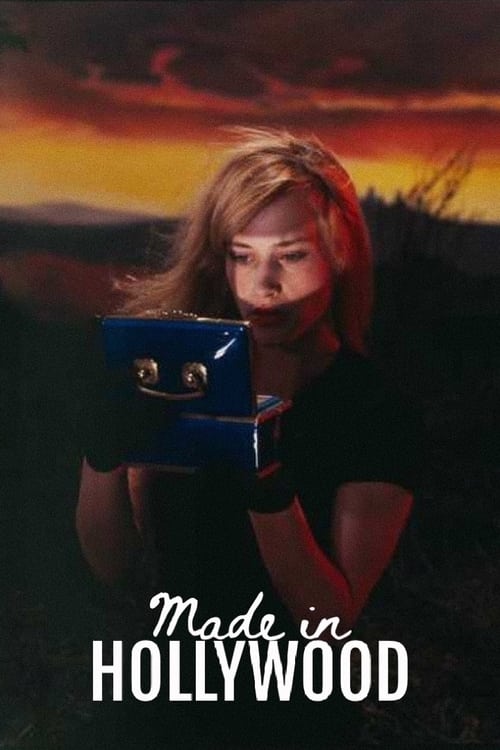
A parable of the Hollywood image-making industry told through a pastiche of narrative cliches.
Made in Hollywood
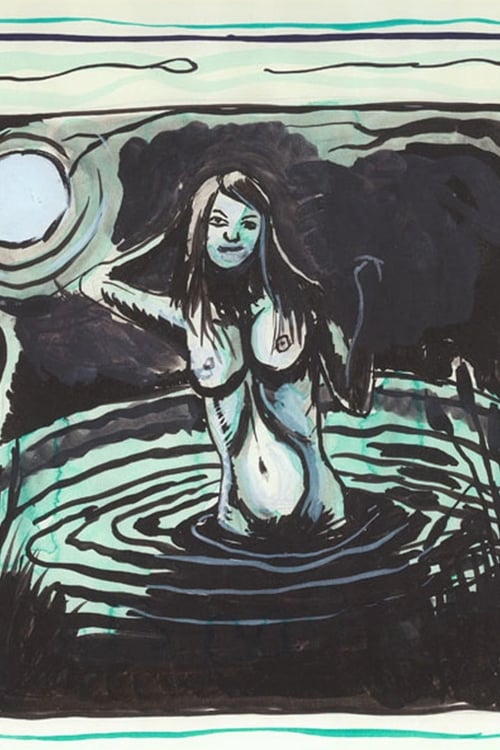
Deconstructing the myth of Oedipus within the framework of an ancient Japanese folk story, the Yonemotos craft a highly charged discourse of loss and desire. Quoting from Bunuel, Freud, pop media and art, they place the symbology of Western psychosexual analytical theory into a cross-cultural context, juxtaposing the Oedipal and Kappa myths in a delirious collusion of form and content. The Kappa, a malevolent Japanese water imp, is played with eerie intensity by artist Mike Kelley; actress Mary Woronov plays Jocasta as a vamp from a Hollywood exploitation film. Steeped in perversions and violent longings, both the Kappa and Oedipus legends are presented in highly stylized, purposefully "degraded" forms, reflecting their media-exploitative cultural contexts. In this ironic yet oddly poignant essay of psychosexual compulsion and catharsis, the Yonemotos demonstrate that even in debased forms, cultural archetypes hold the power to move and manipulate.
Kappa
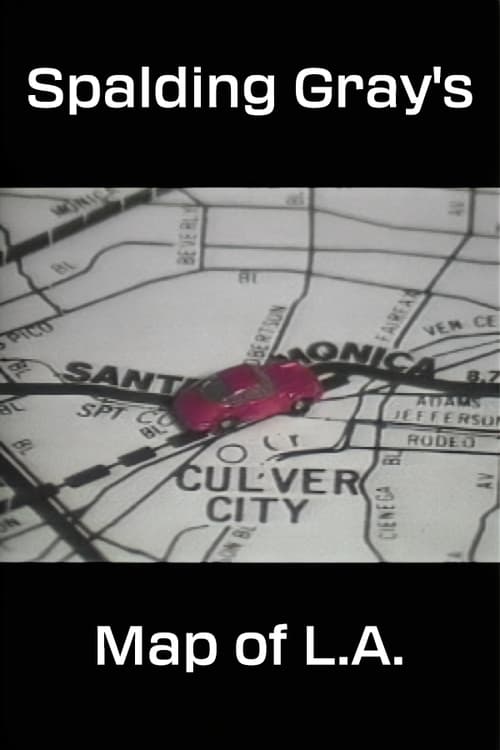
Spalding Gray comes to LA to perform a set of monologues.
Spalding Gray's Map of L.A.
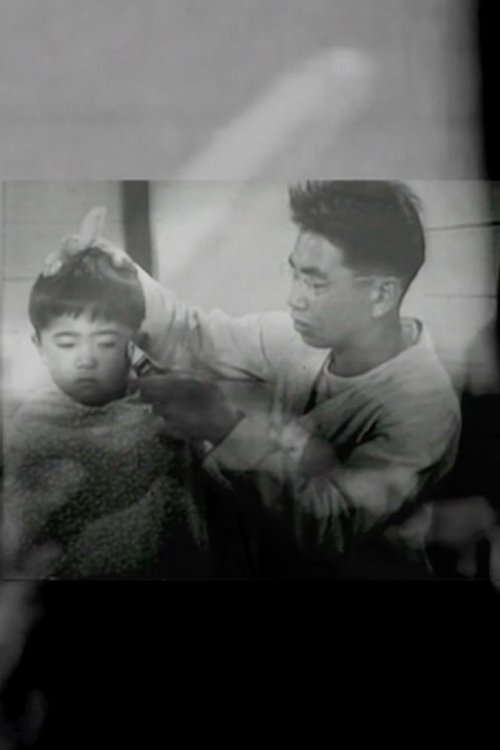
Framed is presented in a single-channel video using two elements. The first element is the film footage that was found by the artists at the U.S. National Film Archive. These staged films, produced by the War Relocation Authority (WRA), captured a fictional idealized life of Japanese Americans in the American concentration camps during World War II. More than a hundred thousand innocent civilians of Japanese descent were incarcerated solely based on their ancestry. To legitimize the abrogation of civil rights, the WRA produced this wartime propaganda. The second element is the slide show in which the still images reframe the raw material of the WRA films.
Framed
This stylized narrative is the first in the Yonemotos' Soap Opera Series,in which they employ the traditional syntax and codes of melodrama to explore how mass media formulas manipulate desire and sexuality, fantasy and reality. Played out with the self-conscious acting and dialogue of a soap opera, this story of the dissolution of a contemporary romance is set in the context of the postmodern Southern California art scene. By emphasizing modes of representation — TV, movies, art — the Yonemotos reconstruct a narrative of melodrama itself, illustrating their assertion that personal dramas and romantic ideals are the result of media propaganda, a social fantasy that becomes reality.
Based on Romance
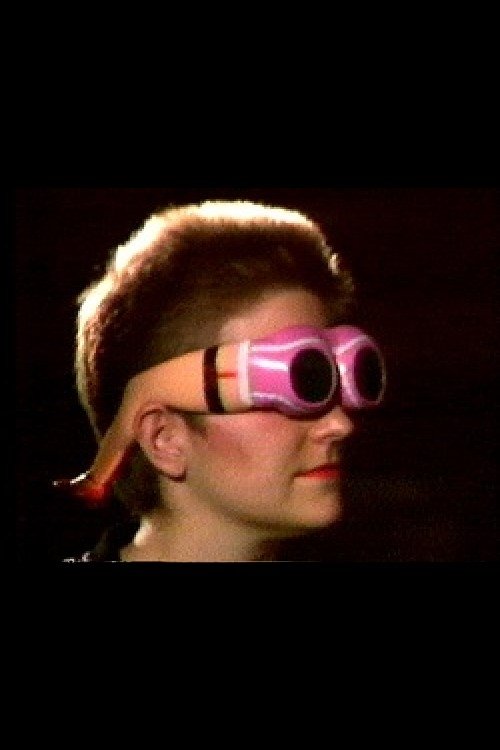
Created as part of the Yonemotos’ Soap Opera Series (together with Green Card: American Romance), this postmodern tale navigates artistic and sexual crises in Southern California. Boredom and alienation, the banality of fantasies and reality and the need for idealised romance afflict the characters that wander through this narrative representation of the LA art scene. The pervasive cultural malaise is seen as conditioned behaviour — conscious psychological manipulation by the mass media. Against this dominant ideology, the film’s central figure Norman, played by Norman Yonemoto, approaches art as a means to ‘expose the derivative nature of the romantic ideal’ and ‘promote the examination of our personal contexts.’
An Impotent Metaphor
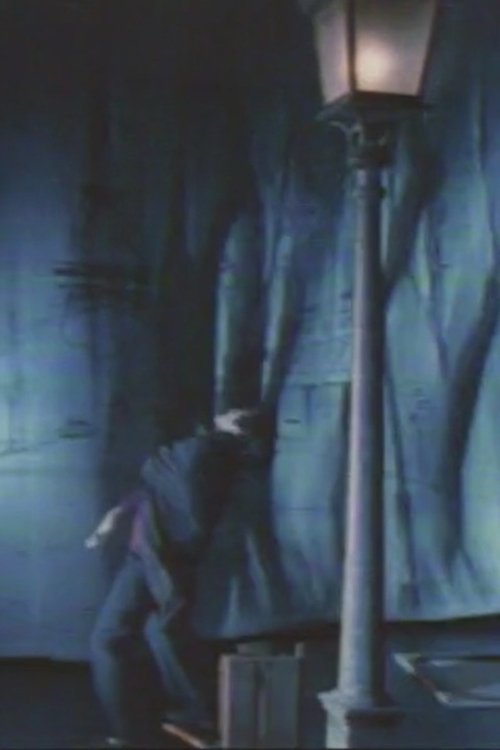
Japan in Paris in L.A. centres on Saeki Yuzo, an early twentieth-century Japanese artist who makes a pilgrimage to Paris to seek his artistic fortunes, only to find that ethnic and cultural differences stand in his way. Around this narrative, the Yonemotos construct a multi-layered and self-reflexive work in which strategies of disjunction and contradiction are key. Employing heightened theatricality, experimental narrative strategies and archival footage, the film proposes a complex meditation on issues of modernity, representation, ethnocentrism and identity.
Japan in Paris in L.A.
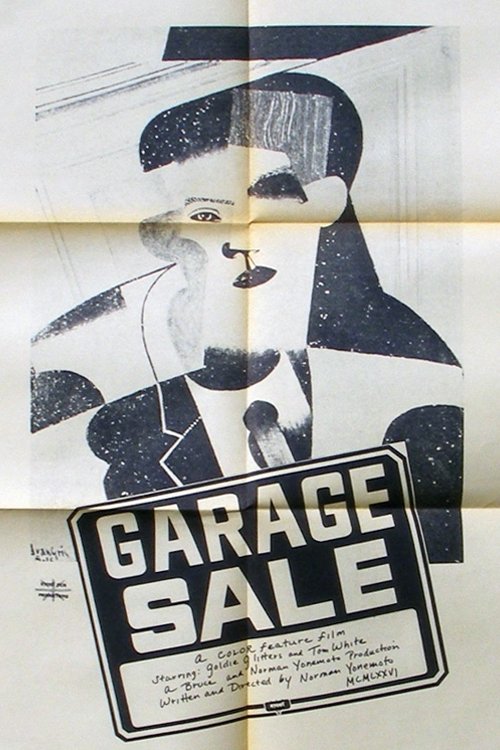
GARAGE SALE is a campy feature centered on a story of marital upheaval between drag queen Goldie Glitters and her fair-haired husband, Hero. A onetime member of San Francisco’s legendary Cockettes theatre troupe, Goldie was famously crowned Santa Monica College’s 1975 Homecoming Queen, captured in Bruce Yonemoto’s documentary HOMECOMING (1975). GARAGE SALE subverts the drag aspect of Goldie’s performance enabling her to sympathetically play a woman whose fantasies and expectations have been shaped by Hollywood romance films. The film follows the couple as Hero tries to regain Goldie’s love by seeking the advice of a cast of eccentric characters.
Garage Sale
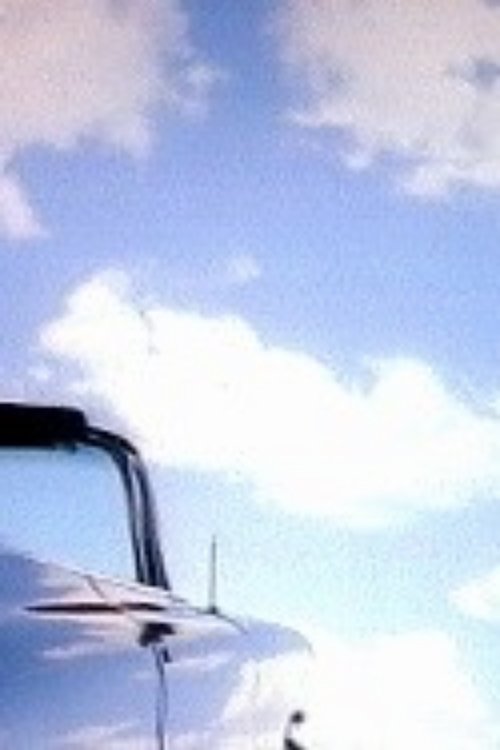
Europe’s enchantment with American consumer culture is depicted, as well-known European architectural landmarks – the Eiffel Tower, the Acropolis, London Bridge – are reflected in the glossy surface of a 1960s Cadillac convertible, the ultimate symbol of the “golden age” of American consumerism.
ahistory
In the novella Blinky The Friendly Hen (1978), artist Jeffrey Vallance documented the supermarket purchase of a frozen chicken and its burial in the Los Angeles S.P.C.A. Pet Memorial Park. Naming the fryer Blinky, Vallance transformed poultry into pet, paying tribute to the billions of hens sacrificed each year for our consumption. Ten years later questions of the true cause of Blinky’s death continue to swirl. Blinky, the videotape, documents the search for this cause. Alas, like the shroud of Turin, Blinky’s death cannot be completely resolved. Blinky’s ten-year story ends where it began, in our culture’s glistening, dreamlike symbol of heavenly closure, the supermarket.
Blinky
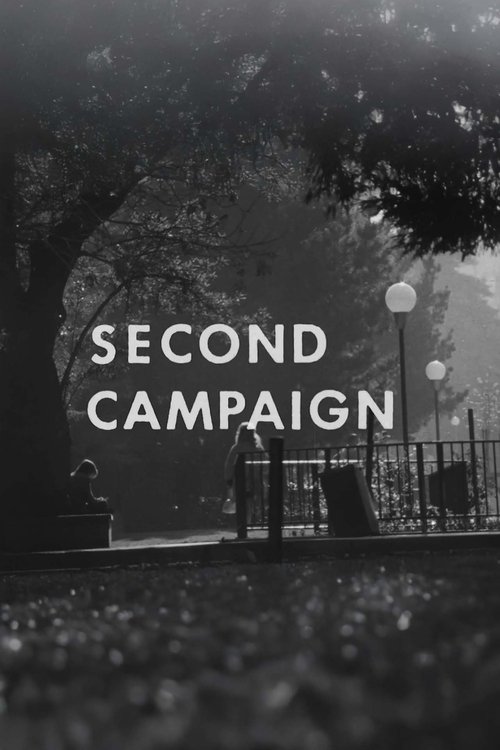
While still a student at UCLA, Norman Yonemoto arrived in Berkeley with a 16mm camera and discovered People’s Park in turmoil. His compelling short has remarkable interviews with bystanders and an especially poignant moment when a young folksinger serenades the gathered National Guard.
Second Campaign
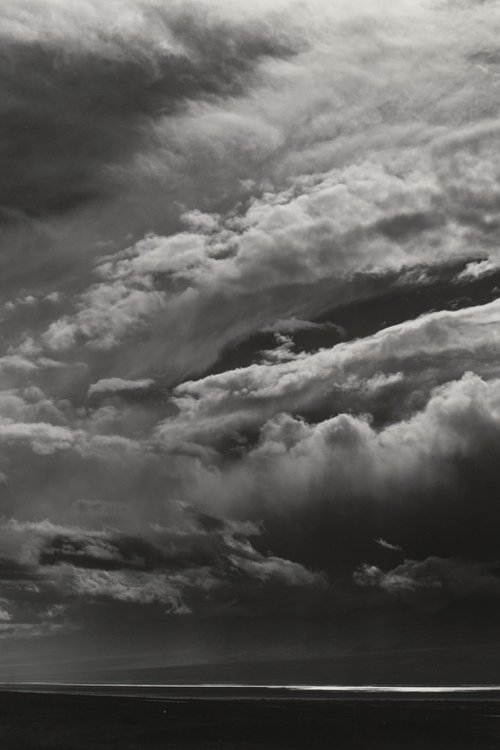
The sky looms in the background of all human activity. It is elementary then that artists should be preoccupied with a phenomenon whose ageless nature remains elusive and opaque. Bruce and Norman Yonemoto's A History of Clouds (33:46 mins, Color) investigates the representation of clouds as they appear in art, first as amorphic elements in early oil painting, then as photographically reproduced elements of 20th-century works. This premiere videowork ends in the advertising studio where clouds provide a "natural" backdrop for commodified dreams. The journey from representation to sales presentation is complete.
A History of Clouds

Using the syntax of daytime soap operas, Green Card tells the story of Sumie, a Japanese artist who marries an American surfer/filmmaker to enable her to remain in the United States. When the couple’s views towards the agreement move in opposite directions, cultural differences and expectations become pronounced. Casting an ironic eye on the Los Angeles lifestyle and art scene of the early 1980s, this stylised narrative asserts that the delirium of Hollywood ‘reality’ has a manipulative impact on personal relationships.
Green Card: An American Romance
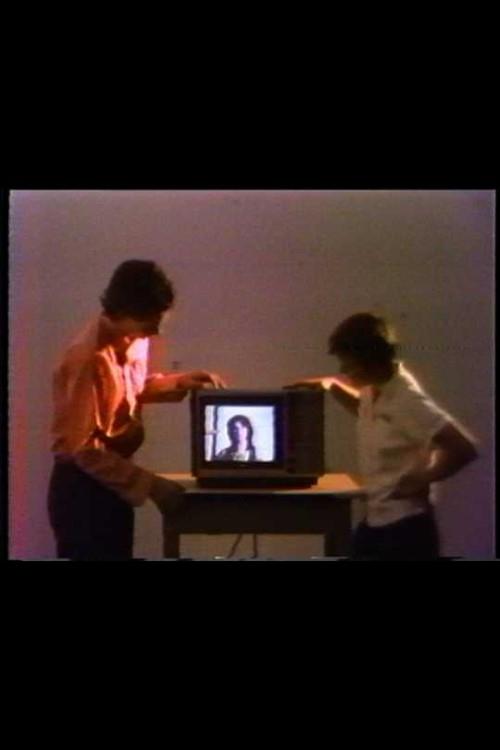
Featuring performances by artists Tony Oursler and Mike Kelley, Garage Sale II moves between a couple’s sexually dysfunctional relationship and a series of vignettes in which characters attempt to fulfil their desires through prosthetics, masturbation, manipulation and S&M.
Garage Sale II
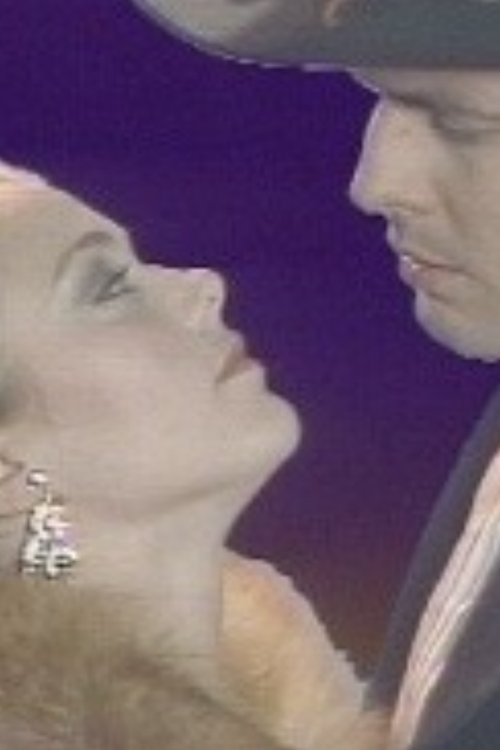
In this tour-de-force of stylized deconstruction, the Yonemotos rewrite a traditional narrative of desire — boy meets girl, boy loses girl. Employing the hyperbolic, melodramatic syntax of Hollywood movies and commercial TV, they decode the Freudian symbology and manipulative tactics that underlie media representations of romantic love, and expose the power of this media “reality” to construct personal fictions. Using the psychoanalytic language of advertising, cinematic and television texts to tell the love story of a pole vaulter/concert cellist and a cowboy/Abstract Expressionist painter, they rupture the narrative with psychosexual metaphors and references to pop media and art. Self-conscious strategies such as overtly Freudian symbols, flashback reconstructions of childhood traumas, Wagnerian orchestration and loaded cliches are wielded with deft irony.
Vault
Clip Joint is a video assemblage of clips and short sequences from motion pictures mostly produced before 1964. Yonemoto isolates these clips from their predominantly Hollywood movie context and creates a new narrative with its own unique logic and meaning. The polished surface of Hollywood classic movies creates a hyperbolic dream state of surprising complexity no matter how shallow the movies’ content may be. Perfected by an army of artists and technicians of the early Hollywood studio system from 1915 to 1929, these powerful images manipulate the movie-goers’ emotions as well as suspending their disbelief. Yonemoto blends these compelling images into a potent brew of self-reflection and deconstruction.
A Norman Yonemoto Clip Joint
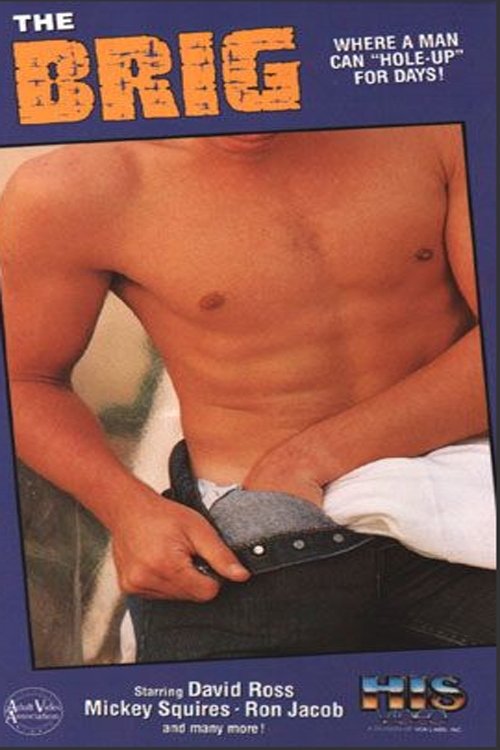
The story of Navy man Mike Jones who goes through fantasies and memories before being caught but finding his ideal man.
The Brig
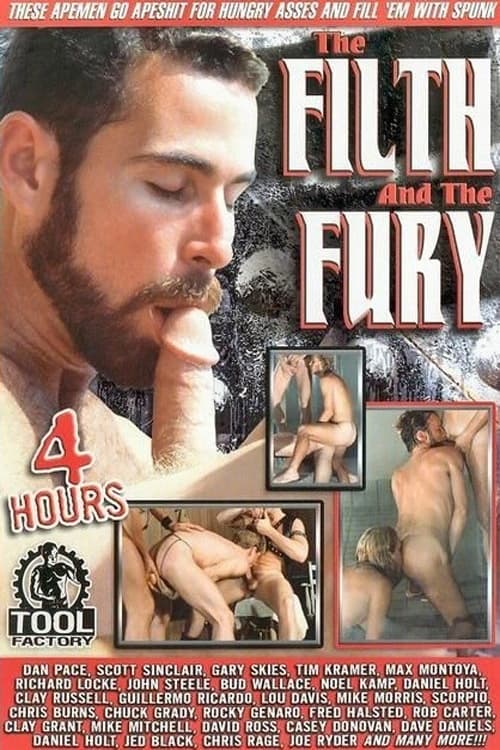
"The Filth and the Fury" is a 4-hour compilation of scenes from some of HIS Studio's gay adult films over the years of 1974-1984: 501 (1982), Alley Cats (1983), The Brig (1982), California Fox (1979), Dreamer (1974), El Paso Wrecking Corp. (1977), Gayracula (1983), Heatstroke (1982), Jobsite (1984), Kansas City Trucking Co. (1976), L.A. Tool and Die (1979), Nighthawk in Leather (1982), Pieces of Eight (1980), Revenge of the Nighthawk (1983), and Sleaze (1982).