Paulo César Saraceni
Directing
Biography
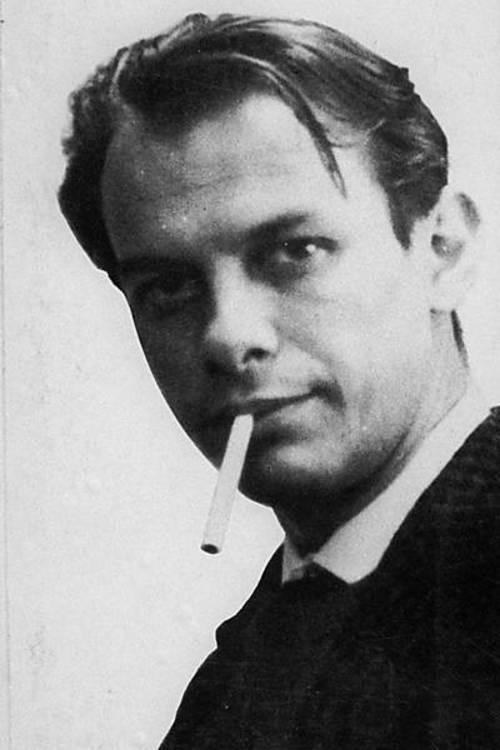
Paulo César Saraceni was a Brazilian film director and screenwriter. He directed 14 films between 1960 and 2011.
Known For

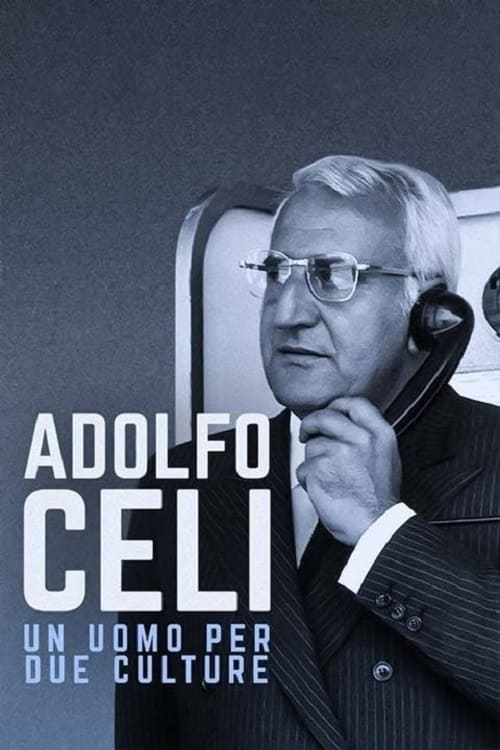
Created by his son Leonardo, this portrait of Adolfo Celi reconstructs his personal and artistic journey between Italy and Brazil. Through interviews, film clips, testimonials, photos, and extraordinary footage from the Celi family's personal archive, we will revisit the places that shaped his life.
Adolfo Celi, a Man for Two Worlds

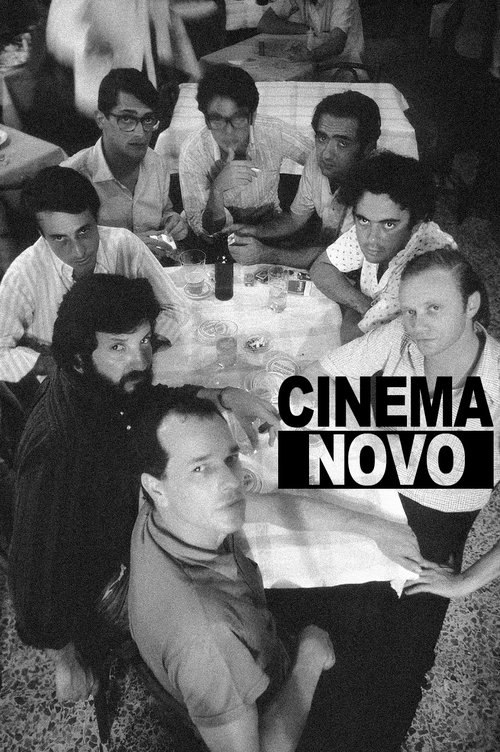
A deep investigation, in the way of a poetic essay, on one of the main Latin American movements in cinema, analyzed via the thoughts of its main authors, who invented, in the early 1960s, a new way of making movies in Brazil, with a political attitude, always near to people's problems, that combined art and revolution.
Cinema Novo

Two years of research and visits to collections, cinematheques and museums; almost seventy interviews that generated 30 hours of recorded material; more than two hundred scanned photos and more than one hundred films watched. In total, more than a thousand hours of work were needed to prepare Brazilian Cinema in the 20th Century. The work is a fascinating journey through all the cinematic cycles that Brazil lived, from the pioneering Belle Époque, through the great studios like Atlântica and Cinédia, Cinema Novo, the urban comedies of the 70's, until the resumption in the late 90's. The documentary is unique, it gives the floor to who really wrote and lived this story intensely.
Brazilian Cinema in the 20th Century

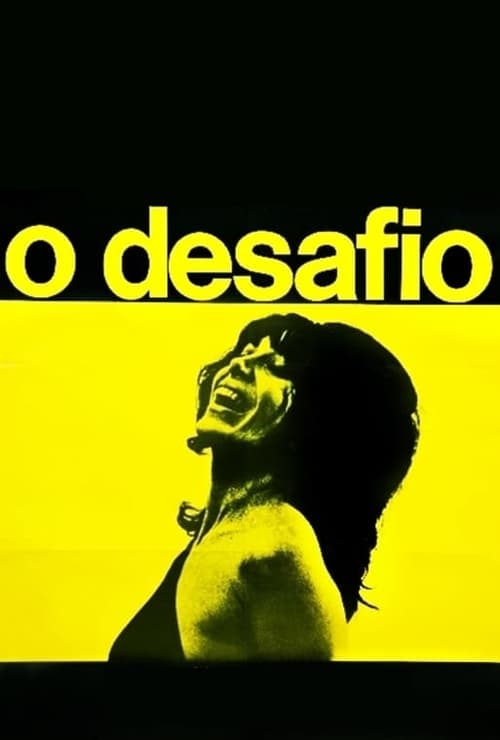
Passively facing the repression imposed by military dictatorship in 1960s Brazil, a journalist enters a personal crisis, aggravated by his affair with an industrialist's wife, who doesn't want to leave her home because of her son.
The Dare

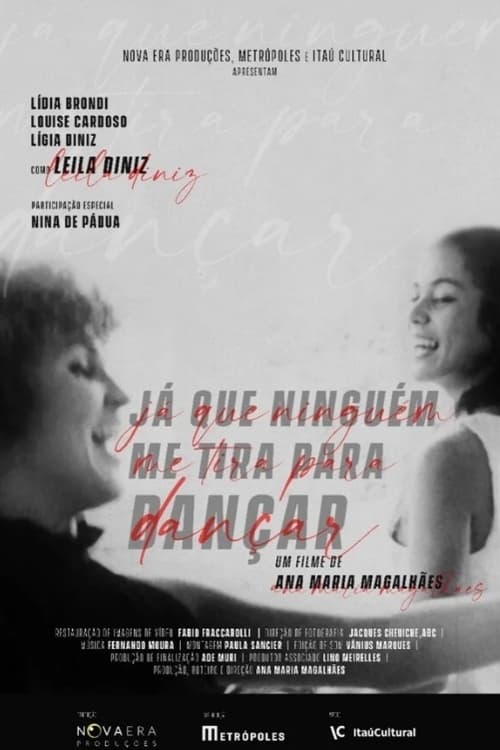
Conducted from interviews with personalities who lived with Leila Diniz (1945-1972), the documentary is a record of an era and, above all, it rescues the participation in Brazilian culture of the actress who opened the way for the sexual revolution during the dark years of the dictatorship.
Já que Ninguém me Tira Para Dançar

Documentary that addresses, through the testimony of directors and actors, the work of Dib Lutfi, considered one of the greatest photographers of Brazilian cinema.
Dib

Based upon the life story of Father Antonio Vieira, born in Lisbon in 1608 and deceased in Salvador, Bahia, in 1697. He's considered the first Brazilian writer and one of the most important aesthete of linguistic and of the Portuguese language of all times, a master in the art of metaphor, of verbal relations and analogy. He was persecuted and condemned by the Portuguese Court of Inquisition due to his position against native slavery, against the intolerance to the Jewish people and to the colonial politics of exploration.
Sermões

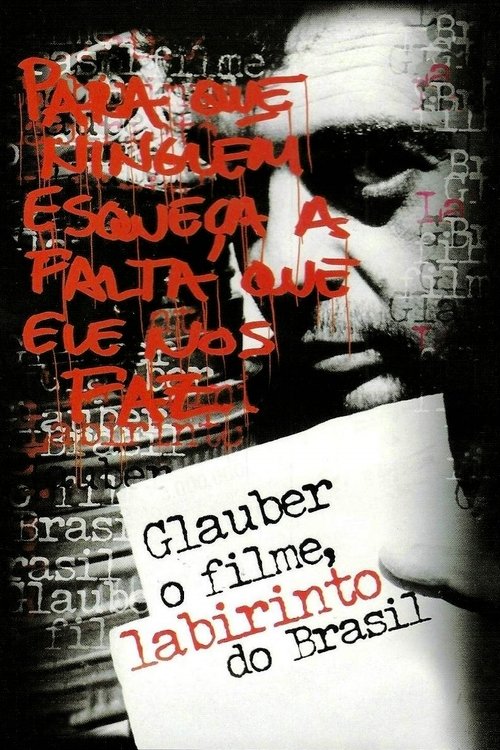
Documentary about Brazilian filmmaker Glauber Rocha, one of the most important names in the Cinema Novo, with interviews with some of his friends and colleagues.
Glauber Rocha - The Movie, Brazil's Labyrinth

Originally produced for German TV, Improvised and Purposeful is a firsthand look at the "Cinema Novo" movement (otherwise known as the 'Brazilian New Wave'). Director Joaquim Pedro de Andrade focuses on six Cinema Novo filmmakers working in Rio in 1967.
Improvised and Purposeful: Cinema Novo

Between August 23 and 31, 1983, at the "Circo Massimo", in Rome, there was a musical event that brought together artists from Bahia. This film brings a recording of the event, also featuring backstage, rehearsals, testimonies and some relaxing moments of these great names in Bahia's music.
Bahia de Todos os Sambas

Two contrasting social groups get in touch: three architects and three street urchins, all struggling for survival.
Muito Prazer

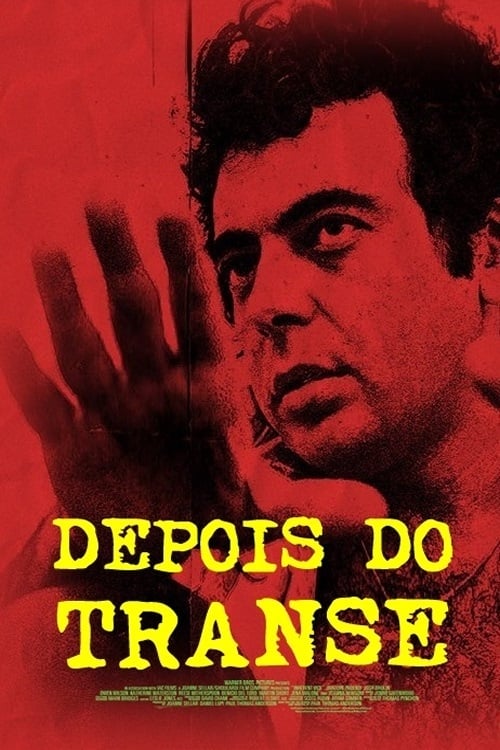
The documentary "Depois do Transe" covers the entire process of creating the masterpiece "Entranced Earth", which was released and awarded at the Cannes Film Festival in 1967. "Entranced Earth" charmed the world and won great admirers such as filmmaker Martin Scorsese and the writer Marguerite Duras, who at the time considered a "fabulous filmic opera."
Depois do Transe

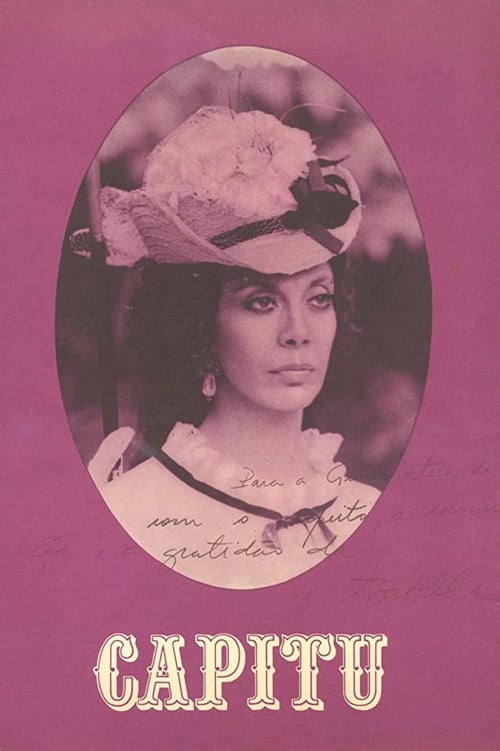
Adaptation of Machado de Assis’s classic novel “Dom Casmurro”. Bentinho and Capitu are friends since childhood and end up marrying. But Bentinho destroys his life when he starts suspecting Capitu has an affair with his best friend and that his son is not really his.
Capitu

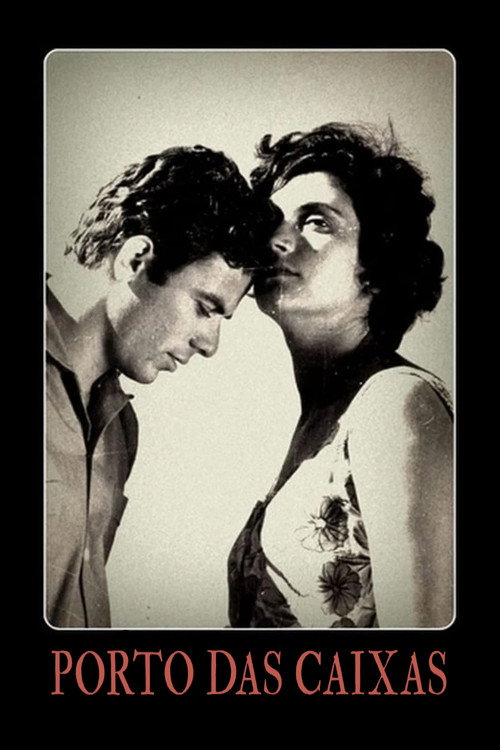
In the city of Porto das Caixas, a woman seeks help from multiple lovers to murder her dirty husband. Desperate to free herself, she decides to put her plan into practice alone.
Porto das Caixas

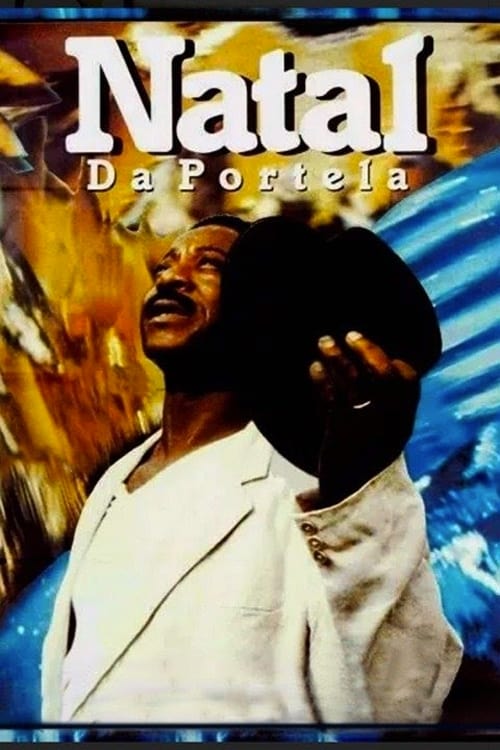
Biography of one of the legendary names in the Samba genre of Brazilian music. Although he could hardly dance or play an instrument, he became one of the main composers of Portela, an important Samba "school" in Rio de Janeiro.
Natal da Portela

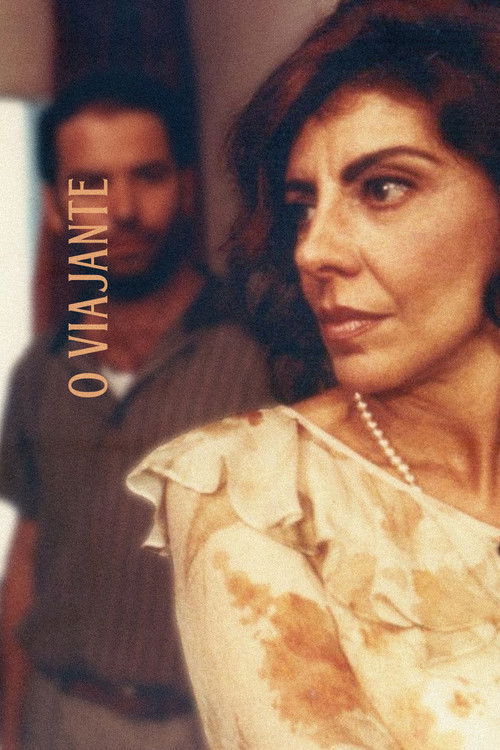
Fortune takes four human beings to the last frontier of passion. There, where love becomes almost inhuman and divine. As if he was a comet, Rafael, the traveler, appears at the party for the cities patron saint, in a small town in the interior of Minas Gerais. He is the one who brings passion and crime, vanishing afterwards, leaving a poetic feeling in the air, which is always deadly to the ones who stay. Mrs. Ana de Lara, the proud rich widow, and Missy, still a child, whose beauty and innocence are like the Tiê-Sangue, a red bird, are the travelers victims. There is also Master Juca do Vale, a criminal, whose passion turns him incredibly human, in this story of love, death, forgiveness and resurrection.
Traveller

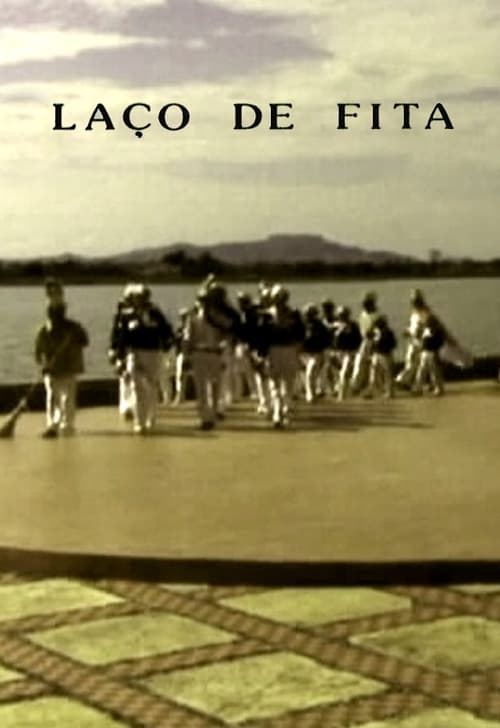
A folk festival in the city of Teresina in Piauí, is portrayed with all the elegance in the lens of photographer Pedrinho de Moraes and filmmaker Paulo Cezar Saraceni. A dance of colors, folklore and the beautiful nature of the region.
Laço de Fita

A comprehensive view of the situation of different ethnic groups in Brazil. In the testimonies gathered in the streets and neighborhoods of various capitals, black, white, mulatto, Portuguese, Italian and Japanese express their opinion and describe personal experiences involving relationship, racism, miscegenation and cultural exchange.
Racial Integration

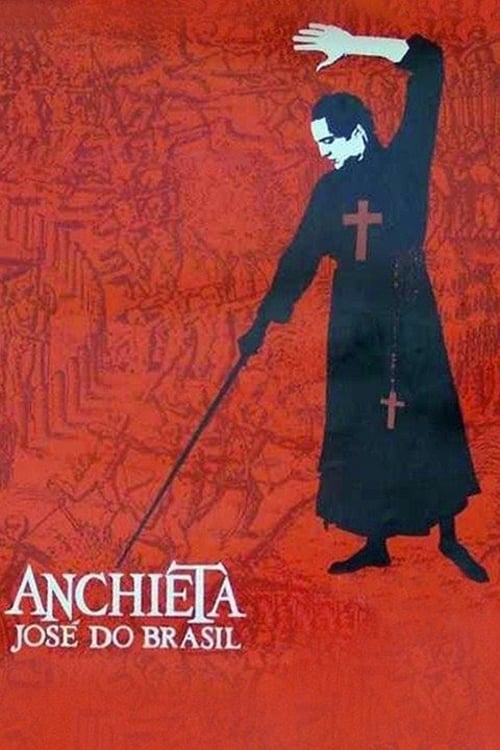
Life and death of the jesuit who fought for the peaceful relationship between colonists and the indigenous peoples of Brazil.
Anchieta, José do Brasil

A movie about Banda de Ipanema, one of Rio de Janeiro’s most traditional Carnaval blocks, and its founder Albino Pinheiro.